An interview with Charlotte McConaghy

Today I have the great pleasure of interviewing Charlotte McConaghy, whose extraordinary, beautiful new novel, The Last Migration (published as Migrations in the US) has taken both the US and Australia by storm, garnering rave reviews and great sales. I’ve known Charlotte a long time, ever since she and my son Xavier went to the same high school in our hometown. I’ve been aware of her talent and persistence as a writer from that time on, too, having read her writing early on, while she was still at school, and it’s been wonderful to see her going from strength to strength ever since then. She has not only written several other books than The Last Migration, but also worked on screenplays, and has a Master’s degree in Screenwriting from the Australian Film and Television School.

Welcome, Charlotte–and congratulations! You must be thrilled to see the response to The Last Migration, despite the difficulties caused by the current situation, and the fact that the planned book tour of the US had to be cancelled. Can you tell us something about the background to the publication of the book, and what’s it been like, to see those reviews rolling in? Will there also be further editions of the book, in translation, for instance?

Thank you for having me, Sophie!

It’s certainly been a long publication process – longer than it took to write the book, actually. I finished it 3 years ago and signed with Flatiron, which is an imprint of Macmillan in America, and it’s been such a long wait until publication that I thought this day would never come! It’s amazing to finally be here, and to have the book come out in my home country (Australia) at the same time. We’ll be publishing in the UK in January (this was meant to be released simultaneously but due to corona virus it was pushed back to 2021) and then I think we’ve also sold to about 22 other countries for translation, which is very exciting. I’ve just been absolutely stunned to see the reviews coming in, and the response of the readers. I’m so incredibly grateful for the generosity, and to know that the book is being enjoyed. It’s the whole point of writing, I think, to reach people, to connect. 

The Last Migration is beautiful and gripping but also challenging, in that it dares us to imagine a world in which nature–and human life–has been hollowed out by the disappearance of wild animal life. What was the inspiration for the novel, and how did you go about creating it? What challenges and discoveries did you face in its writing?

Toni Morrison said ‘If there’s a book that you want to read, but it hasn’t been written yet, then you must write it.’ And this book was like that for me. It just felt necessary for me to engage with this climate crisis in a personal, intimate way, to write about something that’s breaking my heart. For me, when I write, the main priority is to move a reader, to make them feel something, and I think that happens when you can write from an honest and intimate place. And I think it’s true that we’re all starting to feel the loss of our natural world in a viscerally painful way. We’re connected by it. But I didn’t know quite how to engage with that, not at first.

First I went travelling. I wanted to explore Ireland and get to know the land my ancestors were from as I’ve always had a fascination for it. I also went to Iceland, an extraordinary place, and saw the beautiful graylag geese, which got me thinking about migratory birds and the incredible journeys they take, and the type of people that study these birds. I think that’s how the story of an ornithologist who decides to chase the last flock of Arctic terns from one end of the earth to the other came about.

So it was Franny who came first, it’s always character first for me. And as I got to know her, and understand this journey she was on, and why, I started to realise the kind of world I needed to place her in to really be able to tell her story with impact, and to safely engage with my own fear around the climate crisis. So that’s how the environmental side of this book got slowly drawn in – to support her. And the truth is that the more I wrote about it, the more I explored it, the more concerned I became. I discovered that in the last 50 years alone, humans have killed over 60% of all wild animal life on the earth. That statistic is almost incomprehensible in its enormity and it broke my heart, and I knew instantly that I needed to set the book in this future, to show how close it really is.

Like all your books, The Last Migration has a strong visual, indeed cinematic quality, as well as a lovely poetic sense. How do you think your work as a screenwriter has influenced your work as a fiction writer? And is there any talk of a screen adaptation of the book?

Learning the craft of screenwriting was an amazing way to learn about story. I learnt about how to structure stories and where to place certain major moments for a character to get the most emotional impact, I learnt about drawing a complex character and challenging them to transform, I learnt about genre and theme. It was also very good training for my prose, which I tend to overwrite; screenwriting schools you to be simple and strong with your word choice. You need to convey a lot in few words, and I think that’s great advice for any writing style. So all in all, it helped me improve my writing enormously.

And yes, there has been talk of a screen adaptation – we’ve fielded a few offers and are still in the negotiating stages. I have my fingers crossed it could one day be a film or tv series!

The Last Migration is sometimes described as a ‘debut novel’, or alternatively as a ‘first literary novel,’ but of course you have written several other excellent novels, most of which are in the speculative fiction genre. Indeed, it could be said that the near-future dystopian world of The Last Migration has a definite speculative-fiction element. What are your thoughts on this? How do you yourself view The Last Migration as against the background of your other books?

Yes it’s interesting that it’s being called my debut novel, which I think came about because the US publishers who picked the book up first wanted to ‘break me out’ in America as a debut author, so it was called my US literary debut, but as you’ve said I’ve written multiple fantasy and sci-fi books published in Australia. And I agree, The Last Migration is speculative, certainly – as I mentioned above, I decided to set the book a stone’s throw into the future, during the peak of the animal extinction crisis. And maybe this is a comfortable space for me, looking ahead to the ‘what ifs’. I got good practice at it in my dystopian sci-fi series, but I wanted this book to feel different. I intentionally didn’t want it to feel dystopian because in a way that places human suffering at the heart of the story, whereas I was more interested in removing us from the centre of all things and looking at the loss of the animals as a tragic thing, not just because of what they have to offer us, but because they’re wondrous in their own right. We’re not the only living things that matter. And so I guess that shift in focus, and leaving the world of the novel as otherwise unchanged, places the book less in the sci-fi realm and more in the fiction genre.

As a young writer just out of school, you self-published your first novel, which was acquired a few years later by a trade publisher and republished. And you’ve gone from strength to strength since then. Can you tell us a bit  about your journey as a writer, from those early days to now?

I started writing books when I was 14, totally in love with telling stories. As you mentioned I self published that first book and then was very lucky when it got picked up by a trade publisher. That led to me acquiring an Australian agent, and publishing several more books with multiple Australian publishers. I think I was about 25 when I realised I really wanted to learn more about the craft of telling stories, and so that’s when I enrolled at film school to study screenwriting. And that led me to want to travel and see the world, which in turn led me to The Last Migration. I’ve worked in film and television development too, but currently I’m writing novels full time and couldn’t imagine wanting to spend my life doing anything else. I feel so lucky that I’m able to, and hope it can continue!

What’s next for you as a writer–what is the next project you are working on?

I’ve spent the last year and half (while I waited for The Last Migration to be released) writing and editing my next literary novel ‘Creatures, All’, which is the story of a wolf biologist charged with reintroducing wolves to a forest in the Scottish Highlands in order to rewild the landscape. It’s a mystery and a love story and a story about the healing power of nature – which is a common theme for me these days! That will be released in the US this time next year, and hopefully here in Australia too.


Find out more about The Last Migration here.

Charlotte’s website is here.

Facebook author page here.

Twitter page here.

Instagram: @charlottemcconaghy


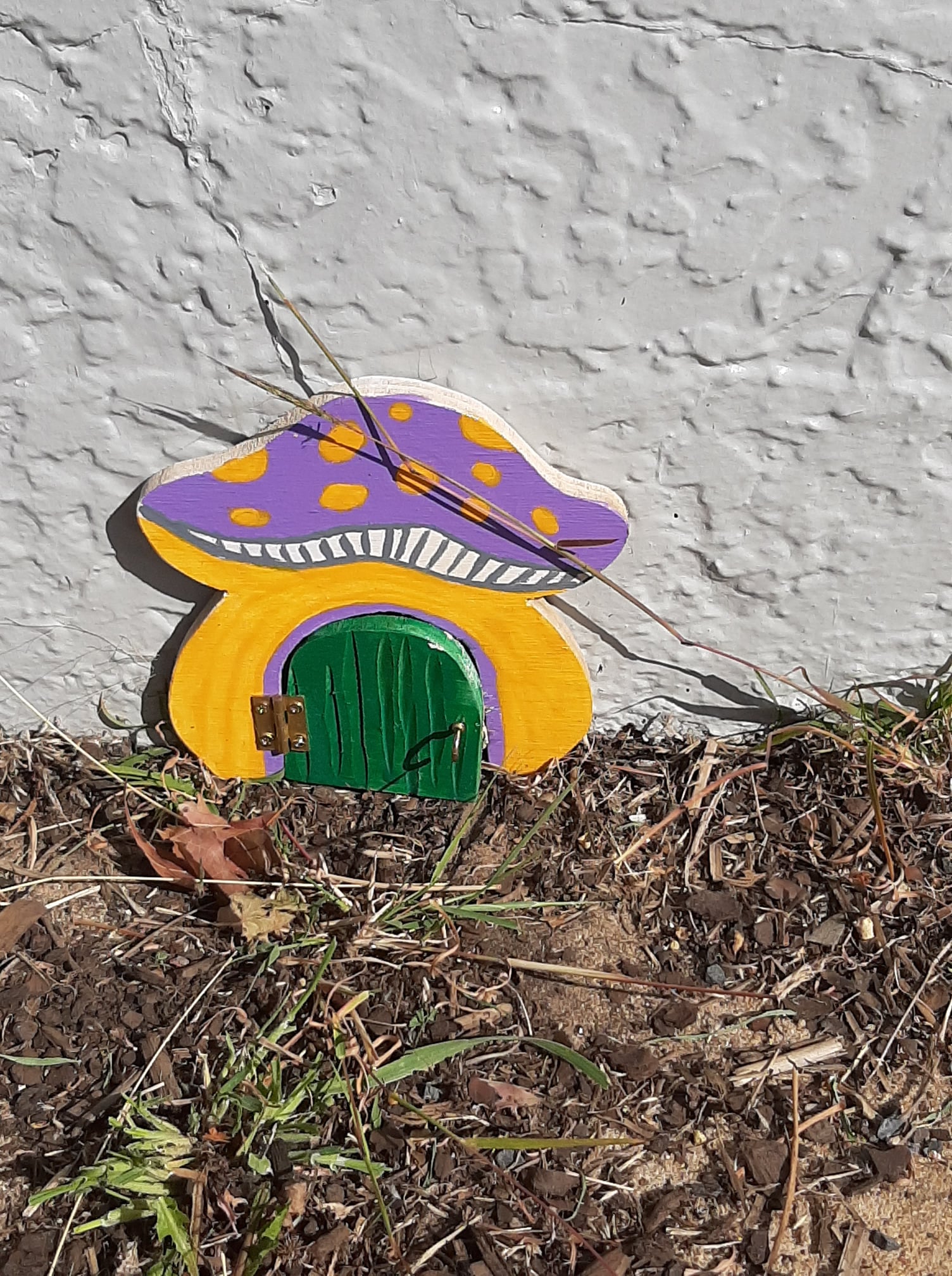
My little story for the Uralla fairy map

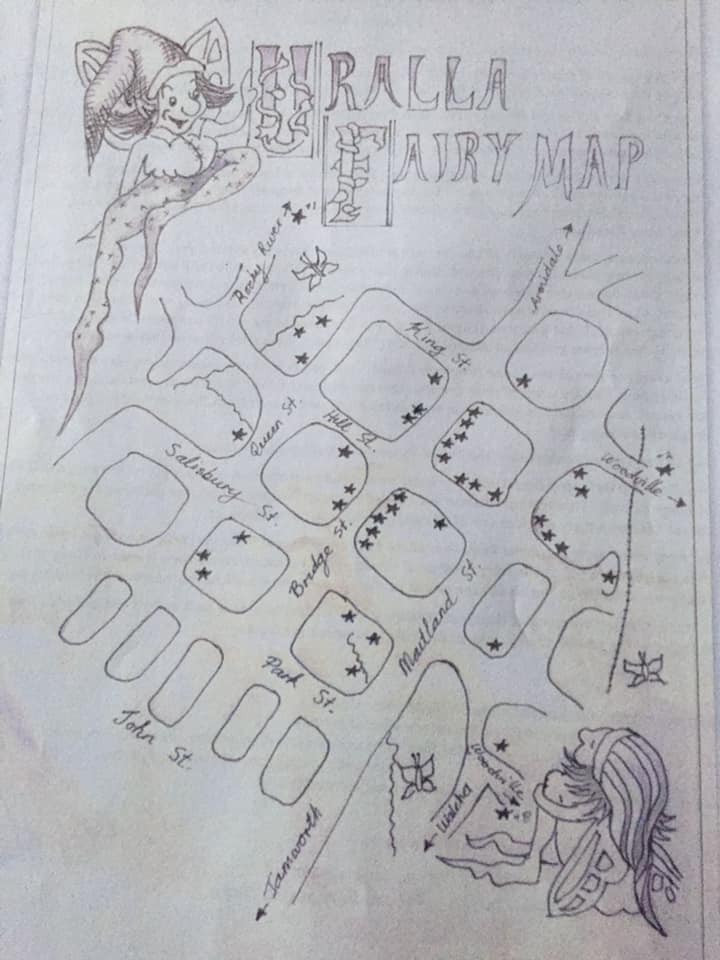
The charming little town of Uralla, not far from our place, has an equally charming new initiative in the shape of fairy doors that sprung up all over town in the first days of the pandemic shutdown back in late March.

And now the fairy doors have their own map, so visitors and local residents can go on a tour of discovery. And I’m proud to say that on the back of the map is printed a fun little children’s story I wrote for local and visiting children, and which has been used in schools to inspire drawings of the scenes described!

A House of Mud celebratory week

This week is launch week for A House of Mud, and to celebrate, there’s all kinds of things planned. A ‘real-world’ launch is happening today at 4pm at Reader’s Companion in Armidale, and a virtual launch on Saturday (July 25) . The virtual launch will include both some great pre-recorded videos which you can view at your leisure on the United Publishers of Armidale website(will provide the link on Saturday), and also a live Zoom Q and A session with me, the illustrator Katrina Fisher, and publishers Peter and Kathy Creamer of Little Pink Dog Books, on Saturday at 3.30 pm. The Q and A session is free, but you need to book, here.

There’s also a wonderful activities page for the book on the United Publishers of Armidale website, which includes a presentation by me on the story behind the story of A House of Mud, a link to some great activities created by Katrina for kids, and this fascinating video by her on the stage-by-stage process of creating the beautiful visual world of A House of Mud. Enjoy!


Cover reveal for Four on the Run!

I am delighted to reveal the gorgeous cover of Four on the Run, my chapterbook for young readers, illustrated throughout by the wonderful Cheryl Orsini. The fabulous cover illustration is by Cheryl of course, and the lively design is by Authors’ Elves. The book is coming out with Christmas Press in September.

I absolutely loved writing this fun little book, about the adventures of a quartet of lovable vintage vehicles who run away from home, and I was thrilled when Cheryl, whose illustrations of friendly, characterful vehicles I’ve loved in others of her books, agreed to illustrate my story.

Here’s the blurb of the book:

Maxie, Fergie, Flash and Lady are good friends who live in Mrs Brown’s farm shed. Life isn’t exciting, but they’re happy. Until the day they learn that Mrs Brown wants to sell them–to the scrap yard! So they decide to run away, and life suddenly becomes very exciting for the four lovable machines in a series of adventures that puts them in more trouble than they ever imagined!

Written by award-winning author Sophie Masson, with lively, appealing pictures by acclaimed illustrator Cheryl Orsini, Four On the Run is a fresh, funny and original chapter book which is great fun both for reading aloud and for young readers to read by themselves.


First advance copy of A House of Mud!

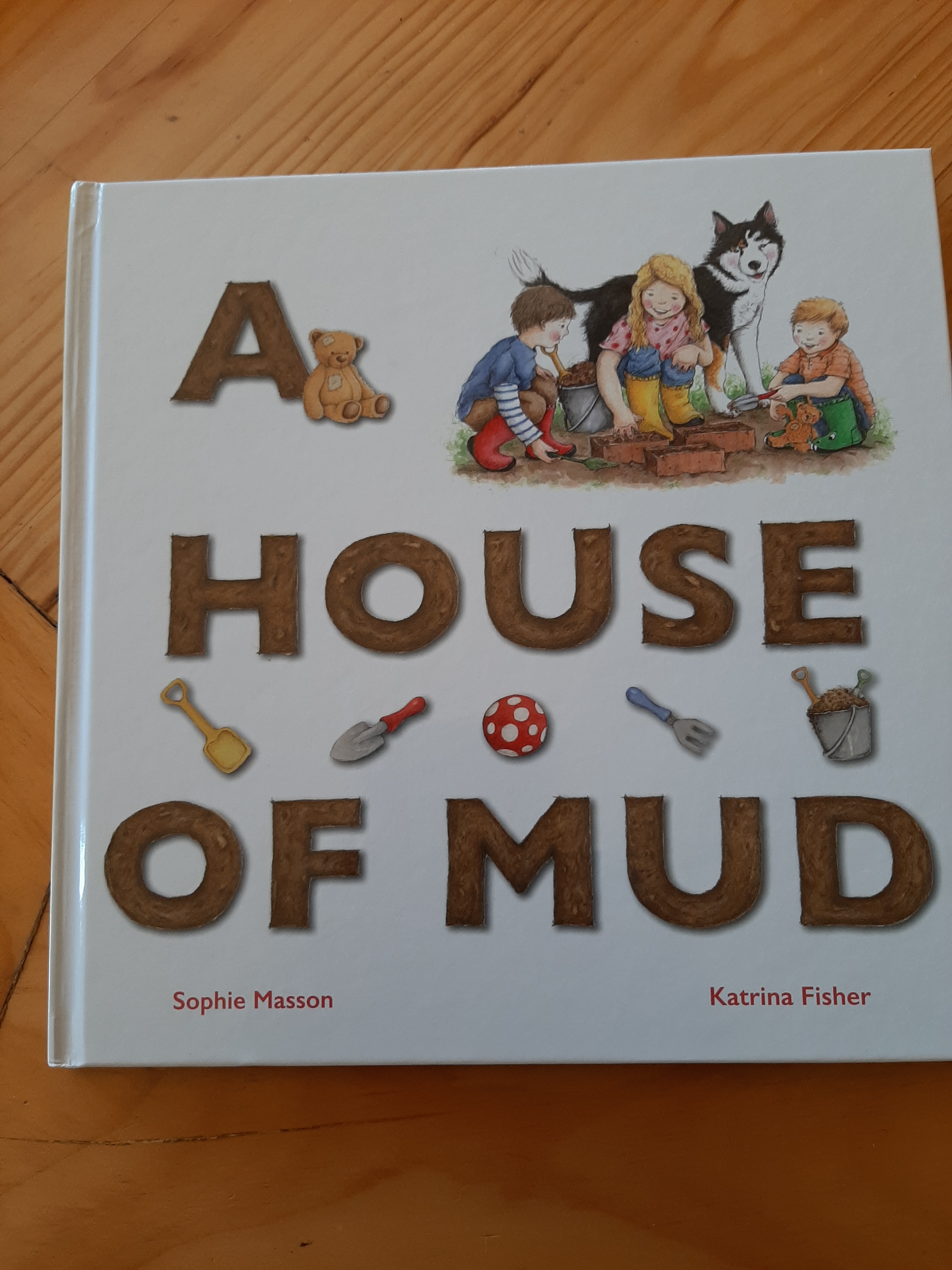
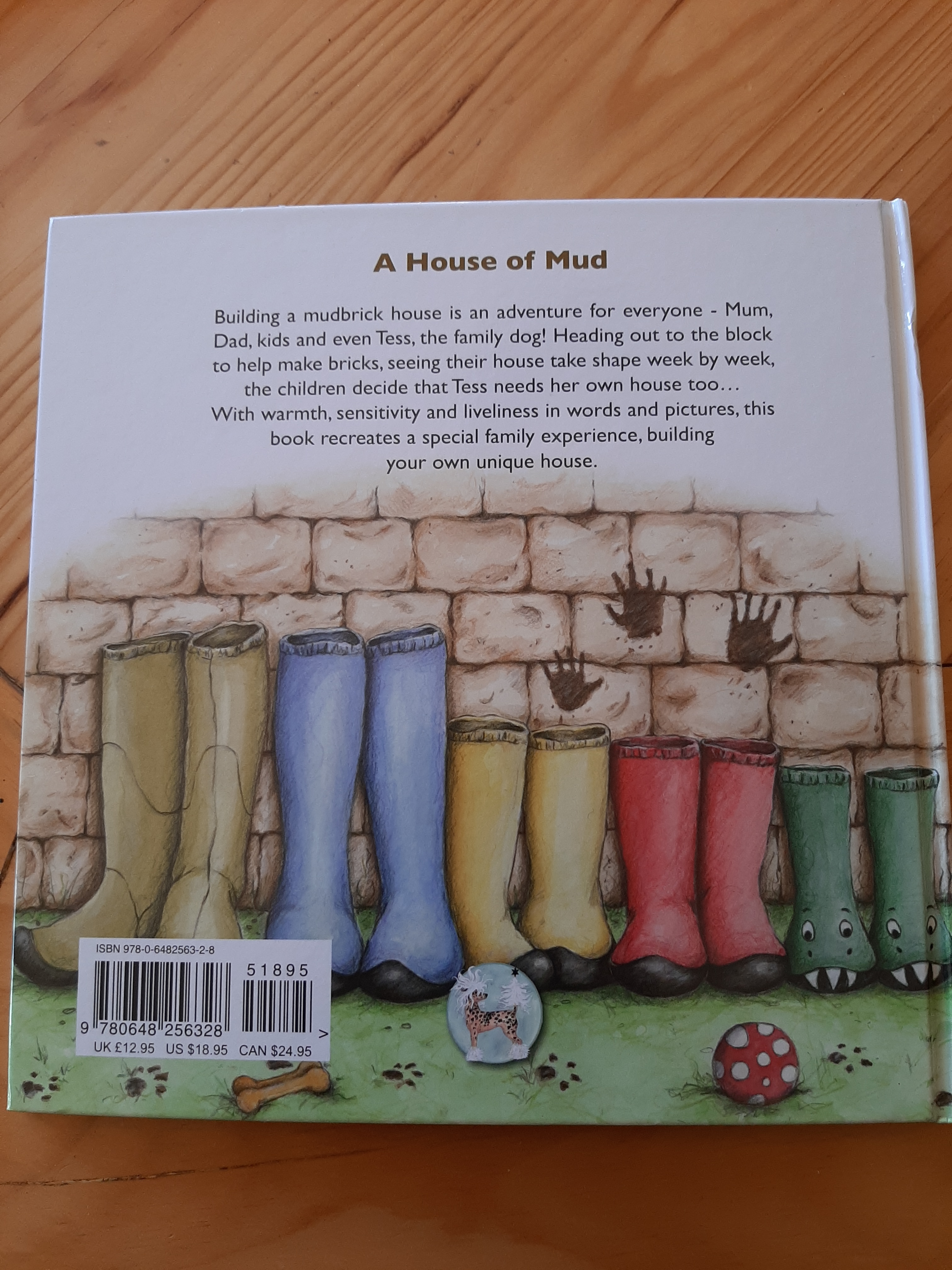
I am one very lucky author: last month I got my beautiful first advance copy of The Snowman’s Wish, my picture book with Ronak Taher, to be published by Dirt Lane Press in July. And today, I got my gorgeous first advance copy of A House of Mud, my picture book with Katrina Fisher, to be published by Little Pink Dog Books in August!  (The book can also be pre-ordered at that link).

A House of Mud is a gorgeous production, with lively, warm and characterful illustrations by the very talented Katrina Fisher and fabulous design and layout by the wonderful team at Little Pink Dog Books. It’s very special too because the story is based on our own real-life experience years ago of building our beautiful mudbrick house near Armidale in northern NSW—an experience which included the lively involvement of our young children—and our family dog, Tess!
Seeing A House of Mud become a picture book has long been a dream of mine and I am delighted  to hold it in my hands at last, and turn its pages while still living in the very same lovely hand-made house that inspired it!

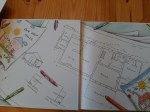
Below you can see some of the wonderful internal pages–includes some great endpapers for which Katrina used photos of some of David’s actual plans for the house!


That moment when you write: The End

Yes: THAT moment! Every writer knows what it’s like, when you’ve worked on a novel for months and months, maybe even years, and finally you get to a point where you know, you just know, everything’s worked, all the strands have been woven in satisfactorily, your work for the moment is done–and you can write THE END! Even though I take out those words before I send the ms off to my agent, I do find it satisfying to type them in before that, as I actually finish, just for the sheer, if maybe childish 🙂 pleasure of seeing it there in black and white, even for a moment.

And with this particular novel I’ve just finished, it was even sweeter to do that. In a post last month for the international writing blog Writer Unboxed, I wrote about the difficulties I was having in finishing this novel, in these very ‘singular times’. Although it was literally almost finished–I had just written the second-last chapter- when the pandemic shutdown first started really making an impact on our lives here in Australia, back in mid-March, the novel just came to a stuttering halt and for weeks and weeks I just couldn’t bring myself to even go near it. It’s an adult novel this time, a multi-POV narrative with many enjoyable twists and turns, set in France, with both Australian and French characters, and I’d loved writing it up till that time. Coming to a stuttering halt wasn’t an experience I’d had before, not at this point in a novel, anyway–normally, when I get so close to the end, there’s no way I want to stop. But the turmoil of feelings brought on by the situation we were all so suddenly in had led to a lack of purpose, a sense of irrelevance, which made it pretty much impossible to finish the novel, try as I might. In the end I just laid it aside and worked on other things, as I describe in that Writer Unboxed post–creative activities to put online, journals, bits and bobs of all sorts. Slowly, doing that began to change things–and by the time I wrote the Writer Unboxed post in mid-May, I had gone back to the novel, advancing again, albeit much slower than I was used to. And then, just a few days later, suddenly, the ‘oomph’ for the novel came back, I knew exactly how to finish, and for days after I wrote and rewrote the last chapter and the epilogue and went back over the novel, carefully. Until yesterday, the first day of a new month, the first day of winter, when, filled with more than the usual exhilaration, I finally typed those magic words: THE END!


A writing life in singular times–my post on Writer Unboxed

Today, on Writer Unboxed, the international writing blog to which I am a regular contributor, I write about the impact that these very strange times we are all going through has has on my writing life, and how I’ve tried to deal with it in various ways.

I wrote it in the hope it may help other writers struggling with the same things, and on Writer Unboxed, I’ve asked to hear about other people’s experiences–and I hope readers of this blog might visit Writer Unboxed and consider sharing theirs.

Celebrating new books in troublesome times 8: Kathy Creamer

Next week sees the publication of author-illustrator Kathy Creamer’s new picture book, The Big Old Rambutan Tree, a book which had a very special inspiration and process, as Kathy explains in this  fascinating guest post.

Creation of The Big Old Rambutan Tree

 by Kathy Creamer

Someone once pronounced an orangutan to be an animal that looked somewhat like a sad heap of deflated bicycle wheel inner tubing. I met my first orangutan when I was working at Singapore Zoological Gardens as a volunteer docent, and they were nothing at all like the description of sad deflated bicycle tubing. I became completely enchanted by the beauty and charm of these effervescent and mischievous primates, and one lovely orangutan in particular, who happened to be the zoo’s celebrity, became my favourite. She was a gentle female named Ah Meng, who I met in the days when visitors to the zoo were allowed to get close up to some of the tame orangutans and even share breakfast with them. Ah Meng, who was sitting with her new baby, calmly allowed me to be seated next to her. I was almost nine months pregnant at the time and Ah Meng was clearly interested in the huge size of my baby bump, so much so, she reached out and placed her hand gently on my tummy and kept it there whilst she gazed knowingly into my eyes. I was totally astounded by her gesture and in that instant, I realized she possessed a great intelligence which comprehended precisely what was growing in there.

Orangutans and humans share 97 per cent of their DNA sequence, which makes us very close cousins. And indeed, they are so much like us in displaying facial expression and emotion such as joy, excitement, jealousy and fear, and when a young orangutan displays his anger or frustration, it is exactly like watching a temper tantrum in a two-year-old human toddler.


I began researching a little more about orangutans and learned just how endangered they are in the wild. I was distressed by the fact that their young are much sought after for the illegal exotic pet trade; the mothers who fearlessly fight to protect their offspring are usually shot dead by the animal poachers in order to steal the babies. Then there is the significant threat of habitat destruction from human development such as farming; the biggest threat being the recent expansion of enormous palm oil plantations. I was so moved by what I read that I wanted to do something to highlight the plight of these beautiful animals in the wild. So, I decided to create a picture book story about Ah Meng, which was published by the zoo and succeeded in raising much needed funds for the Zoo’s own orangutan conservation program. Ah Meng was so pleased with her book that she painted me an extraordinary picture for the book launch at the zoo!


Some years later, after watching a nature program about the uncontrolled  destruction of thousands of acres of pristine Asian rainforest for palm oil plantation, I realized that the orangutan’s struggle for survival had become even worse, and that they were now dangerously further down the path to total extinction in the wild. Moved to try and do something to highlight the problem, however small, I decided to create another children’s picture book story, The Big Old Rambutan Tree.

The idea for the story was inspired by a newspaper report on how a young orangutan in a nature reserve actively helped to look after two orphaned tiger cubs by helping the human carers to bottle feed them. Obviously, as the two tiger cubs grew bigger, they eventually had to be separated from the orangutan.

In the illustrations for the book, I tried to display emotion and movement, as well as revealing the gentle, peaceful expression and exuberant mischievousness of orangutan personality. Unfortunately, I was unable to find a publisher for the manuscript, so it lay for almost ten years in my desk drawer until I decided to send it to Orangutan Outreach to see if they would be interested in endorsing the book should it be published. They were! So, I decided to publish with Little Pink Dog Books, which is a children’s picture book publishing partnership specializing in books by new and emerging writers and illustrators, which I happen to run with my husband. We also began a crowdfunding site with IndieGoGo, to help with the publication costs, and I am pleased to say that many people from around the world have either made a financial donation or have purchased copies of the book. To help Orangutan Outreach I decided all profits from the book would go to their organisation to help with their valuable conservation work.

I am particularly pleased that after many years of effort the book is now on sale, and I would like to encourage readers to help support the conservation of these beautiful primates by purchasing a copy of the book from your local bookshop or by ordering the book directly from the Little Pink Dog Books website.

The Big Old Rambutan Tree

Written and illustrated by Kathy Creamer

Little Pink Dog Books (May 2020)

From the flames of the burning rainforest, an extraordinary bond of friendship ignites between a savage tiger and a gentle orangutan, as they both struggle to survive in their fast diminishing habitat.

 Kathy’s website: www.kathycreamer.com

Connect with Kathy on Facebook

Two new interviews with me

Two recent new interviews with me that might interest readers: the first is in audio form, a wide-ranging podcast interview celebrating 30 years since my first two books were published, which is featured at the Writes4Women website. It was just lovely having the time to expand on all kinds of aspects of writing, inspiration, process, and lots more, with fantastic interviewer Kel Butler.

The other interview is in article form, and is a bit of an overview of my career and influences. It’s published in conjunction with a short story competition I’ve collaborated on with the University of New England’s Creative New England initiative, and the New England Writers’ Centre. Thanks to UNE’s Alahna Fiveash for the great questions!

Thirty years ago, my first two books came out…

This year marks a momentous milestone for me–it’s thirty years since my first two books, The House in the Rainforest (adult novel, published by UQP, March 1990) and Fire in the Sky(children’s novel, published by Angus and Robertson, June 1990), came out.

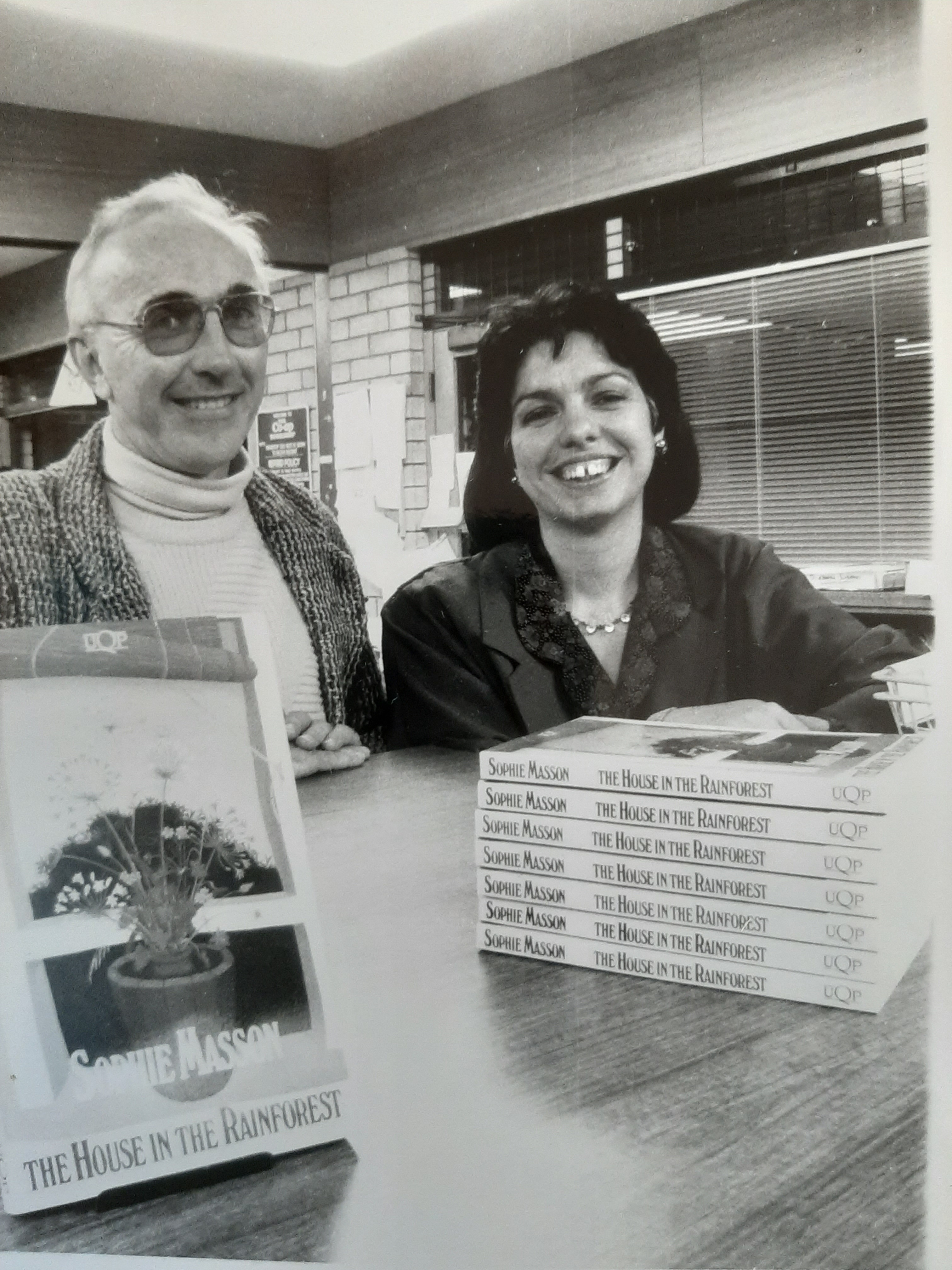
Launch of The House in the Rainforest, April 1990, at the University of New England bookshop. It was launched by poet Julian Croft.

They weren’t the first novels I’d written; two more finished ones languished in the bottom drawer(they still have never seen the light of day and never will) and one half-finished one written in my teenage years still lurked in a box of things from childhood; and before 1990 I’d had some stories published in anthologies, but this was the big year, the one in which my dream of one day becoming a professional, published book author, became reality–and not just with one book, but two, in the one year.

I’m celebrating this milestone in a subdued sort of way, given the current situation for us all, but it’s very much a milestone that makes me both happy and grateful. Happy and grateful that publishers took a punt on me in the first place; happy and grateful that they continue to do so, thirty years down the track. Happy and grateful to be working in such a wonderful industry, which despite its many challenges, is truly the best and has rewarded me in so many ways; happy and grateful to be part of the diverse and generous creative community of book people, where I have forged many lasting friendships; and so happy and grateful for the many, many people who have believed in my work and supported and encouraged me throughout my career and continue to do so: my wonderful agent Margaret Connolly; the many fantastic publishers and editors I’ve worked with throughout these amazing thirty years; friends and fellow writers and illustrators..And most especially, of course, my family–my three children, Pippa, Xavier and Bevis, who grew up with a mother so often away with the fairies yet who not only never reproached me for it but love and understand what I do; my husband David,whose unfailing support from the very beginning has been not just strongly emotional and moral but also immensely practical, taking on more than his fair share of household tasks and childcare so that I would have time and space to write; as well as my parents, whose love of books and stories provided the perfect growing soil for a budding young writer; my brothers and sisters, who were my first audience/readers/guinea-pigs back when we were all kids, and who still love what I write; my sisters-in-law and brothers-in-law, and daughters-in-law and son-in-law, always so warmly encouraging…And my dear little grandchildren, who for the last few years have inspired me into a new creative direction: writing picture book texts.

Thirty years on from those first two books, I’ve had more than 70 books published–for children and young adults, mainly, but also for adults–with more coming this year and into the next couple of years. I’ve been published in many different genres, with many different publishers, in many different countries. I’ve had many ups and a few downs, overcome quite a few challenges and been offered quite a few opportunities. More than a few things have changed in the publishing industry since I started; but more than a few, also, have stayed the same. It’s been an absolutely amazing thirty years: and I am so happy to look back on it now and give thanks for the extraordinary good fortune of being able to have such a deeply satisfying career, doing what I was born to do. And that is truly something to celebrate.

UPDATE: You can listen here to a long interview with me, conducted by Kel Butler of Writes 4Women, which looks back at the 30 years since my first two books were published. It was such a lovely opportunity to talk about it and reflect on it all.

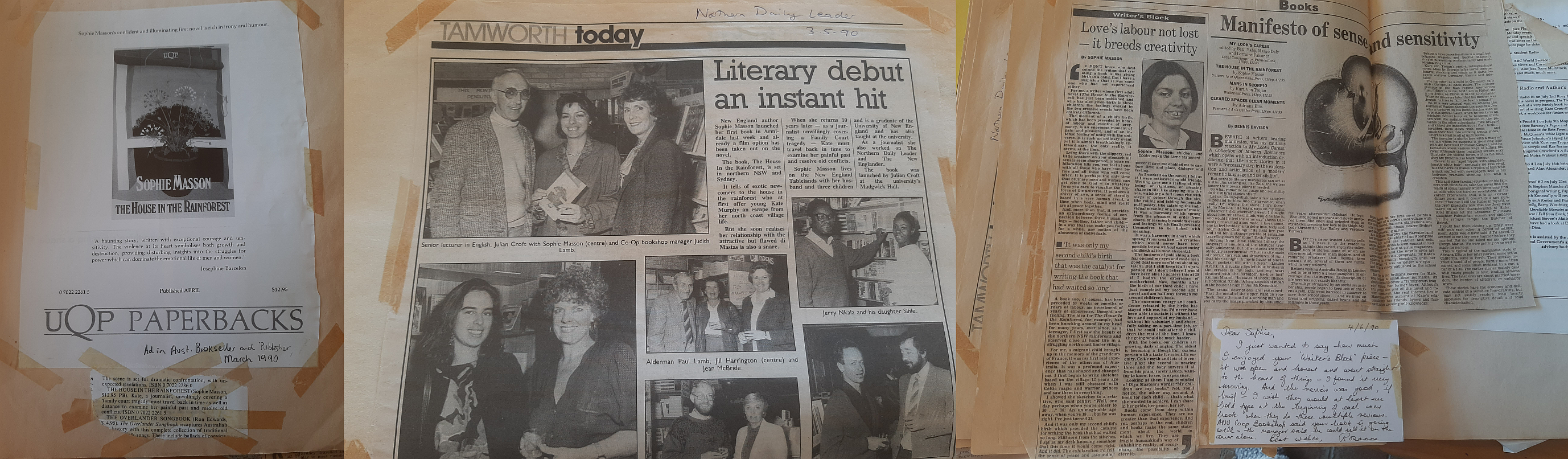
Blast from the past 1: House in the Rainforest clippings

Blast from the past 2: Fire in the Sky clippings