Crossing the Lines: interview with Sulari Gentill

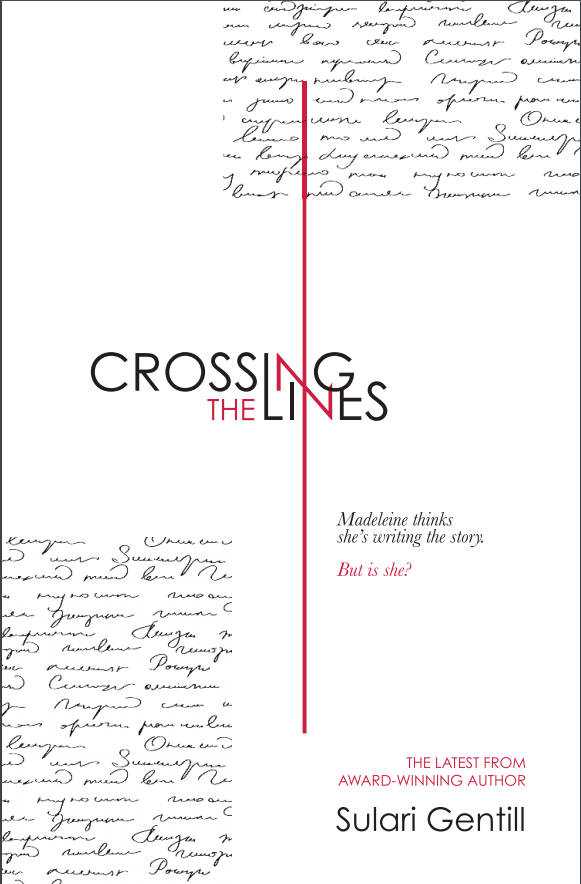
Last Friday, I published my interview with Anthony Horowitz about his brilliant crime novel/metafiction, The Word is Murder. Today I’m interviewing Sulari Gentill about her equally brilliant crime novel/metafiction, Crossing the Lines. Well-known for her popular Rowland Sinclair series of detective mysteries set in the 1930’s, Sulari has broken new ground with this novel. It feels like wonderful serendipity to me, that two such gifted authors should have created these bold new explorations of the writing experience and creative process, within the tight, gripping framework of a great crime story.

First of all, Sulari, congratulations on Crossing the Lines, a brilliant and inventive work which works really well both as a gripping crime novel and as highly effective metafiction. How did the idea first come to you?

Thank you, so much Sophie.

This was one those ideas that grew out of idle speculation.

I’ve always allowed myself the indulgence of believing in my characters when it suited me.  It makes the act of writing less lonely in a way.  I’ve always known that I played close to the line between imagination and delusion.  Interestingly, it’s this aspect of my process (if you can call it a process) that I am most asked about at festivals etc. I’ve found myself speaking often about the “the line” between imagination and delusion, confessing to those times I’ve ventured a toe across it.  I suspect it’s a game that both writers and readers play to greater and lesser extents.

I do wonder what Rowland Sinclair thinks of me.  Does he like me?  Would he read my books?  Does he find me unnecessarily sadistic?  I do, after all, visit all sorts of pain and trouble upon the poor man… and yet I feel he trusts me; that we’re working together.  I can help but think about what it would be like to be him, to have the circumstances of my existence controlled by someone else’s narrative.

Of course it’s a writer’s practice to extrapolate, to take things to their natural end, and so I have on occasion found myself pondering what would happen if I crossed the line completely, if I allowed the people I made up to take over, if I permitted them to control my life as much as I do theirs.

And somewhere from the midst these muddled musings came the story of Madeleine and Ned, who write each other and entwine the lines of their stories and their lives.

You use a very interesting and unusual narrative process, by switching back and forth between Madeleine and Edward, sometimes even within the same paragraph, which further blurs the boundaries between them–crosses the lines, in fact!–yet never becomes confusing. How did you go about doing that?

I wanted to echo the way my mind works when I write, the way in which the novel’s voice both merges with and takes over from mine—sometimes in the midst of a sentence or a thought.  I wanted to reflect that fluidity but also maintain the individuality of both voices.  To be honest, I thought it would be a great deal more difficult that it was.  I wrote this novel as I do all my novels, without a plot or plan of any sort and I wasn’t really consciously doing anything in particular.

The novel is written in third person, and the voice tends to change at a point when Maddie and Ned have the same thought or disagree, which is, I think, why the transition is smooth and not confusing.  Again, I didn’t do this consciously when I was writing – the changes were instinctive and responsive to the narrative rhythm, but, in hindsight, I see that those pivot points occurred when Ned and Maddie engage directly with each other. For a moment, at these places in the narrative, the reader’s mind is in the head of both Ned and Maddie, allowing them to move seamlessly from one point of view to the other without jarring.

You play with literary concepts and conceits–such as the ‘lines’ between genre fiction and literary fiction–with great deftness, and Crossing the Lines can be seen as a riposte to that artificial boundary-setting. Can you expand a little on that?

My reputation in Australia is primarily as a crime writer.  It’s a genre I love and respect, not just because it engages the reader in a tale of peril and intrigue, but also for its ability to hold a mirror up to society, to make social commentary in a way that is subtle and incidental but, for that, no less insightful.  The crime novel, at its finest, has many layers; it talks about the worst and best of humanity, about fear and courage, discrimination and justice.  And yet there seems to be a line, in this country particularly, that arbitrarily divides genre from literary fiction with the implication that literary fiction is somehow inherently worthy and, conversely, genre is not. To me, the line is an artificial prejudice and whether or not a novel has worth has scant to do with its genre.  With Madeleine being a crime writer and Ned a literary novelist, it seemed natural that they would have this conversation.

In the novel, you have mixed aspects of your own lived and literary experience with cameo appearances by other literary figures–such as respected author and director of Writers Victoria Angela Savage–and completely fictional elements to create a disconcerting–and fun!–hybrid narrative. Can you tell us about how you juggled all those different elements?

Whilst her circumstances sound familiar, Madeleine is not me and Crossing the Lines is a novel, not a memoir. In writing this book, I wanted to concentrate on Madeleine’s inner world and so I gave her an outer world that I knew—one that’s very similar to my own.  A familiar baseline from which I could extrapolate. It’s not something I’ve ever done before, but for this book which is all about crossing those lines between reality and imagination, it was right.

It also seemed right for a novel about crossing existential lines to allow real people from my own life to play a part in the novel (also not something I’ve really done before).  Angela Savage, the character, is Madeleine’s dear friend and trusted colleague—the real Angela is that to me.  My old friend and confidant, Leith Henry is cast as both Ned’s and Maddie’s agent.  I felt like she anchored the three of our worlds (Ned’s, Maddie’s and mine) together.

To be honest, it felt more like weaving than juggling.
Crossing the Lines is a very different kind of book to your other crime fiction, the very popular Rowland Sinclair detective series, set in 1930’s Sydney. What was the experience of writing it like, compared to those?

In many ways the experience was similar—intense and immersive.  But for the first time I was writing without a scaffolding of history, and I was writing a story that was quite internal.  It didn’t deal with larger issues of political movements and social justice.  Everything in this novel looked in rather than out.  I do remember feeling quite lonely when I wrote this book in a way that I’m not when I write Rowland.  I suspect it’s because I didn’t have as direct a link to Ned and Maddie as I do Rowland.  I am Rowland’s writer, so he speaks to me.  Ned and Maddie were each other’s writers—I just eavesdropped on what they said to and felt about each other.  I do realise I sound quite mad.  Sorry.  Sometimes it’s difficult to explain the way my mind works without sounding at least a little insane.

I’ve heard you speak at events where you have said you don’t like to look too closely at your own creative process in case it withers the magic. Yet in Crossing the Lines you have performed another act of magic: incarnating the creative process in the story of Madeleine and Edward. I can imagine it must have felt spooky at times! How did you focus on that aspect of the novel without becoming too self-conscious?

I just tried to be as honest as I could about the experience of writing as I understand it.  I think Crossing the Lines works because it doesn’t try to forensically analyse and explain the magic, simply to recreate it.  I did get self-conscious once the novel was written…I panicked that it would be read as a memoir rather than a fiction.   I even tried to talk Pantera out of wanting to publish it because it made me feel exposed and awkward.  I think I might to the only writer ever to tell a publisher, “All right, you can read it if you really insist, but I promise you’ll hate it…”  Fortunately, despite my best efforts, I didn’t manage to dissuade them.

While I was actually writing though, self-consciousness was not a problem.  I tend to lose myself when I write, I stop being so aware of me.  It’s just all about the story.  I don’t get embarrassed till later.

How have readers responded to the book? 

Pantera tells me CTL is selling much better than they had expected (but I’m not sure what that really means – maybe their expectations were low  😮 ).  I’ve had some lovely  messages from readers, especially readers who are writers, and it’s received some glowing reviews.  It’s doing well on Goodreads, but while some people really love it, there are a few who don’t get it at all  (which I did expect – it’s not your standard crime novel)  My US Publishers tell me they have very high hopes for this book… but again I’m not really sure what that means.  People (including you) whose opinion I have come to really respect, have liked it.  So I’m happy.  I know that’s really vague but it’s really hard to know as a writer… at this early stage anyway.

Yours is the second new metafiction/crime fiction novel I’ve read this year–Anthony Horowitz’ The Word is Murder is the other–which brilliantly illuminates the creative process in a highly original way. There have been other earlier works which play with those elements, such as French author Guillaume Musso’s La fille de papier (Girl on Paper) and Stephen King’s novella Secret Window, Secret Garden(which was made into the film Secret Window) but though they are gripping mysteries, they both ultimately ‘explain’ the apparent boundary-crossing in a way that disappointed me as a reader(and writer). Not so with your book, and Anthony’s, which stay most satisfyingly within that narrative world. Can you expand on that, and why you decided not to explain?

As a historical fiction writer and a lawyer I’ve learned that what people think happened is as important to consequences as what may actually have happened.  To me, what Ned and Madeleine believe is enough.  The story is about them, their reality.  I didn’t feel the need to rationalise it with any conspiracy or plot or illness etc.  The story is purely about the lines that writers may be tempted to cross, and why doing so is both seductive and dangerous.

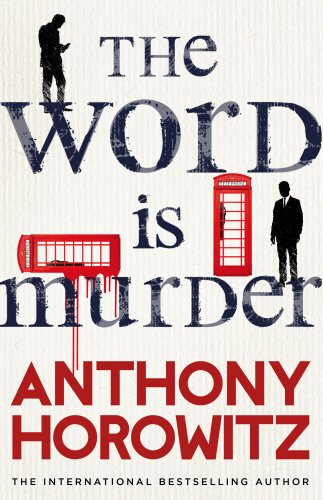
The Word is Murder: interview with Anthony Horowitz

Today, I am delighted to bring you my interview with the fantastic author Anthony Horowitz, about his latest novel, The Word is Murder. Anthony’s books, whether for adults or kids, are always gripping and elegantly written, but this one is particularly accomplished, a bold and brilliant tour de force that takes big risks with literary conventions and reader expectations, and pulls it all off triumphantly. It’s one of the most interesting and memorable novels I’ve read all year.

First of all, Anthony, congratulations on The Word is Murder, a daring and playful blend of metafiction and crime fiction.  In Magpie Murders, your novel published last year, you use metafiction elements–such as a book within a book–but The Word is Murder goes a lot further. How did the idea first come to you?

Thank you for your kind words! TWIM (as we all know it) began when I met my new publisher, Random House, and they asked me to concentrate on a series of murder mysteries. My first thought was that I wanted to do something that would completely shake up the format. It wasn’t enough just to have a fat detective, a drunk detective, a Russian detective or whatever. I wondered if could alter the entire template so that we would look at the crime and the solution in a new way.

 To be honest, the idea sort of fell into my lap as I was walking home from that initial meeting. Drop the author into the action. Take him off the mountain, as it were, and into the valley. Turn him into the sidekick. I knew at once it was what I wanted to write.

There are other novels in which the author has a walk-on part–such as for instance, Michel Houellebecq’s The Map and the Territory and Paul Auster’s A City of Glass–but yours is I think the first one I’ve read in which the author is both one of the main characters and the narrator, being bossed around by the other main (fictional) character! And yet, despite the extraordinary literary conceit and dazzling sleight of hand, the story never loses its narrative power and drive. What is it like to imagine yourself as a fictional character? How did you manage to juggle all the different elements, and what were the challenges along the way?

Again, you are very kind. I was quite nervous about putting myself center stage – and so, actually, were the publishers. I didn’t want the book to turn into an ego trip. But although I appear rather more than I would really like (I’ll take more of a back seat in future adventures) the book is more about my writing life rather than me personally – the focus is on Hawthorne!

 When I was writing TWIM, I simply had to imagine that it was all really happening. Writers do this anyway, of course – but I had to consciously ignore the fact that I was making it up. The AH character is seldom named…and this helps me distance myself from him. You might think of him as an avatar. Yes he is me but he’s also my creation and what I think makes it fun is that Hawthorne is as much in control of him as I am!

In The Word is Murder, you incarnate the creative process through literal dialogue and interaction between the author and his characters, brilliantly illuminating the way in which writers conjure characters that feel not only real to them, but also the reader. The novel is deftly ironic yet never falls into the trap of over-signalling. How did you go about it without becoming too self-conscious?

I think I’ve answered this above. I’ve often said that writing is about immersion. I can only write Alex Rider if I totally believe in him…even when some of the action is quite fantastical. The same was absolutely true of TWIM. I had to imagine myself into it but then wrote with 100% belief.

 How have readers been responding to TWIM? Do most people enter into the spirit of it, or are some people confused and think you are writing true crime(as the lady in Hay on Wye suggested in the book)?

I think it’s true to say that audiences have received TWIM more warmly than anything I’ve ever done. This is particularly true of the book blogs and the Amazon reviews. I’m really happy. People tell me that they’ve been Googling to find out what’s true and what isn’t (not that Google necessarily helps). And everyone seems to have grasped the concept.

Will there be more ‘true crime’ novels featuring the ‘real fictional’ Anthony Horowitz as the sidekick to detective Hawthorne?

Absolutely. One of the most enjoyable parts of the book (to write) was the realization that something had happened to Hawthorne when he was young. To some extent, I turn into a detective as I try to find out more. The idea is to write about nine or ten books in the series and gradually to work out the mystery of Hawthorne’s past. As I sit here now, I have a fairly good idea what that might be but I won’t know for sure until I get to the end.

Yours is the second new metafiction/crime fiction novel I’ve read this year–Sulari Gentill’s Crossing the Lines is the other–which brilliantly illuminates the creative process in a highly original way. There have been other earlier works which play with those elements, such as French author Guillaume Musso’s La fille de papier (Girl on Paper) and Stephen King’s novella Secret Window, Secret Garden(which was made into the film Secret Window) but though they are gripping psychological mysteries, they both ultimately ‘explain’ the apparent boundary-crossing in a way that disappointed me as a reader(and writer). Not so with your book, and Sulari’s, which stay most satisfyingly within that narrative world. Can you expand on that, and whether you think the crime fiction lens helps to make that more effective?

I don’t know these books and must check them out. I think the short answer to your question is that I don’t really perceive any boundaries between truth and fiction. In Magpie Murders there were three distinct worlds which related to each other like Russian dolls. There was the fake world of Saxby-on-Avon where the murders took place. There was the “real” (but actually fake) world of Alan Conway, the author of the murders. And although it was only hinted at, there was my own real world – with references to Crete, Orford, the Ivy Club and real people including the radio DJ, Simon Mayo and Agatha Christie’s grandson, Mathew Prichard. TWIM simply blends them all together so there is no distinction between me working on Foyle’s War, for example, and me being attacked by a psychotic killer. So the crime fiction is not so much a lens as a landscape!

 Thank you for these extremely interesting and generous questions.

Thank you very much, Anthony!


Thrilled to be included in A Boat of Stars!

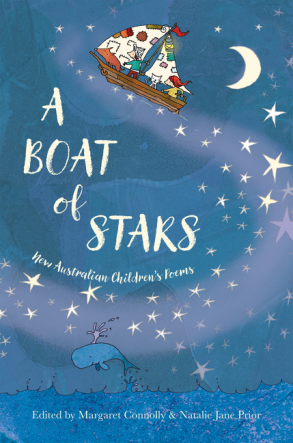
Delighted to announce that I’m one of the authors included in a gorgeous new poetry anthology for children, A Boat of Stars, edited by Margaret Connolly and Natalie Jane Prior, which is coming out with Harper Collins in February 2018. At left is the gorgeous cover, with illustration by Stephen Michael King. I am thrilled that no less than seven of my poems were accepted for the anthology! And I am doubly thrilled that my poems will be illustrated by some of Australia’s most fantastic illustrators. Very exciting indeed! You can read more about the book on the Harper Collins website. 

Another lovely review for Two Rainbows

I was delighted to read another lovely and perceptive review of Two Rainbows this morning. It’s on The Bottom Shelf blog.

Here’s an extract:

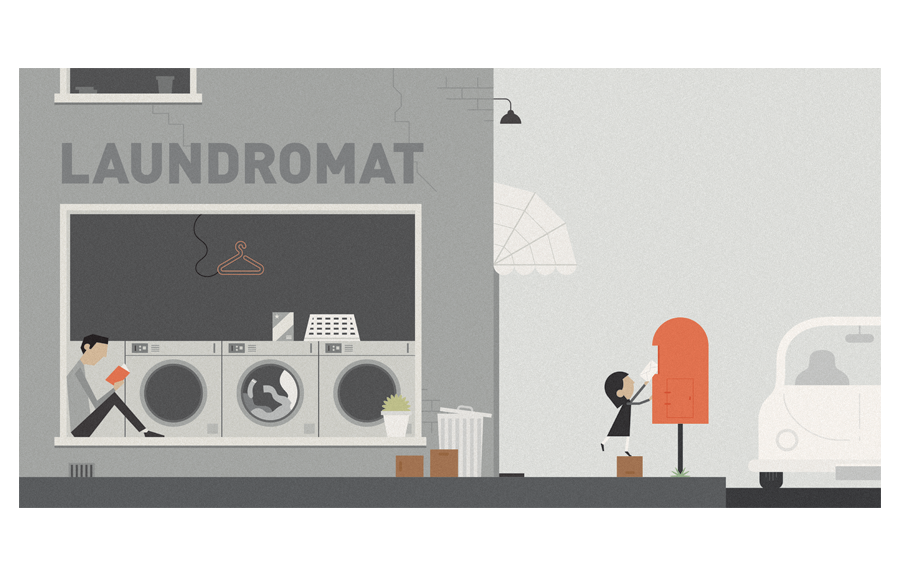
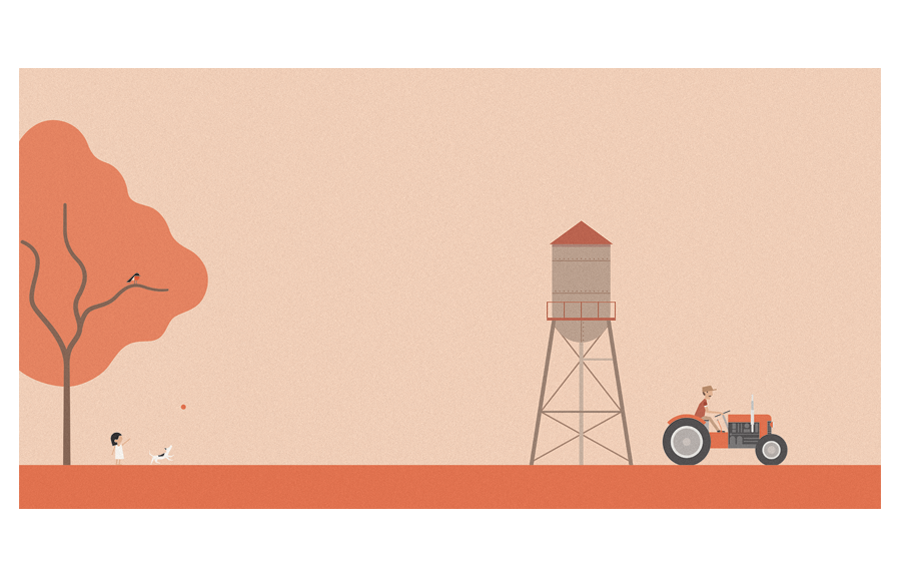
This story is a marriage of text and illustration, each interdependent as they should be in quality picture books.  At first the little girl sees only the rainbow, even though there are other spots of colour around her, as she thinks nostalgically of the colours of the country but as she starts to see more of her environment, so too the colours in the pictures increase although the city remains grey and the country bathed in light. And as her thoughts slowly attune to the city environment she begins to see more objects, different from the farm but perhaps with something to offer as she peers over the blue fence and sees a treehouse with a rope ladder and maybe a friend.

You can read the whole review here. 

A unique book contract signing

L to R: Michelle, me, Peter

L to R: Michelle, me, Kathy


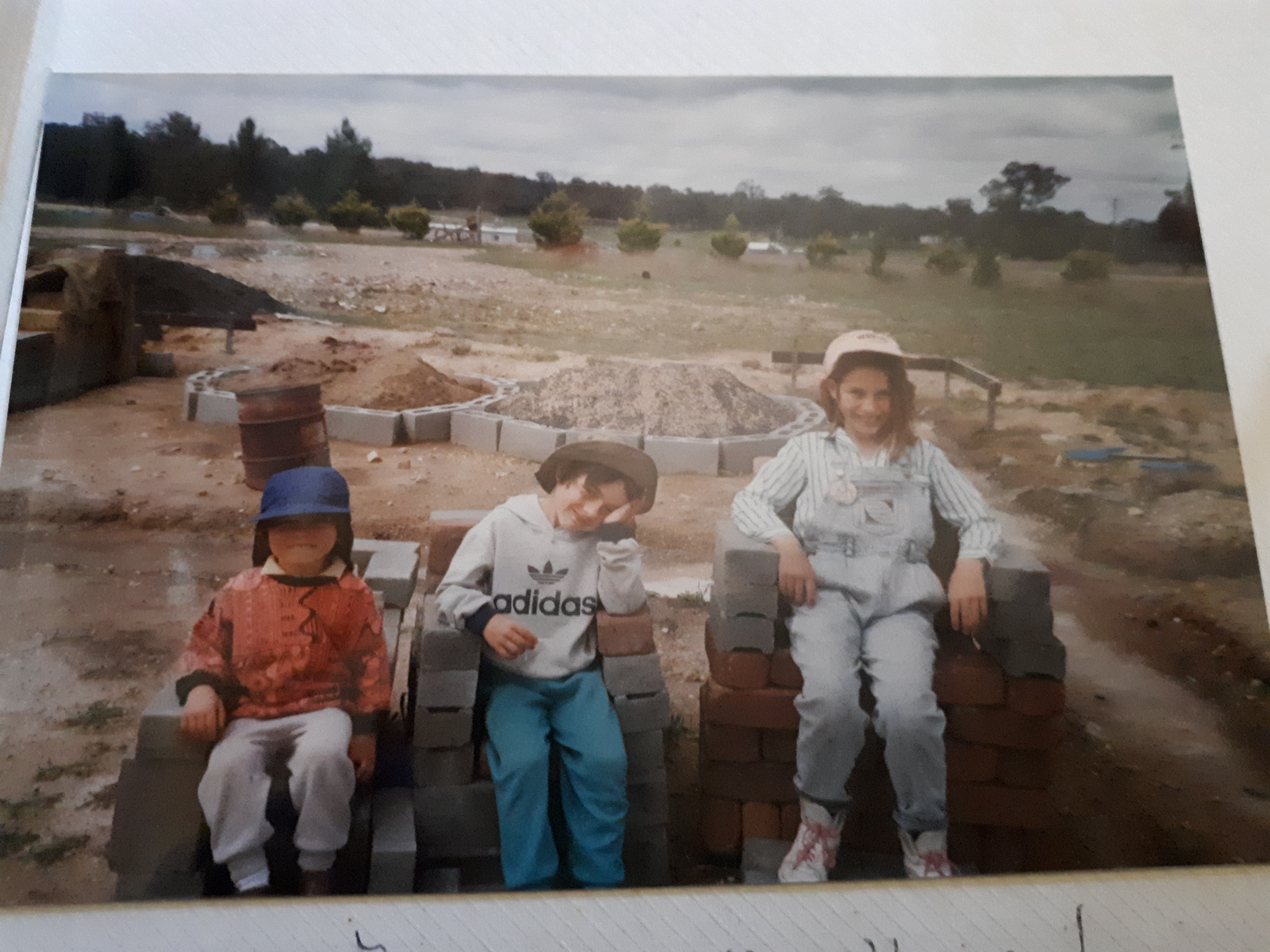
Yesterday I had the great pleasure of signing a new picture book contract in a lovely, unique and totally relevant venue: our fabulous local independent bookshop, Reader’s Companion. Kathy and Peter Creamer of locally-based children’s publisher Little Pink Dog Books suggested the venue for signing the contract for A House of Mud, a text inspired by our family experience of building our mudbrick house years ago, and which I have long dreamed might become a picture book one day: a dream which will become a reality next year! The book will be illustrated by Kathy herself, who is also illustrating another of my texts, See Monkey. It was a great occasion, with Michelle Wheatley of Reader’s Companion there as delighted witness to what is the first step in a process which will eventually see the book arrive on her shelves!

A House of Mud is told from a child’s perspective, based very much on the fact that our three children, Pippa, Xavier and Bevis, enthusiastically took part in the experience of building, paddling in the mud and making small bricks themselves!


Lisa Bigelow on her debut novel, We That Are Left

Today it is my great pleasure to welcome writer Lisa Bigelow to Feathers of the Firebird as part of her blog tour for her debut novel, We That are Left. Set in World War Two, and inspired by family history, it is a moving portrayal of the impact of war beyond the armed forces. In this guest post, Lisa writes about the lived reality of history.

Keeping history alive

by Lisa Bigelow

Blue willow china, lemon delicious and floral carpet; history isn’t just about war and famous people in funny costumes. History is in the great aunt’s lounge room that you visited as a child, that time capsule of tin toys and steamed puddings and jewellery that held memories of lost loves and departed siblings. Reaching back into those memories brings a treasure trove of detail to a writer’s storytelling.

As a child of the seventies, I was becoming aware of my surroundings just thirty years after the end of the second world war. When you think of thirty years back from now, you land in the mid-nineteen eighties era of shoulder pads and Michael Jackson’s Thriller album. It doesn’t seem so long ago, does it? So it was surprisingly easy to imagine some aspects of houses and shops and streets in Melbourne and out in the country, during the war.

Having lost my grandfather on the HMAS Sydney II in 1941, I personally felt the weight of responsibility to accurately portray events in the story of this tragedy. Only a few facts were blurred such as the timing of Harry’s final shore leave and sighting of the decoy target off WA. Rather than adopting the old journalism maxim, “never let the truth stand in the way of a good story”, I feel that the truth enhanced this story, along with a dusting of period detail to transport readers to their not so distant past.

We That Are Left by Lisa Bigelow is published by Allen & Unwin, RRP $29.99, available now.

More about the book:

Melbourne, 1941. Headstrong young Mae meets and falls head over heels in love with Harry Parker, a dashing naval engineer. After a whirlwind courtship they marry and Mae is heavily pregnant when she hears that Harry has just received his dream posting to HMAS Sydney. Just after Mae becomes a mother, she learns Harry’s ship is missing.

Meanwhile, Grace Fowler is battling prejudice to become a reporter on the afternoon daily newspaper, The Tribune, while waiting for word on whether her journalist boyfriend Phil Taylor, captured during the fall of Singapore, is still alive.

Surrounded by their friends and families, Mae and Grace struggle to keep hope alive in the face of hardship and despair. Then Mae’s neighbour and Grace’s boss Sam Barton tells Mae about a rumour that the Japanese have towed the damaged ship to Singapore and taken the crew prisoner. Mae’s life is changed forever as she focuses her efforts on willing her husband home.

Set in inner Melbourne and rural Victoria, We That Are Left is a moving and haunting novel about love and war, the terrifyingly thin line between happiness and tragedy, and how servicemen and women are not the only lives lost when tragedy strikes during war.

More about the author:

Lisa Bigelow’s life revolves around story-telling. An avid reader from age five, her career as a journalist and communicator has been all building and delivering compelling stories about water resources, climate change and any issue that interests her audiences. She recently completed a Masters Degree in Communication and aims to use her writing to illuminate ongoing issues and make them accessible to a wide readership. We That Are Left is her first novel.

Get in touch with Lisa!


A poem to celebrate an exceptional wattle season..

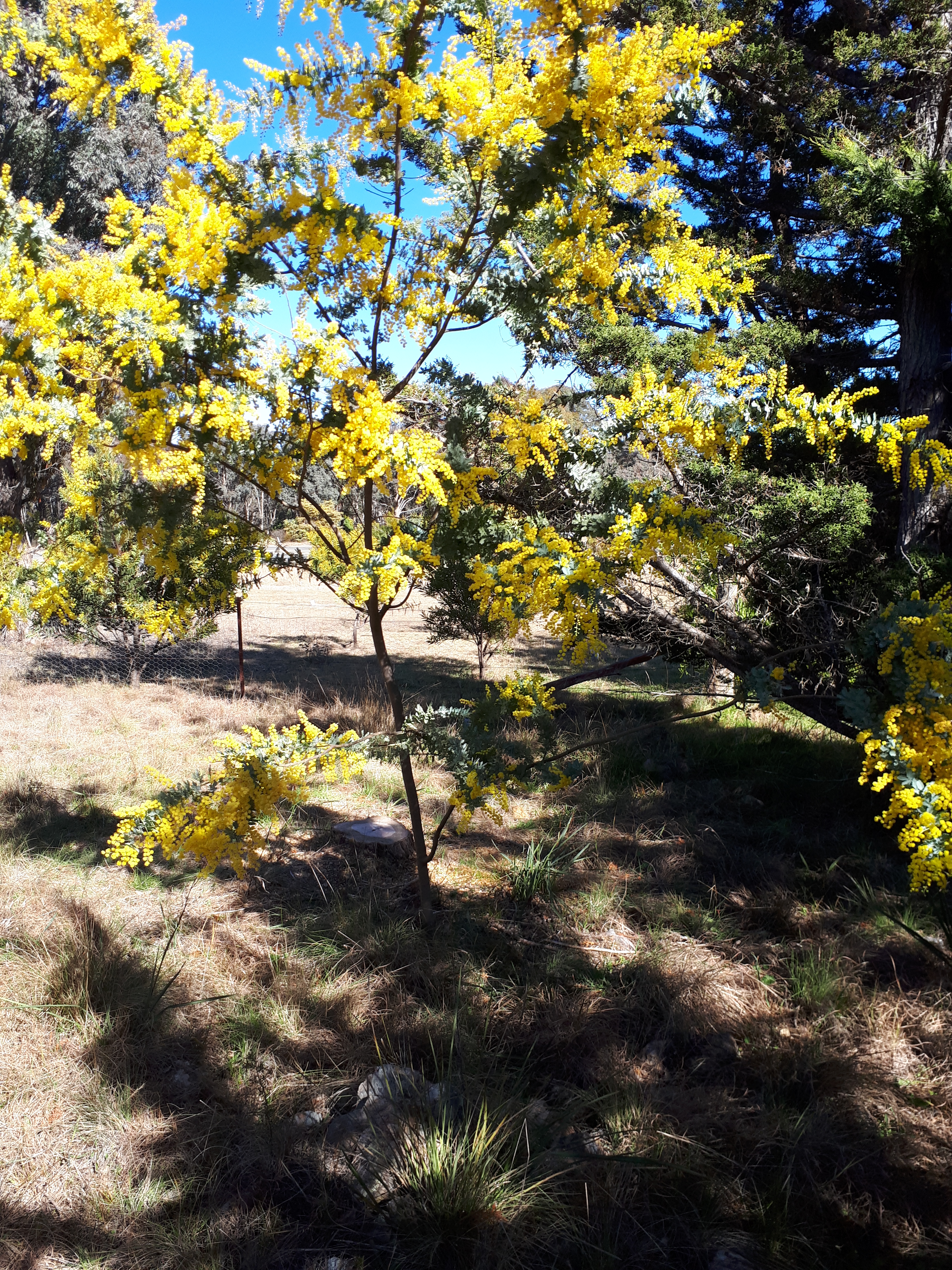
A poem I wrote a couple of years ago for everyone who loves that amazing yellow beauty…and this year, I’m republishing it to celebrate a truly exceptional year in the wattle stakes!

Wattle blooming

Sudden bursts of gold,

Sweeping colour bold,

By rivers, by roads, in country and town,

In farms and gardens, the wattle’s the crown.


Of the end of the winter, beginning of spring,

The blooming of wattle will sing and sing

Of birds in their nests and the warm days to hand,

For the wattle is blooming across the land.


Sophie Masson


Interview with Bob Topp of Read Me A Story, Ink

A couple of years ago, I received an email from the US with an intriguing request: would I agree to allow two of my stories originally published back in the 90’s–Cry Wolf, published in the Omnibus Books anthology, Amazing, and The Clever Thief, published in Cricket Magazine–to be included in an index of great read-aloud stories on a website specifically designed for the purpose? Both made excellent read-alouds in schools, bookseller and reader Bob Topp told me, inviting me to check out his website, Read Me A Story, Ink. After visiting this very impressive website, I was more than happy to agree–it’s a fabulous resource and I was glad my stories would be included in it–and as five-star reads, what’s more! Recently, Bob’s been in touch again regarding new developments, and acquiring another couple of my stories (The Magic Carpet, and The Old Woman and the Imp) for the site. Of course I was happy to agree once more–and also thought readers might like to know more about Bob and his fantastic site, which does so much to encourage the joys of reading great stories aloud. It’s a great interview–read on!

Bob, your wonderful website, Read Me A Story, Ink (and what a great name!) is obviously a labour of love. Can you tell me about how and when it started? What gave you the idea?

I started reading in Bergen Elementary School in our home town of Evergreen, Colorado when our older son, Harrison, was in second grade. His class was doing a unit on frontier America and we had just finished reading a children’s biography of American legend Davy Crockett at home. I offered to come and read a chapter to the class and soon found myself reading weekly. The next year, I started with our younger son’s class as well. After they both moved on to middle school – they are now 28 and 30 – a few of their teachers asked me if I would like to continue, so I began visiting a few classes once a month. At that interval, there wasn’t the continuity or time for chapter books so I started to collect short stories. After a few years and enough anthologies, I realized I couldn’t remember what story was in which book so I created an index for my own use. When the index reached six or seven hundred entries, it occurred to me that it would make a useful tool for parents and teachers and a friend helped me design a rudimentary website. Over the years the site has grown in numerous directions. I added recommended reading lists, printable stories, both public domain and for which I had the author’s permission, links to other great children’s sites and most recently I have started recording some of the stories. The core index is now over 1500 records and I estimate that I have read eight to ten thousand short stories.

How does the site work? What has it achieved so far, and what are your goals for it for the future?

My designer and I have tried to keep the site simple and very user friendly. Each record on the index includes a plot summary, age level, subject category and the source where I found the story. If there is a printable or audio version there are tabs beneath the record inviting the user to print or listen to the story. Also, if the author has a website, there is a link to that site so that the user can find out more about the author and what else she or he has written. The index can be searched by category, author or keyword making it easy to find appropriate stories for the user’s needs. Recommended reading lists and links to other children’s sites are all easily accessible. At the moment I don’t foresee any different intent for readmeastoryink.com, just a constant expansion of resources as I discover new stories and contact more authors.

What has the response been like, both from children and schools, and from writers whose stories are listed?

Response has been very positive from all quarters. Parents have mentioned that they use the recommended reading lists while teachers gravitate towards the printable stories. In one thank you letter from a fifth grader, she wrote, “ as I am writing this letter, we are listening to one of Mr. Topp’s stories.”  A function on the site’s administrative panel allows me to view the IP addresses of people, bots or institutions who have viewed the site and frequently the IP address is a school district. Authors seem appreciative of having their stories available and, write to say that they enjoy the recordings of their stories as well. I can also access information on how many times a specific story has been “viewed” on the web in a month. Most stories have been clicked on between one and two hundred times each month. Unfortunately there is no way to know if those views are individuals, school districts or bots that are simply out there roaming the web universe.

How do you choose stories which will be good for reading aloud? What are you looking for, in a story?

I choose approximately one out of every six or seven stories that I read. The first and most important criterion is whether I like the story. If I like it, that enjoyment will translate in the reading aloud and in most cases the kids will like it as well, though I have been amused over the years to note the difference between reading to myself and reading aloud. Occasionally stories that I love fall flat when read aloud for inexplicable reasons while stories that I hesitate to read become all time favorites when I read them aloud. I also tailor the story to the grade. I read 30 minutes to third graders and 45 minutes to fifth graders with the stories frequently chosen by theme for the month (ie., Holidays, Black History Month, Women’s History Month and always, Dragons for November). Ultimately I can’t escape my own biases which are in the direction of positive stories with at least one character who can be a role model. Humor also creeps into many of the stories that I read.

You are now, with writers’ full permission, making stories available both in print form and in audio form as read-aloud. What has been the response to that?

Without a doubt the printable stories page is the most visited page on the site. I assume this is because both parents and teachers are finding readily available material for reading aloud or as suggested reading to their children or students. Authors, parents and friends have all given me positive feedback on the recordings but since there are far fewer recordings than stories that are available to print, they haven’t gained the same traction.

Do you still go into schools yourself to read aloud?

Yes! I currently read to 14 classes, first through fifth grades, and have no plans to stop. I begin reading for the new year in a few weeks and I am already getting excited about what to read first and mulling over what new stories I have discovered and what month of the year would be best for their first reading.

Are you interested in hearing from writers about stories that might be suitable for Read Me A Story, Ink?

That is a very difficult question for me and one that I have frequently contemplated. As it is right now, I read a story that I like and ask the author’s permission to make it available. If I started receiving short stories that I hadn’t read, I would be in the position of having to reject some – something for which my personality is not suited. I do currently offer two previously unpublished stories that were offered to me and I have to admit that I am very proud to make them available. So, I guess the answer to your question is an unequivocal yes and no 🙂

Great review of Once Upon An ABC at Publishers’ Weekly (US)

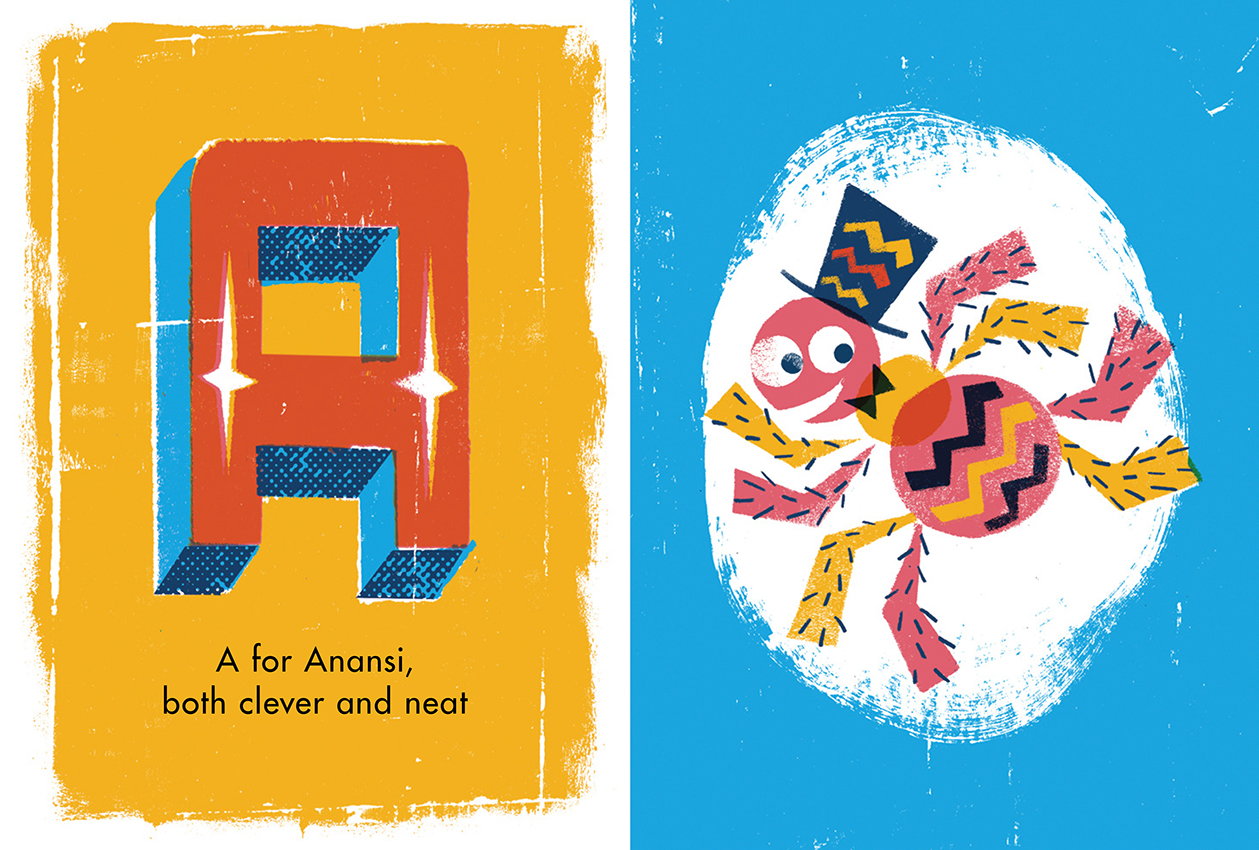
Ahead of its release in the US in September, there’s a great review of my and Christopher Nielsen’s picture book, Once Upon an ABC(Little Hare) in Publishers’ Weekly. Here’s a short extract:

Oblique references to folk and fairy tale characters carry readers through the alphabet in this sprightly rhyming picture book. Beginning with Anansi the spider, “both clever and neat,” Masson name-checks specific characters (“C is for Cat, wearing elegant boots”) and describes more general figures (“D is for dragon, safeguarding his loot”). Textured with scratches and speckles and given a muted primary color scheme, Nielsen’s mixed-media images have a sturdy, posterlike presence.

The full review is here.