In the latest in this blog series, Yvonne Low is presenting her book discovery of the year.
Book talk
2017 Book Discovery 4: Catherine Wright’s pick
Today, Catherine Wright tells us about her book discovery of 2017.
Alf Laylah wa Laylah (Tales of 1001 Arabian Nights)
As someone admittedly susceptible to the allure of all things exotic and especially Middle Eastern by nature, this collection of stories has been in my sights for some years. When the librarian showed me the size of each of the three volumes, I nearly lost my nerve and retreated to something less exhausting to hold up. How glad I am that I didn’t!
The stories of Scheherazade in their full glory (beyond the Disney-fied ones of Sindbad and Aladdin) are as mysteriously compelling and evocative as the hype would have it (I am reading the wonderful 2008 Penguin translation by Malcolm and Ursula Lyons). Not only are there the expected sumptuous scenes laden with precious gems, beautiful men and languid-eyed women bedecked in gorgeous silks and scented with musk and ambergris (which do not disappoint), but the nature of the storytelling is entrancing and quite hypnotic in it’s own right.
The indefatigably inventive Scheherazade stays her execution by her vengeful lover-king night after night with tales of tricksy djinns and the very human peccadilloes of its protagonists, interspersed with Rumi-like swatches of poetry and philosophy. No story is completed by the break of dawn, thus delaying her death for another day.
Nothing is linear in the experience of reading this text, with even minor characters telling stories within the main stories, so readers find themselves slipping deliciously down a narrative rabbit-hole, with each twist and turn more fascinating and lush than the last one in what feels a little like the opening of a sequence of Russian dolls. Although the exact provenance of these stories is still contested, it certainly feels very different to the Occidental, somewhat more logic-oriented style of narrative, which can seem a bit peely-wally by comparison. And these stories are unapologetically sensuous, sometimes startling with the very direct sexiness of the action and language.
The only thing that can stick in the craw about this (allegedly) medieval string of tales, is the regular description of women as scheming and untrustworthy (while the poor men are simply at their mercy) but, of course, this spin is not confined to Muslim or Arab stories (cf. Eve, the stories of Lilith and beyond…).
If you can put this to one side, Alf Laylah wa Laylah is a wild and glorious ride which often makes me catch my breath with its wisdom, insight, storytelling virtuosity and sheer beauty. Build up your biceps and give it a shot!
Catherine Wright was born in New England to a pioneering pastoral family, recently returning to live there after many years away. Her prose and poetry have been published in literary journals, installations and anthologies, as well as winning or being shortlisted for several awards, and a picture book of hers was produced for BBC Television CBeebies(Australia). She has been awarded a Varuna Residential Fellowship for 2018.
2017 Book Discovery, 3: Elizabeth Hale’s pick
Today, it’s the turn of Elizabeth Hale to write about her book discovery of 2017.
I’ve made a number of lovely rediscoveries this year, including Susan Cooper’s Over Sea, Under Stone, about three children who become enmeshed a chase to find Arthurian objects, while on a family holiday in Cornwall. It’s full of fascinating characters (the seemingly benign housekeeper Mrs Palk is my favourite), and gorgeous scenery, and an allusion to the Helston Furry Dance, which I’d heard of many times but not really looked up. I spent a happy evening watching youtube clips of the Helston Furry (eg https://www.youtube.com/watch?v=qNdo6wT9Ers), and it brought back memories of reading all sorts of mid-century British fiction in which folk dances, mummers, and other mystical happenings feature.
2017 Book Discovery 2: Kathy Creamer’s pick
Kathy Creamer is writing about her 2017 book discovery today.
Cider with Rosie by Laurie Lee
It was a world full of glass, sparkling and motionless. Vapours had frozen all over the trees and transformed them into confections of sugar. Everything was rigid, locked-up and sealed, and when we breathed the air it smelt like needles and stabbed our nostrils and made us sneeze.
I first discovered Cider with Rosie when I was fourteen, and I was immediately hypnotized by the glorious visions that Laurie Lee’s deliciously descriptive language created in my mind. Through his words, I can go back to the Cotswolds, re-enter childhood and remember the taste of snowflakes on my tongue, glimpse the shimmering icicles that once hung down from thatched roofs, smell the enticing spices of Christmas and touch the gentle face of my long departed grandmother.
I’ve read all of Laurie Lee’s other works, As I walked Out One Midsummer Morning, A Moment of War, I Can’t Stay Long, Village Christmas, and most of his poetry, but Cider with Rosie has remained one of my favourites, a feast for the senses, and it’s a place I like to go to for comfort. I’ve never been without a copy. This Christmas I shall be re-reading, and remembering that long ago, there was once a place as sweet and intoxicating as apple cider.
Kathy Creamer is an illustrator and writer whose work has appeared in numerous books, in Australia and overseas. Most recently, she has illustrated the new edition of Max Fatchen’s A Pocketful of Rhymes(Second Look, 2017) and her work has also appeared in the anthologies A Toy Christmas(Christmas Press, 2016) and A Christmas Menagerie(Christmas Press,2017).
2017 Book Discovery 1: Natalie Jane Prior’s pick
Today, Natalie Jane Prior is writing about her book discovery of 2017.
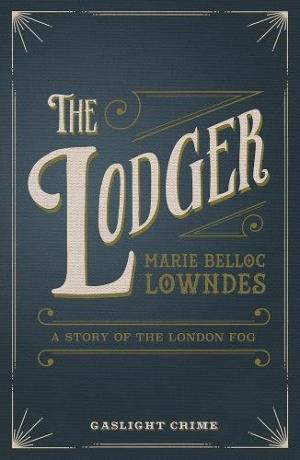
The Lodger, by Marie Belloc Lowndes, 1913.
I’d never heard of this book, or its author for that matter, but a passing reference in something else I was reading piqued my interest enough for me to download the ebook.
Mr and Mrs Bunting are at the end of their resources. Middle-aged former servants, their London lodging house has failed, and they have been reduced to surviving on furtive trips the pawnshop, when miraculously, a new lodger arrives and takes all four empty rooms in the house. Mr Sleuth is a gentleman of quiet habits, much given to Bible reading, an educated person who needs the space for his unspecified scientific “experiments”. Best of all, he pays his account regularly in gold sovereigns.
Of course, it’s all too good to be true. Mr Sleuth may be quiet, but he also has a habit of creeping out of the house in the middle of the night, and he does strange things like turning all Mrs Bunting’s chocolate box pictures of ladies to face the wall (so their eyes don’t follow him around). There is also the matter of sinister little bag he arrived with, his only luggage, which so mysteriously disappears soon after his arrival, and the horrible smelling smoke he creates in the kitchen in the early hours of the morning. It doesn’t take long for the Buntings to start suspecting there may be a link between their perfect lodger, and the Avenger, perpetrator of the string of horrific murders of women that is currently terrifying London.
While Marie Belloc Lowndes has loosely based her story on the Ripper murders of a generation before, The Lodger is surprisingly bloodless. It’s a psychological parlour piece, taking place almost entirely in the claustrophobic setting of the Buntings’ sitting room, bedroom and kitchen, in which first the wife, and then the husband move from relief and delight in their good fortune to unease, concern, suspicion, fear and finally, guilt and complicity. For underlying everything is the Buntings’ own vulnerability as respectable working class people with limited resources. The failure of their lodging house has pushed them to the very brink. They’ve stared the poorhouse in the face. Where will they find themselves, if they’re revealed to have harboured a monster?
It’s easy to see why this scenario attracted a young Alfred Hitchcock; he evidently made a silent film based on the book. I remain mystified, however, that The Lodger is not better known. I sat up until the small hours reading it, and my first reaction was to wonder why, when there are books like this about, anyone would bother reading modern period crime fiction. Not only because the novel itself is so good, but because a modern author, relying on research and bringing contemporary prejudices to the exercise, could not hope to get the nuances that are so effortlessly reproduced here. For example, one can immediately see why Buntings have failed to get lodgers just from the description of the furniture and interior decoration. They’ve taken a house in a “better” part of town to attract a “better” class of lodger, but the ugly secondhand Victorian furniture Mrs Bunting has filled it with (both because she can afford it, and because it will last—which indeed it does, because I’ve got a houseful of it) would clearly have been a total turnoff to her prospective clientele. Then there’s the Buntings’ precarious situation. Mr Bunting was a middle aged butler who married a middle aged maid. How could a modern author possibly latch onto the fact that their options are limited because positions in service for married couples are invariably for a manservant and cook?
The Lodger is available as an ebook in the Gaslight Crime series. I hope lovers of crime fiction are tempted to give it a go; it deserves to be better known.
(Note from Sophie: it’s also available as a paperback online)
Natalie Jane Prior is the author of many books, and is best known for the Lily Quench series, which has half a million copies in print around the world. Her most recent titles are the picture book Lucy’s Book and the picture story book The Fairy Dancers: Dancing Days, both illustrated by longtime collaborator, Cheryl Orsini.
2017 Book Discovery: introduction to a new blog series
Today’s the start of a new series featuring the reading picks of writers and illustrators: their book discovery of 2017. It can be a new book out this year, or an older one discovered for the first time, or an old favourite re-read and re-discovered. And in the introduction today, I’m featuring a book I hadn’t read since childhood, but which I re-discovered, in a new edition, after this year visiting the place where it was actually set: the place which is so much more than a setting in the book, but is a character in its own right. Having been there now, I understand exactly why that is.
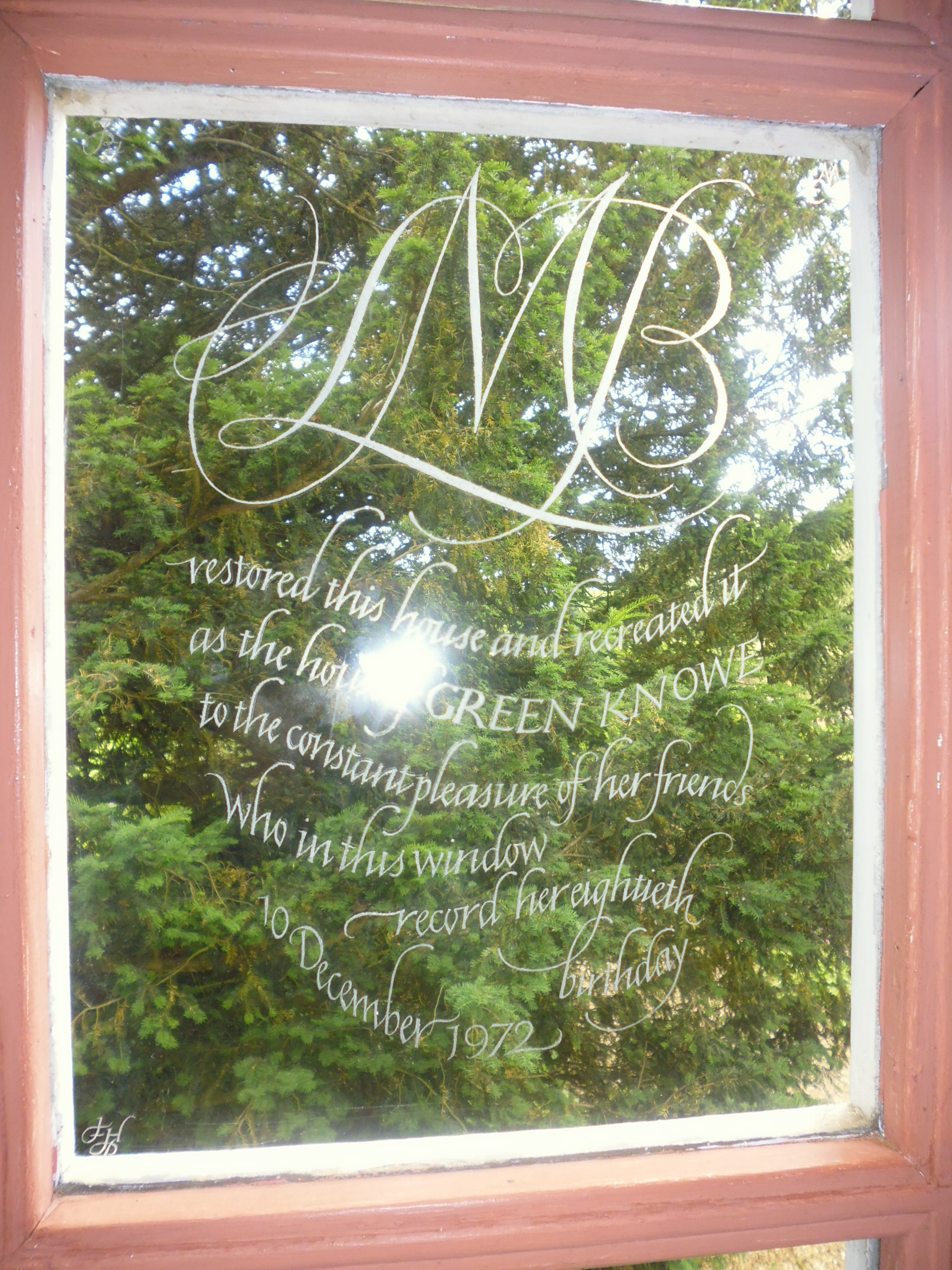
The name of the book? It’s The Children of Green Knowe, by Lucy M.Boston. And the name of the place? It’s the Manor at Hemingford Grey in Cambridgeshire. I always remembered reading that book with its dramatic wintry opening in the middle of floods and snow as seven year old Tolly, whose parents are overseas, arrives to stay for Christmas with his great-grandmother Mrs Oldknow at Green Knowe, the ancient family home. And there he gets to know and love his great-grandmother, the ancient, friendly, extraordinary house and the secret life of its ghostly inhabitants, the children of Green Knowe who lived there through the centuries and who are there still.
There was nothing frightening about this evocation of a haunted house; instead it was enchanting, comforting and beautiful. I took to it immediately as a child not only because it’s very well-written and engaging and vivid but also because I think unconsciously it reminded me of our own ancient house in rural France, with its haunted yet warm atmosphere. Getting there for a holiday was always so exciting and I could totally identify with Tolly’s feelings. The book stuck in my head all those years because of it, but I had no idea that Lucy Boston had written it around an actual place.
It was when we were staying in Cambridge for a month this year that my friend and fellow writer Adèle Geras, who lives in Cambridge, told me about the house. So one beautiful June day we set off for
Hemingford Grey and there, in that 900 year old house–the oldest continually inhabited house in Britain, apparently!–the book I’d loved came to life again in the most magical way. There, right there, was what Tolly had seen when he arrived that wild winter’s night, what he’d found when he explored that extraordinary house from top to bottom, what he’d seen when he looked out of the window at the glorious garden(though, granted, it was summer when we were there, not winter–but the Green Knowe series continued for another 5 books, and the summer garden certainly appeared in them.) Lucy Boston’s imagination had, it seemed, made visible what was there in those ancient stones, waiting to be evoked. And the fact that not only had her son Peter created the charming illustrations for the books on the spot as it were, but that his widow Diana still lived there and acted as tour guide for the pilgrims who came to the house, added to the wonder of it all. The strange thing was though that of all the people in the motley group Diana took around that day, we were the only ones who’d come for Green Knowe, for Lucy Boston the writer: all the others, mostly Americans, had come for Lucy Boston the patchwork artist! Her patchworks were famous it
appeared…as famous as her books. At first it was disconcerting to me–and then I remembered Mrs Oldknow making patchwork by the fire and thought how extraordinarily apt it all was–a patchwork book of stories about a patchwork house whose elements from different centuries did not jar but worked as a harmonious whole..
I bought a new edition of the book from Diana at the Manor shop, as well as a couple of other books in the series. She told me that though the first two were still in print, the others had fallen out of print and so she’d taken the step of republishing them herself, and they sold ‘like hot cakes’. Back at our Cambridge flat, I re-read The Children of Green Knowe, and found its re-discovery deepened enormously by the experience I’d just had. Yet the original enchantment remained too. True reading magic indeed.
(I’m not the only one who loves this book; see this lovely review in The Guardian.)
The creation of Building Site zoo, part two: the illustrations
I
n Part Two, here’s Laura Wood’s great post about how she went about creating the visual world of Building Site Zoo. And it includes samples of her roughs, storyboard, and work as it developed–thanks so much for sharing them with us, Laura!
Creating the illustrations for Building Site Zoo, by Laura Wood
The first time I read Sophie’s manuscript, I thought it was one of the most original picture books I was ever asked to illustrate.
I knew it would have been a fun text to bring to life but also quite challenging… which is always a good thing! I knew it would be hard for me to draw all those buildings and machines, since it’s not something I’m very used to!
Anyway, it didn’t take me long to decide to accept the challenge.
The first things publishers want to see are always the main characters of the story, so I started from there. The story doesn’t say explicitly who the characters are, which I personally love, since it gives me a lot of freedom to play around. I decided to go for brother, sister and grandpa.
After that, I started doing lot of research about cityscapes, buildings and machines before sketching ideas for the storyboard. I knew I needed to becoming familiar with the shapes of the machinery before getting the ideas out.
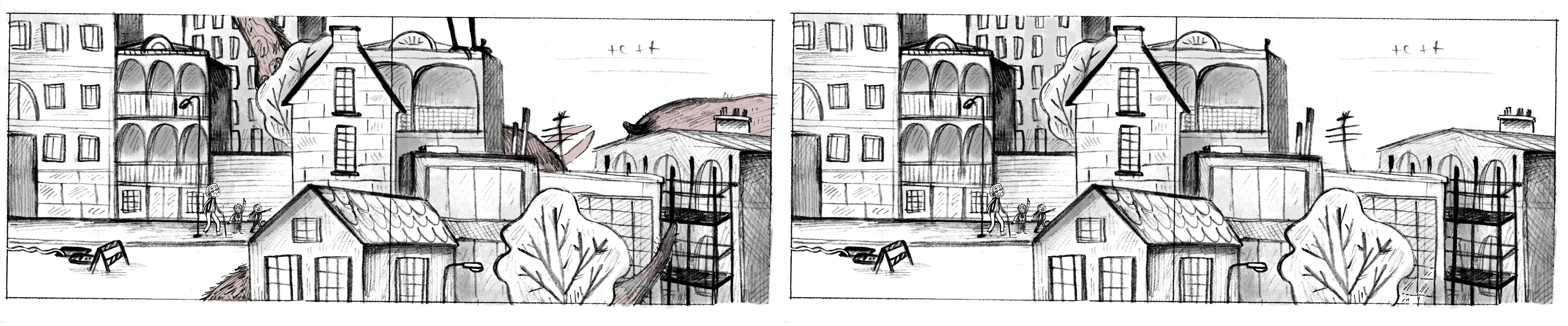
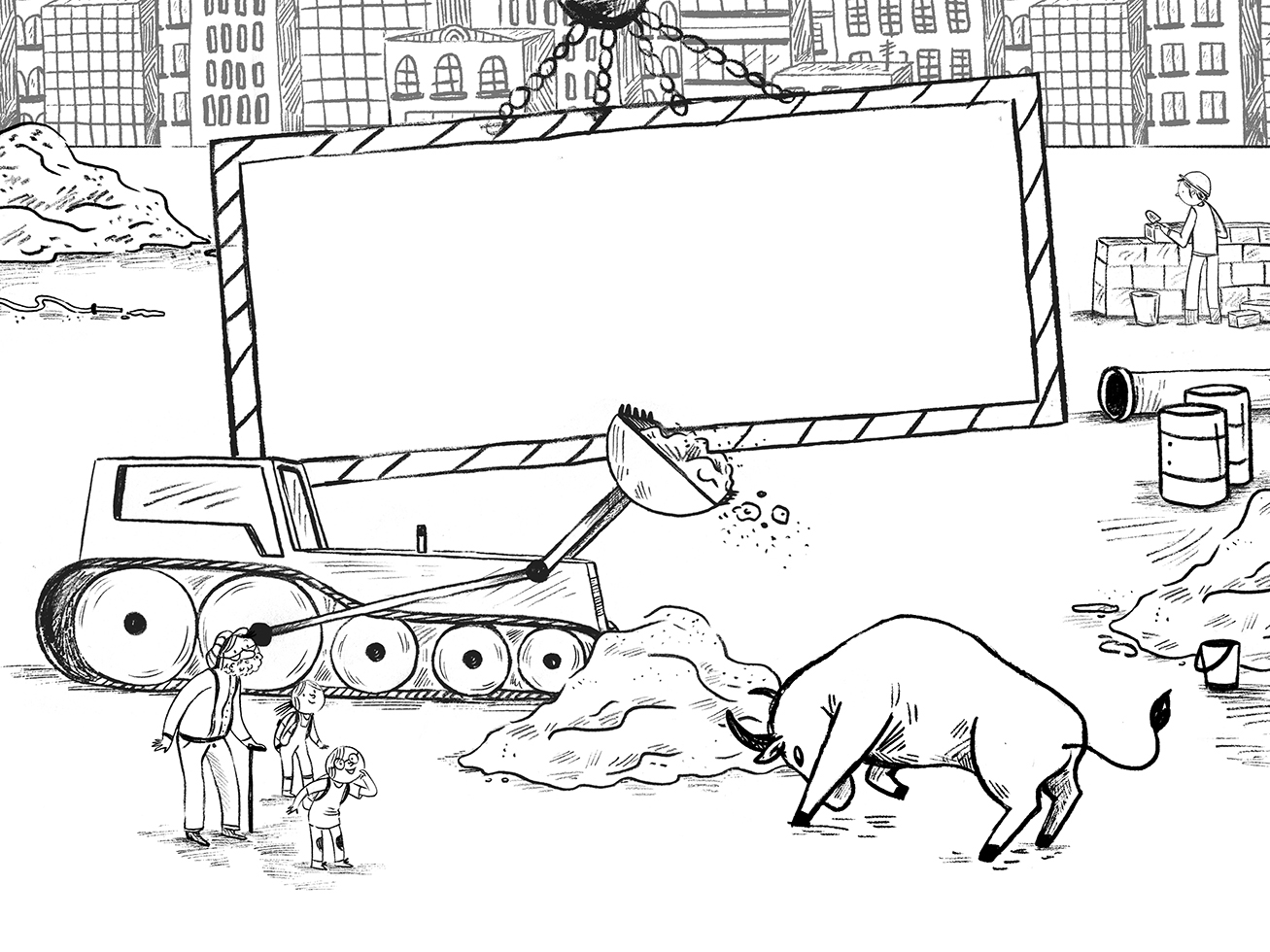
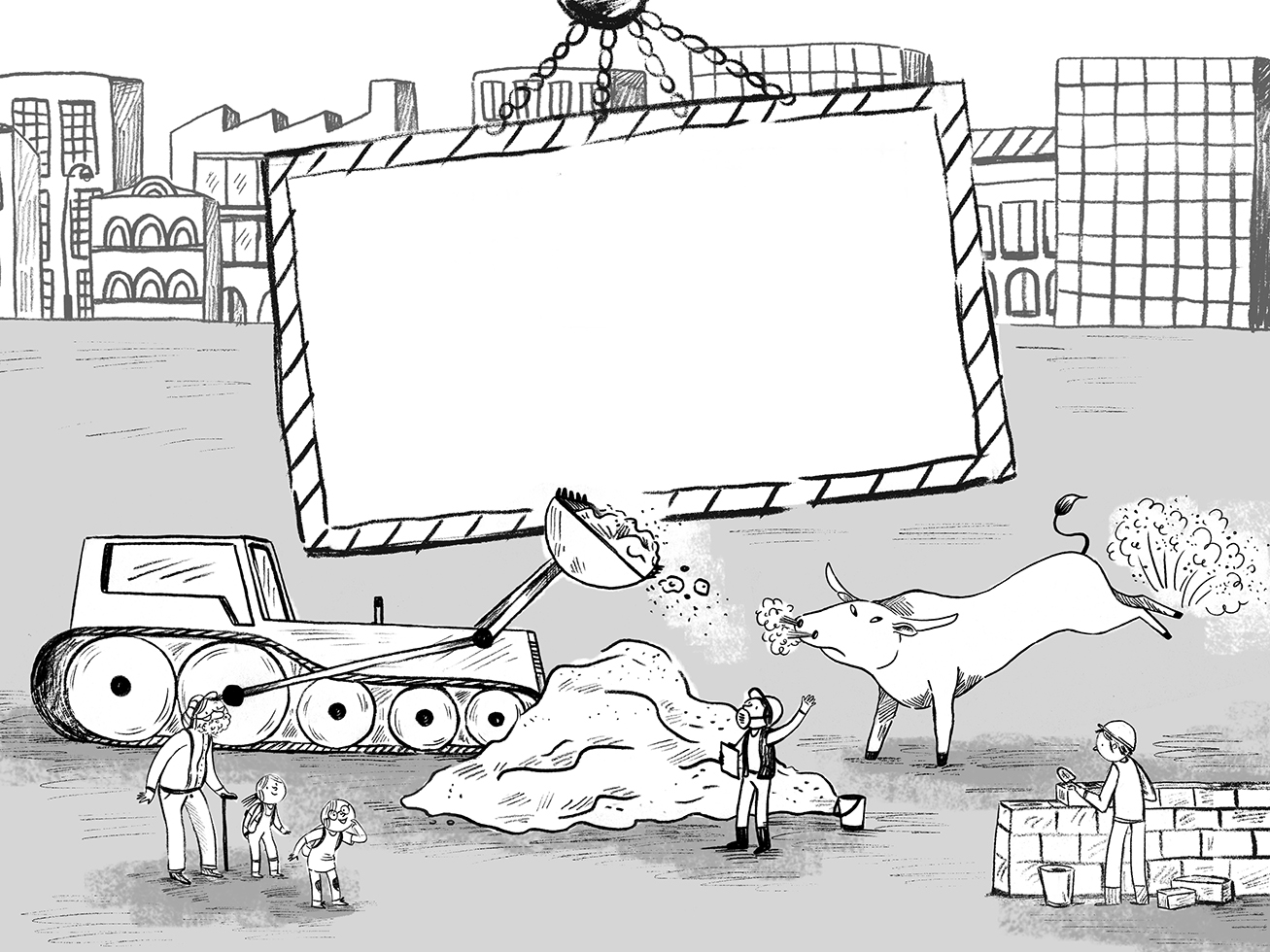
The idea I finally came out with was to approach the whole book, as a dual reality kind of thing: basically having two very similar spreads, the first one with the animal – the world made up by the kids – and the second one with the corresponding machine – the real world. This way, I thought the reader could make a connection easily between the text, the animals and the machinery in action. Mmm… I think written down sounds more complicated than it is, anyway here are some early storyboard sketches.
Some more storyboard sketches. As you can see, spreads developed and changed.
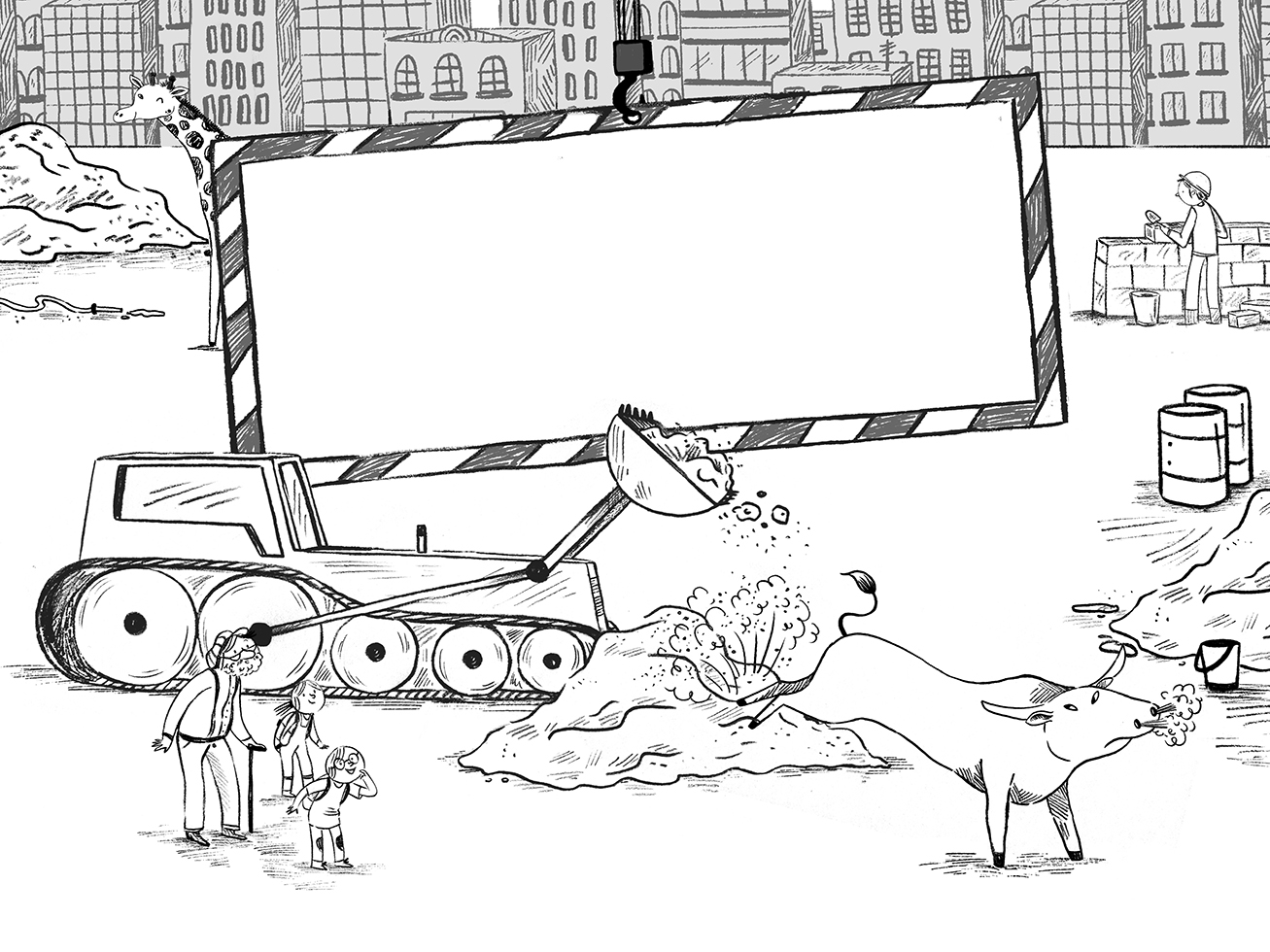
Once all the spreads have been approved by the publisher, I work on the final lines. For this book in particular, since there were a lot of overlapping elements on each spread, I preferred to draw some of the elements separately (background, animals, machines, characters, etc…) and put everything together in the computer.
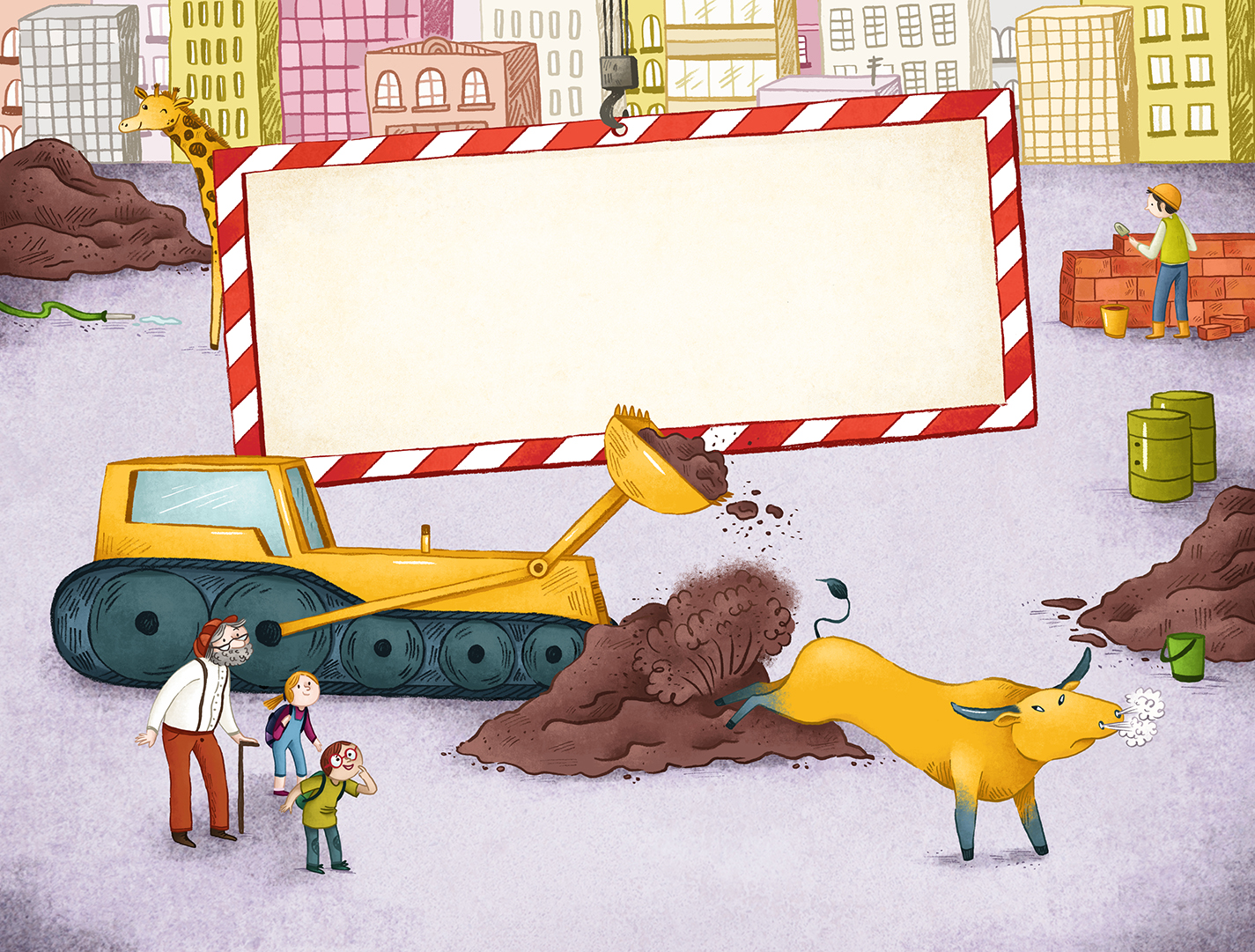
I then proceed to colour everything. Once the internal spreads are coloured, the cover is always the last thing that gets done.
There were lots of different elements I wanted to fit in this particular cover, so I tried a few ideas but it took me quite a while to get the composition working…
The creation of Building Site Zoo, part one: the text
This month, Building Site Zoo, my picture book with the wonderful illustrator Laura Wood, is published by Hachette Australia, and to celebrate we thought we’d tell you about how the book came about and what the process was like for both the text and visual narratives. In Part One, I talk about the genesis of the text and how it developed, and in Part Two Laura will describe her process, in both words and pictures of course! Hope you enjoy reading both!
The text, by Sophie Masson
It so happened that one day in late 2014, I was in Sydney, in Ultimo, in fact, having just gone to an ASA meeting. I was sitting by myself having a cup of coffee in a quadrangle near the ASA office, and happened to look up at the cranes high above: that spot is very close to UTS where new buildings were under construction at the time. A line suddenly popped into my head: The cranes are fishing up in the sky…As soon as it did, I knew I had something. Cranes could be birds as well as machines, so in that vein I started to think about other machines that could also be seen as animals. So I pulled out the latest incarnation of the cheap little notebook I always carry in my bag, and started scribbling lines down. ‘Building site zoo,’ the title, came almost straight away, but the full lines took quite a lot of to-ing and fro-ing and crossing-out and rewriting.
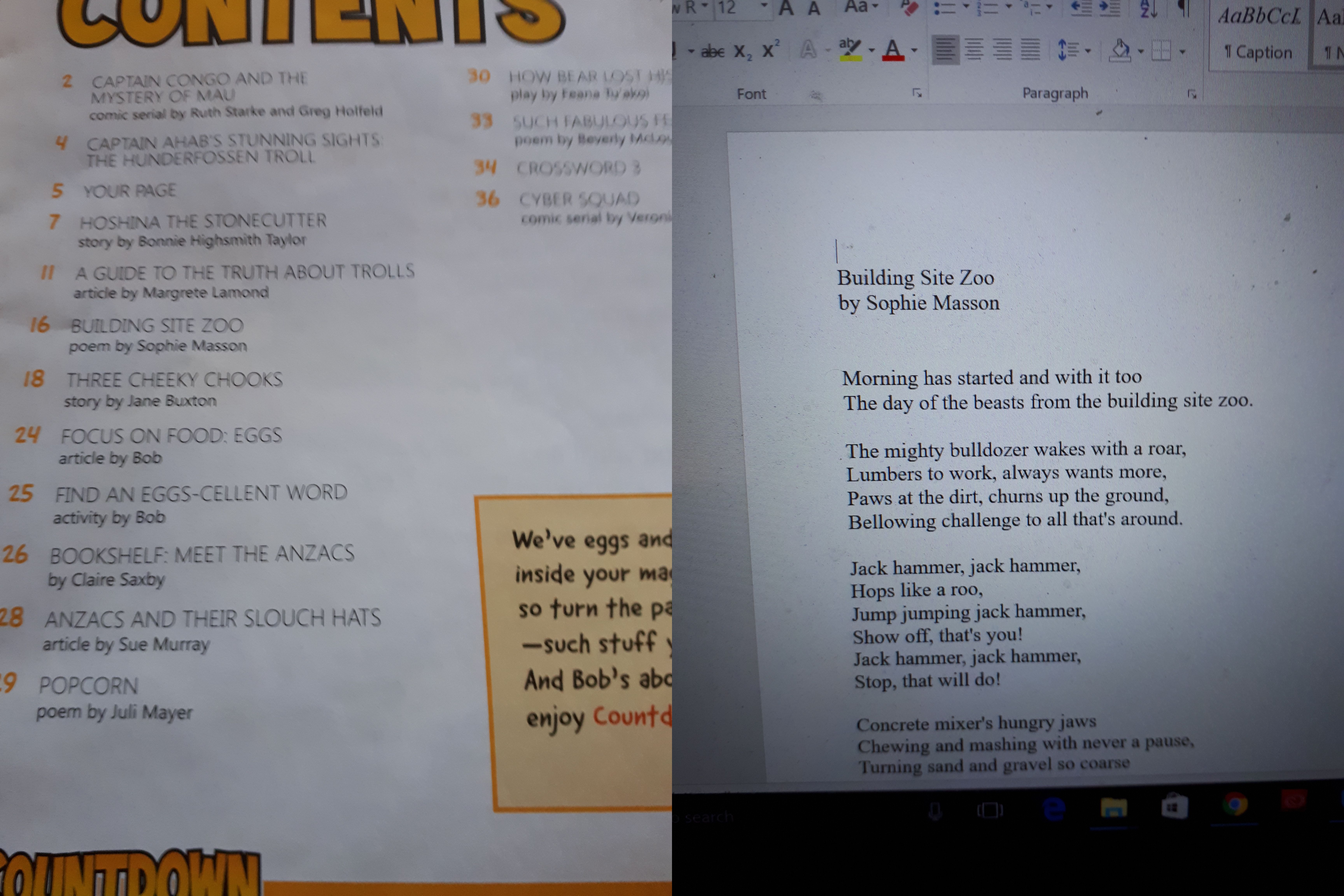
My initial thought with Building Site Zoo was that it would make a great poem, so that’s what I worked on, when I was back home. I then sent it off to The School Magazine–to my delight it was accepted and published in the April 2015 Countdown issue.
By then, I’d started getting picture book texts accepted–Once Upon An ABC and Two Rainbows--both of whom had started as poems(in the case of Two Rainbows, two poems!) so I began to think about Building Site Zoo and how it might work as a picture book text. I spoke to my wonderful agent Margaret Connolly about it, whose ideas and suggestions are always incredibly helpful no matter what the literary project, AND who really understands picture books. We discussed how the text could be tweaked to make it more like a story and less like an impressionistic piece, which works well for a poem but not for a picture book–and yet leave the poetic central concept of the machine-animals intact. I went away and thought about it and worked on first the beginning, to introduce some characters–the child’s point of view was very important, because in fact that’s how I’d seen the whole thing from the beginning. I didn’t want to make the characters fixed: there would be a first-person point of view, but it would also encompass other family members, so it wasn’t just ‘I’ but ‘we’. So the new opening would start:
Every morning on our walk/ We see an amazing zoo/Full of the most amazing animals/Come and see them too!
I would also identify each machine-animal, not as part of the text, but as indicators for editor and illustrator: so the bulldozer’s a bull, the jackhammer a kangaroo, the concrete mixer a hippo, etc.
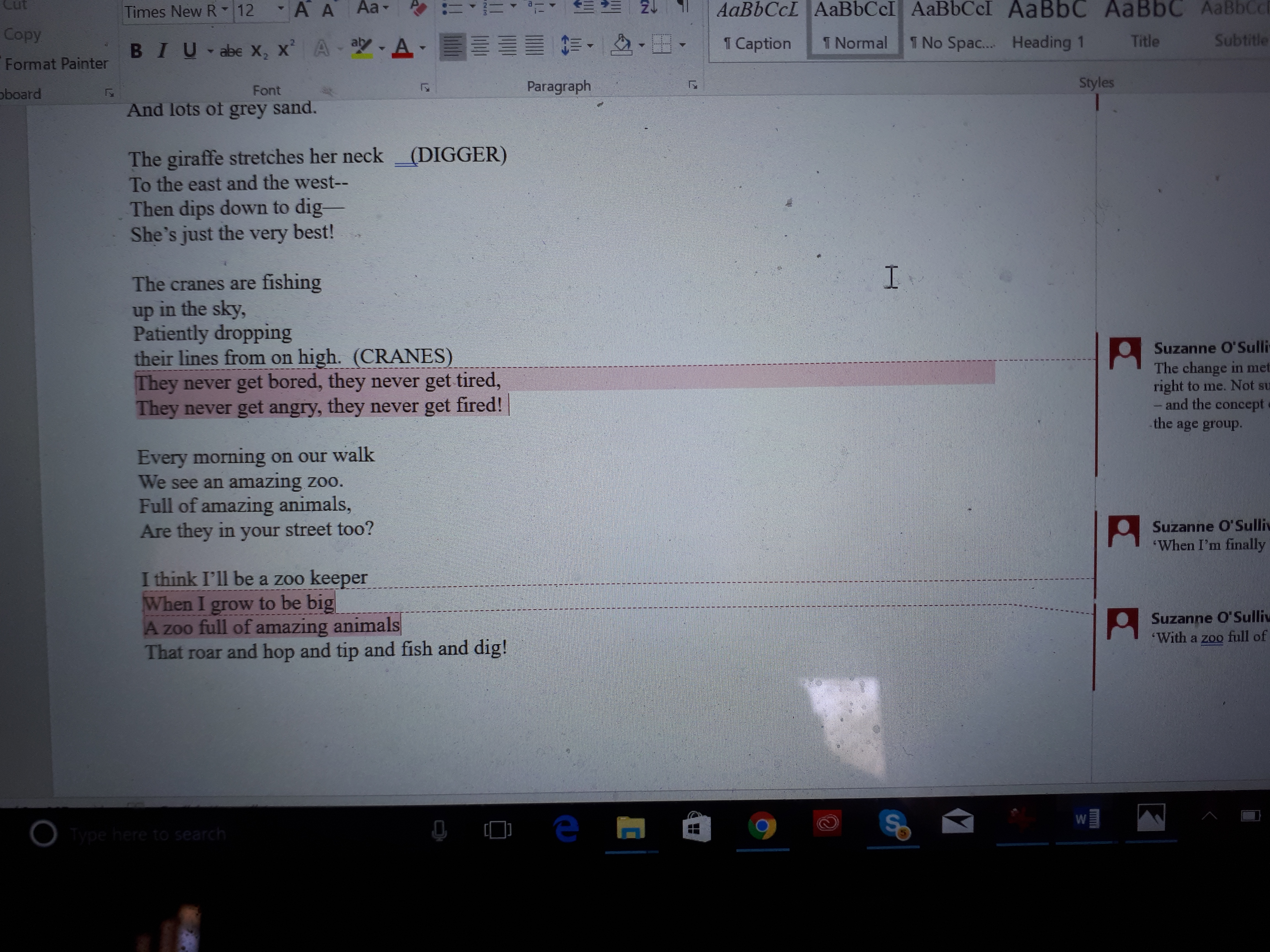
Margaret loved the new revised text and sent it off on its rounds to publishers in late 2015. And in April 2016, she emailed me to say Suzanne O’Sullivan at Hachette Australia really liked the text but had a few suggestions for minor changes. These related mainly to tweaking a word or two, but the biggest change was in dropping some lines from that stanza that had started everything off, about the cranes fishing! She felt there was a change in metre which didn’t work, and that the concept of ‘firing’ also didn’t work for the age group. Looking at it, I could see just what she meant, so I dropped those two lines.
After revising the text, I sent it back–and in June 2016, it was accepted for publication. I was of course thrilled! And even more delighted when Suzanne confirmed that the illustrator would be the wonderful Laura Wood! It was so exciting to see her roughs, and the progress on the visual narrative as it went on, and she added all kinds of fabulous details and so beautifully fleshed out the characters whom I had deliberately left undescribed. I never get over that extraordinary pleasure, of seeing my text expanded and transformed by the illustrations, producing a true creative collaboration which is immensely exciting and satisfying.
The editing of the text didn’t end there of course–with great suggestions from Hachette editor Tom Bailey-Smith and Suzanne, more words were tweaked, an extra stanza was added at the beginning, and the ending you see above was dropped in favour of a simpler and more satisfyingly cyclical one, bringing it nicely back to the beginning.
Every morning on our walk/we see an amazing zoo/full of astonishing animals/Are they in your street too?
And here too, before inviting you to turn to Part Two in which Laura talks about her creation of the illustrations, I’d like to thank and pay tribute to the publishing team at Hachette and the fabulous designer Ingrid Kwong. What a beautiful book we have all produced!
Read on!
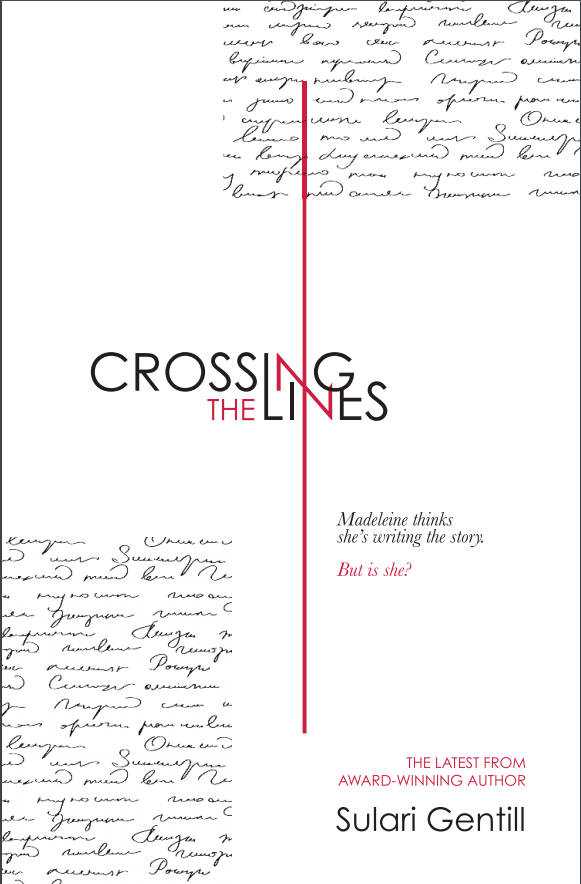
Crossing the Lines: interview with Sulari Gentill
Last Friday, I published my interview with Anthony Horowitz about his brilliant crime novel/metafiction, The Word is Murder. Today I’m interviewing Sulari Gentill about her equally brilliant crime novel/metafiction, Crossing the Lines. Well-known for her popular Rowland Sinclair series of detective mysteries set in the 1930’s, Sulari has broken new ground with this novel. It feels like wonderful serendipity to me, that two such gifted authors should have created these bold new explorations of the writing experience and creative process, within the tight, gripping framework of a great crime story.
First of all, Sulari, congratulations on Crossing the Lines, a brilliant and inventive work which works really well both as a gripping crime novel and as highly effective metafiction. How did the idea first come to you?
Thank you, so much Sophie.
This was one those ideas that grew out of idle speculation.
I’ve always allowed myself the indulgence of believing in my characters when it suited me. It makes the act of writing less lonely in a way. I’ve always known that I played close to the line between imagination and delusion. Interestingly, it’s this aspect of my process (if you can call it a process) that I am most asked about at festivals etc. I’ve found myself speaking often about the “the line” between imagination and delusion, confessing to those times I’ve ventured a toe across it. I suspect it’s a game that both writers and readers play to greater and lesser extents.
I do wonder what Rowland Sinclair thinks of me. Does he like me? Would he read my books? Does he find me unnecessarily sadistic? I do, after all, visit all sorts of pain and trouble upon the poor man… and yet I feel he trusts me; that we’re working together. I can help but think about what it would be like to be him, to have the circumstances of my existence controlled by someone else’s narrative.
Of course it’s a writer’s practice to extrapolate, to take things to their natural end, and so I have on occasion found myself pondering what would happen if I crossed the line completely, if I allowed the people I made up to take over, if I permitted them to control my life as much as I do theirs.
And somewhere from the midst these muddled musings came the story of Madeleine and Ned, who write each other and entwine the lines of their stories and their lives.
You use a very interesting and unusual narrative process, by switching back and forth between Madeleine and Edward, sometimes even within the same paragraph, which further blurs the boundaries between them–crosses the lines, in fact!–yet never becomes confusing. How did you go about doing that?
I wanted to echo the way my mind works when I write, the way in which the novel’s voice both merges with and takes over from mine—sometimes in the midst of a sentence or a thought. I wanted to reflect that fluidity but also maintain the individuality of both voices. To be honest, I thought it would be a great deal more difficult that it was. I wrote this novel as I do all my novels, without a plot or plan of any sort and I wasn’t really consciously doing anything in particular.
The novel is written in third person, and the voice tends to change at a point when Maddie and Ned have the same thought or disagree, which is, I think, why the transition is smooth and not confusing. Again, I didn’t do this consciously when I was writing – the changes were instinctive and responsive to the narrative rhythm, but, in hindsight, I see that those pivot points occurred when Ned and Maddie engage directly with each other. For a moment, at these places in the narrative, the reader’s mind is in the head of both Ned and Maddie, allowing them to move seamlessly from one point of view to the other without jarring.
You play with literary concepts and conceits–such as the ‘lines’ between genre fiction and literary fiction–with great deftness, and Crossing the Lines can be seen as a riposte to that artificial boundary-setting. Can you expand a little on that?
My reputation in Australia is primarily as a crime writer. It’s a genre I love and respect, not just because it engages the reader in a tale of peril and intrigue, but also for its ability to hold a mirror up to society, to make social commentary in a way that is subtle and incidental but, for that, no less insightful. The crime novel, at its finest, has many layers; it talks about the worst and best of humanity, about fear and courage, discrimination and justice. And yet there seems to be a line, in this country particularly, that arbitrarily divides genre from literary fiction with the implication that literary fiction is somehow inherently worthy and, conversely, genre is not. To me, the line is an artificial prejudice and whether or not a novel has worth has scant to do with its genre. With Madeleine being a crime writer and Ned a literary novelist, it seemed natural that they would have this conversation.
In the novel, you have mixed aspects of your own lived and literary experience with cameo appearances by other literary figures–such as respected author and director of Writers Victoria Angela Savage–and completely fictional elements to create a disconcerting–and fun!–hybrid narrative. Can you tell us about how you juggled all those different elements?
Whilst her circumstances sound familiar, Madeleine is not me and Crossing the Lines is a novel, not a memoir. In writing this book, I wanted to concentrate on Madeleine’s inner world and so I gave her an outer world that I knew—one that’s very similar to my own. A familiar baseline from which I could extrapolate. It’s not something I’ve ever done before, but for this book which is all about crossing those lines between reality and imagination, it was right.
It also seemed right for a novel about crossing existential lines to allow real people from my own life to play a part in the novel (also not something I’ve really done before). Angela Savage, the character, is Madeleine’s dear friend and trusted colleague—the real Angela is that to me. My old friend and confidant, Leith Henry is cast as both Ned’s and Maddie’s agent. I felt like she anchored the three of our worlds (Ned’s, Maddie’s and mine) together.
To be honest, it felt more like weaving than juggling.
Crossing the Lines is a very different kind of book to your other crime fiction, the very popular Rowland Sinclair detective series, set in 1930’s Sydney. What was the experience of writing it like, compared to those?
In many ways the experience was similar—intense and immersive. But for the first time I was writing without a scaffolding of history, and I was writing a story that was quite internal. It didn’t deal with larger issues of political movements and social justice. Everything in this novel looked in rather than out. I do remember feeling quite lonely when I wrote this book in a way that I’m not when I write Rowland. I suspect it’s because I didn’t have as direct a link to Ned and Maddie as I do Rowland. I am Rowland’s writer, so he speaks to me. Ned and Maddie were each other’s writers—I just eavesdropped on what they said to and felt about each other. I do realise I sound quite mad. Sorry. Sometimes it’s difficult to explain the way my mind works without sounding at least a little insane.
I’ve heard you speak at events where you have said you don’t like to look too closely at your own creative process in case it withers the magic. Yet in Crossing the Lines you have performed another act of magic: incarnating the creative process in the story of Madeleine and Edward. I can imagine it must have felt spooky at times! How did you focus on that aspect of the novel without becoming too self-conscious?
I just tried to be as honest as I could about the experience of writing as I understand it. I think Crossing the Lines works because it doesn’t try to forensically analyse and explain the magic, simply to recreate it. I did get self-conscious once the novel was written…I panicked that it would be read as a memoir rather than a fiction. I even tried to talk Pantera out of wanting to publish it because it made me feel exposed and awkward. I think I might to the only writer ever to tell a publisher, “All right, you can read it if you really insist, but I promise you’ll hate it…” Fortunately, despite my best efforts, I didn’t manage to dissuade them.
While I was actually writing though, self-consciousness was not a problem. I tend to lose myself when I write, I stop being so aware of me. It’s just all about the story. I don’t get embarrassed till later.
How have readers responded to the book?
Pantera tells me CTL is selling much better than they had expected (but I’m not sure what that really means – maybe their expectations were low 😮 ). I’ve had some lovely messages from readers, especially readers who are writers, and it’s received some glowing reviews. It’s doing well on Goodreads, but while some people really love it, there are a few who don’t get it at all (which I did expect – it’s not your standard crime novel) My US Publishers tell me they have very high hopes for this book… but again I’m not really sure what that means. People (including you) whose opinion I have come to really respect, have liked it. So I’m happy. I know that’s really vague but it’s really hard to know as a writer… at this early stage anyway.
Yours is the second new metafiction/crime fiction novel I’ve read this year–Anthony Horowitz’ The Word is Murder is the other–which brilliantly illuminates the creative process in a highly original way. There have been other earlier works which play with those elements, such as French author Guillaume Musso’s La fille de papier (Girl on Paper) and Stephen King’s novella Secret Window, Secret Garden(which was made into the film Secret Window) but though they are gripping mysteries, they both ultimately ‘explain’ the apparent boundary-crossing in a way that disappointed me as a reader(and writer). Not so with your book, and Anthony’s, which stay most satisfyingly within that narrative world. Can you expand on that, and why you decided not to explain?
As a historical fiction writer and a lawyer I’ve learned that what people think happened is as important to consequences as what may actually have happened. To me, what Ned and Madeleine believe is enough. The story is about them, their reality. I didn’t feel the need to rationalise it with any conspiracy or plot or illness etc. The story is purely about the lines that writers may be tempted to cross, and why doing so is both seductive and dangerous.
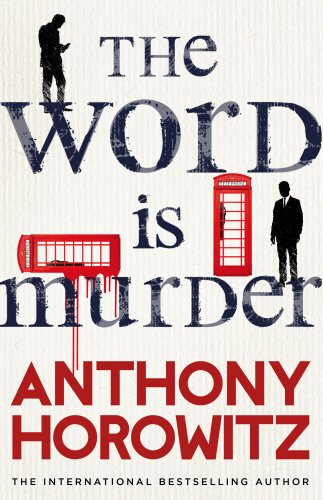
The Word is Murder: interview with Anthony Horowitz
Today, I am delighted to bring you my interview with the fantastic author Anthony Horowitz, about his latest novel, The Word is Murder. Anthony’s books, whether for adults or kids, are always gripping and elegantly written, but this one is particularly accomplished, a bold and brilliant tour de force that takes big risks with literary conventions and reader expectations, and pulls it all off triumphantly. It’s one of the most interesting and memorable novels I’ve read all year.
First of all, Anthony, congratulations on The Word is Murder, a daring and playful blend of metafiction and crime fiction. In Magpie Murders, your novel published last year, you use metafiction elements–such as a book within a book–but The Word is Murder goes a lot further. How did the idea first come to you?
Thank you for your kind words! TWIM (as we all know it) began when I met my new publisher, Random House, and they asked me to concentrate on a series of murder mysteries. My first thought was that I wanted to do something that would completely shake up the format. It wasn’t enough just to have a fat detective, a drunk detective, a Russian detective or whatever. I wondered if could alter the entire template so that we would look at the crime and the solution in a new way.
To be honest, the idea sort of fell into my lap as I was walking home from that initial meeting. Drop the author into the action. Take him off the mountain, as it were, and into the valley. Turn him into the sidekick. I knew at once it was what I wanted to write.
There are other novels in which the author has a walk-on part–such as for instance, Michel Houellebecq’s The Map and the Territory and Paul Auster’s A City of Glass–but yours is I think the first one I’ve read in which the author is both one of the main characters and the narrator, being bossed around by the other main (fictional) character! And yet, despite the extraordinary literary conceit and dazzling sleight of hand, the story never loses its narrative power and drive. What is it like to imagine yourself as a fictional character? How did you manage to juggle all the different elements, and what were the challenges along the way?
Again, you are very kind. I was quite nervous about putting myself center stage – and so, actually, were the publishers. I didn’t want the book to turn into an ego trip. But although I appear rather more than I would really like (I’ll take more of a back seat in future adventures) the book is more about my writing life rather than me personally – the focus is on Hawthorne!
When I was writing TWIM, I simply had to imagine that it was all really happening. Writers do this anyway, of course – but I had to consciously ignore the fact that I was making it up. The AH character is seldom named…and this helps me distance myself from him. You might think of him as an avatar. Yes he is me but he’s also my creation and what I think makes it fun is that Hawthorne is as much in control of him as I am!
In The Word is Murder, you incarnate the creative process through literal dialogue and interaction between the author and his characters, brilliantly illuminating the way in which writers conjure characters that feel not only real to them, but also the reader. The novel is deftly ironic yet never falls into the trap of over-signalling. How did you go about it without becoming too self-conscious?
I think I’ve answered this above. I’ve often said that writing is about immersion. I can only write Alex Rider if I totally believe in him…even when some of the action is quite fantastical. The same was absolutely true of TWIM. I had to imagine myself into it but then wrote with 100% belief.
How have readers been responding to TWIM? Do most people enter into the spirit of it, or are some people confused and think you are writing true crime(as the lady in Hay on Wye suggested in the book)?
I think it’s true to say that audiences have received TWIM more warmly than anything I’ve ever done. This is particularly true of the book blogs and the Amazon reviews. I’m really happy. People tell me that they’ve been Googling to find out what’s true and what isn’t (not that Google necessarily helps). And everyone seems to have grasped the concept.
Will there be more ‘true crime’ novels featuring the ‘real fictional’ Anthony Horowitz as the sidekick to detective Hawthorne?
Absolutely. One of the most enjoyable parts of the book (to write) was the realization that something had happened to Hawthorne when he was young. To some extent, I turn into a detective as I try to find out more. The idea is to write about nine or ten books in the series and gradually to work out the mystery of Hawthorne’s past. As I sit here now, I have a fairly good idea what that might be but I won’t know for sure until I get to the end.
Yours is the second new metafiction/crime fiction novel I’ve read this year–Sulari Gentill’s Crossing the Lines is the other–which brilliantly illuminates the creative process in a highly original way. There have been other earlier works which play with those elements, such as French author Guillaume Musso’s La fille de papier (Girl on Paper) and Stephen King’s novella Secret Window, Secret Garden(which was made into the film Secret Window) but though they are gripping psychological mysteries, they both ultimately ‘explain’ the apparent boundary-crossing in a way that disappointed me as a reader(and writer). Not so with your book, and Sulari’s, which stay most satisfyingly within that narrative world. Can you expand on that, and whether you think the crime fiction lens helps to make that more effective?
I don’t know these books and must check them out. I think the short answer to your question is that I don’t really perceive any boundaries between truth and fiction. In Magpie Murders there were three distinct worlds which related to each other like Russian dolls. There was the fake world of Saxby-on-Avon where the murders took place. There was the “real” (but actually fake) world of Alan Conway, the author of the murders. And although it was only hinted at, there was my own real world – with references to Crete, Orford, the Ivy Club and real people including the radio DJ, Simon Mayo and Agatha Christie’s grandson, Mathew Prichard. TWIM simply blends them all together so there is no distinction between me working on Foyle’s War, for example, and me being attacked by a psychotic killer. So the crime fiction is not so much a lens as a landscape!
Thank you for these extremely interesting and generous questions.
Thank you very much, Anthony!