
Guest post: Duncan Lay on the reality of fantasy

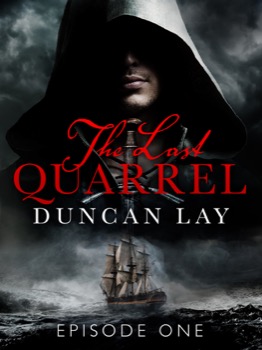
duncan lay Last-Quarrel-Episode-1_cover1An interview with legendary US fantasy author Raymond E Feist inspired Duncan Lay to begin writing fantasy. He is the author of two best-selling Australian fantasy series, the Dragon Sword Histories and the Empire Of Bones. He writes on the train, to and from his job as production editor of The Sunday Telegraph, Australia’s biggest-selling newspaper. He lives on the Central Coast of NSW with his wife and two children.

In this fabulous guest post, Duncan explores how he created the world of his new series, by inspiring himself from the real world.

When you begin to read a fantasy story, the author is asking you to put aside your disbelief when you crack open the front cover. What lies inside could include fantastical creatures, magic, non-human characters – really, it could be anything.
Personally I think fantasy is best when it comes with a layer of reality, as it gives the reader something to hold on to, something familiar to ground all the fantastic, amazing other things they are reading.
Part of that comes from the characters, making them as real as possible but I also think part of it needs to come from the world they are from.
I know that some authors lovingly construct a world from scratch and good on them, I say. Personally, I think that a touch of the real world in a fantasy story gives the reader something recognisable and allows them to more easily believe what else is happening.
In my new series, The Last Quarrel, there are two lands. Gaelland, which is based on Ireland and the Kotterman Empire, which is loosely based on the Ottoman (Turkish) Empire. In real life, these two countries had nothing to do with each other but this is fantasy, so anything can happen!
The beauty of basing your fantasy country on a real country is you instantly have no problem with character names. Those baby name websites not only offer you endless options but also helpfully say what the name means, which allows you to pick names that offer a hidden side to the character. Place names are also a breeze, although you can also mix those up a little so as not to represent actual places. Thus I have Lagway (Galway), Lunster (Munster), Meinster (Leinster), Londegal (Donegal) and so on.
Best of all, it allows you to learn from history. After all, people survived and thrived in those conditions, in that weather, through war, disease and famine. How they did it gives you an insight into how your characters might live, what they might wear and eat. It can influence their speech, their mannerisms and their history. Of course, being fantasy, you can pick and choose which aspects you keep and which you discard and replace with your own!
I loved the idea of Ireland for many reasons. The thought of a small, proud country that, through no fault of its own, is next to a larger more powerful one is obvious. How it deals with that larger country’s ambition is a matter of history. Ireland has a proud warrior tradition, its own songs and legends and a powerful national character. One of the main characters, Fallon, even uses the shillelagh, the traditional Irish fighting stick. Plus I was fascinated with the story of the sack of Baltimore, an Irish village that was stripped bare by Arab slavers. Putting the two together gave me a strong base for my story.
The Ottoman Empire also interested me. The way it was seen as the “sick man of Europe” during World War I, which led to the battle of Gallipoli and the forging of the Anzac legend, makes it instantly fascinating to anyone in Australia. The idea of a mishmash of an Empire, cobbled together from a variety of countries and held together by willpower and a steel fist, made it an obvious choice for me. Naturally there are heroes and villains on both sides!
History books are a great help with research but I also find books such as the Horrible Histories series are even more helpful, offering a really gritty view of life in different times.
And the best thing is, you can always mix and match things, as well as make them up if it comes to it. After all, it is fantasy and it only needs a little reality!

Duncan’s website: http://www.duncanlay.com/

Facebook: https://www.facebook.com/duncan.lay

Twitter: https://twitter.com/DuncanLay

About The Last Quarrel:

The Last Quarrel is a series in 5 episodes, the first of which came out on January 22, and further episodes will be released at fortnightly inteervals in February and March, with Episode 2 coming out this week! Keep an eye on Duncan’s Momentum page for more information as episodes are released.

Episode 1:(out now)

Gaelland is a nation gripped by fear.

In the country, fishing boats return with their crews mysteriously vanished, while farms are left empty, their owners gone into the night, meals still on the table. In the cities, children disappear from the streets or even out of their own beds. The King tells his people that it is the work of selkies, mythical creatures who can turn from seals into men and back again and witches. But no matter how many women he burns at the stake, the children are still being taken.

Fallon is a man who has always dreamed of being a hero. His wife Bridgit just wants to live in peace and quiet, and to escape the tragedies that have filled her life. His greatest wish and her worst nightmare are about to collide.

When an empty ship sails into their village, he begins to follow the trail towards the truth behind the evil stalking their land. But it is a journey that will take them both into a dark, dark place and nobody can tell them where it might end…

Episode2:

Prince Cavan is sure his younger brother, Swane, is behind the children going missing in the city. But his father refuses to listen and sends him away to investigate reports of selkies stealing people from the countryside. A furious Cavan fears this is part of a conspiracy. But then he meets Fallon, a simple country sergeant who has his own theories about the attacks on Gaelland. And what they cannot achieve apart, they must just do together …
Picture That, illustrators on food: 1: Trish Donald

Cross-posted from my food blog.

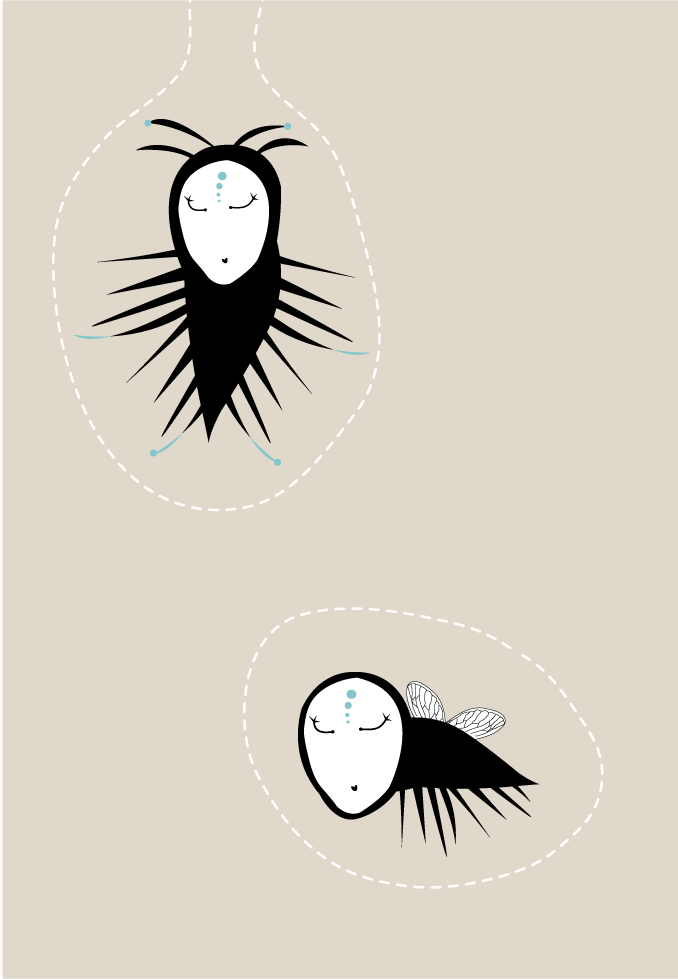
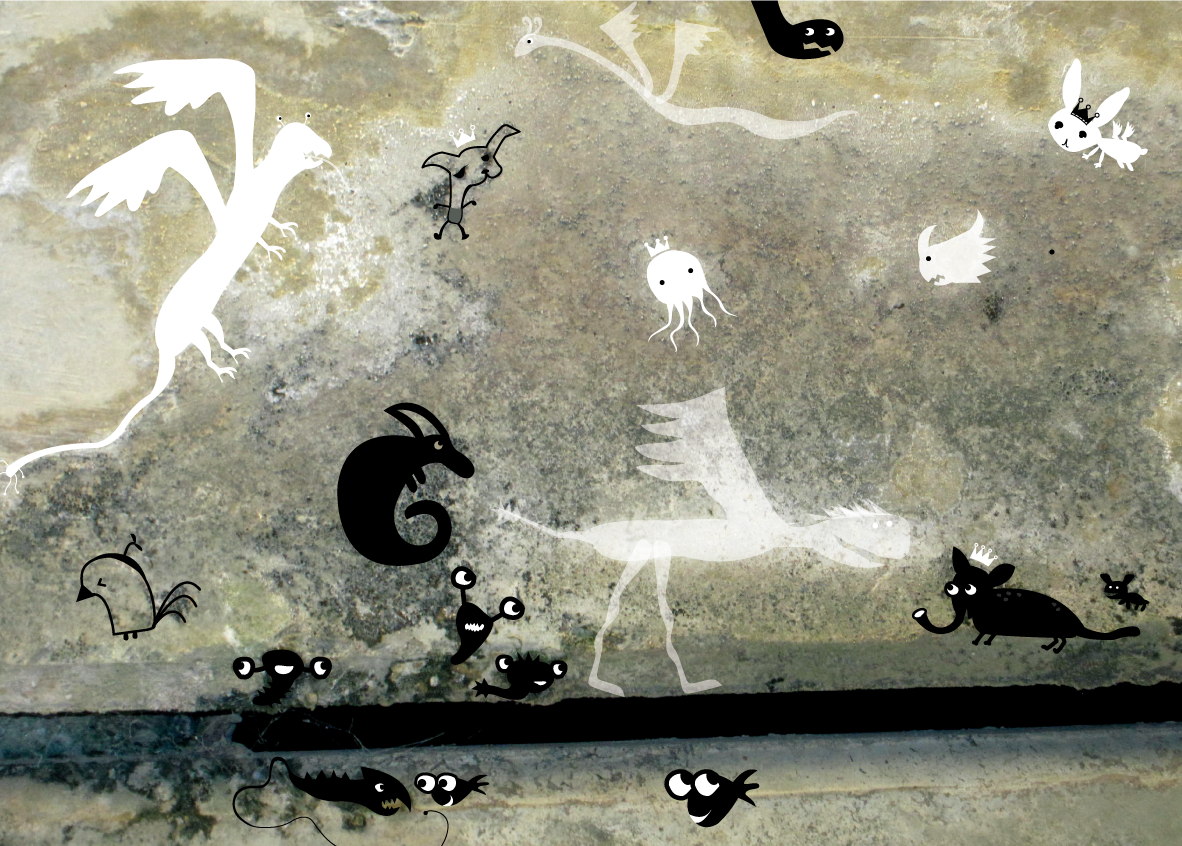
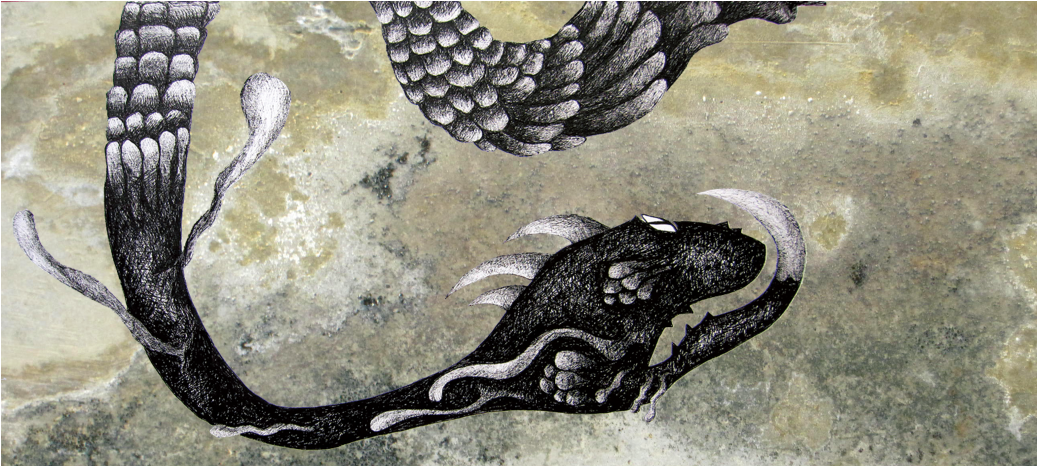
Cement_LIfe  A  couple of years ago, I ran a series featuring the favourite recipes of authors. This time, I’m inaugurating a new series, Picture That, which features illustrators talking about food and giving us a favourite recipe, but also showcasing favourite new illustrations. Picture That will be running from time to time over the next couple of months, but today is the first of the series, and it features the fabulous illustrator Trish Donald. Reptilicus


Trish usually paints landscapes using acrylics but in recent years she has been shifting focus toward character design where she likes to blend natural with digital medium. Her latest exhibition, in November 2014, contained works created through  a combination of pen drawings, collages, and digital drawings. Trish spent many years working as a graphic designer after which she spent 14 years teaching graphic design at TAFE. She currently works in Industry at the University of New England. Trish runs creative workshops at NERAM, in Armidale and the New England Writers’ Centre teaching others how to develop characters, use colour, or use mixed media.  Most recently, she had a short story and illustration published in Once Upon A Christmas (edited by Beattie Alvarez, published by Christmas Press, 2014) and she looks forward to future creative endeavours.

Trish_Donald

Trish presents here a favourite recipe: Portuguese Marinated Carrots.

When I make these for friends they are always impressed and absolutely love them so I am going to share it with you too.

Cenouras De Conserva – Marinated Carrots

(a Portuguese aperitif)

Ingredients:

4-5 carrots

1 Cup water (from cooking the carrots)

Pinch of salt

1-2 cloves garlic

Parsley – Continental

2 Tbsp Olive Oil (virgin)

2-3 tsp white vinegar

1tsp red paprika (not hot)

Toothpicks – for serving

Instructions:

Peeled and slice carrots into thick circles.

Put carrots in pot, cover with water and add some salt.

Boil for 3-5 minutes depending on tenderness – you want them to be soft but firm so they don’t fall apart.

Strain and put aside some of the carrot water (if you do not have enough carrot water you can just add water from the tap)

Put carrots in the fridge

Chop the garlic finely

Chop the parsley finely

In a cup combine the olive oil, vinegar, paprika and carrot water.   Cenouras_De_Conserva_Marinated_Carrots

Pour this mixture over the carrots and stir through, put back in fridge.

Taste mixture and add vinegar or oil according to taste.

Traditionally the carrots are a little bit on the vinegar side.

If you have added too much vinegar add more water and stir through.

Put on a shallow dish and supply toothpicks when serving.

Your guests will not be disappointed!

Butterfly_Bugs


Guest post: Michael E.Rose on a great place to set a spy thriller

The new Burma

Photo by Michael E.Rose

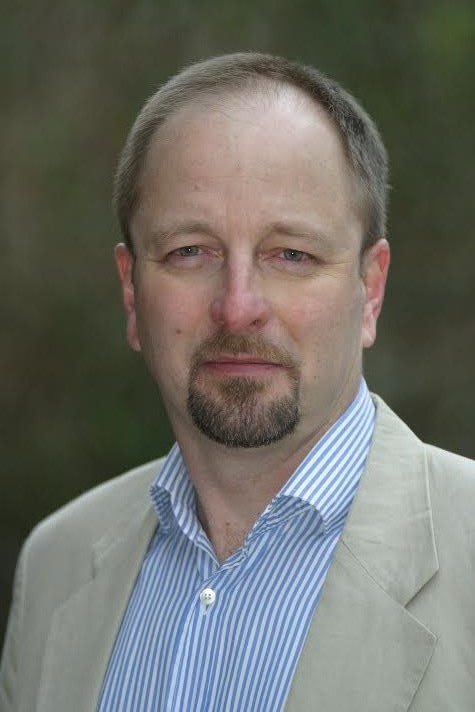
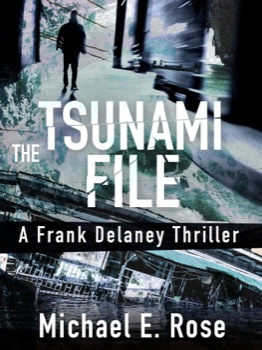
Michael RoseToday’s fascinating guest post is from thriller writer Michael E. Rose, author of the Frank Delaney series—The Mazovia Legacy, The Burma Effect and The Tsunami File–now being published by Momentum Books. Michael is the former Chief of Communications for Interpol and a former journalist, broadcaster and foreign correspondent. He draws on his years of experience in exotic locations around the world for his stories and characters. He’s recently back from a trip to Myanmar, where he set one of his books, and he reflects on the changes there.
When I sat down to write The Burma Effect some years ago, the place the military junta had decided would be called Myanmar, not Burma (just because they felt like it) was truly in a bad way. The generals held literally everything in an iron grip: opposition activists suffered appalling conditions in Insein Prison (great name for a bad prison); media censorship was absolute, the economy was in ruins, foreign journalists were not welcome, and Aung San Suu Kyi was under house arrest.
A great place to set a spy thriller, yes? And so it was. I had a great time researching and writing “The Burma Effect” and readers seemed to like it. So I was pleased and my agent was pleased and my publisher at the time was pleased. All was right with the world – except that conditions in Burma were still terrible and nobody was getting out of jail.
Now, over the past few years, there has been a breathtaking series of changes in Burma; sorry, “Myanmar”. I decided (once a journalist, always a journalist) that I would go up and see what was happening. Were the generals serious about moving toward democracy? Would they really be able to tolerate Aung San Suu Kyi now that she was a free woman again? Could people say what they liked there, at long last? Could a thriller writer find a good story there anymore?
Well, the answers are not simple. Yes, things are opening up. Tourists are pouring through Rangoon (sorry, Yangon) airport. Yes, journalists are allowed in and they can ask some tough questions and not get thrown out of the country like the bad old days. There’s a lot of new investment. You can even use credit cards now; some places, sometimes, and only if the power is on and there is a solid Internet connection.
But you still get a strong sense that just behind the new façade that is being constructed, there are very, very deep shadows.
The generals have rigged the new Constitution so they have 25 percent of members of Parliament, and it takes a vote of more than 75 percent to make any meaningful constitutional changes. Aung San Suu Kyi, clearly the most popular person in the country, bar none, is still forbidden from running for president because she has a couple of children who were born overseas. The generals, or their cronies, own just about all of the truly lucrative enterprises: mining, logging, airlines, hotels, key industrials.
They are also said to still have strong lines into the drug trade and other very shady goings-on. (Am I allowed to say that, about the new Myanmar? We’ll have to see.)
So, people on the streets of shabby, wonderful Yangon, or in a small market somewhere up-country in Shan state, or on a boat on the river near Mandalay, will tell you they are optimistic about the future. Elections are coming this year, there are more jobs around, the lights stay on longer than they used to, and fewer dissidents are in jail.
But people may still talk about such things with an almost imperceptible glance over their shoulder, to see who is listening. They may still choose carefully who they want to have a real conversation with. They aren’t going to rock the boat too much, for a while longer. They clearly know that things are still going to be rough, on a lot of levels, for quite a few years yet.
But there is hope, and that was in very short supply in the Burma where I put my series main character Frank Delaney a few years back. And there is hope there for thriller writers, because even the new Myanmar has a dark side and no-go areas and spies and guns and drugs and political chicanery.
A great place to set a spy thriller, yes?

Michael’s website: http://michaelrosemedia.com/

Twitter: @mrose_writer

About the Frank Delaney thrillers by Michael E.Rose, all now available through Momentum:

Mazovia

The Mazovia Legacy
The snow in a Montreal winter covers a multitude of sins …
In the icy depths of a Quebec winter, a harmless old Polish man dies in mysterious circumstances. His suspicious niece draws in Montreal investigative journalist, Frank Delaney, to help her find the truth behind the death, a story the authorities seem to want covered up.
The search for answers sweeps them into a dangerous web involving Canadian, Polish and Vatican agents who will use any means, even murder, to stop them. The catalyst for this international intrigue is the true story of Polish national art treasures secretly shipped to Canada to be hidden from the Nazis in the opening days of World War Two. This classic thriller combines fascinating history, deft storytelling and psychological depth.
The Mazovia Legacy was shortlisted for the Arthur Ellis Award for Best First Crime Novel, 2004.

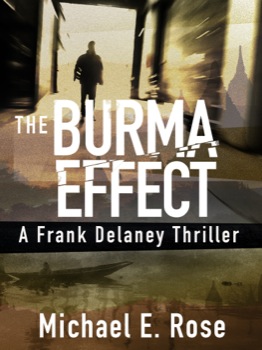
BurmaThe Burma Effect
Sometimes an obsession can become a death wish …
In the second Frank Delaney thriller, the Montreal-based investigative journalist and sometime spy is assigned by the Canadian Security Intelligence Service to locate one of their agents gone missing in Bangkok.
The search for Nathan Kellner, a bohemian bon vivant with a taste for young women and a variety of illicit substances, brings Delaney first to London, then to Thailand and Burma, where evidence points to an elaborate plot to destabilize the Burmese military regime. Untangling that plot thrusts Delaney directly into the line of fire between the generals at the head of Burma’s all-powerful junta and those who would use any means to see them overthrown.


TsunamiThe Tsunami File
Not every victim is found to be innocent …
Frank Delaney, investigative journalist and sometime spy, is on assignment in Phuket, Thailand, in the aftermath of the tsunami that killed thousands of people, foreigners and locals alike. Disaster victim identification teams from police forces across the globe have descended on this idyllic holiday location to carry out their gruesome work.
Delaney discovers that, against all logic, someone is trying to prevent identification of one of the bodies lying in makeshift beachside morgues. His search for the reason follows a trail through Thailand’s seedy child sex trade to an elaborate cover-up in Germany and France, where those with everything to lose use increasingly desperate measures to stop him dead.
The Tsunami File was shortlisted for the Arthur Ellis Award for Best Crime Novel, 2008.


On writers: Leon Garfield

Over the next few weeks, I’m going to be republishing on my blog a number of articles I’ve written over the years, about writers, especially writers for young people, whose work I’ve loved and been inspired by, both as a child and into adulthood. These articles have been first published in a number of different places. The first of these I’m republishing, is on Leon Garfield and first appeared in Magpies Magazine some years ago.

leon_garfield black_jackLeon Garfield,

By Sophie Masson

I remember the first time I met Leon Garfield’s work. It was a Friday afternoon, I was about twelve or thirteen, and I was looking for something juicy to read at the local library for the weekend. The Garners I’d wanted were out; but browsing idly on the same shelf, I came across a title that looked good. Black Jack. By Leon Garfield. The cover was evocatively spooky, the blurb tasty, and as I ever judged books by their covers and blurbs at that age–I was willing to give it a go.
From the first sardonic, intriguing sentences, I was hooked:

There are many queer ways of earning a living; but none so quaint as Mrs Gorgandy’s. She was a Tyburn widow. Early and black on a Monday morning, she was up at the Tree, all in a tragical flutter, waiting to be bereaved.

Flung headlong into the strange, funny, terrifying, vivid world of seedy 18th century London from those first sentences, I could not put the book down all that night, even after stern paternal injunctions to turn the light off, this instant! I begged Mum to take me back to the library on Saturday, and snapped up Devil in the Fog, the only other Garfield that hadn’t been taken out, and read it too within a few hours, heart racing. As soon as I got back to school on Monday, I went to look in the library, to see if there were any other books by this extraordinary author. In the space of a few weeks, I managed to gobble up Jack Holborn, and Smith, and Mr Corbett’s Ghost, and The Drummer Boy, and The Strange Affair of Adelaide Harris. And then started again, with Black Jack, which even to this day remains my absolute favourite. I think that I must have read some of Garfield’s books five or six times over those years, and pounced on any new ones that came into the library.
Brought up on the strong meat of 19th century French picaresque adventure novels, I had taken to Garfield like a duck to water, amazed and delighted and whirled along with the inventive plots, wild casts of always believable though larger than life characters, skeins of mystery to unravel, bloodthirstiness and gruesomeness yet also humour, and the glorious language. Though his main characters were nearly always children or young people, they were never hived off into separation from the adult world; this is the opposite of the cosy boarding-school bubble. No; they had to fight, love, hold their own somehow in a harsh yet not completely unloving adult world, a world of tragedy and villainy, yet also compassion and joy and humour. The books, with their evocative illustrations by Anthony Maitland, became an indispensable part not only of my reading life, but of my writing life too, later.

Continue reading

Congratulations to Stephen Whiteside!

Big congratulations to poet Stephen Whiteside for winning the Book of the Year (also known as The Golden Gumleaf) for his collection of poems for children, The Billy That Died with its Books On and Other Australian Verse(Walker Books). The award was announced last night in Tamworth during the big Tamworth Country Music festival. More info here.

Guest post: Fiona Price on adapting fairytale settings

0914 Let Down Your Hair_Final Intro from Sophie:

I have always been interested in the use of fairy tales as an inspiration for fiction. Fairy tales are so rich that they can be mined again and again without losing any of their magic; and they are also so full of hidden depths that they can be interpreted in many different kinds of ways. I’ve used them myself repeatedly, in my fiction; and I love reading the work of other fairytale-inspired writers, such as Angela Carter, Tanith Lee, Kate Forsyth, Robin McKinley, Juliet Marillier, and many many more.

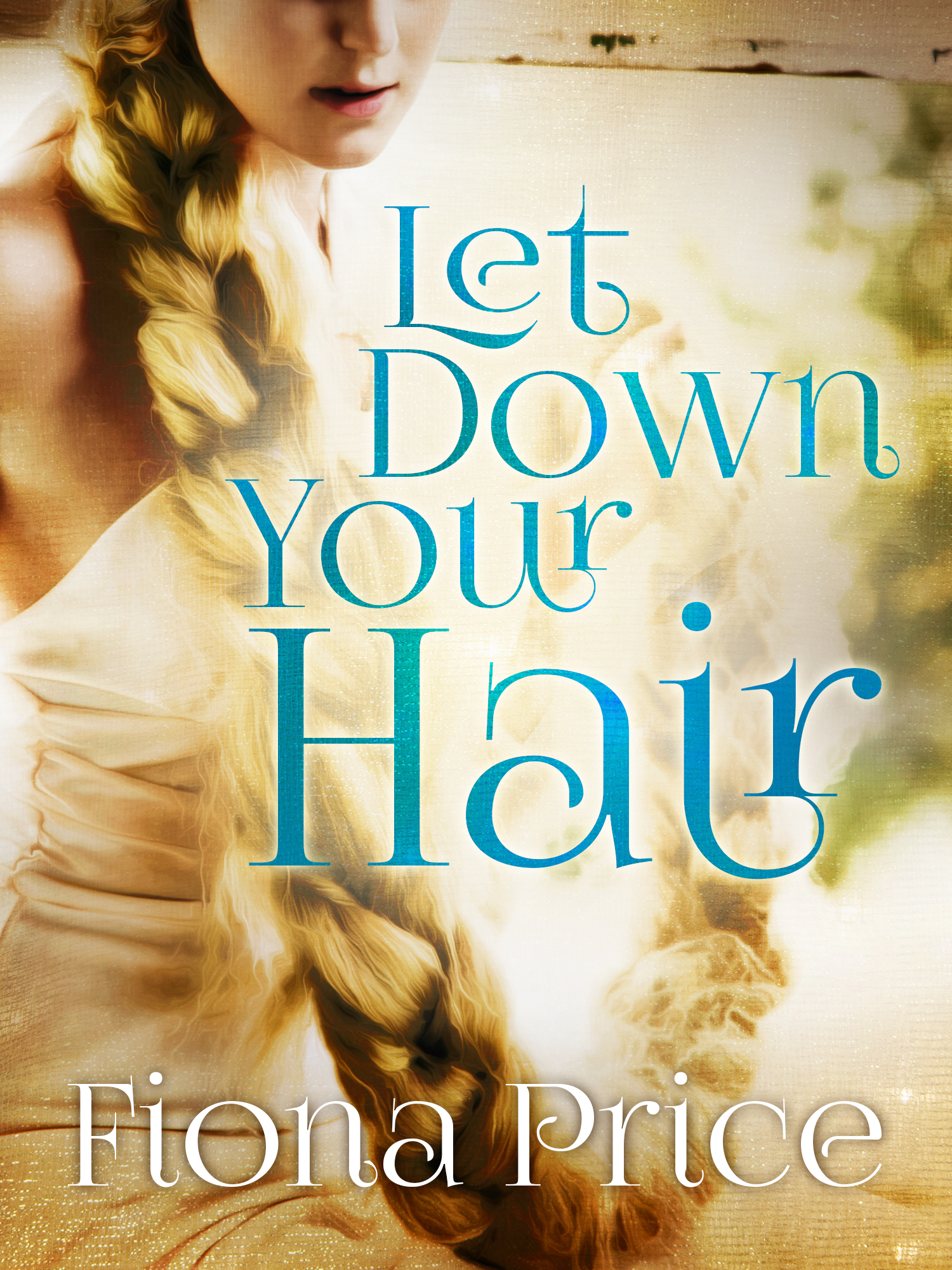
Interestingly, in recent times the theme of Rapunzel has come up several times: in the beautiful historical novel by Kate Forsyth, Bitter Greens; in one of the motifs in my own (YA) fairytale novel, The Crystal Heart; and most recently in a fabulous and clever modern adaptation of the Rapunzel theme, Fiona Price’s Let Down Your Hair. As the blurb for the book has it, it is a timely re-telling of the Rapunzel fairytale in the era of selfies and smartphones. And in this interesting guest post Fiona writes about how the setting she created helped to really focus the novel.

Welcome, Fiona!

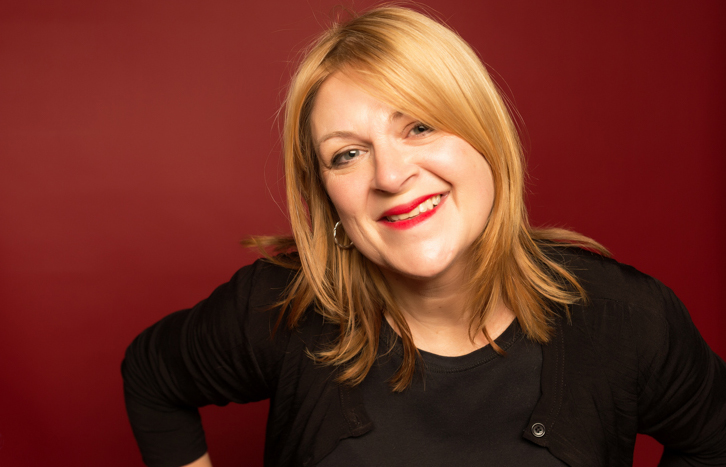
Author pic 3

A big thanks to Sophie for inviting me to write a post for her blog. My name’s Fiona Price, and my novel Let Down Your Hair was published last month by Momentum. It’s a coming of age story based on the Rapunzel fairytale and set in the twenty-first century. I was inspired by the beautiful Russian building on the cover of Sophie’s latest book Trinity: The Koldun Code to write about the setting for my book.
When I decided to retell Rapunzel in the present, the first thing I needed was a tower. I considered a range of tall buildings for the job, and even toyed with making it a plane. But when I recalled the phrase “the ivory tower”, I decided I had to set Let Down Your Hair in a university. What better prison for Rapunzel than a place where scholars live lofty lives cut off from the world?
Setting ‘Rapunzel’ in a university worked on a couple of levels. For one thing, old-style prestige universities are built like storybook castles. Their buildings are made from ivy-covered stone, with giant libraries and halls lined with portraits. The other thing I liked was that it gave me an idea of who the witch was going to be. She’d be a senior professor, the type on a mission to change the world one conference at a time. A woman like the witch I created for my novel: Professor Andrea Rampion.
What would make a female professor lock a girl up in a tower? In the fairytale, the witch seems driven by the need to protect Rapunzel’s virginity. She locks Rapunzel up when she hits the age of puberty, and throws her out in a rage when she learns of Rapunzel’s affair with the Prince.
Protecting a girl’s virtue was never going to work as a motivation for Andrea. Most female professors would see dwelling on girls’ sexual behaviour as dated and patriarchal. I worked around this problem by shifting Andrea’s focus to something more progressive and intellectual: protecting her abandoned granddaughter Sage (my Rapunzel) from the sexist messages in the media.
Shielding a girl from all sexist messages wouldn’t be easy today. Sexualised pictures of women are on every smartphone, billboard and TV. Andrea would have to be ruthless about controlling everything Sage watched and read. She’d also have to monitor Sage’s company and movements, so she didn’t hear those messages anywhere else. Doing these things would cut Sage off from the world as surely as locking her in a tower.
What would Sage be like after twenty-two years of Andrea’s regime? With so few distractions and a dedicated teacher, she’d be brilliant at all things academic. Politically aware, with the ability to spot male privilege at seventy paces. But when it came to youth culture, technology and men, she’d be hopelessly ignorant and naïve. And both terrified and thrilled when she looks out a top floor window and a naked young man smiles up at her.
Once I’d found my tower and cast my main characters, I needed to think about the wilderness. In the fairytale, this is where the witch banishes Rapunzel when she learns of her affair with the Prince. When ‘Rapunzel’ was published, the ‘wilderness’ would have meant the forests of northern Europe. Presumably the witch hoped that Rapunzel would be punished for her sins by getting lost or attacked by wolves.
I let myself be guided by Andrea’s obsessions when choosing my modern-day wilderness. For Andrea, this would be a place where women are degraded and exploited by men: the red light district. Which is where Sage eventually finds herself, homeless, lost and surrounded by men on the prowl.
Retelling ‘Rapunzel’ as a present-day novel was a challenge I really enjoyed. If you’d like to take a look at Let Down Your Hair it’s available on all major digital platforms. Thanks again to Sophie, and I’d like to wish her and all of her readers a wonderful 2015!

Thanks, Fiona! And the same to you. (Sophie)

To find out more, check out Fiona’s blog: dressingthesalad.wordpress.com

Follow her on Twitter: @FionaSLPrice

Extraordinary and devastating stories

Some of the survivors of the Charlie Hebdo massacre have started telling their stories, in lucid, chilling, heartbreaking words.

Sigolène Vinson, legal affairs writer for the magazine, speaks in a radio interview, republished in Le Monde,  about how events unfolded, and how she came face to face with one of the killers. And Philippe Lançon, who writes for both Libération and Charlie Hebdo, and was seriously injured in the attack, writes poignantly in Libération of the last moments before the gunmen burst in, and of what happened afterwards. Both are extraordinary, devastating accounts. At the moment the full accounts are in French only and if you can read French it’s much better to read those, but there are some partly paraphrased translations of Sigolène Vinson’s testimony here and here.

Changes in genre publishing over 13 years

It’s been 13 years between my previous adult novel, Forest of Dreams, and my new one, Trinity: The Koldun Code. Though I’ve had lots of books for young people published in between, in that time, much has changed in the field of adult genre fiction publishing and in a post published at the international authorship blog, Writer Unboxed, I profile some of them. Have a read and see if you think I’m right–and if you have any comments or observations to add to it!