Double Act 2: Julian Davies and Finlay Lloyd

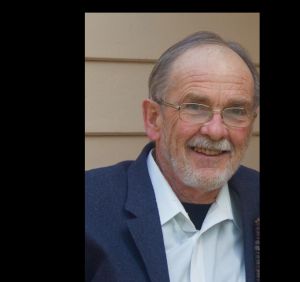
Julian Davies

In the second of my series on author-publishers, I’m interviewing Julian Davies, one of the owners and founders of Finlay Lloyd, a non-profit publisher which has been going for nine years.  Julian describes himself as jack of a number of trades – writer, potter, painter and front-man for a non profit art gallery, The Left Hand. As well as publisher of course! He has lived in the mountains near Braidwood, New South Wales, for much of his adult life. The author of five novels, he has also written various stories and essays.

When and how did Finlay Lloyd start? What motivated you in the first place to start your own publishing company?

Finlay Lloyd was begun by four people – Phil Day, Ingeborg Hansen, Robin Wallace-Crabbe and me – all with somewhat varied interests in making books, but joining together to form a press with different values from mainstream publishers. Phil and Ingeborg had a background in producing inventive, beautifully set and designed handmade books, and had an interest in publishing fiction and poetry. Robin, a well-known writer and artist, had also designed books in his youth. I wanted to offer a counter-model, however modest, to commercial publishing. Our aim was to make

Phil Day

Phil Day

well-designed paper books while encouraging and supporting the sort of inventive writing that the big presses were too risk averse to back. It was important to me that FL was non-profit – we do not pay ourselves at all – in contradiction of the dominant paradigm.

How did you initially persuade booksellers to stock your books?

I simply got on the phone and called every bookshop I could locate, explaining what our intentions were. I made it plain that we were supplying firm sale, but that we didn’t want shops to buy books they couldn’t sell.

Have your aims and strategies as a publisher changed from the beginning? How?

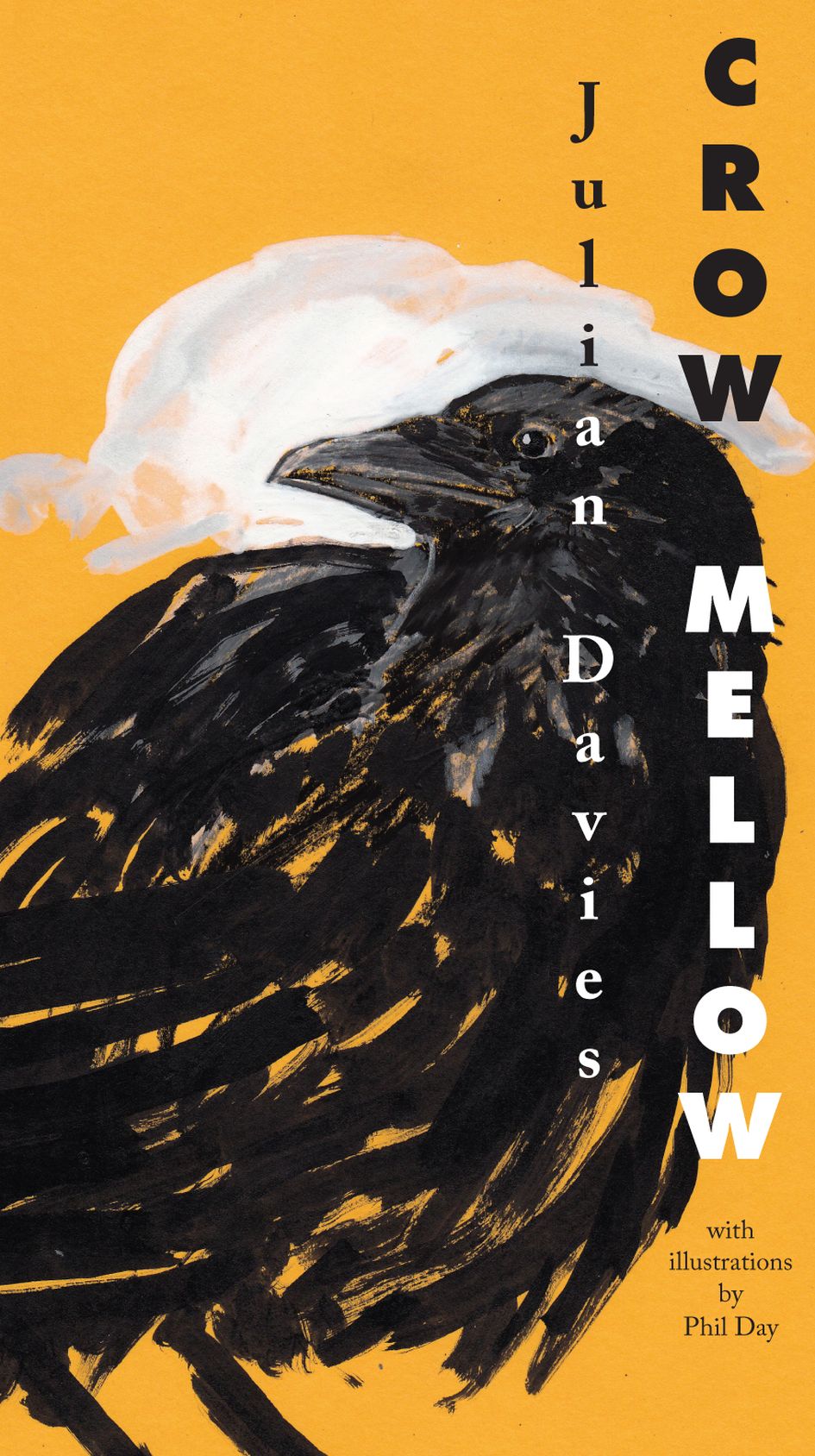
Through the nine years since the establishment of the press our values and methods have remained consistent, but with the departure of Ingeborg and Robin from Finlay Lloyd, Phil and I have settled into a pattern where we discuss everything but he sets and designs the books while I act as editor and deal with publicity and sales. Our partnership has become closer and more interactive (hence his doing almost 400 drawings for my novel Crow Mellow). We envisage the press evolving to mainly undertake collaborative projects, whether between us or with others.

Crow Mellow cover 2Has working as a publisher impacted on your own career as an author–whether that be positive or negative?

I’ve found helping other writers realise their projects as well as possible an intriguing and valuable experience. It has given me a greater perspective on writing, publishing, and bookselling. Although this was not my intention in starting the press, Finlay Lloyd has finally provided a means to publish my own books in an inventive, unconstrained way, free from the commercial imperatives of the big presses.

What are the challenges and pleasures of small-press publishing, in your experience? Any memorable anecdotes?

I’ve found the many aspects of making books both rewarding and challenging – the demands on my time have been considerable. I’ve often wished I could clone myself in order to cope better, but my family likes to remind me that one of me is quite enough. Perhaps the keenest pleasure has been learning at close quarters how other writers think as they respond to editorial input.

flsmallsAny advice for aspiring author-publishers?

Because the book industry has been in such flux in recent decades more room has opened up for small presses. With their business model under threat, the big presses have withdrawn from some aspects of publishing. Furthermore, computer setting and the reduced cost of printing have made the process far more accessible. With these factors in mind, I’d suggest that anyone entering publishing may be brave but not necessarily as foolish as it might appear. I’d also suggest that having a broad and perceptive curiosity about all aspects of writing, typography, design and book production is a prerequisite as rare as it is obvious and valuable. I can’t stress that enough. There is a plethora of badly made books out there in the world. Small publishers should be self-critical and nimble enough to reinvent what they do imaginatively

Double Act 1: Paul Collins and Ford Street Publishing

As director and co-founder of small publisher Christmas Press, as well as being an author, I’ve become very interested in the growing phenomenon I’ve joined: that of well-known and respected Australian authors who are also publishers. Authors who, not being content just to write books, also started their own publishing companies. Initially driven by frustration at seeing a particular text of theirs rejected by conventional publishers, these start-ups often soon expand into something beyond self-publishing, taking on other authors’ and illustrators’ work. And it’s happening more and more, in a time both of big-publisher list contractions, and a blooming of small press due in no small part to the effect that digitising files has had on the cost of printing books, which has come down considerably in recent years.

This is the first in a series of interviews, under the umbrella title of ‘Double Act’, which I’ve conducted recently with author-publishers, whose publishing businesses range from highly experienced and long-standing, to brand new and developing. And to start this series, I’m presenting an interview with an author who was one of the earliest innovators in the area, and whose Ford St Publishing has become one of the ‘heavy-hitters’ in the author-owned small press field : Paul Collins.

paul collins 1

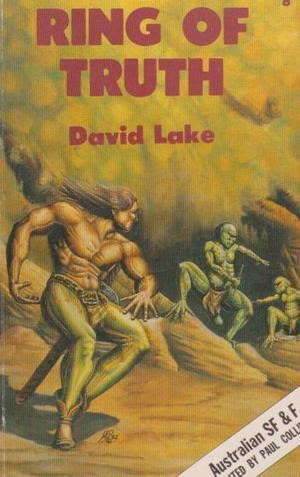
One of Paul’s very early titles as a publisher

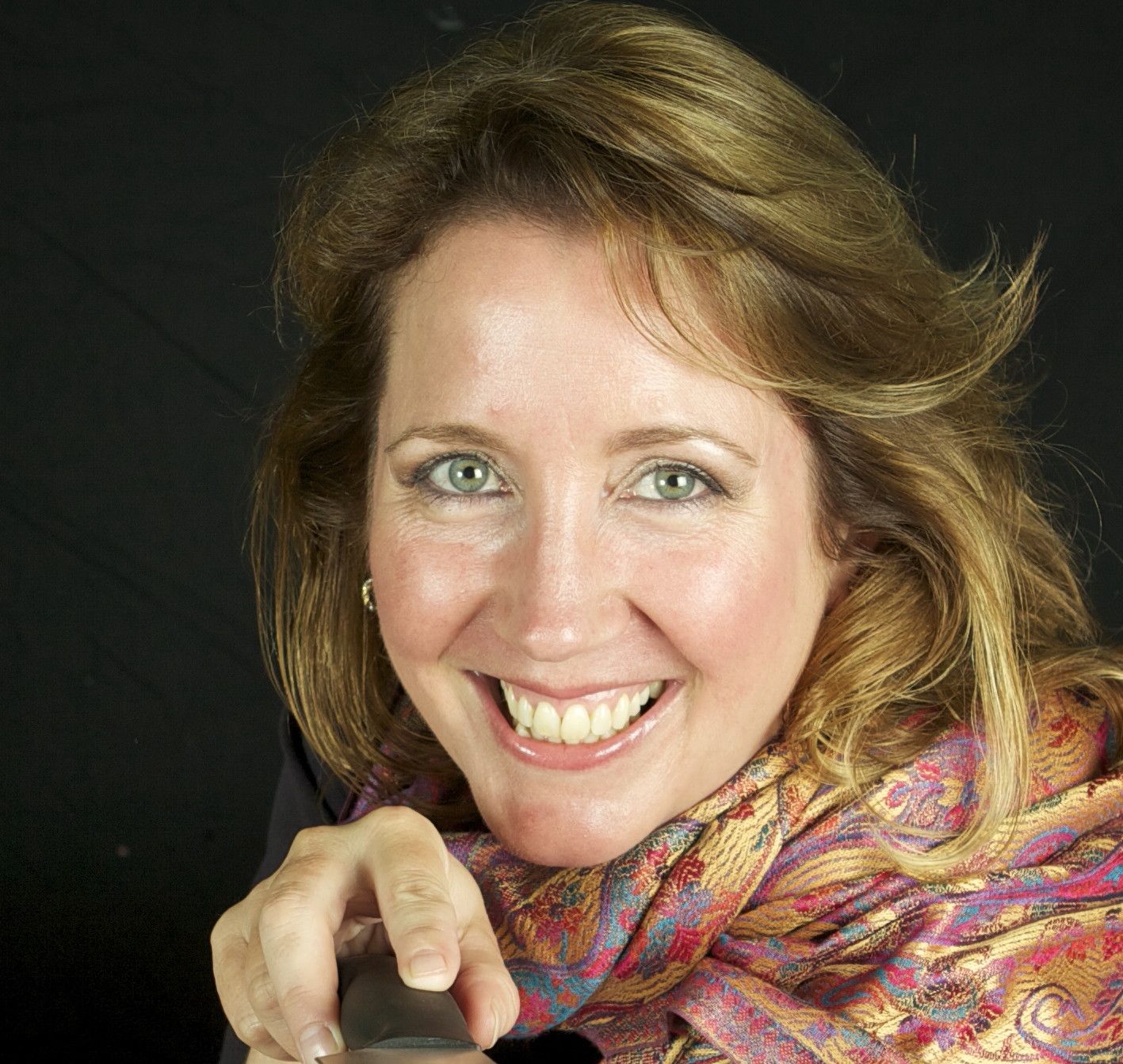
Paul Collins portrait


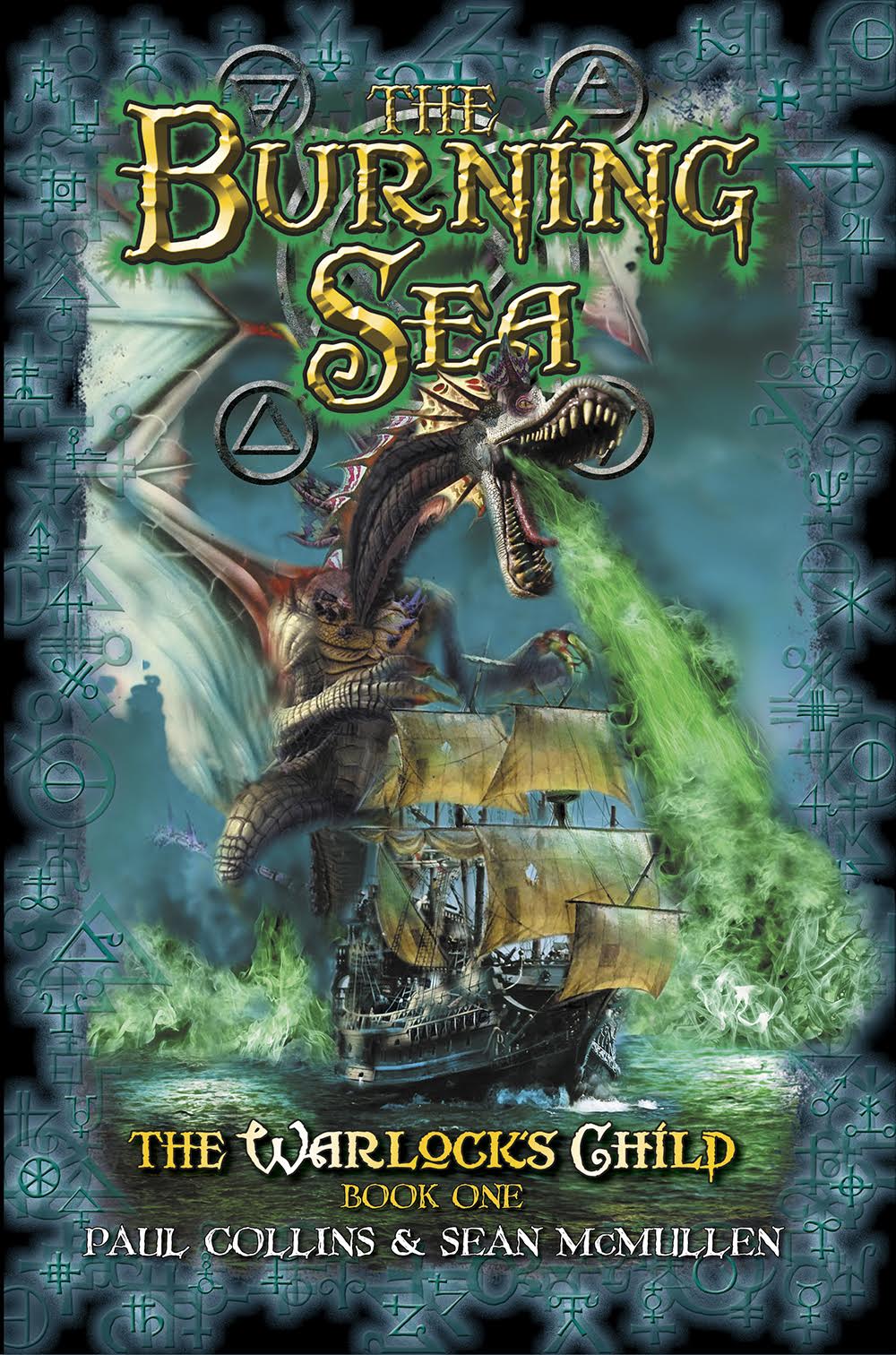
Paul Collins has written over 150 books and 140 short stories. He is best known for The Quentaris Chronicles (The Spell of Undoing is Book #1 in the new series), which he co-edits with Michael Pryor, The Jelindel Chronicles, The Earthborn Wars and The World of Grrym trilogy in collaboration with Danny Willis. Paul’s latest six part series is The Warlock’s Child in collaboration with Sean McMullen, and the anthology, Rich & Rare, which he edited.

Paul has been short-listed for many awards and won the Aurealis, William Atheling and the inaugural Peter McNamara awards. He recently received the A Bertram Chandler Award for lifetime achievement in Australian science fiction. He has had two Notable Books in the Children’s Book Council of Australia Awards.

He has black belts in both ju jitsu and taekwondo – this experience can be seen in The Jelindel Chronicles and The Maximus Black Files.

RIch and Rare FRONT cover

Ford Street is one of the most well-known and successful of author-owned and operated small press publishers. How did it start? What motivated you in the first place to start your own publishing company? And how did you target your list?

I started publishing back in the 70s. First up was a self-published novel called Hot Lead – Cold Sweat. Yes, I know, it was as awful as it sounds. However, it made me realise at the time that I liked the process. So I began a science fiction magazine called Void. It was the only Australian SF magazine at the time. I moved into publishing fantasy and science fiction back when the major publishers had no interest in either of those genres. In fact, I was the first Australian publisher to publish mainstream fantasy novels for adults. Distribution was really hard to get in those days and finally when a distributor called Buddy Reed disappeared with both my stock and the money he owed I decided to stick to writing short stories. In 2007 I decided to get back into publishing because I could see many things had changed. Distribution was easier – Macmillan took me on – book clubs had sprung up, and the Internet provided many avenues to reach an audience without cost. I’m discounting “time”, that is!

How did you initially persuade booksellers and other retailers, such as the schools distributors, to stock your books?

That’s really Macmillan’s job. I also have an educational distributor called INT Books. Together, they do quite a good job. I also send everyone I know media releases, just in case the distributors drop the ball on any given book. At the end of the day, if a school has a library, they need books. If you provide books that they like, the school librarian will gladly purchase.

Have your aims and strategies as a publisher changed from those early days? How?

I used to publish books for adults only. That’s an entirely different market from children’s to young adult. It’s a niche market when you’re publishing in just two genres. The main outlet in those days was minimal distribution to shops, and then going into municipal libraries and selling direct. The science fiction conferences were another avenue for sales. Today I have distributors who do all that for me.

Has working as a publisher impacted on your own career as an author – whether that be positive or negative?paul collins 3

I don’t think so. I can publish my own work if I wish. All modesty aside, my titles are among Ford Street’s best-selling books. Trust Me!, which I edited, is our #1 top seller. Wardragon (fourth of the Jelindel books) comes in at second. I wouldn’t be publishing my own books if they weren’t selling. I think that’s a trap for beginners. Publishing your own books works if they’re selling, but if they’re not, you risk bringing down your brand, and appearing like a vanity press. So far, I think I’ve avoided that label. And I can think of several editors who work for major publishers who have their own books published by their workplace.

I still write for other publishers. In the past year I’ve had six books in the Legends in their Own Lunchbox series (Macmillan) and next year two short story collections in collaboration with Meredith Costain Paul Collins 4(Scholastic) and three plays (Pearson), due.

What are the challenges and pleasures of small-press publishing, in your experience? Any memorable anecdotes?

Challenges are time, money, finding suitable books, getting authors/illustrators to promote their own books. Pleasures are creating books, working for myself, thereby having very flexible working hours (I work seven days a week, but that’s my choice), the joy of knowing a book is selling really well, or selling overseas rights, taking on books that major publishers have rejected and seeing sales go paul collins 5through the roof. One example is my own The Glasshouse. It was rejected by a great many publishers, some, like Penguin – my own publisher at the time, didn’t even respond to the submission. Ford Street published it and I sent it to a book club. They purchased 4000 copies. It went on to sell another 1200+. They’re not bad sales figures for a small press. It went on to be chosen by International IBBY as an Outstanding Book (only two other Australian books received this) and was short-listed for the CBCA’s Crichton Award.

Any tips for aspiring author-publishers?

As I’ve just mentioned, be careful about publishing your own work. If you do, ensure you get it professionally edited. Make it the best you can. Ensure you have distribution. Without this, you’ll wind up with boxloads of books in a garage. On this note, don’t print too many copies. I know the more you print the cheaper the unit cost, but if you wind up with 2000 books in storage, it doesn’t matter how little they cost you – you’re still stuck with 2000 books (and hopefully not paying for storage!).

Think about getting trailers produced, get bookmarks, posters of the covers – anything to help promote your books. A website is essential. I know authors and illustrators who still don’t have websites and this is just craziness in today’s climate.

Covers are important. Don’t settle for second-best. The more professionally you can present your books, the better your brand name will be. I’ll always remember a librarian telling me that she would always order McPhee-Gribble YA books, because they rarely if ever published a dud book. That’s a recommendation that a small press should strive for.

Visit Paul’s websites: www.paulcollins.com.au, www.quentaris.com and www.fordstreetpublishing.com.

burning sea


Thunderbolt Prize winners: Susan Bennett, winner of the Fiction prize

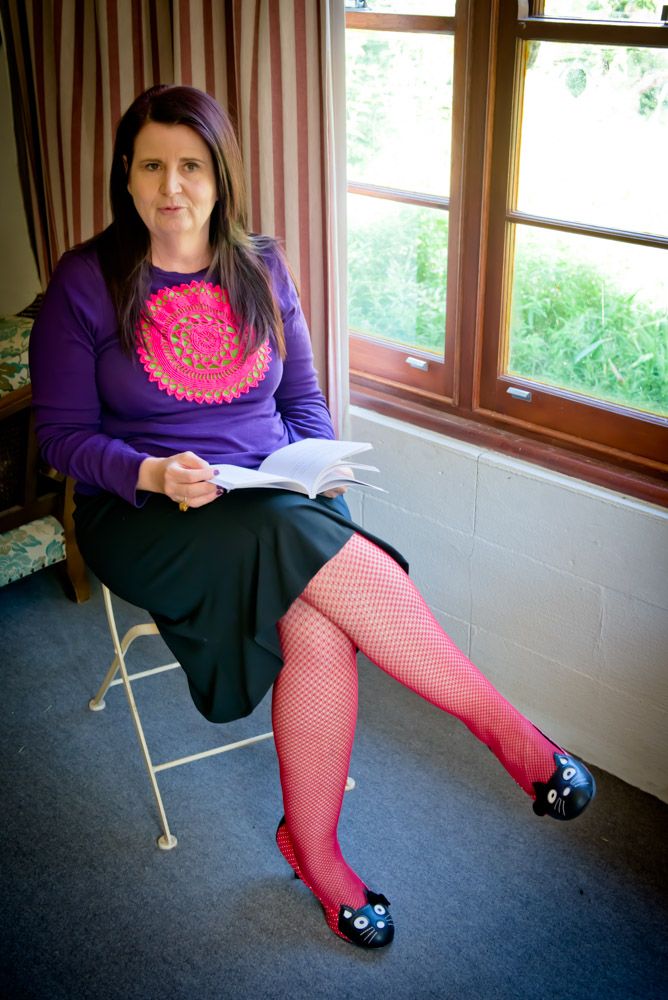
Susan BennettMy final interview with a Thunderbolt Prize winner is with Susan Bennett, winner of the Fiction category in the Thunderbolt Prize.

First of all, Susan, congratulations on your win! Your winning story, Bittersweet, was described by the Fiction judge, Felicity Pulman, as ‘making use of all five senses’ and being  ‘perfectly shaped, with sensual descriptions.’  How did you come up with the central character, Tilly, the food writer? And how did you create the rich texture of the story?

Tilly?  Well, I like my women characters to be strong and complex – flawed human beings rather than representations of ‘the fairer sex.’  And I think in part the story was a reaction to the pretension that is sometimes associated with cookery.  Tilly is a lot less concerned with those aspects than she is with the joyous celebration of life that cooking and food represents.  But as much her food epiphany gains her access to high society, Tilly never stops being the girl who came from nowhere.  Among all of the new found sensuality that food awakens in her, she retains a hard streak and survival instinct that means she’s fully prepared to deal with the man who crosses her, even if she loves him.

In terms of the texture, much of it came from my own experience.  I got into cooking Mexican food in a big way – proper Mexican food, not Tex-Mex.  Living in Australia I couldn’t find the necessary ingredients, so I had to grow them myself.  I ended up with over eighty chilli plants.

I’m inclined to sleepwalk, and my former partner used to catch me wandering out the bedroom door in the dead of night.  When he asked me where I was going, apparently I would answer, “I’m just off to re-pot that chilli.”   On another occasion he reported that I was tossing and turning in my sleep, crying out, “Bugger it!  I’m not re-potting it, I’m not!  I’m not!”  I figure I must have made it outside some nights without him catching me, because I used to find chilli seeds in the bed when I woke up in the morning.  My chilli crop attracted the attention of the police helicopter, but that’s another story.

Suffice it to say that learning to cook Mexican brought a whole new dimension to my love of cooking.

What attracts you to writing crime fiction?

Sometimes I think it’s because I get to bump people off on the page.  A while ago it dawned on me that my stories kept ending with people dying even when I don’t mean them to.  I noted that so far I have killed men by staking them, poisoning them, shooting them and by one other method that probably shouldn’t be mentioned here.  And more than one mother-in-law hasn’t fared too well in my stories.

Crime fiction is an interesting genre because it is so varied, encompassing every style from the very literary to the hardboiled or cosy.  I like the fact that a lot of crime fiction aimed at the mass market is so well-written.

Can you tell us a bit about your background and writing career?

In terms of work I’ve done everything from selling knives and camping equipment to working in technical support in the early days of personal computers.  I’ve spent a lot of time in mercantile agencies (business reporting, credit ratings, debt collection) and in software houses.  I’m at a crossroads at the moment and I’m not sure what my next step will be.

I settled on the idea of writing as a teenager, or more accurately, I was blessed with an inspirational English teacher who encouraged me to aspire to write professionally, and I will always be grateful to her.  She personally selected books for me from the school library in her own time so that I didn’t have to read what the rest of the class was reading.  Unfortunately I think you have to be an adult to appreciate the gift someone gave you as a kid.  I wish I could thank her now and tell her how much it meant to me.

My writing career has probably taken a different path to most in that I started off writing novels then moved on to short stories, whereas many writers tend to do that the other way around.  Writing short stories at first I missed the wriggle space a novel gives you.  On the other hand with short stories, you get to play around stylistically in a way that I don’t think can be sustained over the course of a novel if you want it to be readable.

What do you hope winning the Thunderbolt Prize for fiction will do for you as a writer?

Specifically, the win pleased me because Bittersweet has been written for the general reader.  It isn’t a particularly literary story, and until now I doubted that stories for mainstream readers could win competitions, so that made me happy.

As far as prizes go generally, I have been through every stage I think it’s possible to go through.  At first I only entered competitions because editors, publishers and agents want to see prizes and commendations, and as those are the people I have to deal with, I felt it necessary to go after those prizes and commendations, but I can’t say I enjoyed the experience at first.  I swore off entering for a while because it was just another source of rejection that I found discouraging.

Conventional wisdom has it that we should keep sending our work out, but I’d argue that if rejection is impacting on your ability to work, then there’s a case for taking a break from submitting, so that’s what I did for a while.  It occurred to me that I just wanted a period to develop a relationship with my own work, without worrying what anyone else thought about it for a while.  I asked myself some questions I hadn’t asked before, like why was I writing, who was it for and what did I want to get out of it – me – not anyone else.

It was an interesting and fruitful exercise because my work opened up a great deal more.  It occurred to me that I had been writing defensively.  When I went back to submitting after that hiatus, I started winning prizes immediately, which has had a surprising effect on my writing.  I suppose it’s the encouragement.  My work has opened up even more, become more ambitious.  I feel more confident about realising the potential in the story.

What do you look for in a good story or novel?

One of the drawbacks to being a writer is that you are so accustomed to looking for faults in your own work, it can tend to make you more sensitive to the flaws in other people’s work too.  I’ve been through stages where I can’t read because the smallest misstep spoils a book for me.  You know you’re in trouble if you can’t read Bill Bryson without nit-picking.

I’ll read everything from Charles Dickens (a favourite) to Silence of the Lambs, but the writing always has to be quality.

You have a food blog, http://fudgingthemenu.blogspot.com.au/ How did that start?

Largely to support a cook’s organiser I have developed, but also as another creative outlet.  Cooking and writing come from the same place with me, but that can be problematic.  Cooking is more immediately gratifying than writing – I mean what’s not to love?  First it makes the house smell great, then you get to taste it, then it leaves you feeling happy.  It’s so much more straightforward than writing and a lot less subjective, but if it satisfies the creative urge too much then I’m inclined not to write.

Conversely, sometimes writing satisfies me so much that I don’t want to cook.  That can be a problem too.  Fortunately, wine is always on hand to solve it.

Thunderbolt Prize winners: Madeleine Gome, winner of the Youth Award

Madeleine Gome Author PhotoToday, I am interviewing the winner of the Youth Award in the Thunderbolt Prize, Madeleine Gome.
First of all, Madeleine, congratulations on your win! How did you come up with the idea of your winning story, Scrap Metal?

My story was actually inspired by true events. I was with my dad, picking up our car from the mechanic. We gave the receptionist the numberplate and all he asked for was a credit card. Without needing any proof of identity we were given the keys and sent on our way.

What attracts you to writing crime fiction?
I don’t specifically set out to write crime fiction. I have never been especially attracted to traditional crime stories which follow the investigation of a crime. I’m more interested in characters and relationships, and the flow of words than creating a rigid storyline or structure.
Can you tell us a bit about your background and writing career?
I started writing before I could read, which seems slightly counterproductive. ‘How the Woodcutter Lived’ was apparently my first story. It was about a woodcutter, living in the forest with his partner and their children who got into all sorts of mischief. When I was seven, I wrote my own Harry Potter novella. The spelling was terrible—my parents only managed to translate it into English by reading everything I wrote with a thick Aussie accent! In terms of my writing career, I won the 2014 Hervey Bay Youth Writing Competition and a piece of my non-fiction will appear in an upcoming edition of The Big Issue.
Your mother, Emma Viskic, is also a crime writer(and winner of the fiction category in the inaugural Thunderbolt Prize in 2013). Do you read each other’s work?
Actually, no. My mum is not allowed to give me advice on three things: music, clothing and writing. Our relationship remains intact through a strict separation of powers! She is sometimes allowed to proofread my writing, for clarity and punctuation, but she knows not to comment on the content. I have read one of her short stories, which I loved, but the similarity between our writing was a little unnerving. We both like simple phrases and are interested in characters and relationships.
What do you hope winning the Youth Award will do for you as a writer?
Winning the Youth Award is incredibly thrilling. I have wanted to be an author for as long as I can remember, so receiving validation for my work is very encouraging. I see it primarily as encouragement to continue writing and continue putting my work out there, and to consider writing a viable part of my future and career.
What do you look for in a good story or novel?
I like novels that make me emotionally invested in the characters and their relationships. I enjoy writing which creates characters and situations I can relate to, and that I care about.  I have to want a certain outcome for the characters, and feel involved in their lives. I also love writing that makes me laugh.

Thunderbolt Prize winners: Lynne Cook, Emerging Author Award

Lynne CookToday, I’m interviewing Lynne Cook, winner of the Emerging Author Award in the Thunderbolt Prize. Her winning entry, Change of Plan, was also Highly Commended in the Fiction prize.

First of all, Lynne, congratulations on your win! How did you come up with the idea of your winning story, Change of Plan?

Thanks, Sophie! The idea for Change of Plan came – as many writers report! –from a news item; in my case, the report of a fatal cliff fall. I wanted to write a completely different outcome for the story, one which acknowledges the strength and resilience of those in dangerous relationships. We read that Pammy has had a less than satisfactory relationship history but – even though the resolution of the story isn’t one I’d generally recommend! – she survives. She acts to take control of her story. It’s very tempting for a writer to put on a (generally ill-fitting) super-hero outfit at times and try to change the course of history …

What attracts you to writing crime fiction?

Who doesn’t love solving a mystery, putting the pieces of a jigsaw together? For me, crime fiction is the writer setting the reader a challenge; the fun (and thrill) is in joining the suspenseful ride of working out just what the hell is going on, predicting the next move. Crime fiction throws up intriguing characters. I love the psychological play.

Can you tell us a bit about your background and writing career?

I’ve worked as an English teacher and have studied and taught German literature too. In the last couple of years I’ve had the opportunity to complete my first novel (Finding the Words), to work on a collection of short stories and begin a second novel. In 2014 I was one of 5 lucky writers to win a place at Varuna, the National Writers House in Katoomba, to take part in the Short Story Focus Week. It was a terrific experience. I’ve also been involved with the South Coast Writers Centre for the past 4 years; a dynamic and creative bunch of people.

 What do you hope winning the Emerging Author award will do for you as an author?

I hope that winning this award will give me the confidence to trust my instincts and voice in writing.  It is wonderful to be able to list the Emerging Author award (and being Highly Commended in the Fiction prize) on my writing CV!

What do you look for in a good story or novel?

I’m into quirky. A character or situation can be, on the surface, accessible, likeable, even predictable. But then the expectations and predictions are subverted. Character layers are progressively revealed; the situation is thrown open to other perspectives. I love also the way humour can deepen the impact of a text, even in its darkest moments.

Thunderbolt Prize winners: Joshua Nash, winner of the Non Fiction prize

Today’s interview is with Joshua Nash, winner of the Non Fiction category in the Thunderbolt Prize.

Joshua Nash is a linguist and an environmentalist. His work concerns philosophical and ontological foundations of language and place, the anthropology of religion, architecture, pilgrimage studies, and language documentation. He has conducted linguistic fieldwork on Norfolk Island, South Pacific and Kangaroo Island, South Australia, environmental and ethnographic fieldwork in Vrindavan, India, and architectural research in outback Australia. He is a postdoctoral research fellow in linguistics at the University of New England.

First of all, Joshua,congratulations on your win! How did you come up with the idea of your winning story, A Nameless Island?

A Nameless Island is a skew on crime non-fiction. I take my present linguistics research project, an island in the South Pacific with a mythical past, and ask what might comprise a criminal act. I arrived at several contradictions concerning what crime may be. The story is a musing on these incongruencies.

What attracts you to writing crime non-fiction?

A friend encouraged me to submit for this prize. Otherwise, I have written little about crime nor have I read many whodunnits. I loathe Inspector Morse type shows.

Can you tell us a bit about your background and writing career?

I am from Adelaide and moved to Armidale for work in October 2014. Professionally I studied as a linguist, but ultimately I am an environmentalist and a nature lover. Writing for me is both a scientific as well as an artistic endeavour. I have developed a corpus of peer reviewed work which straddles anthropology, geography, history, environmental studies, and pilgrimage studies. I am currently working towards finding my feet within more creative work.

You are a respected academic writer as well as a creative writer. How do those two practices work with each other?

Generally terribly. The peer review process in science can often be the one way to knock out most if not all creativity in writing. That said, I have been lucky to get some fringey creative ideas published in scientific journals.

What do you hope winning the Non Fiction prize will do for you as a writer?

Maybe the prize will give me my five minutes of fame in Armidale. It might give me the possibility to become more involved with happenings at the New England Writers’ Centre, which is definitely a good thing. As a researcher I don’t have any student contact at the moment, so I appreciate the contact with others. If I can contribute my expertise in any way, then great.

As a reader, what do you look for in a good book?

Good books show courage. Good writers take risks. Having lots of people not ‘get’ you is a sign you are doing things differently.

Anything else you’d like to add..

I am currently marking 70 third year architecture essays (ok, this is some student contact, though through digital means only). To all students in the world – please learn how to present reference lists and footnotes properly. I cannot overemphasise this point. Good reference lists lead to good marks which lead to a nicer world.

Thunderbolt Prize Winners: Tony Sevil, winner of the New England Award

Tony SevilToday, I’m speaking to  Tony Sevil, winner of the New England Award in the Thunderbolt Prize for his short story, The Disappearance of Buck. As well, the story received a Highly Commended citation in the Fiction category.

First of all, Tony, congratulations on your win! How did you come up with the idea of your winning story, The Disappearance of Buck?

Thank you! Back in 2011 I did  an online creative writing course with the NSW Writers Centre. I found the course invaluable and the tutor, Laurine Croasdale, very encouraging.

One of the exercises in the course was to write a personals advertisement for an invented character. I invented the character of Alf Buccal, a competition brickthrower. He was looking for a ‘missus’, someone to settle down with. The exercise was designed to create a character’s voice. I got a bit carried away with the character and the story finished up longer than the guideline wordage.

Who knows where the character came from, but I have always been attracted to people who are passionate about what they do, no matter what that might be. I am a country boy whose family is still on the same property they selected in the 1840’s. I expect I am a bit of an observer and a listener, so I have probably picked up on the patterns of speech and mannerisms of people in rural Australia.

The tutor’s response was very encouraging:

“I laughed so much I nearly fell off my chair. It’s a hilarious piece! Love it!”

So I thought,”Well I think I will hang onto this character, store him away in the back of my mind.”

Tony Sevil's studio

Tony Sevil’s studio

Then earlier this year I saw the promo for the Thunderbolt Crime Writing Competition, and I started to think whether I might be able to weave my character, Alf Buccal, into a crime story. I decided to base the story around his favourite, precious brick, which is stolen. Then it is his search to try and find the culprit.

What attracts you to writing crime fiction?

This is my first attempt at writing crime fiction. It excited me. One part of the plot seemed to lead to the other rather seamlessly. It’s fun to write a mystery story where the reader might wonder “where in the hell is this story going”, especially when it’s just a story about a brickthrower whose special brick is stolen! It is fun to weave the story. Not giving too much away. Perhaps I am a bit of a trickster. I like telling verbally a story in a roundabout way so that people will listen to me!  And perhaps wonder what is coming next.

Crime fiction may not be where my writing future lies, but humour certainly will.

Can you tell us a bit about your background and writing career?

I studied Economics in the early 1960’s. Much later I did a Diploma of Social Science. I have worked in Market Research, Economic Research, public relations. I have been in selling. I have driven a cab and worked in restaurants. Coming from a farming background I have tried my hand at that. I worked and travelled in Europe and Africa for nearly three years. One of the more interesting jobs was taking livestock to South Africa. I was working on a Hereford stud farm in Hereford on the Welsh border. I heard that you could get a job as a stockman on a cargo ship taking animals to south Africa. An opportunity came up and for a couple of weeks I looked after 13 head of cattle, 3 horses and four dogs that were being exported to South Africa. The cargo ship dropped off cargo at the Canary Islands, Ascencion Island and Napoleon’s exile Island of St Helena on the way. Then I worked as a shunter on Rhodesian Railways for around 6 months. There were a number of other non economic jobs I took on.

When I returned to Australia I felt lost and found it hard to settle. Where do I go now? What work do I do? I felt mates from my school and Uni days were getting ahead with their careers, and I was floundering.

I eventually got a job as a public relations officer for a mining company at Gove on the north eastern tip of Arnhem Land. It was an escape for a couple of years. Just another job. Not really a career path.

tony sevil art 1In more recent times I worked as a care worker for what was then The Challenge Foundation in Armidale, which was the most rewarding wage work I have ever done. During this time I was also progressing with my art making things out of found objects. This eventually became a passion.  I have exhibited in commercial galleries and also been in group exhibitions and a solo exhibition at NERAM. I have an exhibition coming up at Gallery 126 in Armidale in November and another solo exhibition at NERAM in September 2016.

All the way through I have written or tried to write. I have had stories and articles published, but I have never , until now, had any fiction published. I tried writing fiction but my stories seemed embarrassingly naïve and stilted. I think I got caught up too much in structure and not enough in letting a story flow. The Disappearance of Buck story seemed to flow rather seamlessly so I feel I may have found my voice in writing humorous fiction.

What do you hope winning the New England Award will do for you as a writer? 

I know I will be writing with a lot more confidence now. I will certainly be more confident about writing tony sevil art 2more humour. I will probably go back over my life and expand on humorous incidents in my life. And drag out half done stories from my drawers and maybe re work them. Perhaps a collection of humorous stories some day. Who knows. The prize has opened up so many possibilities.

I have a rather interesting project going at the moment. I love Facebook-Seeing the art and reading the thoughts of friends from around the world. It is a wonderful way to test the water with my artwork.

I noticed drawings of cute fat cats that I really liked by an Iranian artist from Tehran (who has not been published). I suggested to her that we try and write a children’s book together on cat behavior. She liked the idea and for the last year we have been sending emails backwards and forwards with drawings and text. I wanted a Persian name for the cat. So I asked Bahare if she could come up with some Persian names for me to chose from. I chose a name. But she said it was a female name and she thought the cat was male. So we have chosen the name Homayoun. I asked Bahare to pronounce it so I could possibly work out a rhyme for it. Her husband sent me an audio with the correct pronunciation. With my regular correspondence with Bahare I always now ask her to say g’day to the man with the lovely voice.

There are two aspects of this that appeal to me. Firstly is it possible to collaborate in this way and produce a book? Secondly I like the idea of reaching out to someone on a personal level who is from a different culture and nation to mine.

You are an artist too as well as a writer. How do those two practices work with each other?

I think making art and writing can go well together, especially with the way I operate. With my art I like to have several, sometimes many, projects going at the same time. I like to move freely between projects. If I get to a point in a project that requires more thought I will move to another project and then return to the other one with a fresh eye. Writing seems to fit ok into this ‘routine’. I often write tony sevil art 3early in the mornings. I don’t really sit down and slog away at a plot on the computer. I usually have quite a lot worked out in my head before I tap things into the computer. And these ideas for stories often come when I am working away on an artwork.
The trouble is my mind can get a bit full sometimes and I can get a bit ratty. That’s when I walk or do a little meditation. I always take a break, read the newspaper, start the crossword and have a nap after lunch.

As a reader, what do you look for in a good story or novel?

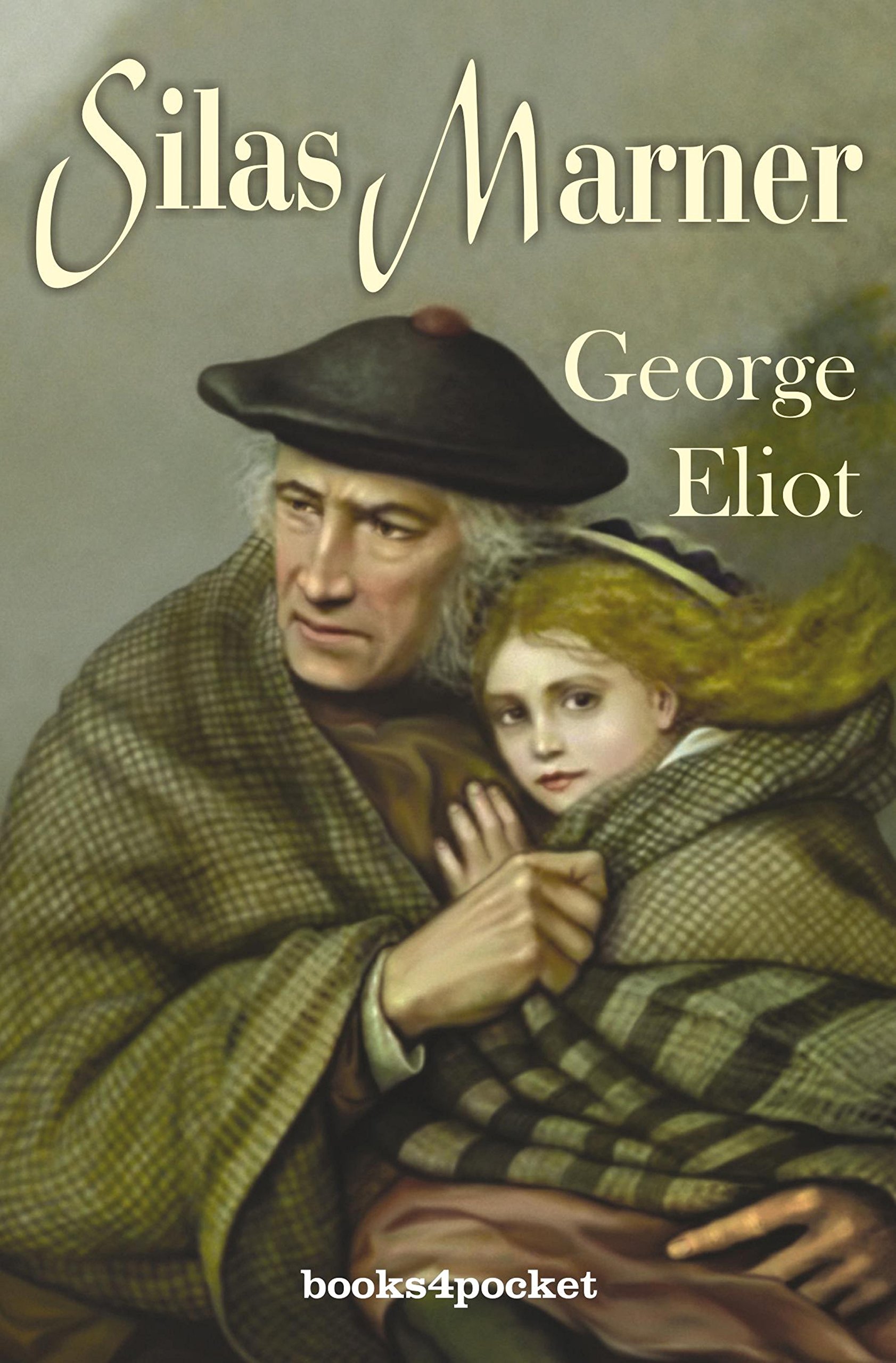
I am not an avid reader at all. I do read the newspaper from cover to cover. However some wonderful writers have sort of landed in my lap at important times in my life. Back in my school days I remember being mesmerized analyzing some of the set texts. One was Silas Marner, the other two were Shakespeare’s Julius Caesar and Macbeth. I thought English was up there with my best subject at school but did a bad leaving certificate exam, even though my English teacher in the then 4th year asked me if I was going to study English when I left school. I only got a B. That threw me a bit. So I silas marnerstudied Economics. I got an A in that 🙂

After high school and for a number of years, I cannot recall reading much at all other than the newspaper from cover to cover starting at the back page, the sport page. After  11 years at boarding school I just wanted to party. I did not do much study at UNE but I had some very bright mates. Come essay and exam time I would visit them, pick their brains and often borrow their lecture notes. They didn’t seem to mind.

I don’t like saying it but I don’t seem to have a lot of time to read novels. I cannot read during the day. Perhaps it is my farming background. The day was for physical work. I read at night in bed…sometimes. I usually fall asleep after a few pages. I tend to wind down in bed at night with the Herald crossword. Not the cryptic…

Sometimes I find my mind is working overtime on new ideas for an artwork, working out how I will put something together. I cannot seem to concentrate on reading. My partner suggested we should read your books, Sophie. I said to her perhaps you could read them and tell me all about them!  🙂

However I would like to mention a few books and authors that have made a huge impression on me.  Books seem to have landed on my lap at the right time in my life. I loved The Snow Leopard by Peter snow leopardMathiessen. Other writers I cannot put down include John Steinbeck, and more recent writers, Annie Proulx and Barbara Kingsolver. I love their characters. I love being immersed in the environment of the word pictures they paint. I love their characters.

I was hugely inspired by Nelson Mandala’ autobiography, Long Walk to Freedom. Years ago I read a historical novel on Ghandi, Freedom at Midnight, by Dominique Lapierre and Larry Collins, which I really enjoyed. It perhaps canonized Ghandi a bit. But he deserved it.

Tony’s website is here.
Thunderbolt Prize winners: P.S. Cottier, winner of the Poetry prize

Penelope Cottier

The New England Thunderbolt Prize for Crime Writing is a respected national award for unpublished short-form crime writing in three Open categories: Fiction, sponsored by the School of Arts, University of New England; Non-Fiction, sponsored by The Armidale Express; and Poetry, sponsored this year by the New England Writers’ Centre and the Armidale Dumaresq Memorial Library. There are also three special awards: the New England Award for a writer resident in New England, sponsored by Reader’s Companion bookshop, Armidale; the Emerging Author Award, for an unpublished writer over 18, sponsored by Friends of Tamworth Libraries; and this year, the inaugural Youth Award, for writers under 18, sponsored by Granny Fi’s Toy Cupboard, Armidale.

The Prize, which in 2015 is in its third year, is run by the New England Writers’ Centre, of which I’m Chair, and as the results of the 2015 Prize have just been announced, I thought it would be interesting to interview each of the winning authors, and ask them about their stories, their writing careers, and what they hope winning an award within the Prize will do for them.

Here’s the first of the interviews, with P.S. (Penelope) Cottier, winner of the Poetry category in the Thunderbolt Prize.

First of all, Penelope, congratulations on your win! How did you come up with the idea of your winning poem, Criminals who are no longer criminals?

Thanks Sophie.  I was thinking about the way we incarcerate asylum seekers offshore, including children, and whether this would be classed as a crime in the future (it may already be in breach of various agreements, and lead to inarguable crimes such as murder and rape).  From that I started thinking about laws that had once seemed necessary, at least to some, and which later seemed cruel, pathetic, or simply very odd, and which are now repealed.  These laws include those against homosexuality, witchcraft, eavesdropping, and laws about found treasure which I vaguely remembered from studies in first year law.  Finding out that just walking around at night was once a crime was a total bonus, so far as the poem was concerned. I had a vivid image of all those who had been subject to these laws meeting, as ghosts, outside a court room.

The poetry judge, Les Murray, commented on the evocative nature of your descriptions. How did you go about creating that texture?

I try to put aside too much thought when writing a poem.  I like to have a fairly strong idea of what I will be doing before I start, but when I am writing my best work it is as if I am taking dictation from someone unseen.  Not automatic so much as going through the gears in a manual car without thinking about it.  You only become conscious if you miss a gear.

This intense cruising was more difficult here because of the law lurking around like a bore at a party.  (The sort of bore who wears a ‘funny’ bowtie and can’t wait to assail you with stories of his most awesome success.)  But the poem contains more than a whiff of smell, has some sounds I like, word play, and an element of surprise, co-existing with a strong sense of sorrow.  I think I avoided being too preachy or tedious, despite the research wedged in there.

I’m glad that Les liked it!

Have you written poetry themed around crime before? What attracted you to do so?

I was about to say ‘no’, and then I remembered that a poem that was the joint winner of the Arts ACT David Campbell Prize dealt with a father who had murdered his children.  Again it had a element of the dreamlike to it, while dealing with an unfortunately real situation.  It was called ‘Visitation’ and the dead children appear to the mother in her dreams.

Can you tell us a bit about your background and writing career?

I was born in England, raised in Melbourne and live in Canberra, a place I now love, after a long and intense struggle.  My latest publication is a pocket book called Paths Into Inner Canberra, which is an essay with two poems, looking at notions of nature and the way that wild animals can be found a few kilometres from Parliament House.  (Insert politician joke here.)  It gives me great joy that a piece of writing can be produced and sold for as little as $4, and that Ginninderra Press produces this type of publication.  This book can be ordered here.

Of relevance to this award is the fact that I have a law degree.  I go months without remembering that!  I also have a PhD in Literature from the ANU, written on images of animals in the works of Charles Dickens.

I write as P.S. Cottier, which sometimes stands for Post Script, as I started seriously seeking publication relatively late. (I almost forgot.)  I have had three books of poetry published, co-edited an anthology of poems, and have even stooped to prose fictional and non-fictional, as noted above.

What do you hope winning the Poetry prize will do for you as a writer?

This may sound a little cute, but writing poetry is an end in itself, particularly when someone gets to read it.  I am pleased that the poem is being published, and that I managed to write a poem about law reform and the cruelties of the past (and by extension, the current limitations of the law).

I try my hardest not to think in terms of a writing career.  That probably means my view of poetry is hopelessly romantic.  If I want to have a poem I have finished read, I will post it on my blog at pscottier.com as often as submitting to a journal.

But I will certainly buy something cool with the prize money.

As a reader of poetry, what do you look for in a poem? Which poets have influenced your own work?

Invention and surprise are my favourite aspects of poetry.  I like unexpected combinations of words and play.  Huge slabs of self reflection, or emotions thrown at the reader like sodden hankies, are not my favourite things.

I love Emily Dickinson because she avoids easy translation into a single message.

Byron is a favourite because he lurches between tenderness and sarcasm.

I read as widely as possible in contemporary poetry written in Australia and elsewhere.