Story behind the story 7: And Then authors and their contribution

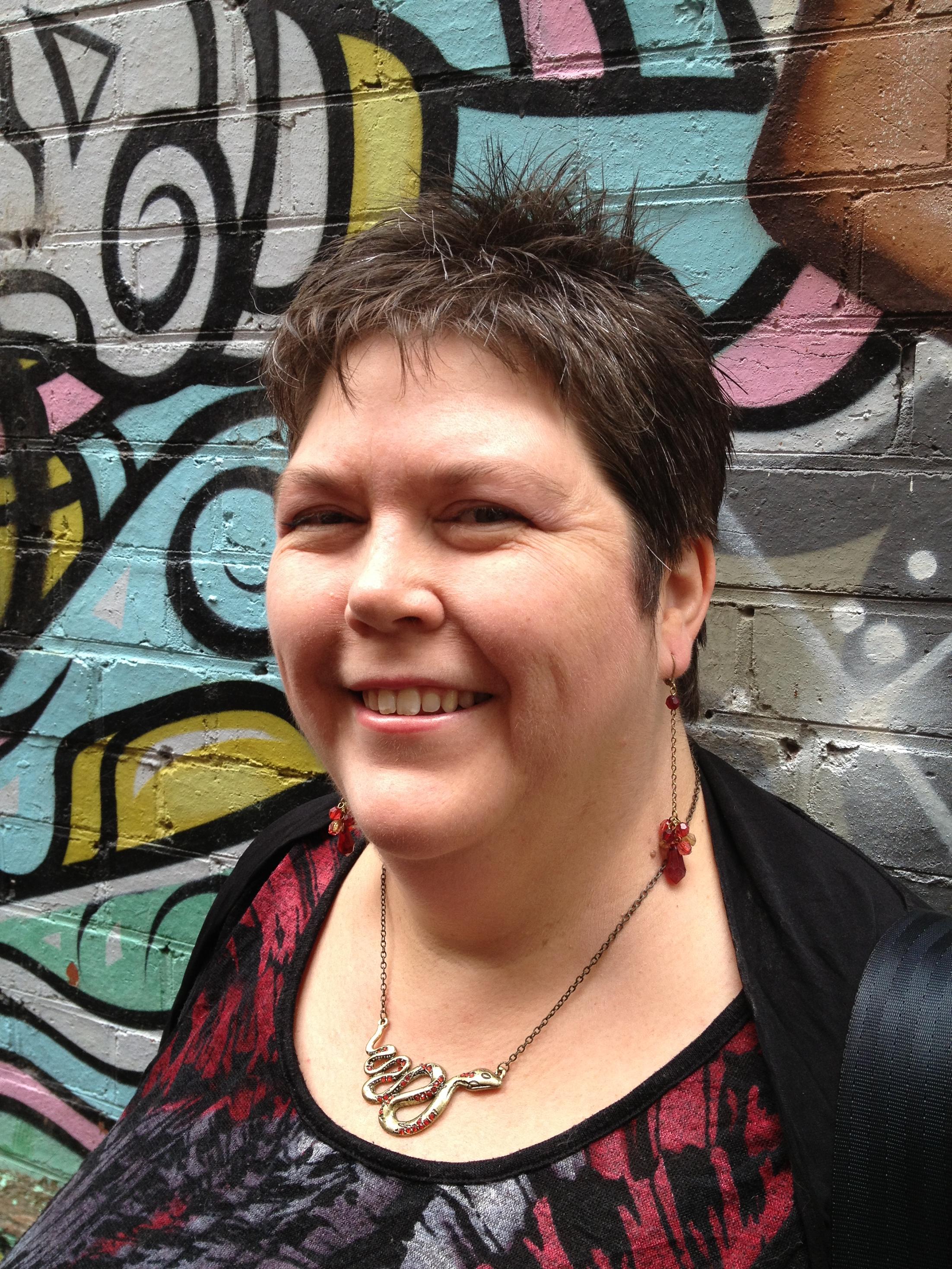
Today, Kelly Gardiner talks about her story(published in Vol 1)

kellyg1Boots and the Bushranger is set in the early days of the Victorian Gold Rush in the booming town of Castlemaine, where every square foot was dug up and turned over, where people made and drank and lost fortunes or pennies, and where (as we now know, thanks to Clare Wright’s ‘Forgotten Rebels of Eureka’) women were a important part of the goldfields communities.
But what happens when some of those women decide to take the law into their own hands?
It’s the first in what will become a series of stories paying homage to the early sisters of Sherlock, those feisty young women like Hilda Wade and Miss Cayley, who were enormously popular amateur detectives created around the same time as Conan Doyle’s Holmes. I love how so many of those early detective stories were short stories: how much character and humour, how many clues and mysteries, were crammed into a few thousand words.
‘Boots and the Bushranger’ sets our two young heroines at odds with the law and their families, and is (I hope) their first of many brushes with danger, disguise, derring-do … and wombats.

Story behind the story 6: And Then authors and their contributions

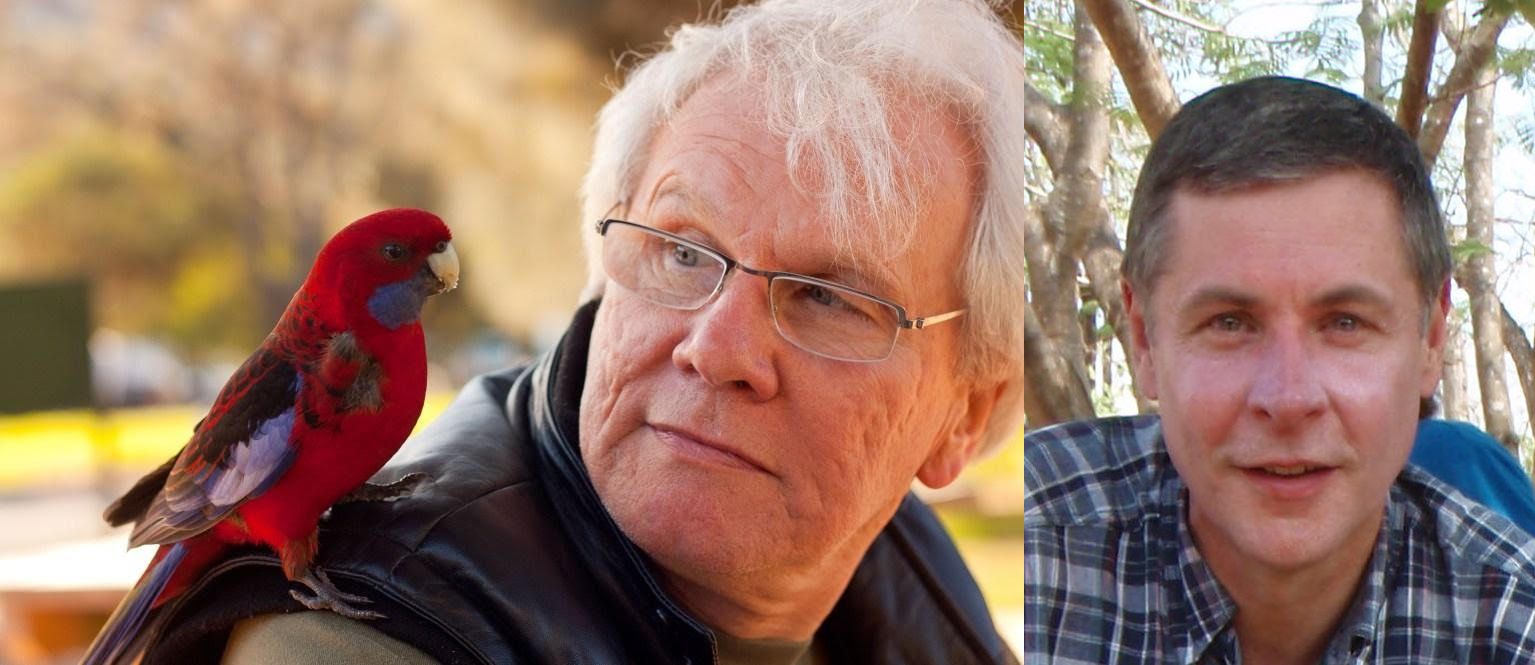
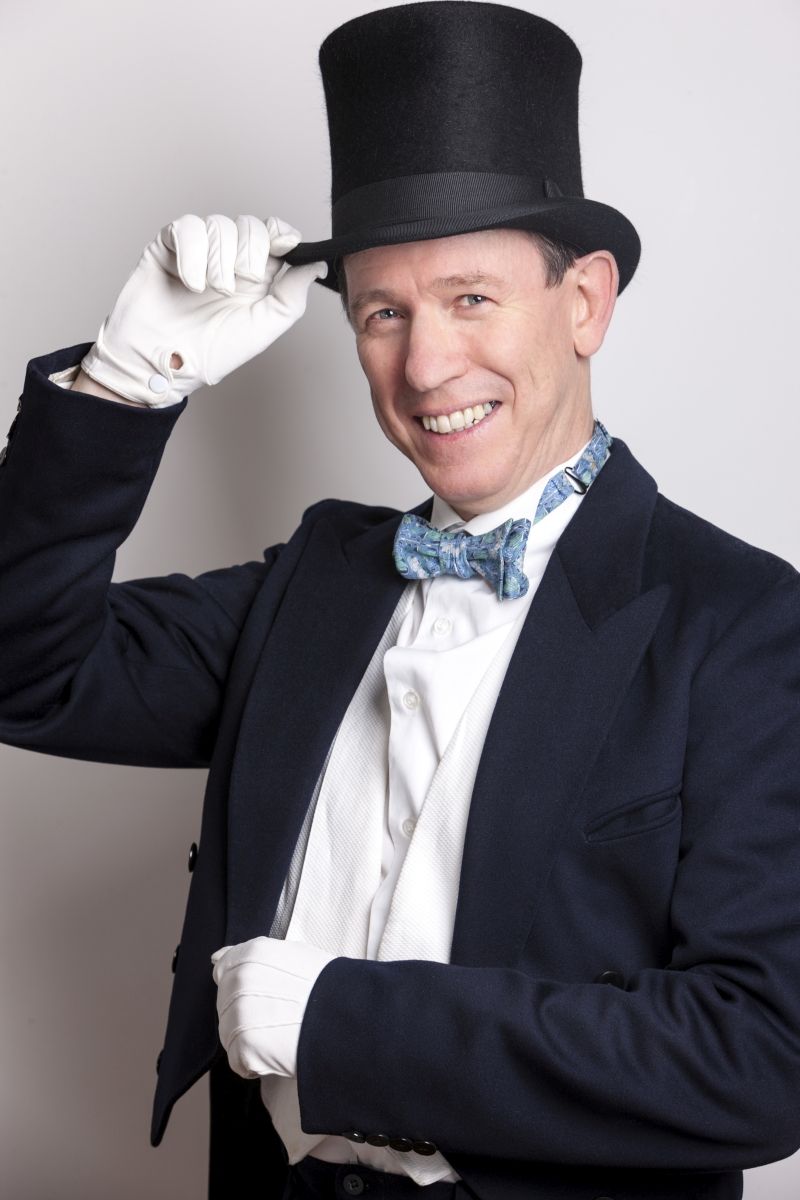
Today it’s the turn of Jack Dann and Steven Paulsen(who collaborated on a story in Vol 2 ) and James Hopwood(story in Vol 2 ) to tell us about their And Then contributions.

jack-dann-and-steven-paulsenHarold the Hero and the Talking Sword, Jack Dann and Steven Paulsen

Jack and I have been talking for a while about doing a project together when the opportunity to write a story for Clan Destine’s ‘And Then…’ anthology came up. Jack had showed his story ‘The Talking Sword’ to Lindy Cameron. She loved it, but suggested it be expanded because the brief for the anthology was for stories with two equal protagonists; and in Jack’s original story the demon sword held sway over his ‘sidekick.

So…we started talking; and before long we were not only brainstorming the further adventures of the time-travelling sword, but we were working out how we might bring its unlikely wielder, Harold the Hero, to the fore. We took our inspiration from Homer’s Odyssey and asked ourselves what would happen if the sword somehow lost all its powers. The result is ‘Harold the Hero and the Talking Sword’. It was certainly great fun to write, and we hope it will be just as much fun to read.

hopwood-bioThe Lost Loot of Lima, James Hopwood
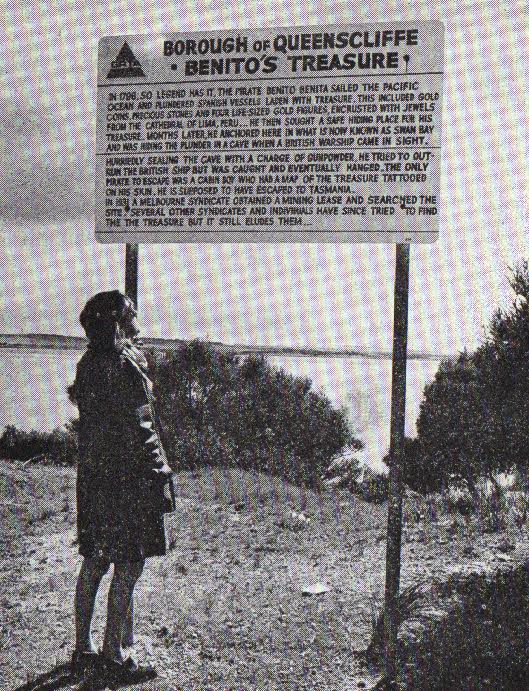
I have always wanted to write a ‘treasure hunt’ adventure story, and while trying to come up with an idea, I can across this old newspaper clipping(below) which suggested that a fantastic treasure trove known as the ‘lost loot of Lima’ was buried in Queenscliff. I immediately wanted to know more, and hit the research trail.
hopwood
My story, a globetrotting adventure, which is set in 1955, follows archaeologists Mark and Sarah Page (known as The Pages of History) as they follow the clues, and race to beat a cadre of neo-Nazis to the treasure.


Story behind the story 5: And Then authors on their contribution

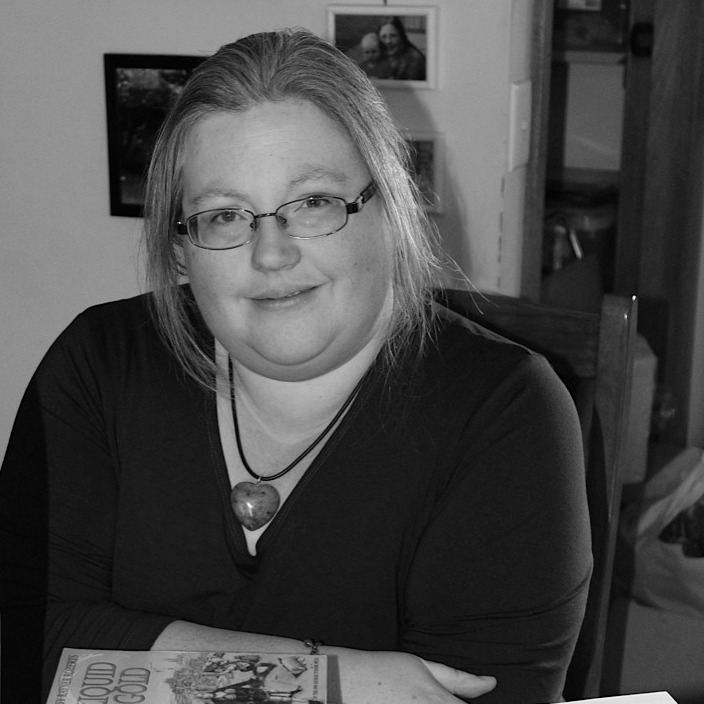
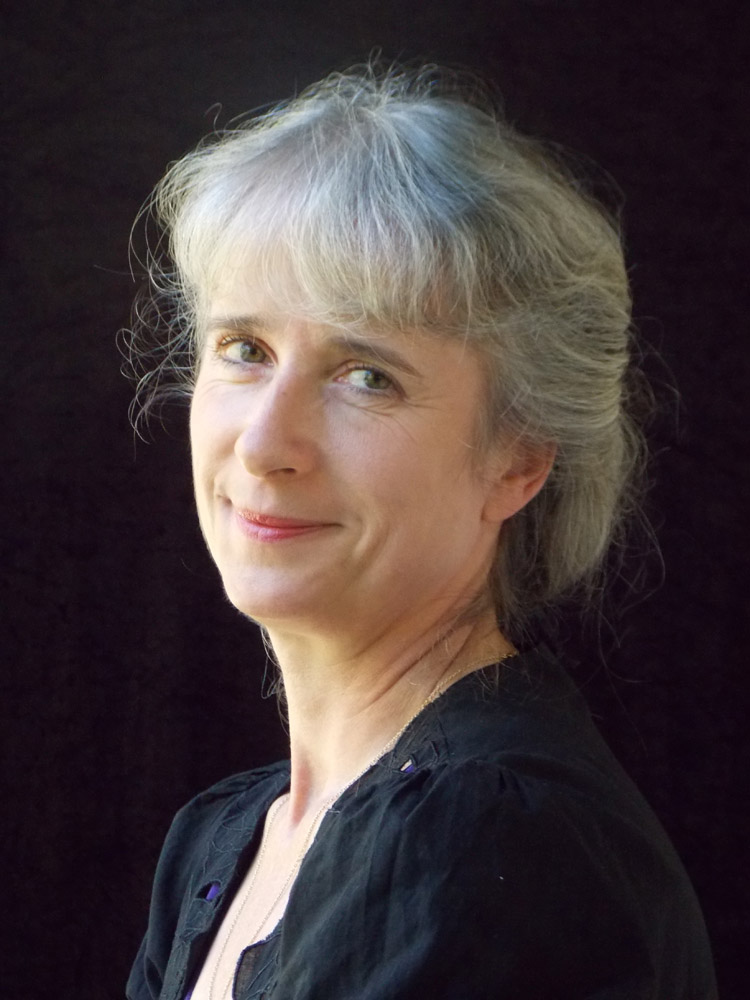
Today, we’ll hear from Evelyn Tsitas(story in vol 1) and Lindy Cameron(story in Vol 2–and also the  fabulous publisher of And Then!)

evelyn-tsitas-photo-copyStealing Back the Relics, Evelyn Tsitas

 Stealing Back the Relics is a Dan Brown style art theft thriller, stealing wilfully from my intimate knowledge of the art world and academia. My day job is working in a university art gallery, so I know a thing or two about that rarefied scene. And as a speculative fiction writer, playing around with the supernatural is what comes as second nature.

 Inspiration for Relics came from a frenetic three-week trip to Europe, immersing myself in art galleries, presenting at academic conferences and catching up with an art historian friend in Germany and a journalist friend in Paris. I was up cathedrals, down catacombs, and sketching in museums where I was drawn to the grotesque and beguiling reliquaries – ornate vessels that hold sacred pieces of saints.

 The David Lodge style ‘campus novel’ twist in Relics came after a chance conversation with a friend’s husband. It turned out he was doing his third PhD. Now, still in recovery from finishing my own (first) doctorate (and not contemplating a second) this was struck me as so outrageous a passion that overnight it somehow merged in my writing subconscious with my European trip, and my newfound obsession with reliquaries. Relics and its characters emerged overnight. Of course, the female protagonist, the sassy Greek Australian journalist, may (or may not) be a self-portrait…or wish fulfilment!

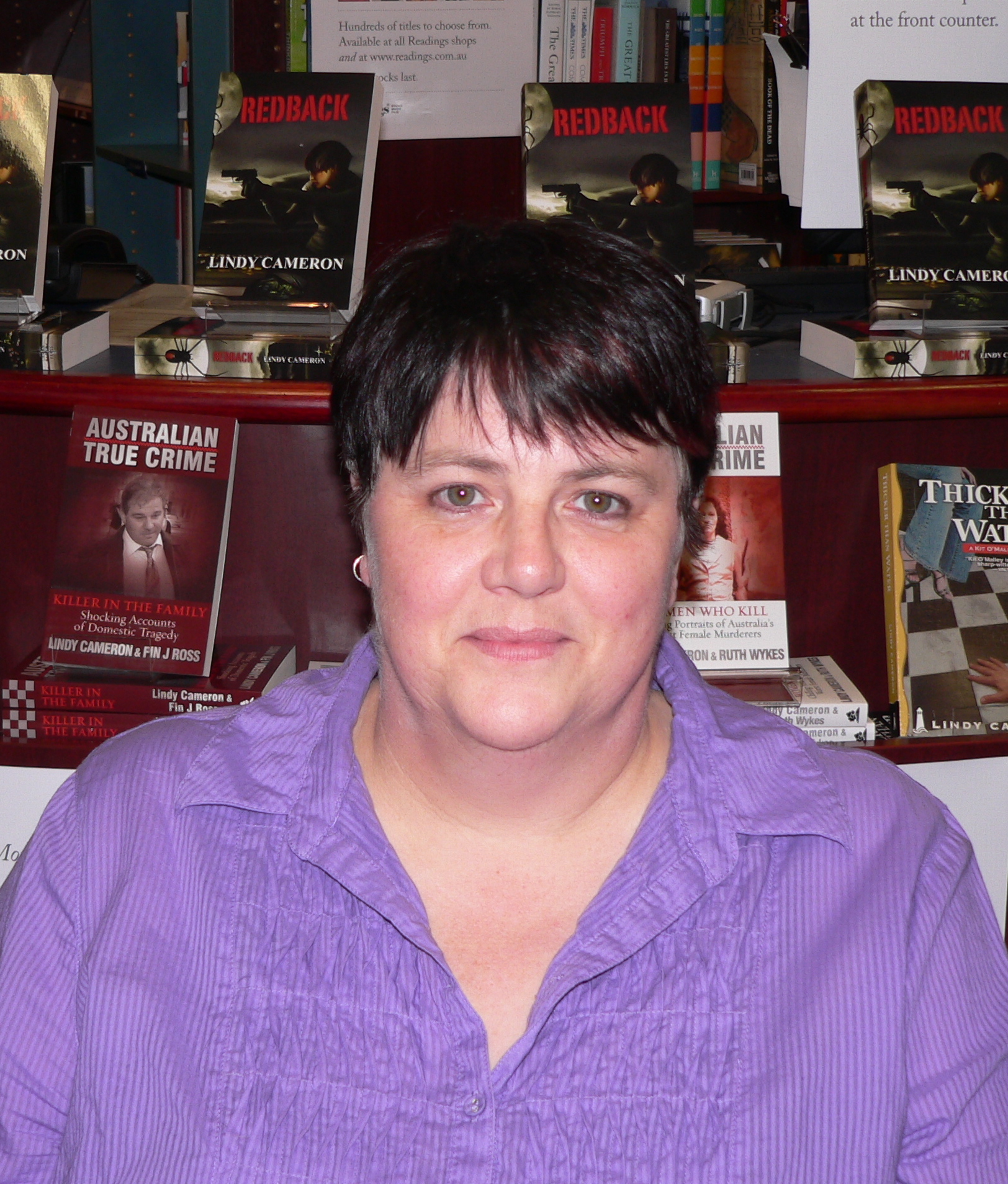
lindy-cameron-3The Medusa Stone, Lindy Cameron

The idea behind what became The Medusa Stone is what prompted the idea for the whole anthology.

I love cliff-hanging page-turning Indiana Jones types adventures and wanted to write one myself. But as my original idea is part of a series of novellas I’m writing that will ultimately form a mosaic novel, I wanted to write a shorter one for And Then…

The overarching story is:

A tale of Amazons and the Great Library of Alexandria in which a time-travelling archaeologist and a writer from the 21st century meet the great-great granddaughter of Alexander the Great and Queen Thalestris.

The Medusa Stone episode, which begins in Istanbul in 1928, follows the adventures of two women, an Australian aviator and a English traveller, who battle both ancient Romans and Nazis – with the help of the Amazons of Amsara.

Story behind the story 4: And Then authors on their contribution

Today’s it’s the turn of Amanda Pillar (story in Vol 2)  Sulari Gentill(story in Vol 1) and Kat Clay (story in vol 1) to tell us something about their And Then stories.

profile3It, Amanda Pillar

‘It’ is a science fiction tale set on a planet that is plagued by a giant kraken-like monster.

And, believe it or not, it was inspired by a dream I had years ago. In fact, there are a couple of scenes that are direct reproductions of the dream!


sulari-gentillCatch A Fallen Star, Sulari Gentill

My contribution to the And Then… anthology is quite a departure from the historical crime, and mythic fiction I usually write.   Set in the near future, it imagines an Australia that has swung hard to the right, where nationalism is used to quell any resistance.  It is a storification of my own fears about the direction the world is heading.  Sadly, in the short time since I finished the writing it, Catch a Fallen Star has become a lot less speculative than I hoped it would remain.


web-portrait-kat-clayIn the company of Rogues, Kat Clay

In the Company of Rogues was born out of my love of fantasy video games, and my general amusement playing with genre tropes. You know the ones: the guy in a dark cloak chasing our heroes, giant spiders, and of course, the loveable rogue. I love rogues, but they sure do get away with a lot. I thought about what the consequences would be of this lifestyle, and so we chance upon our hero Randall the Rogue, who has developed an STD from too much ‘rogueing’. Together with his sidekick, Dennis the Budgerigar of Doom, they have to go on a quest to cure his illness, with the help of a lady rogue… and as they say in the land of Sidarth: “Never quest with another rogue, they’ll steal your heart then steal your clothes.”

Story behind the story 3: And Then authors on their contribution

Today in the And Then series we’re hearing from Alan Baxter (story in Vol 1),  Narrelle M. Harris, (story in Vol 1) and Michael Pryor (story in Vol 2)

alan-by-nicole-web-crop-smallGolden Fortune Dragon Jade, Alan Baxter

My story was a chance to finally write something in the style of the wuxia and kung fu epics I’ve always loved so much. And being a kung fu instructor, with the majority of my life embedded in that culture and all it entails, it seemed I ought to write something related. The two protagonists are cousins, he a Shaolin monk, her an accomplished geomancer. The Shaolin monk, Yong Fa, is named after my teacher in a subtle homage to him, and the character shares some of my teacher’s irreverence and cheekiness, but is otherwise an entirely made up person. The geomancer, Zi Yi, is altogether more serious and focussed, but an accomplished mage in her own right. Together their skills are complimentary and that’s just as well when they realise the scale of their task, the distance they have to go to track down their missing jade dragon, and the kind of unforgiving country they’ll be led to. It was a hell of a lot of fun to write and I hope people have a lot of fun reading it too.

narrelle-m-harris-midVirgin Soil, Narrelle M Harris
The germ of my story came from an old building in Fitzroy, and the name, Moran and Cato, high above the streets. They were once a well known grocery chain. The building now houses the excellent Naked for Satan bar. I just liked the juxtaposition of the names, and the characters grew from there. Cato – clearly a man/rat shapeshifter. Moran, clearly a magically inclined offsider. But they were murky. Not necessarily good guys, though not necessarily bad guys. The grey guys, really. That’s how the story grew – I wanted them to do be doing dark magic but not for dark reasons. I also love writing stories set in Melbourne, whatever the era, and I’d been researching the 19th Century goldrush and Melbourne for another story, so that was a logical extension of where to set their adventure, especially since the goldrush was such a time of contrasting fortunes and full blooded adventure on its own.
(Note: You can also read an excerpt from the story here)

pryor2-lo-resCross Purposes, Michael Pryor

I’d been doing some unrelated research on the 1930s, and got side-tracked into reading about Errol Flynn. I started imagining what this rambunctious, charismatic ne’er do well would have got up to if he’d stayed in Australia. Adventures, I suspect, of the slightly rakish kind, all with that charming grin as his final defence. When the opportunity to contribute to ‘And Then’ came up, with a few tweaks, I had a character based on Flynn ready to go. Add to that a timely visit to Cooktown in Far North Queensland, an introduction to the Railway That Goes Nowhere, and the elements for a rip-roaring tale started to fall into place.

Story behind the story 2: And Then authors on their contribution

Today, we’ll hear from And Then contributors Tansy Rayner-Roberts(story in vol 1) Sarah Evans, (story in vol 2)  and Jason Franks (story in vol 1).

tansybwDeath at the Dragon Club, Tansy Rayner-Roberts
My story is one I had been toying with for a while — about a pair of retired assassins and siblings-of-choice who run away from their violent profession and end up joining a circus full of dragons… only to have their old and new worlds collide all over again. This book was a great excuse to write that story, and I’m so glad I did. I hold Kurt and Inga Frostad, and their beloved dragons and their snarky dialogue, very close to my heart, to the point that I got all soppy and nostalgic while proofing. And then I promptly started planning the sequel…


profile-photo-1Plumbing the Depths, Sarah Evans

Plumbing the Depths began life as an experimental entry in RWA’s First Kiss competition. I loved the idea of a vegetarian-turned-reluctant vampire canoodling (against her better judgement) with a gorgeous avenging angel. But the judges didn’t. Ho hum. The story was all but dead in the water.

Luckily vampires don’t die that easily. When CDP publisher Lindy Cameron asked for submissions for the And Then… I decided to revamp the vampire-angel story and give it a fresh twist.

Sure, the vampire, Matty Peters, was still reluctant to embrace the dark side, but the angel took on a totally new persona. From a dark and brooding love interest with a hip name, he morphed into Ted, an over-weight, retired cop caught in purgatory with his salvation relying heavily on the number of souls he can collect, including Matty’s.

Consequently, there’s no romance and definitely no canoodling. Instead, the unlikely couple end up joining forces to become very dodgy vampire slayers.

The result is a fast-paced, tongue-in-cheek adventure romp.

Enjoy!

jf_c_300pxExli and the Dragon, Jason Franks
When Lindy approached me about contributing to And Then… one of the things I liked best about it was that the brief was so wide open. I decided to take that as a challenge when I came up with “Exli and the Dragon”.
I haven’t written science fiction for a few years, so that was my first challenge: to reacquaint myself with the genre. I went at it like a glutton, helping myself to all the best bits: high performance space ships, grumpy robots, pew pew lasers and some actual, proper science. I had been wanting to write a story from the point of view of a creature that is completely non-human, so that gave me one of the two protagonists. The second protagonist is a human–something rare and strange in the galactic society in which this story takes place.
I also challenged myself to write an action story without violence. So, while our two roguish heroes face plenty of danger as they attempt to escape from space prison, neither of them are equipped for combat and they must find other ways to reach their goals. Mainly, though, I just tried to keep it twisty and fun. I hope you fine readers enjoy it.


A Writer’s Dream, guest post by Glenice Whitting

glenice-whitting-jpgI’m delighted to publish today a guest post by author Glenice Whitting. Her debut novel Pickle to Pie was shortlisted for the Victorian Premier’s Literary awards and won the Ilura Press International Fiction Quest.  During her studies from VCE to PhD she was invited to become a member of The Golden Key International Honour Society and awarded an APA scholarship. Her latest novel, ‘Something Missing’ will be published by MadeGlobal Publishing and launched at Swinburne University 11th December 2016. 

A Writer’s Dream

by Glenice Whitting

Writers often dream of being published and getting their work ‘out there’. I am no exception and I am delighted that my second novel will be launched in December 2016 by MadeGlobal Publishing. ‘Something Missing’ began life as my artefact for my PhD at Swinburne University. It is the story of  two women who changed each other’s life through a friendship that spanned two countries and many decades.

I had just completed my Masters of Creative Writing at Melbourne Uni as a mature aged student when my first novel, Pickle to Pie co-won the Ilura Press International Fiction Quest. This meant a cash advance, plus publication and I was beside myself with excitement. Pickle to Pie was the story of a boy, a great-hearted German Grossmutter and a man caught between two worlds. I had promised myself, if Pickle to Pie was ever published that I would give up my day job. Hairdressing had always augmented the family income through good times and bad. After the book launch I stuck to my promise and sold the salon. I knew I was not a J K Rowling, but I was happy.pickle-to-pie

I had often toyed with the idea of studying for my PhD but never dreamt it could happen. However, to be awarded an APA scholarship meant the opportunity to study at Swinburne University and I grabbed it with both hands. With the help of two supervisors I could learn the craft of writing and understand all the rules. I would then know why I was breaking them. This was my chance to spread my writing wings and fly to the moon.

Did I follow on from the German Australian story? Did I build on the shoe-box of old postcards written in High German found in the bottom of dad’s wardrobe after he died? Or the bookcase filled with A4 folders containing years of German/Australian research? Of course not. Instead, I decided to do what so many writers do. I chose to write something close to my heart: something entirely different. This time it would be a women’s story based on my thirty-five year pen-friendship with an older American poet. It would be a story about two women, a life changing pen-friendship and the lies that led them both to truth.

I wrote in my journal,

‘I am writing an epistolary, autoethnographic novel grounded in both feminism and post modernist paradigms with the aim of revealing women’s hidden stories in the hope of instigating social change. I believe this embedded story of the journey of self discovery and friendship will carry with it the possibility of nothing less than the restoration of faith in human kind.’

What lofty aims, but here was a chance to use our letters, interspersed with text, to explore the influence this elderly poet had on a young woman who left school at fourteen to become a hairdresser: a woman who unconsciously yearned for the education given to her brother and denied to her. My ongoing journey into epistolary fiction using letter, diary and journal extracts, plus snippets of poetry, had begun.

For four years I am caught up in a world where my mind keeps bouncing backwards and forwards between my creative writing of this novel and the formal academic exegesis. I try to remain true to my research title;  A Novel and an Exegesis Beyond Epistolarity.

Friends warned me that I would have a meltdown post PhD, but I was convinced that would not happen to me. I was too strong, too resilient. That sort of breakdown only happened to other people. The wail of the ambulance soon bought me back to earth with a thud. To leave my wheelchair and walk on stage wearing the hired floppy Tudor bonnet and colourful gown was a highlight in my life. I had an overwhelming feeling of achievement and self worth that no one could take away from me.

The mature aged student journey from VCE to PhD had required passion, dogged determination and guts, but it had also been the most exciting, exhilarating time in my life. I knew I would miss it and all the friends I’d made along the way.

I took a long hard look at what I’d written, and following the suggestions of American author/editor, Cindy Vallar, I inserted quotation marks to all the dialogue and renamed the manuscript ‘Something Missing’. But, had I, over the years of study, begun to sound as if I’d swallowed a dictionary?

book-cover-newThe third rewrite of the entire manuscript is the one that is being published. It was an invaluable lesson. To be a writer I had to be myself and write the way I really wanted to write, from the heart. I took out the overarching second person narrating character, made both Maggie and Diane third person narration, threw in a handful of suspense and Voilà… ’Something Missing’ was born. It had gone beyond academia, beyond epistolarity into popular fiction. I was over the moon with excitement the day I received the email that Tim Ridgway and Melanie V Taylor of MadeGlobal Publishing loved the story and would be sending a contract etc.

I will always be grateful to fellow colleague and wonderful friend, Wendy J Dunn, author of Author of Dear Heart How Like You This, The Light in the Labyrinth, and Falling Pomegranate Seeds  who recommended I send the manuscript of my novel to her publisher .

It is every writer’s dream to hold their book in their hand. It gives them a chance to thank all the people who have helped along the way. There have been so many people I could list who have patiently and painstakingly worked with me through all three versions of this novel. However, there is an indescribable joy in finally being able to thank them formally, via the acknowledgment page, in the soon to be published last reincarnation of the manuscript, ‘Something Missing’.

 I have asked Wendy Dunn if she will endorse my novel. Below is her generous reply:

 Something Missing narrates the story of a life changing friendship that spans decades and two continents. It is a powerful and beautifully told story of how we grow through the power of friendship – and how relationships change over time. Empathetic, full of life’s truths and wise – Something Missing is a work that stays with you, and speaks to our hearts.  

Anzac Stories: Behind the Pages Exhibition and my part in it

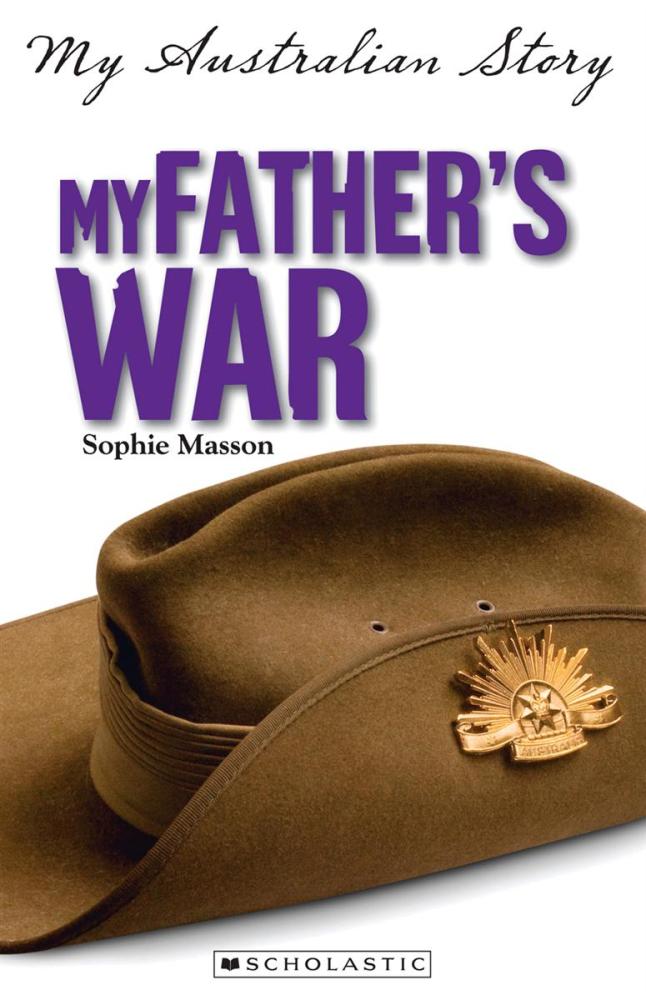
1914-coverI’m honoured to be part of the Anzac Stories: Behind the Pages exhibitions which will run throughout Australia in 2017 and 2018, and will showcase Australian and New Zealand contemporary children’s books set in wartime, and the stories behind the creation of those books. The exhibition is the brainchild of the fantastic New Zealand author Maria Gill, who initiated a similar exhibition in New Zealand earlier. Boards featuring individual books and writers will be exhibited in libraries across Australia. My two World War One novels, 1914 (Scholastic, 2014) and My Father’s War (Scholastic 2011) and the stories and research behind them, will be part of the exhibition. There’s also an Anzac Stories blog, with info about each book and a short interview with their writers. Here’s a little extract from mine: my-father-s-war

Doing the research on the ground, in northern France especially, made it all become so real and so emotionally affecting. Both books blend my two main cultural influences: French and Australian, and that also felt like a very positive thing, especially as the ties between France and Australia forged during that terrible time are still very strong, particularly in the Somme region of northern France, where they have a saying, N’oublions jamais l’Australie : ‘Let us never forget Australia’

You can read the whole thing here.


Interview with Kenn Nesbitt, poet and compiler of One Minute till Bedtime

kennwithbooksIn 2014 I and many other writers received a lovely and unexpected invitation from prominent American children’s poet Kenn Nesbitt, asking if we would be interested in submitting poems for an anthology he was compiling, One Minute Till Bedtime, which would also include such contributors as Jack Prelutsky, Jon Scieszka, Jane Yolen, and Lemony Snicket. Talk about great company! And I was so thrilled when Kenn accepted my poem, Seagull Beach Party.

Two years later, and this week sees the publication of One Minute Till Bedtime. Containing the work of many poets from the US, UK, Australia and Canada, selected by Kenn, and beautifully illustrated by Christoph Niemann, the book is published by Little, Brown and is available around the world, including Australia. To celebrate its publication, I spoke to Kenn about the project, his own career, and children’s poetry in general.

First of all, congratulations on the publication of One Minute till Bedtime, Kenn! It’s lovely to see it out there. How did you come up with the idea for this unique poetry anthology?

Many years ago, the poet Bruce Lansky pointed out to me that most children’s poems can be read in an average of about one minute. Since then, I have tried to encourage teachers to take one minute of their school day to share a poem with their students.

When I was named Children’s Poet Laureate, I decided to create a website called PoetryMinute.org to give teachers a resource where they could easily find one-minute poems to share with their students for every day of the school year.

While I was in the process of creating this site, I was approached by Susan Rich at Little, Brown Books for Young Readers about creating a book around this idea of one-minute poems. She and I decided that bedtime might be the perfect time for a book of short poems, and One Minute till Bedtime was born.one-minute-till-bedtime

The contributing poets come from around the world. How did you go about sourcing poems for the anthology? 

Over the years that I have been writing children’s poems, I have developed relationships with many poets throughout the US, Canada, the UK and Australia. I called on many of these authors, and reached out to lots of other poets whose work I admire. Thank goodness for email and the Internet. A project like this would have been much more difficult 20 years ago!

With its wonderful poems, lively illustrations by Christoph Niemann, and attractive design, One Minute till Bedtime is a most appealing book for children and their parents. And obviously there’s a lot of work behind it. Can you tell us a bit about the process of putting together such a big project with the publisher, Little, Brown?

To begin, I wanted to create a collection that focused on the work of living, working children’s poets, rather than reprinting classic and public domain works. So I sent out a call for submissions to over 200 poets from around the world, looking for brand new poems that had never before appeared in print. I received submissions from roughly 170 different authors. I read them all, highlighting the ones that I thought might work. Once I knew which poems I wanted to include, I printed them all out and spread the papers around my dining room table, looking for natural pairings between poems and organizing them into sections.

Along the way, I tracked everything with spreadsheets, including submissions, selections, the order of the poems, and so on. While I was doing this, Little, Brown was on the hunt for just the right illustrator. Christoph Neimann was a truly inspired choice. His simple, yet incredibly clever illustrations compliment the poems perfectly.

Once the manuscript was completed, Little, Brown began working with Christoph on the illustrations and with me on the process of proofreading, editing, typesetting, and troubleshooting.

In the end, it all came together beautifully. I couldn’t be more proud of this book.

You are a popular and much-published poet. Can you tell us something about your own career, and how you started? What do you think has changed, if anything, over the time you’ve been published, in terms of attitudes to poetry for children?

I began writing poems as a hobby for my own amusement. I wrote for several years before I ever considered trying to get published. I also created a website, poetry4kids.com, in 1997 to share my work with readers online. I had my first poems published in 1998 in an anthology called Miles of Smiles. My first book, The Aliens Have Landed at Our School! was published in 2001. Since then, I have written many more books of children’s poetry, as well as a couple of picture books and a chapter book.

It seems that there are more poets writing for children today than ever before. At the same time, there are fewer individual poetry collections being published. Many children’s poets have instead turned their talents to writing picture books, novels in verse, etc. Large hardcover collections, such as those of Shel Silverstein and Jack Prelutsky, are becoming rare as hens’ teeth. Recent books by Alan Katz and Calef Brown are notable exceptions.

It is my hope that One Minute till Bedtime will not only introduce a new generation of parents and children to the joy of poetry, and showcase the works of today’s best children’s poets, but will also show publishers that poetry is worth pursuing.

You are the US Children’s Poetry Laureate and a tireless advocate for poetry. Why do you think poetry is so important for children? And what more do you think could be done to enhance children’s access to poetry?

I was the Children’s Poet Laureate from 2013-2015. Although I’ve passed that torch to my successor, Jacqueline Woodson, I continue to promote poetry to children, parents, and teachers around the world.

I believe poetry is important for children because it is short, fun, and memorable. (Everyone remembers something by Mother Goose, Dr. Seuss, and probably several other poets of childhood.) This combination makes poetry an easy springboard to reading and writing. Introducing children to poetry can help make them lifelong lovers of the written word.

The best champions for poetry are the earliest ones; parents and teachers. I believe the best way to enhance children’s access to poetry is to encourage parents to read to their kids, and to ask teachers to share poetry in their classrooms. Once they do, they will find that kids can’t get enough.
Interview with Therese Walsh, editor of Author in Progress

12803300_10207051919154843_5638323324479667397_nSome years ago–I think it was back in 2008–I was invited to become a regular contributor to the international writing blog, Writer Unboxed, founded by US writers Therese Walsh and Kathleen Bolton two years previously. Their idea was to create a community of writers who would find guidance, support and encouragement in WU, as well as great advice and tips. That’s certainly proven to be the case, and Writer Unboxed is one of the most popular and respected writing blogs in the world today, garnering several awards as well as an ever-increasing list of followers, a very active Facebook and Twitter presence, and the hosting of a unique conference–or Unconference, as it’s titled!

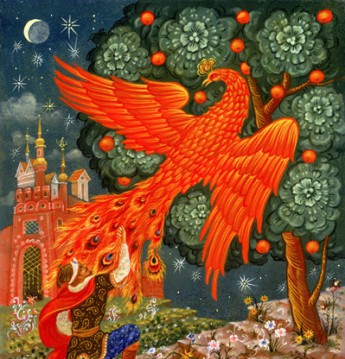
And now comes the next step: a book which gathers together a great deal of individual and collective wisdom and advice from Writer Unboxed contributors and community. Author in Progress: A No-Holds Guide to What it Really Takes to Get Published (Writers’ Digest Books), is being released today, November 1 and will be available from online booksellers such as Amazon, Barnes and Noble, etc, as well as the Writers’ Digest shop. Edited by Therese Walsh, and with an introduction by respected author James Scott Bell, it features over 50 essays from novelists, editors, agents and contributors from the WU community. The book goes well beyond the usual run of how-to-get-published books: from discussing reasons why people want to write right up to post-publication issues, and much more in between. I’m delighted to say by the way that I have an essay in the book, which is called ‘Writer as Phoenix’, and is in the final section of the book.

And today, I’m delighted to celebrate the publication day of Author in Progress by featuring an interview with its initiator: writer and editor extraordinaire, Therese Walsh.

***************

Welcome to my blog, Therese! How did the idea for Author in Progress come about? What was your vision for the book, and how did that evolve as time went on?

Thanks for having me, Sophie, and for the opportunity to talk about Author in Progress.

The book came about after I met with Phil Sexton at the Writer’s Digest conference last summer (2015). He mentioned the idea of doing a book with them, and that took root with me over a month or so. I had a follow-up phone call with Phil, and he mentioned the freedom we’d have to do the type of book we wanted to do. After that, the idea for Author in Progress fell into place rather quickly, as I considered what I knew to be true about writing a book – because there are some things I always say when someone who is not yet published asks, ‘How did you get published? What did you do?’

The book is broken into parts, following the stages a writer will likely go through on the road to publication: Pre-writing considerations, the writing itself, critique-related topics, educational considerations, rewriting, perseverance, and releasing the project once you’ve served the work.

Author in Progress is a very different kind of how-to writing book, as it doesn’t assume that the journey ends when your book is published. And it offers the advice and experience of many different contributors. How did you go about gathering and editing contributions from so many people?

Assigning essays was much easier than it might have been, in part because Writer Unboxed contributors are exceptional to work with (I’m not at all biased!). I think the other reason it was relatively easy was because of the adaptability of the contributors, in that many could write to several stages of the book. That said, there was a certain magic to the match-ups and I’m particularly pleased with how that went; everyone delivered something about an issue that resonated with them personally.

In terms of gathering and editing, I created a deadline for essayists to turn in their work and that deadline was met almost without exception. I then read over each essay, and suggested revisions when I thought they might make the book stronger. I then did a final edit for clarity—adding headers—and correcting for typos. This is what was then submitted to Writer’s Digest and our in-house editor there, who took everything to the next level in terms of polish and readiness for publication.

Author in Progress is aimed not only at aspiring authors, but also authors who have already been published. What do you think authors at different stages of their careers could get from this book?

One of the things authors will be able to see is that the stages of story creation are cyclical, repeating with every book. Sure, you learn things early on that you apply to each book thereafter, but that doesn’t mean you don’t hit each stage in some way. We’ve included some articles under a header called ‘Eye on the Prize,’ which addresses how a topic (e.g. critique) becomes important in a different way when you’re a published author (e.g. accepting notes from an agent, editor, even readers). We also have boxes throughout the book marked as ‘Pro Tips,’ which, again, help to root the reader in the reality of why something is important if you’re to make a career of writing.

All that said, I think the larger reason published novelists might want a copy of Author in Progress is because when we’re in the middle of a project—or at the start of one—we sometimes forget that all of this is normal. The anxiety, the doubt, the block, the research pitfalls, the need to go deep with character (and how to do that), the need to continue to learn and grow (and what steps you might take to push to the next level). I think even published authors need to remember that we’re not alone, and that the angst is part of the process, too.

Is there any particular tip or bit of advice that you would offer an author starting out on the journey–and those a bit further along?

I would tell that author starting out and an author a bit further along something similar. Writing a book is tough at times. Many of us might say, ‘If I knew how long it would take, what it would ask of me, maybe I wouldn’t have finished… But I’m glad that I did.” Perseverance is one of the key ingredients for any author in progress, and so I’d tell both of those writers to keep going, and remind them that they are not on that road alone. Truly, they are not.

The book is closely associated with Writer Unboxed, the writing blog you founded some years ago with Kathleen Bolton, which has become prominent and respected in both the author community and the publishing industry. Can you tell us about the blog, and about the insights into authorship it has given you?

Writer Unboxed  is my writing family, and it’s my hope that we are other writers’ online family as well. We are dedicated to producing content daily about the craft and business of fiction on our website, but it goes beyond that with our Facebook community (5,000+ writers strong in a promo-free zone) and our Twitter feed (@WriterUnboxed). Our ultimate goal is to provide positive and empowering support for writers of any genre.

I’ve learned a tremendous amount about writing simply by being present for the day-to-day business of the site, but I think the most crucial lesson is that it is truly a cyclical process. You envision. You create. You revise. You learn the lessons the book is there to teach you. You serve the work. You release. Repeat. As someone who hasn’t always had an easy road myself, there’s a lot of power for me personally in seeing that this process is what it is. It’s the job of being an author. It’s not always easy. In fact, it can be grueling and draining and crazy making at times. But it is a wonderful and gratifying thing to be able to do this job—build stories, reach readers. Writer Unboxed has helped me persevere to do just that.

Thank you again, Sophie. Write on!

redo-of-cover-copy