Paris literary studio 2: Ursula Dubosarsky

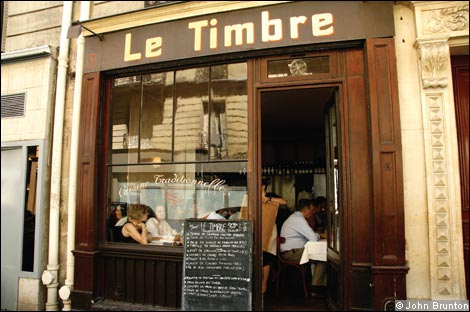
The street outside the studio--Rue Geoffrey l'Asnier, looking towards the Seine

The street outside studio–Rue Geoffrey l’Asnier, looking towards the Seine, December 2015

Well-known children’s author Ursula Dubosarsky is the current resident of the Keesing Studio in Paris, having started her residency in August 2015, and finishing in February 2016. Today, I’m featuring an interview with her about her experiences and observations during her stay so far.

Ursula, what made you decide to apply for the Paris residency?

Once I heard about it many years ago I guess it was always there in the back of my mind – a flat in Paris! What a wonderful thought, why wouldn’t I apply? But I had to wait for my children to grow up (you can only have one child under seven in the flat) and then they did grow up and one of them (daughter Maisie) moved to Paris. Then we noticed my husband Avi was owed six months long service leave, I had an idea for a novel brewing – so it all made sense and I applied.

​​What were your first impressions of the Keesing studio and its neighbourhood,and what are your impressions now?

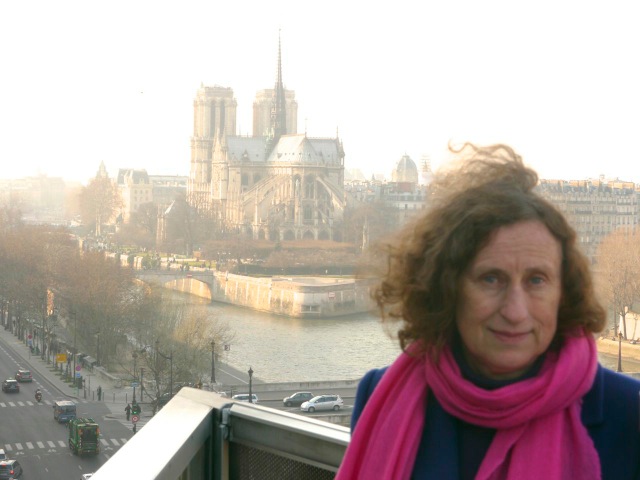
The impression of the neighbourhood is – marvellous historic area, minutes’ walk across the bridge to Notre Dame – beautiful old streets, houses, museums, galleries, churches, cakes, tourists, restaurants, wine, traffic, soldiers, sirens, graffiti, rain and sun, beautiful clouds, street music, dogs, late nights and late starting mornings.  These impressions have remained from the beginning – I suppose now obviously I know the streets a little better and am a tiny bit more aware of all the depths beneath the surface.

20151211_190532

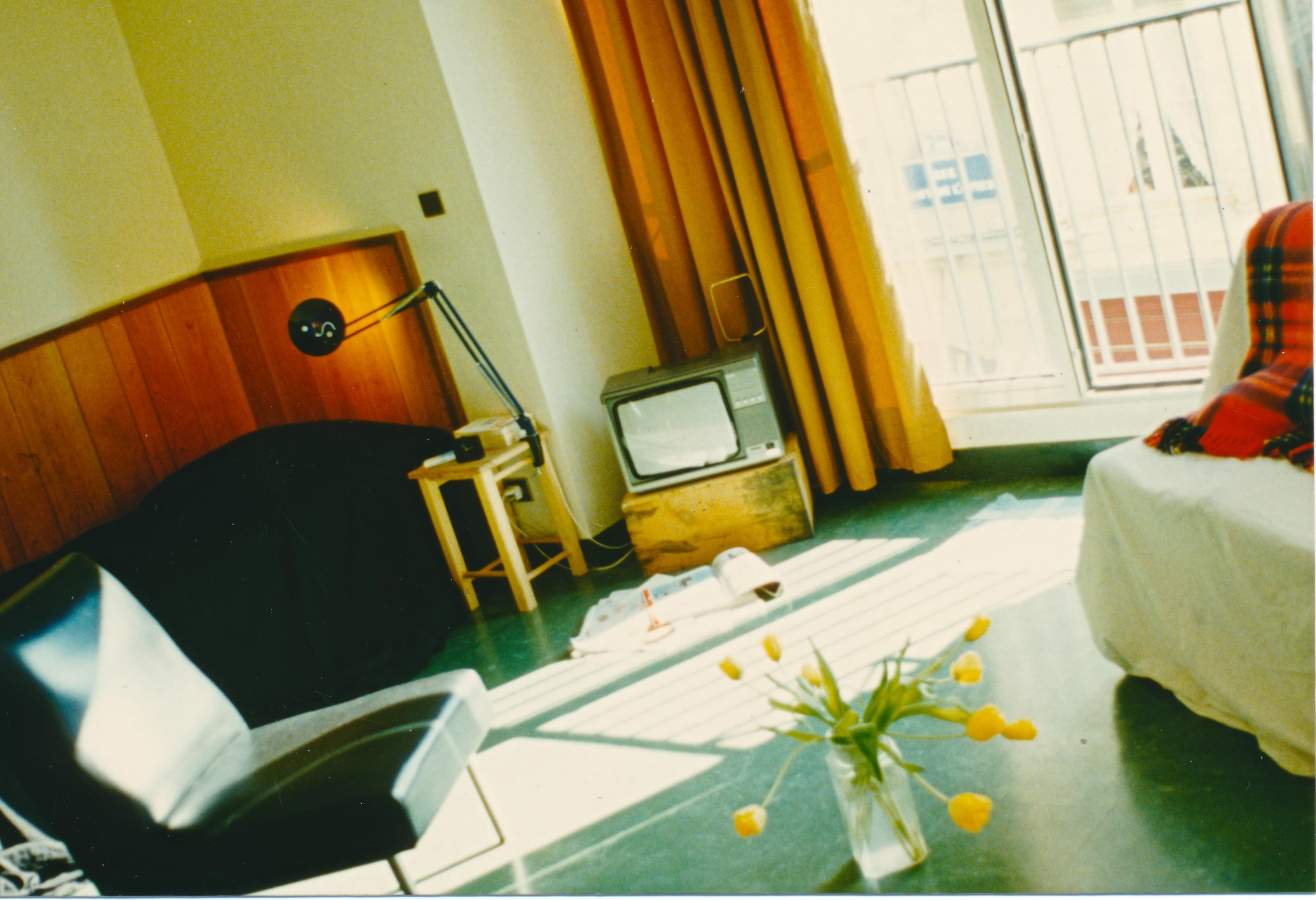
Part of main living area, Keesing Studio, 2015

Our impression of the Keesing studio is also the same as at the beginning – clean, warm and functional. (more about the Cité itself at the end)

What are you working on there? And have you found your plans for it have changed since you arrived?

20151211_190330

Keesing Studio kitchen, 2015

I’m working on a novel – I don’t know if my plans have exactly changed, but you can’t help but being changed by what you see and hear. I would find it hard to put into words though (hopefully in the book!)

Both for yourself and for Avi, what are your favourite things so far about living in Paris for six months–and the least favourite?

Well there’s no getting away from it, Paris is astonishing. The amount of cultural activity is staggering. Museums, galleries, parks, gardens, theatre, music – there is just so so so much, all the time. The beauty of Paris too is ceaselessly impressive. Avi roams around Paris on his motor scooter, whereas I prefer to walk. I walk for miles. Most of Paris is flat, you can walk anywhere with little physical effort.

 Because we know we are only here for a short time, there is an undercurrent of urgency about seeing and doing as much as we can and there is so so so very very much. So daily life is quite exhausting. But I find it hard to think of negatives about Paris, obviously they exist, but the positives are just so brilliantly shiny…

What do you think of it in terms of a writing/ideas environment? What are the pleasures, and the challenges? What influence do you think  you think your residency will have on your writing?

Ursula and daughter Maisie on Truffaut rail in Paris

Ursula and daughter Maisie on Truffaut trail in Paris

I have been writing, although perhaps not as much as I thought I would. The flat has a certain sterility, which makes you want to go out. People write in cafes, but I find it hard to sit still. I’m constantly walking and writing in my head, constantly thinking. The experiences here will persist all my life and inevitably influence what I write.

Tell us about some of your favourite places  in Paris–sites, culture, food, places,etc.

I think most of all I have loved going to the theatre. There is just SO much. So many small (indeed tiny) independent theatres as well as the larger theatres. You could go to something different every night of the week, classic and contemporary – in fact you could go to several different things every night of the week if only it were possible. It’s like being at a non-stop theatrical festival. The theatre is also very affordable – you can get tickets to most things for about 15 euros.  

Petit Palais

Petit Palais

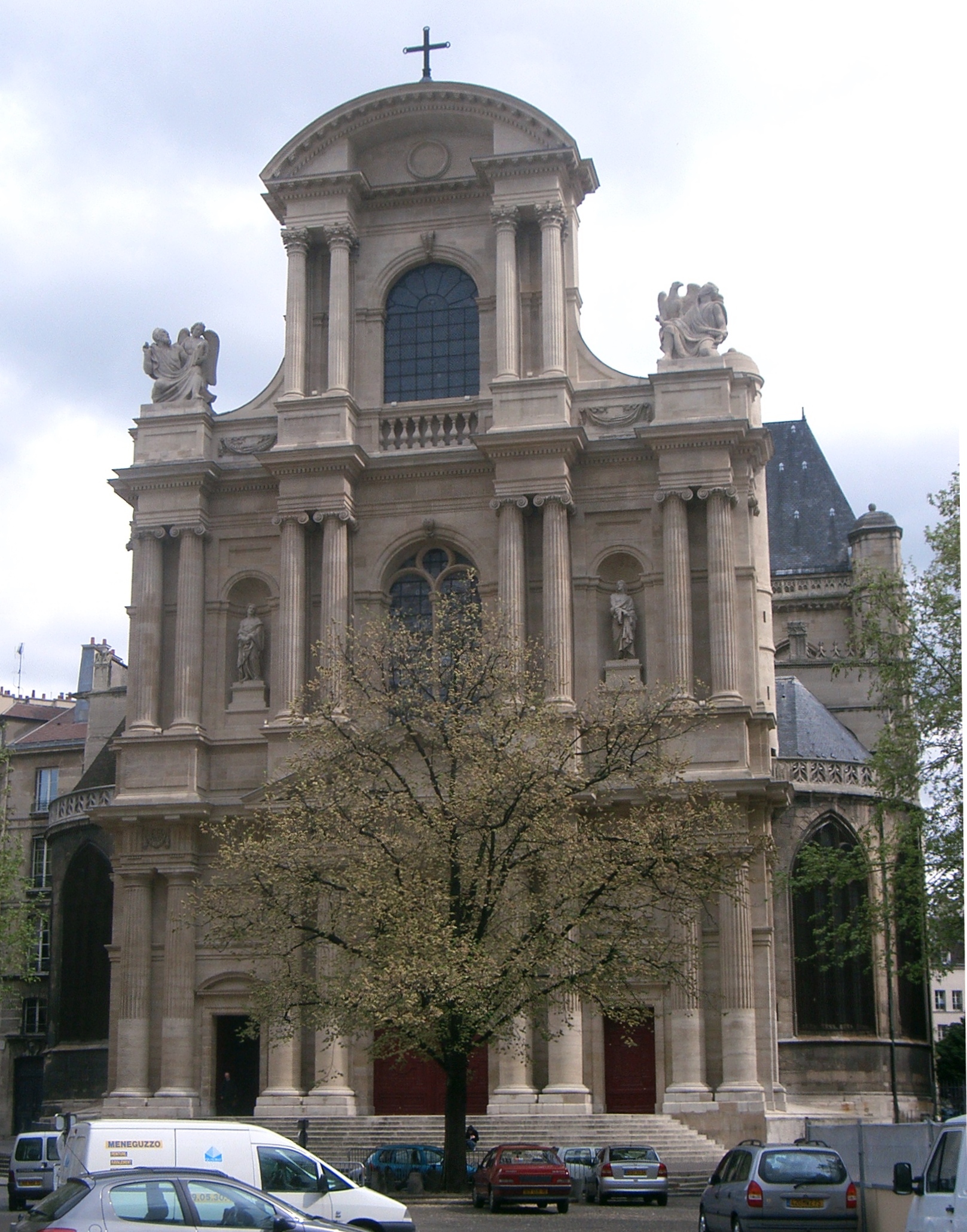
Other things?  I love the church that is only a few minutes from the flat, St Gervais. Beautiful mysterious and so old. I love the Petit Palais. I love the Rue des Rosiers. I love Notre Dame especially at night.  I loved going out to Giverny, and the Orangerie. The weekend of the “patriomoine” (in September) was absolutely fantastic, when they open up hundreds of culturally significant buildings for you to wander into, with fantastic guides.  Talking of guided

Rue des Rosiers

Rue des Rosiers

tours, they can be so good too, accept every offer. I recently went on a a brilliant one of Truffaut’s Paris for example.

I love the cemeteries of Paris. Completely beautiful. 

There’s just so many things. Too many. I loved the squares and the gardens. The architecture. The cafe life. The sense of things constantly being created and recreated.

I have also loved improving my French. That has been a real and deep pleasure. 

Now you are heading towards the end of your residency, what stands out for you in what you have experienced?

Well our daughter Maisie got married while we were here (not anticipated when I applied for the residency) – that was obviously a wonderful thing for us to be there. On the down side were the November terrorist attacks which were a couple of kilometres from the flat. 

Ursula in Paris Salon du LivreI went to a very memorable and exciting annual festival of children’s books in Montreuil, the Salon du Livre de la Jeunesse. Met some great people – writers, illustrators, publishers, and foreign rights agents etc.

 It has also been such a pleasure having people we know from Australia and elsewhere drop by to visit, wandering, talking, eating and drinking together.

What are your top tips for writers and illustrators planning to apply for the residency?

That’s a hard one! I can only say, apply apply!

 I would learn as much French as you can before you come – then you can enjoy so many more things, like the theatre, guided tours, television, newspapers, public talks etc etc  as well as enjoying yourself more in shops and restaurants. The Cité (the institution where the flat is) does offer French lessons twice a week for a charge, but the class is so composite (complete beginners to advanced all in the same large class) we did not find it very helpful. We both found other places for French classes – Avi goes to the local council which have very good almost free classes and he also goes to a private college. I go to a small private group on Boulevard St Germain.

Ursula at pet cemetery in Paris(grave of Rin Tin Tin)

Ursula at pet cemetery in Paris(grave of Rin Tin Tin, canine star of many films!)

Finally, just a word about the Cité Internationale des Arts:  I think it’s important to be aware that the institution itself is not a community, but rather a building full of artists and musicians (very few writers), most of whom you will never see.

There is no common room or library, or outdoor area for people to gather and meet informally. The hallways are long, dark and empty and without decoration. (There is also a strange absence of a sense of history – hundreds, perhaps thousands of artists have lived here since the 1970s but they seem to leave not a single trace.) There is some communication between residents via email etc, alerting you to performances or invitations to visit their work in progress in their studio, and there is an occasional free lunch party in the car park for all residents, but these are fairly sticky occasions. So it is not an artists’ community as might be imagined, but more an accommodation facility. Worth remembering before you go

Paris literary studio 1: Introduction

DSCN4836

Working in the Keesing Studio, February 2010

One of the most wonderful experiences of my writing life was when I was awarded a six-month residency at the Keesing Studio in Paris from February-August 2010. The Keesing Studio is a flat whose residencies are administered by the Australia Council, but which is part of the Cité Internationale des Arts in Paris, a massive complex housing lots of studios where artists from all disciplines from across the world can live and work for residencies of specific time limits. (Incidentally, the Keesing Studio and other artist residency locations, including in the Cité, feature in some interesting research done by the Australia Council recently, which you can read here.)

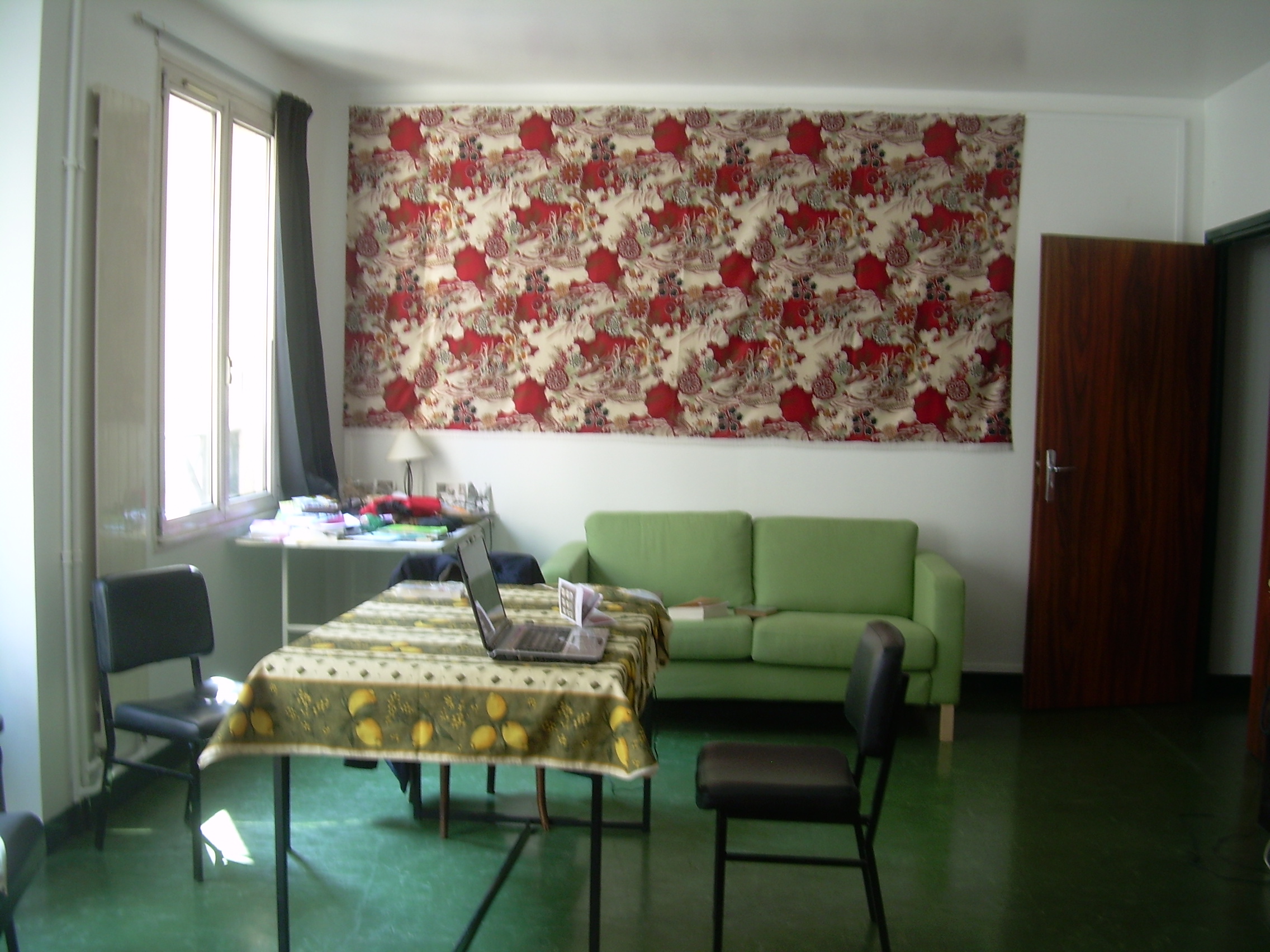
As the Australia Council’s website indicates, the Keesing Studio was generously leased in 1985 for 75 years by the late author Nancy Keesing ‘to provide Australian writers with the opportunity to live and write in a new and stimulating environment.’ It’s certainly that!  The flat itself is small (40 sq m altogether, comprising of one main room–living, sleeping and working space–with separate but very small kitchen, bathroom and store-room) but it’s clean, warm and functional, and set in an unbeatable location, in the buzzy, bustling Marais neighbourhood on the Right Bank, full of interesting little shops and restaurants. It’s only a few steps away from the Seine, and very close to Notre Dame and many other places.

Living area in 2010(our decorations!)

Living area in 2010(our decorations!)

I went with my husband David (you pay a minimal monthly fee to the Cité for partners to stay) and we both had the best time there, getting to know Paris really well, walking kilometres across it, looking at everything, shopping in local shops and markets, eating wonderful food, both at home and in little local restaurants, going to the theatre, visiting friends and family and feeling like we were really part of life there, not just passing tourists.

our favourite local restaurant, the Louis-Philippe

our favourite local restaurant, the Louis-Philippe

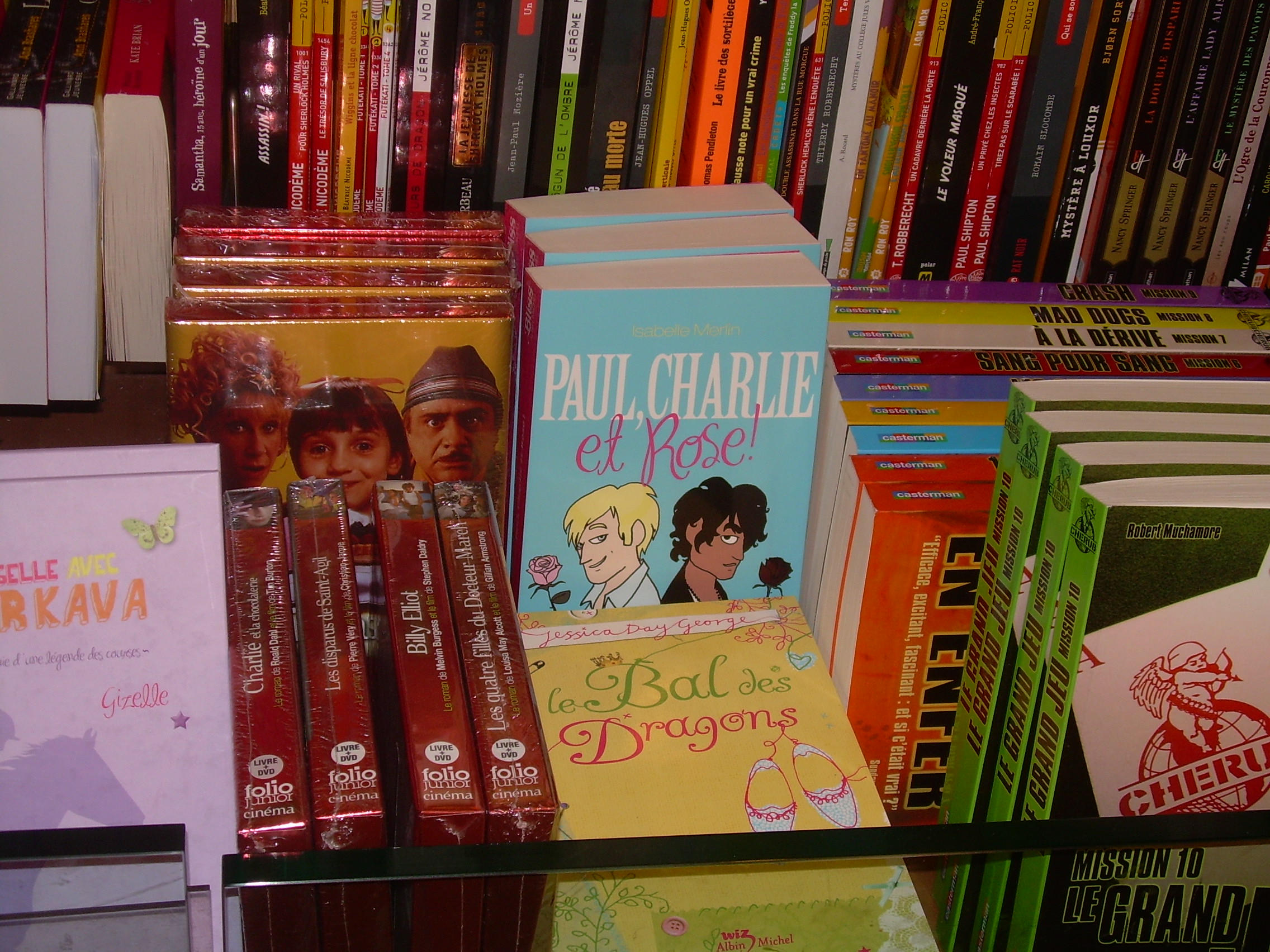
The residency was also intensely inspirational: at least three books came out of that six-month stay, though my actual time there was taken up not so much with writing manuscripts as soaking up atmosphere, doing heaps of research, visiting lots of museums, galleries, and sites of interest in Paris, but also outside of it including not only other parts of France, but also Russia, Malta and Italy! And what was more, during the time I was there, the first–yes, the first of my books to be published in French–Three Wishes, written under the pen-name of Isabelle Merlin, and retitled in France as ‘Paul, Charlie et Rose’– was actually released in March 2010 and I got to see it in Paris bookshops and at the wonderful Salon Du Livre(a huge event which is a combination of book trade expo, literary festival and rights fair), as well as having to meet the lovely publishers at Albin Michel.

My book in a Paris bookshop

It was an absolutely wonderful time whose influence continues to inspire me. And I’m not the only writer to feel that.  So I thought I’d start this new year with a new series, Paris literary studio, interviewing Australian writers who have been residents in the Keesing Studio, and finding out what their experiences have been. Later in the week I’ll be interviewing the current resident, Ursula Dubosarsky, and later still authors who were there at various times over the years, but today, I’d like to post a short extract from a piece I wrote after coming back from the residency, which was published in Australian Author, back in December 2010. You can get the full article here. (Free to ASA members, tiny price to non-members!)

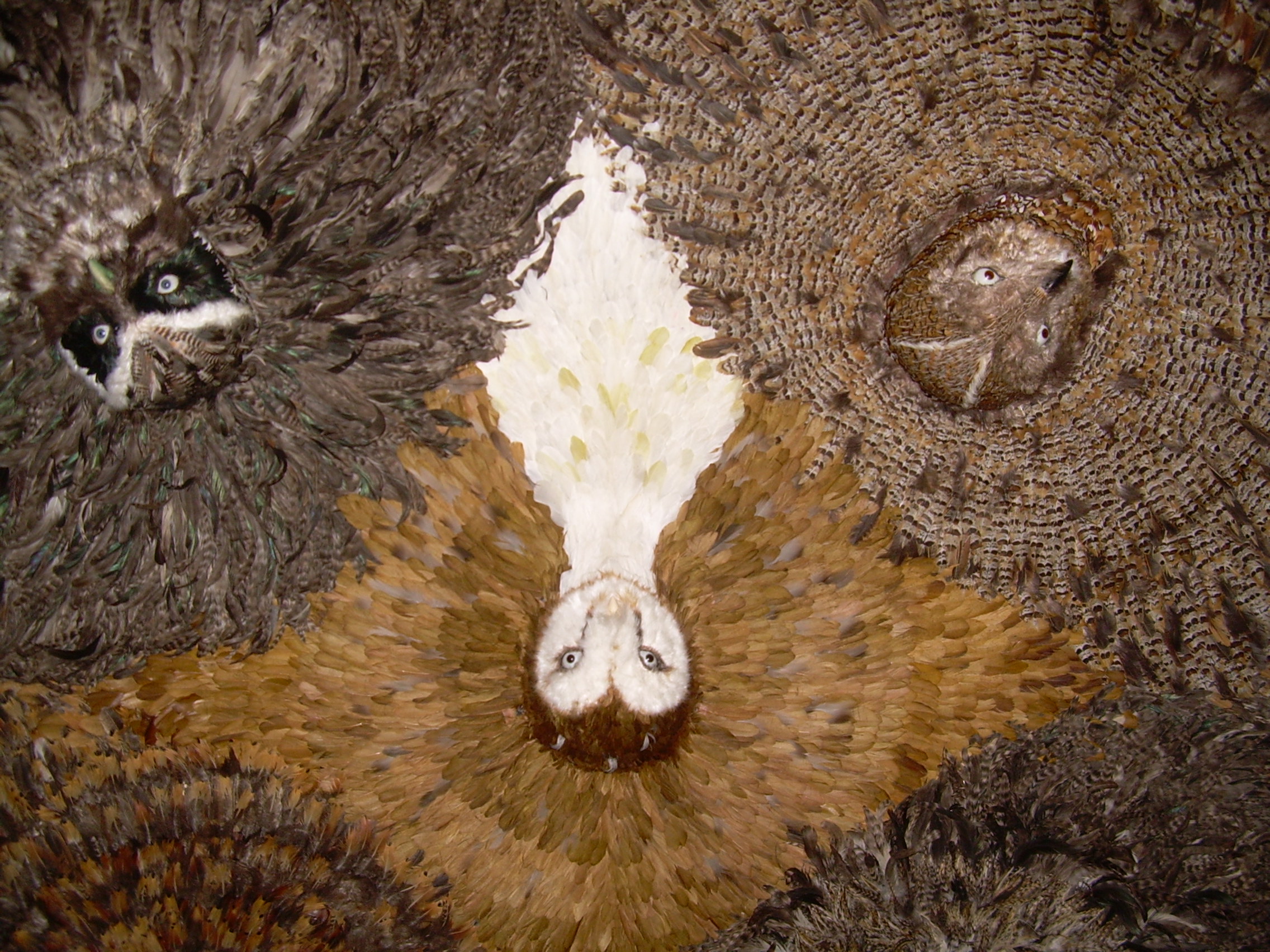
amazing ceiling in my favourite Paris museum--Musee de la Chasse et Nature

amazing ceiling in my favourite Paris museum–Musee de la Chasse et Nature

Despite my French background I did not set foot in Paris till adulthood, because of my father’s Southern dislike of it. Whenever we were back in France, Dad would delight in saying, as our flight circled over Paris on its way to Toulouse, ‘That’s exactly where it belongs—under us.’

DSCN6296

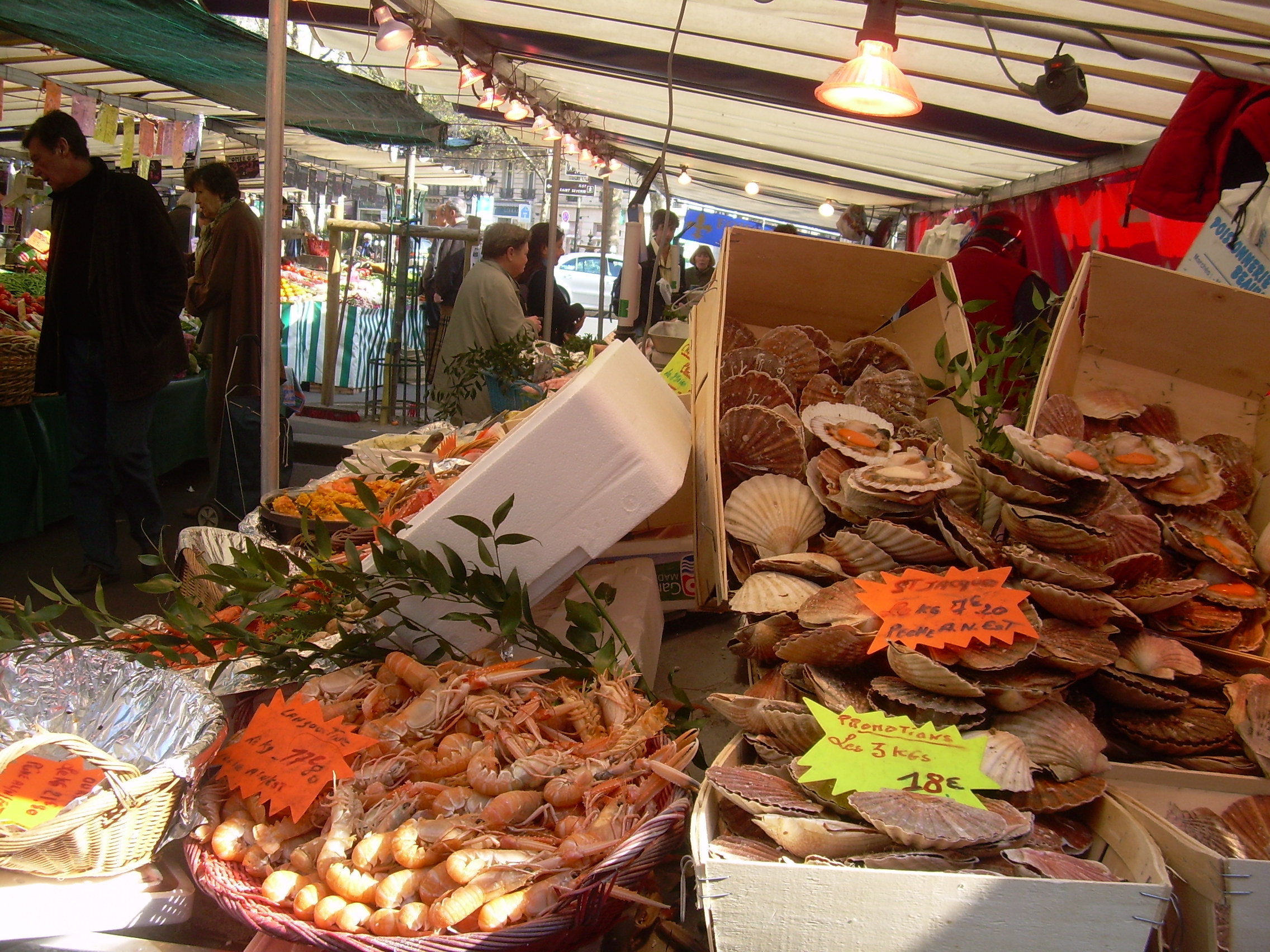
Seafood display, markets 2010


‘Parisien, tete de chien’ (Parisians are dogs) has always been the vengeful, wounded cry of provincials. For of course Paris adds insult to injury by ignoring the feelings of the innumerable ‘ploucs’  who have converged on it, whether eagerly or resentfully, from all corners of France over the centuries. Plouc is a bogan, a hick, an unsophisticated person–and shorthand for a provincial, as far as Parisians are concerned—an attitude with a very long lineage, for plouc derives from an ancient Gaulish word meaning someone outside the territory of the Parisii, the tribe which ended up giving the city its name.

Paris street art(by Nemo) Belleville, Paris

Paris street art(by Nemo) Belleville, Paris

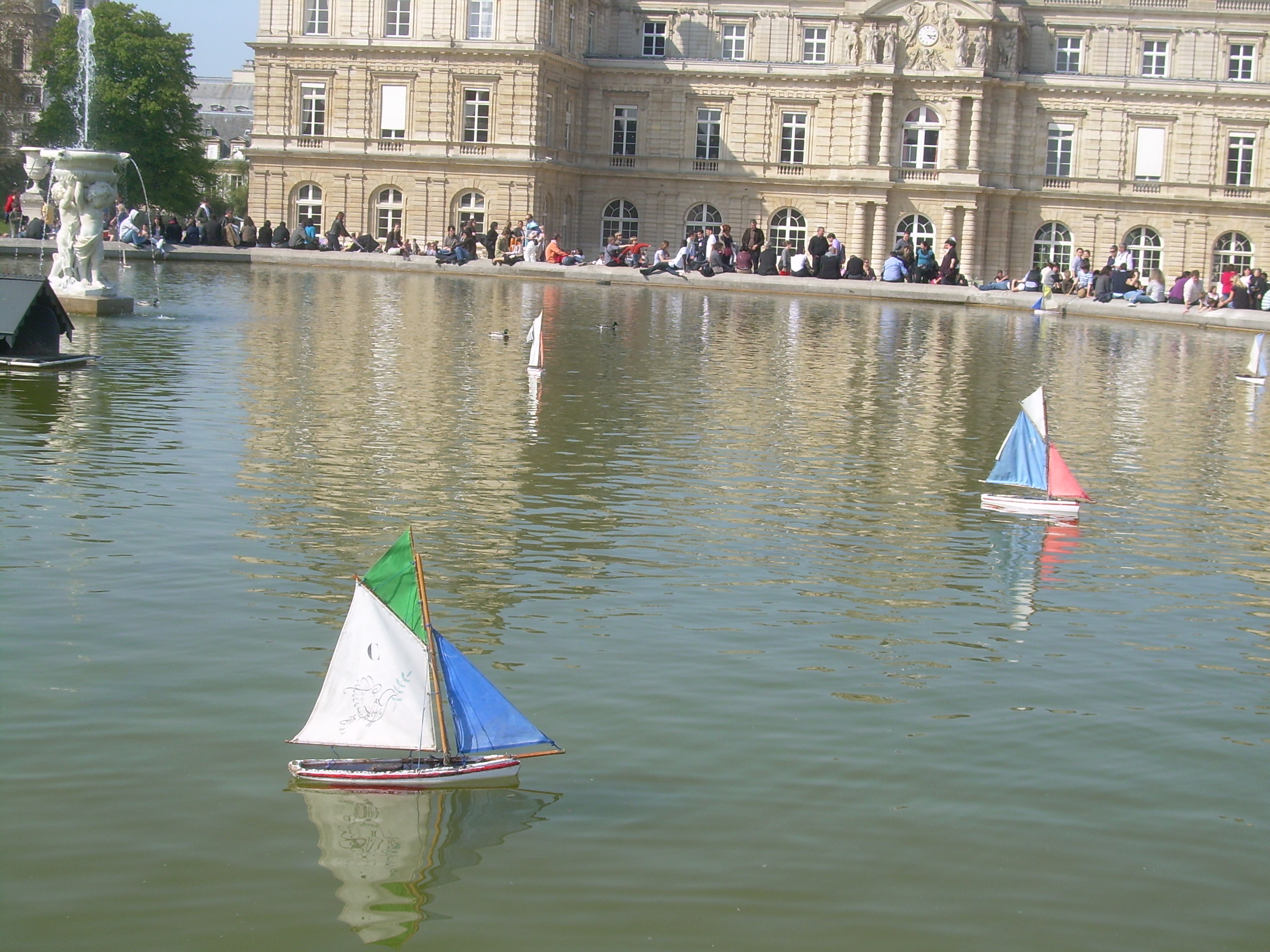
Luxembourg Gardens, spring 2010

Luxembourg Gardens, spring 2010


But I’m Australian, too. I might carry the ingrained Southern prickliness in my genes, but I’ve been brought up in a culture which still regards the City of Light as a romantic dream, witness the many ‘I was in Paris and fell in love’ memoirs which have populated bestseller lists. So the opportunity to cast off my double plouc-ness as Australian and Southern French and immerse myself in Paris living and writing there for six months was irresistible, even though part of me was scared, wondering if I wouldn’t just end up hating the place. Months into my time here, I was still discovering just how disconcertingly wrong I’d been.

Thing is, nobody, not even a vengeful plouc, told me that the big city of big cities is actually not that at all, but rather a collection of villages….

Night walk, 2010

Night walk, 2010

Lovely review of The Tyrant’s Nephew

Lovely to read a great new review of a book I wrote quite some time ago: The Tyrant’s Nephew. Here’s an extract of the review, by fabulous musician and fairy folklore expert, Louisa John-Krol.

A guild of Carpet-Enchantresses, a Jinn Cat born of smokeless flame, Suloowa (murderous mermaids), werewolf clans, Shadow Walkers… what more do we need? This is the fantasy I love, set in exotic magic-realist landscapes where cars and gasmasks are interspersed with flying rugs and rituals to separate souls from bodies. Yay! There is even a gold crystal ball with an opal sphere within, like an eyeball, set on a stand, glittering and glowing, emitting a sinister hum: invidious spyware. Yes, my kind of book.

You can read the full review here.

Authors’ pick 24: Matthew Thompson

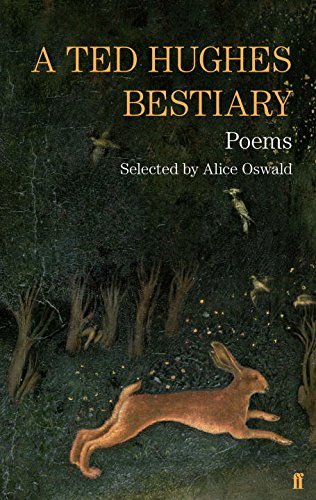
Ted Hughes Bestiary coverToday’s authors’ pick–and the final one in this series–has been chosen by Matthew Thompson.

A Ted Hughes Bestiary, poems selected by Alice Oswald.

The revelation of Ted Hughes and his exquisitely poised and powerful animal poetry was a long time coming. For decades a clear, open-hearted view appreciation of the crow poems and other work was not possible for me, due to the grip of Sylvia Plath’s fierce and tragic legend.

I did glance at Hughes’ poems now and then but my sight was displaced and distorted by the mythos of sadistic, maddening selfishness – even more so when I learned of how the woman that displaced Plath in Hughes’ affections, AssiaWevill, murdered their daughter and killed herself (and how quadruply weird to consider that Hughes and Plath’s son, Nicholas, eventually hanged himself in Alaska).

Age has taught me to let complexity be, even complexity of torment, instead of pruning it back to ready-understandability or by gripping isolated strands of it in order to haul oneself up to a fake height of mind.

So, a few months ago, decades after first reading Hughes, and while in Melbourne researching the life of a long-term recidivist prisoner for a book I’m writing, I slid from a bookstore shelf the slim hardback of A Ted Hughes Bestiary, Alice Oswald’s selection of Hughes’ animal poems.

Amidst the stark and ruthless crowscapes sat “The Jaguar”, a glimpse of a zoo-held beast seething with itself. I couldn’t help but think of my writing subject, a man who in his younger years could not be tamed, could not be contained, whose will was harder than the bars and walls around him.

…there’s no cage to him

His stride is wildernesses of freedom:

The world rolls under the long thrust of his heel.

Over the cage floor the horizons come.

But the prisoner’s jaguar days are gone.Sentenced again, this time to so long in isolation that even the judge said it would damage his mind, the man now sits spiritually detached from, but physically within spitting distance of, the predatory world of crime and jail. So attuned, he can sense when someone who, unlike battered old him, still hungers for prey: someone whosegrimacing face has not yet been smoothed. A blood-thirsty hunter in a moment that brings to mind the opening of Hughes’ “And Owl”:

Floats, a masked soul listening for death.

Death listening for a soul.

Yet it would be too limiting to keep relating these poems to men, to humans. Their centre is not anthropomorphic and in reading them, in handling them, DH Lawrence’s poem, “Fish”, comes to mind: specifically, its message that other beings inhabit their own universes, have not gods or not the same gods, are sometimes older and more purpose-made than we can comprehend. Lawrence’s narrator marvels at his witnessing of fish:

Loveless, and so lively!
Born before God was love,
Or life knew loving.
Beautifully beforehand with it all.

Joyce Carol Oates uses that line about a time “before God was love” to describe the severe and profound world of boxing, a world for its enthusiasts that remains beautifully before today’s widespread cringing avoidance of harm. The animals are not emotional about their pain or plight. They are clarity of instinct.

And over it all, unblinking in their exactitude, are not just Hughes’ famous crows but his hawk, who in “Hawk Roosting”, flies up to:

…revolve it all slowly –

I kill where I please because it is all mine.

Of course, there is so much more, including tales of animals lower on the food chain, but you’ll have to read them yourself. I have too much work to do.


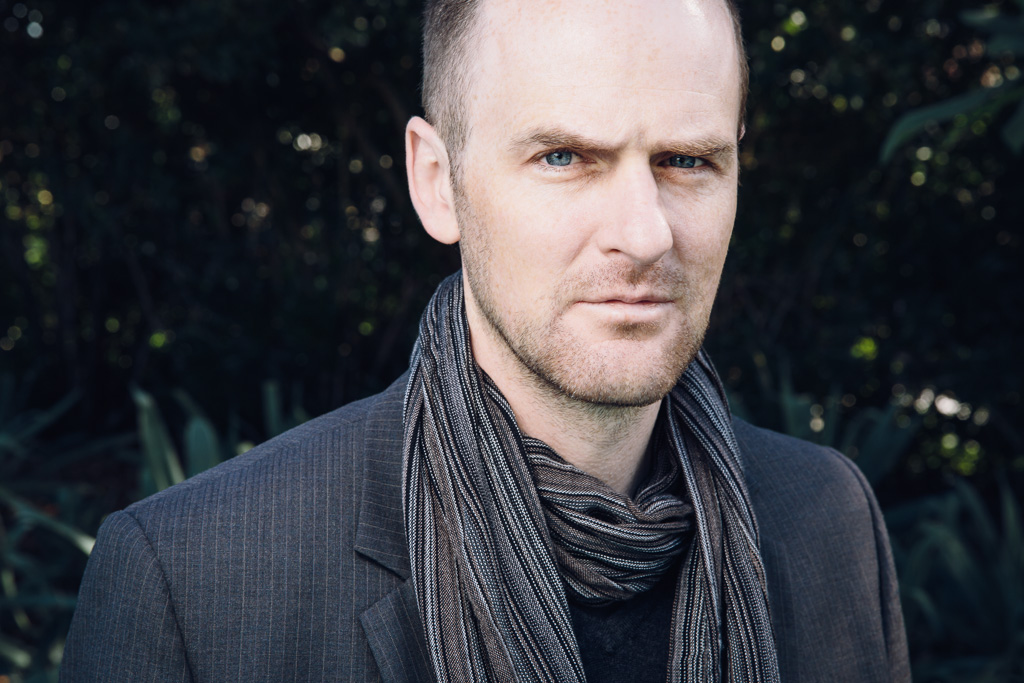
Based in the small NSW town of Dungog, Matthew Thompson is the author of Running with the Blood God and My Colombian Death and a journalist whose recent work has focused on the violent intrigues of the Sulu Archipelago in the southern Philippines. For more information, see www.matthewthompsonwriting.com

Matthew Thompson

Authors’ pick 23: Sharon Rundle

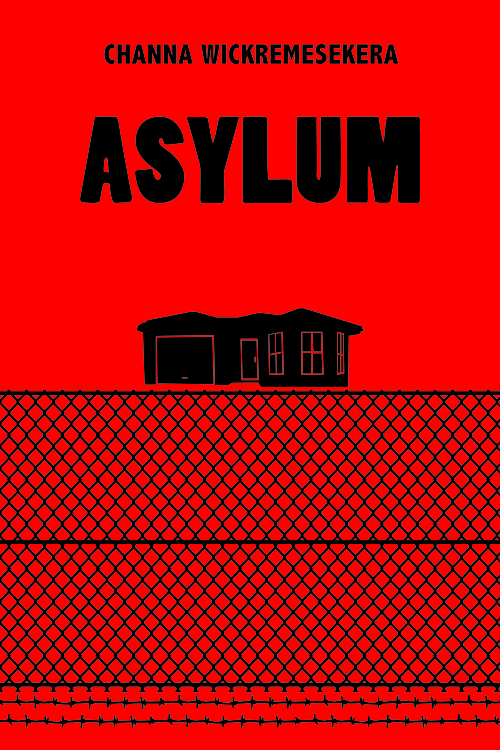
asylum palaverToday’s authors’ pick has been chosen by Sharon Rundle.

Asylum,  Channa Wickremesekera, Published by Palaver.

For the purpose of my research, I’ve been reading a lot of novels by South Asian-Australian authors with ties to Afghanistan, Bhutan, India, Nepal, Pakistan and Sri Lanka. I’ve read marvellous narratives from established and emerging writers. To choose one novel from this amazing array of fiction, is an enormous challenge. After long and difficult deliberation, I plumped for one that provided a new perspective, was surprisingly enjoyable, beautifully structured and written in a page-turning style.

Sometimes the best way to encourage discussion and provoke deeper thinking is through humour. Ideas that may seem simple on the surface havewider ripples and deeper currents than appear at first. So it is with Asylum by Channa Wickremesekera.

A young prison escapee decides to break into a home and take hostages,after the news that he is on the run with a gun is broadcast through media and police reports. The house he chooses is the home of Afghanis of Muslim faith. The mother wears a niqab, while her sometimes sullen, sometimes giggling young daughter, Aisha,wears a hijab. The mother understands English but prefers to speak in her Dari language.Through her family, she is the main negotiator with their captor. Khalid, the male teenage narrator with typical ‘attitude’, “I’ve seen bigger guns than that in Afghanistan with kids half his size” (p 23), is the perfect choice as the cynical observer. He is also a main player in the drama that unfolds as police surround the house. Negotiators are brought in to help, with mixed and sometimes hilarious results.

What could be a disaster turns into a tragi-comedy as the actions of the police and young man on the run with a gun become farcical when faced with this unexpected turn of events.

The Afghani family face another even deeper dilemma. Should they offer asylum to this person seeking refuge, as they believe they should? Should they lie to the police for the greater good? Which would give lesser offence to God? What to do in such an impossible situation? He is only a scared, tired, hungry, delinquent boy, after all. Khalid has heard it all before, “How you should look after people who take refuge with you, even if they are your worst enemies. Even if they had killed your own mother and father. I always thought that sort of thing happened only a long time ago and if it happened now it was only in the movies. Never thought we will have to practise it.”(p 40).

While the family debate the best plan, mum keeps cooking and feeding them all, including their captor Rusty.

This novel has impact and lingers in the mind long after it’s read. To my mind, ‘Asylum” should be on the HSC reading list. Suitable for both adults and young adults, the deceptively simple style and endearing narrator in “Asylum” allow for serious ideas to be discussed without polarising the audience. Many may be surprised by such a fresh perspective and by what they learn through humour.


Channa Wickremesekera is a Sri Lankan-Australian who has published three other novels, “Tracks” (published Sri Lanka, 2015), “Walls (Wasala, Sri Lanka, 2001)” and a novella “In the Same Boat” (Bay Owl Press, 2010).

A fun novel written in a jaunty teen voice—a novel that tries to tip our assumptions on their heads and succeeds.” —Anna Funder, author of Stasiland and All That I Am

“This is a timely novel, written with daring and imagination. It deals with themes that we urgently need to engage with and reflect upon, challenges that cry out for a long-overdue national conversation.” —Arnold Zable, author of Cafe ScheherazadeThe Fig Tree, and Violin Lessons

Asylum Wickremesekera, Channa. Published by Palaver.

ISBN 10: 0994343108 ISBN 13: 9780994343109


Sharon Rundle has researched novels by South-Asian Australian authors published in Australia for a Doctorate of Creative Arts thesis. She is co-editor of Indo-Australian anthologies of stories published by Picador Pan Macmillan (2009 & 2010 India, Australia & UK), Rupa Publishing in India (2014) and Brass Monkey Books in Australia (2012 & 2014).

20151212_114715

Authors’ pick 22: Sheryl Gwyther

La Rumeur de VeniseToday’s authors’ pick has been chosen by Sheryl Gwyther.

How to pick one from my mostly brilliant reads this year? So tricky – they were all a joy. Books like Cass Moriarty’s moving debut novel, The Promise Seed; Claire Zorn’s YA novel, The Protected; Michael Robotham’s Close your Eyes, and Meg McKinlay’s A Single Stone.

In the end, my very favourite read was a children’s picture book… La Rumeur de Venise, by the award-winning Swiss illustrator, Albertine. I knew it had a fair chance of being special – her other works (mostly co-creations with her author partner, Germano Zullo) all have a unique way of seeing the world.

The Rumour of Venice’s images cleverly capture the pervasiveness of gossip. No words are needed as a rumour about a giant fish caught by a fisherman floats from one canal dwelling to the next, and each person’s re-telling bringing increasingly bizarre. A funny, witty concertina book adults will appreciate; and a game as children follow the action, La Rumeur de Venise is a delight. And especially so if you are open to Albertine’s magical combination of colourful collage and whimsical drawings set in Venice. A book to keep.

Award-winning author, Sheryl Gwyther writes children’s novels, short stories, school plays, and Flash Fiction for adults. Her website is at:  www.sherylgwyther.net

Sheryl Gwyther image

Authors’ pick 21: Yangsze Choo

IMG_0189Today’s Authors’ Pick has been chosen by Yangsze Choo. 

I must confess that I haven’t read much fiction recently. This is because I’m struggling to finish my second novel, a giant doorstop which I keep telling myself is almost done, but continues to expand in alarming ways as I try to squeeze in just one more plot twist. The situation is worsened by my frequent attempts to seek “inspiration” in dark chocolate… I need to go on a diet in more ways than one, which is why my book pick for 2015 is a cookbook.

Madhur Jaffrey is my favourite Indian cookbook writer – over the years, I’ve cooked my way through many of her books, always with good and very authentic results – so when I realized that she had a cookbook called “Vegetarian India”, I rushed off to get it. Our family has been trying to move towards a more vegetarian diet (one of the reasons I’ve so enjoyed Sophie’s food blog featuring her lovely garden) and this book is stuffed with delicious ideas. In fact, when I first got it, I made the roasted cauliflower with Punjabi seasonings that’s featured on the cover three times in one week. Tossing cauliflower with lemon juice, cumin, coriander, ginger, turmeric and olive oil results in a sizzling pan of crusty goodness that’s quickly devoured in our house, even by small children who claim they will never, ever eat cauliflower.

Like Madhur Jaffrey’s other cookbooks, each recipe comes with a little backstory or some helpful tips, and there’s enough variety from rice dishes to hearty vegetarian mains and pulses, to cook an entire dinner banquet, if you’re so inclined. Or you can just do what I’ve been doing and add an extra veggie dish or two on weeknights.

So, if your New Year’s resolution is to eat less meat and more healthily, I highly recommend this book! Happy reading and eating 🙂

Yangsze Choo’s first novel, The Ghost Bride, was published in 2013. She loves to eat and read, and often does both at the same time. She lives in California with her husband and children, and a potential rabbit.

yangsze choo colour


Authors’ pick 20: Stephen Whiteside

fanny stevensonToday’s Authors’ Pick has been chosen by Stephen Whiteside.

My best read of the year, without a doubt, was “Fanny Stevenson – Muse, Adventuress & Romantic Enigma” by Alexandra Lapierre, translated from the French by Carol Cosman, published by Fourth Estate, London, in 1995.

Fanny Stevenson was the wife of Robert Louis Stevenson, author of “Dr. Jekyll and Mr. Hyde”, “Treasure Island”, “Kidnapped”, and so many other fabulous adventure stories.
Fanny was American born, and unhappily married when she met R.L.S. (nine years her junior) in France. She was an absolute dynamo – a turbo-charged autodidact. It took my breath away reading what she achieved from very humble beginnings and minimal outside assistance. Whenever I feel I have hit a roadblock in my life, I suddenly think of Fanny, and realise I have probably only explored about one tenth of the possible solutions!
Mind you, it took its toll on her. She suffered from mental illness off and on throughout her life. Her principal pattern was loss of memory at times of stress. Putting my doctor’s hat on for a moment, I suspect she might have been suffering from a condition called TGA – total global amnesia. Then again, there was also talk of hallucinations, which complicates the picture.
In addition to her many other skills and passions, she was a consummate home-maker and (self-taught) cook.
Here is one of my favourite passages from the book:
With a cigarette between her lips, her sleeves rolled up, a battery of casseroles in progress, she lit up her ovens. Alchemist or magician, this time her bisques, her sauces and roasts reached perfection. She no longer improvised recipes but was inspired by the cookbooks she received from France and laboriously translated, with much reliance on dictionaries. She corresponded with three chefs from Louisiana, comparing their techniques, their utensils, their ingredients. Another aspect of Fanny’s originality, and one particularly unusual in the nineteenth century, was her interest in international cuisine. She was a passionate admirer of Asian cooking, and shopped in the swarming markets of Chinatown where no white woman dared set foot. She jotted down her research, her experiments, her failures, despairing of her groping efforts, aimed at excellence, and, without being in the least conscious of it, struggled to turn her culinary gifts into an art.
 
Stephen Whiteside’s collection of rhyming verse for children, “‘The Billy That Died With Its Boots On’ and Other Australian Verse”, was published by Walker Books in 2014, and won a Golden Gumleaf for “Book of the Year” at the Australian Bush Laureate Awards during the Tamworth Country Music Festival in 2015.
 

Authors’ pick 19: Kelly Gardiner

H_is_for_Hawk_cover-2Today’s Authors’ Pick has been chosen by Kelly Gardiner.

My favourite reading experience of the past year has been Helen Macdonald’s award-winning H is for Hawk, a memoir about grief, the vanishing British countryside, and a goshawk called Mabel. I’ve long been fascinated by the traditions of falconry, an ancient form of hunting in many cultures that became a sport of royalty in Europe in the middle ages.

H is for Hawk acknowledges this lineage, but more importantly it focuses on the relationship between raptor and trainer, taking us through the process and also tapping into the rich tradition of writing about hawks and falcons.

Chief among these is the work of T H White, author of The Once and Future King and other brilliant historical fantasies. His 1951 book, The Goshawk, was based on the journal tracing his own training of Gos – a troubled, tumultuous process that nearly finished off both of them.

Helen Macdonald weaves the story of White and Gos through her own reflections on the relationships between humans and wild creatures, and one another, as she learns to live with the sudden loss of her father, while Mabel and White reflect aspects of her own life back to her.

It’s brilliant, fascinating nature writing wrapped up in a poignant memoir about grief and belonging.

Kelly Gardiner’s books include Act of Faith and The Sultan’s Eyes, both of which were shortlisted for the NSW Premier’s Literary Awards. Her latest book is Goddess, a novel based on the life of the seventeenth century French swordswoman, cross-dresser and opera singer, Mademoiselle de Maupin.

2015-gardiner-kelly


Authors’ pick 18: Lucy Sussex

SutcliffToday’s Authors’ Pick has been chosen by Lucy Sussex.

I revisited Rosemary Sutcliff’s THE RIDER ON THE WHITE HORSE this year, after having mislaid it for some time. I wanted to know how I would read it after a long absence, if what I remembered still impressed, and what might have diminished with my increased craft/critical acuity. The answer is, very little.  The book is about the English Civil Wars, of two well-documented figures from the Roundhead side, General Sir Thomas Fairfax and his wife Anne. At the beginning of the conflict, in his native Yorkshire, Fairfax campaigned with his family, Anne and their small surviving daughter–which led to Anne being captured by the Royalists under the command of the Duke of Newcastle (later to marry another formidable woman, writer Margaret Cavendish). From the existing sources and her own imagination, Rosemary Sutcliffe wrote a portrait of a marriage, and with considerable emotional subtlety, for the romance is one-sided. The Fairfaxes have an arranged marriage, as was usual for the gentry, but while Anne loves Thomas, he is only grateful to her—or is he?

When working in the rare books section of a library, I had occasion to read some of Sutcliff’s source matter, Thomas Fairfax’s own memoirs. It showed me Sutcliffe’s fidelity to history, and at the same time how she imaginatively breathed life into it. In the battle of Wakefield town, Fairfax narrowly escapes capture by jumping his horse over a garden wall. In the book he finds the incident absurdly funny–as is quite clear from his own words. Sutcliff stages the scene brilliantly.

The novel is unquestionably for grown-ups, a story of unrequited love within a marriage. It also contains superbly realised battle scenes, vivid depictions of nature, and regional dialects reported without condescension.  It is immersive history, without the post-modern intrusion, as when Hilary Mantel has Henry VIII describe Jane Seymour as  his little “bun-face”. That is not Tudor language, and while absolutely right in terms of the lady, it jars. Similarly Cromwell, from his visual image–and Holbein was an acute observer–was a bit of a brute. Mantel depicts him as quite feminine in that people confide in him, and he listens, without interrupting. Fairfax is contradictory, a masculine man of war, a berserker in battle, but also gentle in his manners, kind.  Anne conforms to the gender expectations of her time, while not concealing her intelligence, nor her forcefulness–she is deeply involved in the political/religious struggle.  And yet she can be very obtuse.

Were this book published now, would it rate in the Bookers?  Surely yes, if the author’s genre/readership placement did not get in the way.

One final comment. Writing the pre-Enlightenment is tricky, as to be strictly accurate the religion would dominate the world-view, in a fashion incomprehensible to us rational post-moderns, wringing our hands over IS.  So while the title of Sutcliff’s book comes from Revelations, the wild religious discourse of the Civil Wars is downplayed.  But she does it, as she does with so much in this book, subtly and intelligently.

Lucy Sussex’s most recent book is the award-winning Blockbuster (Text, 2015), about crime writer Fergus Hume, and his Mystery of a Hansom Cab.

Lucy Sussex with portrait of herself by artist Dora Levakis, from the Archibald Prize's 'Salon des Refusés'

Lucy Sussex with portrait of herself by artist Dora Levakis, from the Archibald Prize’s ‘Salon des Refusés’