Authors’ pick 5: Goldie Alexander

plainsongToday’s authors’ pick has been chosen by Goldie Alexander.

Plainsong, by Kent Haruf

Plainsong is the most perfectly named book imaginable. A simple story of individual struggle with human problems dealt with in a very human way. There is no clattering crescendo for the triumph of good over evil. Rather, the struggles we see detailed are wonderfully real and simply drawn with a story that hinges on homely challenges that the reading is a soothing passage to a quiet place.  The real triumph for Plainsong is not for the characters, but for their creator. Author Kent Haruf hones the feeling of simplicity with simple language — well used — and a sharp focus on character rather than place or even action Alternating chapters focus on eight compassionately imagined characters whose lives undergo radical change during the course of one year. High school teacher Tom Guthrie’s depressed wife moves out of their house, leaving him to care for their young sons. Ike, 10, and Bobby, nine, are polite, sensitive boys who mature as they observe the puzzling behaviour of adults they love. At school, Guthrie must deal with a vicious student bully  in a scene that will leave readers with palpitating hearts. Meanwhile, pregnant teenager Victoria Roubideaux, evicted by her mother, seeks help from kind-hearted, pragmatic teacher Maggie Jones, who convinces the elderly McPheron brothers, Raymond and Harold, to let Victoria live with them in their old farmhouse.

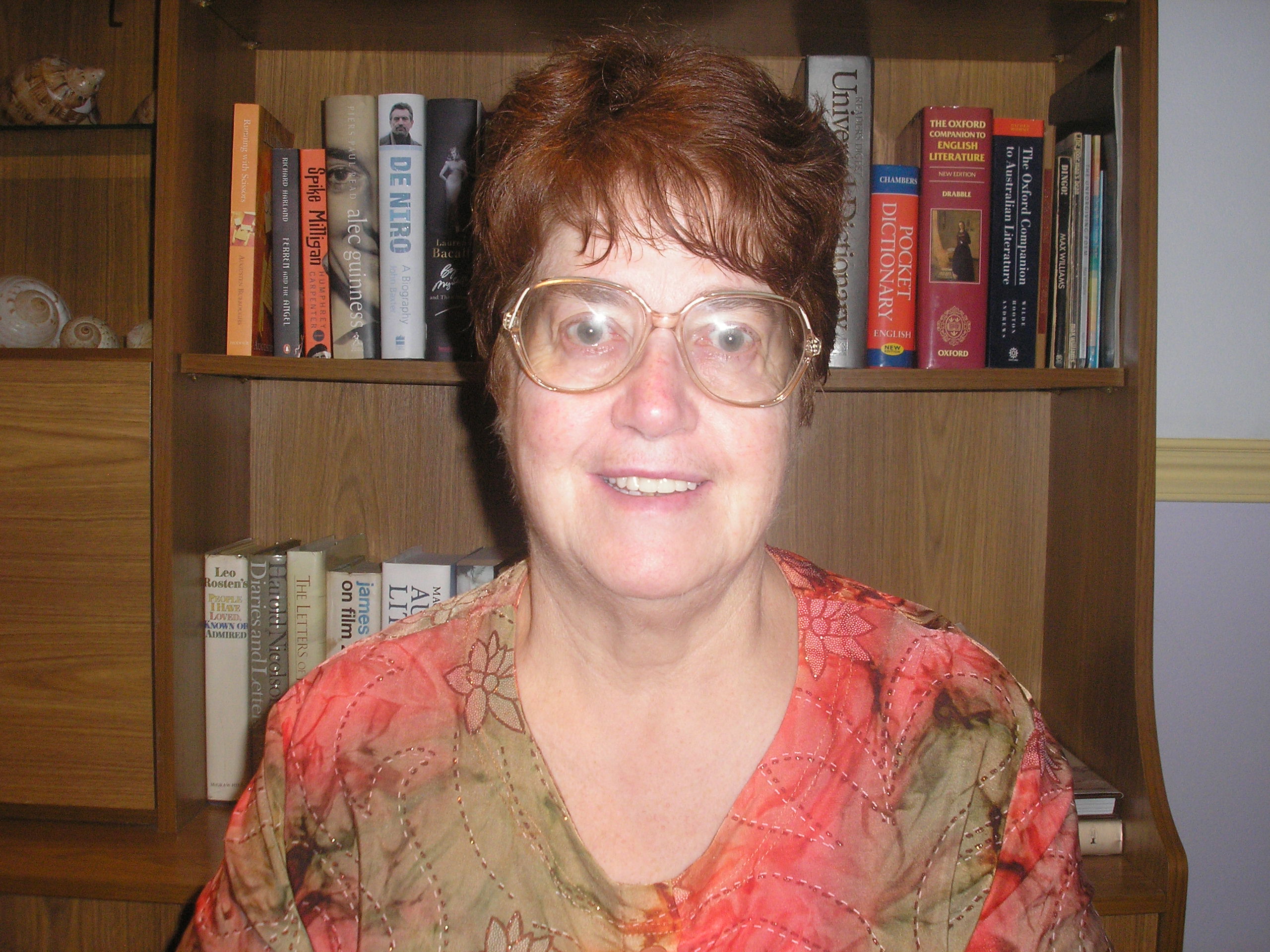
Goldie Alexander writes novels for both adults and youngsters of all ages. Her work covers many genres, though she is mostly known  for her historical fiction.

Goldie A1

Authors’ pick 4: Michael Pryor

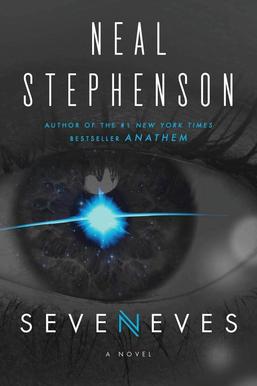
Seveneves_Book_CoverToday’s authors’ pick has been chosen by Michael Pryor.

Seveneves, By Neal Stephenson

Of all the books I read in 2015, I only gave five stars to one: ‘Seveneves’ by Neal Stephenson. I am an unashamed Stephenson fan – he’s one of the few authors that I will buy their next book sight unseen. ‘Seveneves’ is hard SF and is a book of two parts. It begins with the end of the world and ramps up from there … The human race is reduced to seven women and after a substantial time gap the second half of the book explores how these seven women – aided by technology – have managed to resurrect and preserve the human race. Absolutely fascinating, full of the hugest ideas, the sort of book that goes where mainstream titles wouldn’t even think of. And at nearly a thousand pages, it’s a great read for the holidays!

Michael Pryor writes fantasy and science fiction, mostly for teenagers. He has published more than thirty novels and 50 something short stories. He is one of the co-publishers of Aurealis, Australia’s longest running Fantasy and SF magazine. He has been shortlisted for the Aurealis Award six times, and seven of his books have been CBCA Notable books. His website is www.michaelpryor.com.au.

Pryor1cropped lo res

Authors’ pick 3: Meredith Costain

eleanor and parkToday, Meredith Costain is writing about her pick.
Eleanor and Park
by Rainbow Rowell
The endorsement on the front cover by John Green says it all, really: ‘Eleanor & Park reminded me not just what it’s like to be young and in love with a girl, but also what it’s like to be young and in love with a book.
Set in Nebraska in 1986, and told from alternating points of view with incredible detail, it’s a novel about first love, being a misfit, mix tapes and alternative music, raw emotion, comic books, bullying, and dysfunctional families. It’s also an addictive read. So addictive that I had to stay up until I’d finished reading it, worried about what would happen to Eleanor and Park if I stopped. 
 
The author says she writes about ‘people who talk a lot. And people who feel like they’re screwing up. And people who fall in love.’ If you like this book, you might also like Fangirl, another book by Rowell where the characters leap off the page. But for me, this is the one!
Meredith Costain is an Australian children’s author, whose books range from picture books to poetry, novels and non-fiction.
meredith and dogs

Authors’ pick 2: Hazel Edwards

hannaToday, popular children’s author Hazel Edwards, who I also interviewed on my blog a little while back, tells us about her favourite book for 2015.

Title: Hanna: My Holocaust Story

Author: Goldie Alexander

Publisher:  Scholastic

Publication Date: March 2015  $16.99 RRP

 Format: Paperback

ISBN: 9781743629673

Type:  Historical fiction


WHY THIS ONE? 

We need heroes.  And we need to know about ‘real’ events. But it’s so difficult to write authentically about historic ,tragic events from the perspective of a young person AND still retain 13 year old reader interest. And it’s hard to find historical books that are pitched at : ‘How would I react  if I were there then?’

The tone is appropriate in this book, ‘Hanna My Holocaust Story’ , and the telling is not emotionally overwhelming. Well paced.  Author got the balance right. Even the cover works.

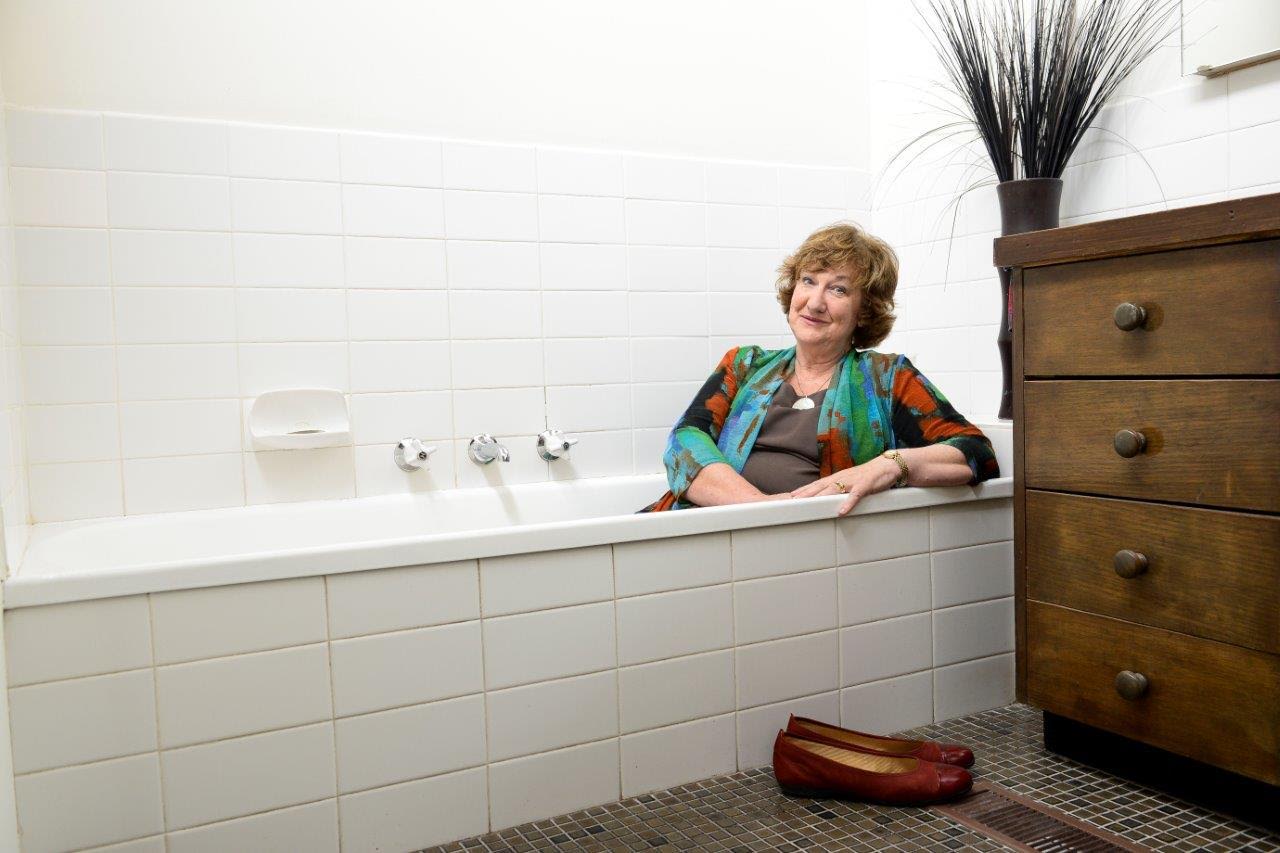
Hazel in bathHazel Edwards often reads in the bath (not usually with clothes on).This fun photo about author workspaces was taken by the Copyright Agency. Her memoir ‘Not Just a Piece of Cake:Being an Author’ (Brolga) is available in print & e-book. http://www.hazeledwards.com/page/not_just_a_piece_of_cake_being_an_author.html.

Introducing MenuChef: guest post

menu chef picCross-posted from my food blog.

Our whole family has always had a great interest in food and cooking, and my entrepreneurial nephew, Edouard de Martrin Donos(brother of talented Paris-based chef Alexis Braconnier) has parleyed that interest into a brand-new start up in Sydney with two of his friends: a company calledMenuChef, which offers an unusual new service, turning your home into a fabulous venue for a fine dining experience. To explain the concept, the story behind it, and what’s on offer, I invited Edouard onto the blog. Enjoy!

Introducing MenuChef, 
by Edouard de Martrin Donos

My story
My name is Edouard de Martrin Donos, I’m the CEO of menuchef.com.au.
I am a French & Australian entrepreneur, growing up in a large French Australian family that combined the best elements of a successful family reunion: extraordinary dishes & passionate entertaining dinner.
Food & cooking always took a big part of my life as well as that of my whole family (my brother is a celebrity chef in France). I grew up in a family where everyone knows how to cook and shares the same passion of multi-cultural dishes and flavour explosions to bring the true essence to our plates. We always have organised big feasts for family and friends when great food and animated debates were crucial part of these reunions.
I have built my company with two of my friends, Olivier and Chris, who share the same vision and passion of entertaining at home.
Our concept
We want to share our vision and change the way that people think of dining: why dine-out when you can dine-in?
At MenuChef we believe that professional chefs can get out of their kitchen and give you an exclusive access to their world. We want our customers to experience an extraordinary culinary and entertaining adventure in the comfort of their own venue.
What do we offer?
We offer a private & premium personal chef service where the chef will cook for you and your guests.
Also, we are offering some great culinary experiences to choose from:
  1. Romantic dinner to impress your special someone
  2. Cooking class where the chef comes to you and teach you how to cook your dream dish.
  3. Special events for a unique and tailor-made gourmet catering for any corporate or private function (High Tea, Wedding, Celebration, Seminar, Christmas party, etc..)
How does it work?
We know how tricky it can to host a dinner with the stress of cooking, organising and cleaning. This frees you up so you get all of the the pleasure and none of the pain!
STEP 1: Simply jump on the website, select your menu online based on your taste, inspiration and budget. Book your selected menu based on your selected criteria (cuisine type, chef, menu range).
STEP 2: Your chef will contact you and will do the grocery shopping for you.
STEP 3: The chef will come to your door at the date and time indicated on your booking and will cook for you and your guests.
STEP 4: Your chef will serve you and your guests and clean up before leaving.
How do we select our chefs?
Our chefs are selected based on their cooking skills and professional cooking CVs. We have a strict recruitment process that the chef must follow in order to integrate the menuchef team. The chef’s final selection is done with our critic’s team (Bloggers, critics and menuchef representative will validate the chef during a booking trail).
Once the chef is validated, the chef will establish his/her menus and will set up a profile visible on the website. After a final review, the chef is ready to get his/her first booking for menuchef.
For more details, visit us on www.menuchef.com.au or call us on 1300MENUCHEF (636 824)
Email: valetservice@menuchef.com.au (customers)

In praise of Tintin

tintin1A piece of mine I’m republishing, having just been reading some Tintins again!

Tintin of the ageless quiff and boundless enthusiasm, from the gorgeous comic books by the Belgian author and illustrator Herge has turned eighty-six this year ! Of course I have every single volume of his adventures, some in French, some in English, as well as quite a few associated books, including a gorgeous book of travel narratives and photographs retracing the steps of Tintin and his friends in such countries as Tibet, Scotland, the Congo and ‘Syldavia’, compiled by the French magazine Geo. This curiosity, along with Tintin encyclopedias, dictionaries, diaries and several figurines of Tintin and his friends, action figures, bookend the scruffiest, most loved-to-death collection of the Tintin adventures, which we never get tired of rereading.

The Tintin adventures are the books most often pulled out of the groaning family shelves when any of my kids come home to visit. When anyone’s feeling tired, discouraged, or simply at a loose end, Tintin is the prescribed remedy—a remedy of freshness, fun and escape that never fails to work. And when I canvass many of my writer friends as to favourite childhood reading, Tintin comes up again and again.

Translated into the world’s languages, over the four generations and more since his birth in the pages of an obscure children’s journal, Le Petit Vingtième, the immortal little reporter has proved remarkably adept at transcending all kinds of barriers of nationality, culture, religion, class, race, sex, ethnicity, age, whatever you will. The brainchild of the renowned Belgian cartoonist Hergé(his real name was Georges Rémi—and his pen-name comes from the phonetic French rendition of RG, his initials spelt backwards), Tintin’s now reached an iconic status. You rarely hear anymore the snobby, narrow-minded assertion that it’s not right for kids, because it’s—shock, horror!– a comic. Yes, some of the early work is very dated and patronising (my least favourites, for this reason, as well as incoherent story, are the early Tintin in the Congo and Tintin in America). But mostly, the Tintin corpus has aged remarkably well, because at the heart of Herge’s work is a realistic, amused but compassionate view of human nature, and a strong feeling for justice. Along with the social comedy and the crisp dialogue, there is also a horror of cruelty and bullying, and a tenderness for the ‘ordinary’ aspects of human life, as opposed to those who would have us valuing ideas over people.

Hergé very much kept up with what was going on in his times, something that is clear in the Tintin adventures. Yet it’s a curious fact about the Tintin stories that they’re both timeless and very much of their time. With consummate artistry, in both gorgeous pictures and crisp words, Herge managed to both document the realities of the twentieth century, and create his own world. The archetypal characters, social comedy, jaunty pace, inventive language, extraordinary command of line and colour, exciting, suspenseful plots, and clever dialogue of the books are all handled with the lightest of touches that belied the author/illustrator’s painstaking care with his work, both visual and written, and the immense amount of research he did to create such a seemingly effortless, pleasurable result. He combed dictionaries for words that could be used for the ever more colourful and bizarre invective of Captain Haddock; read umpteen atlases, books of science, folklore, geography and history to get exactly the nuances of the various places Tintin explores. Like Shakespeare, he did not visit the places he set the stories in, preferring to document himself in libraries and museums, but his own city of Brussels features anonymously many times at the beginnings of Tintin adventures.

The Tintin books have been highly influential in pop culture. Writers and film-makers have been greatly inspired by them. When I was compiling a series of columns for a book magazine a few years ago, on the favourite childhood books of several prominent children’s writers, Tintin came up many, many times as a major influence. Tintin has also helped to make the extraordinary art of comic books acceptable to a wide range of people(incidentally the massive success of such European books clearly shows that it’s certainly not just the US that calls the cultural tune).

But the Tintin alchemy has not yet been totally successfully distilled into decent film versions—of the abortive 1970’s cartoon series, the less said the better(indeed Herge himself, who had had no control over them, hated and despised them). The recent Steven Spielberg film was okay, but no more. It doesn’t matter We Tintinophiles have all those gorgeous stories to read again and again; a mixture of cinema and storytelling right there in front of our eyes, in a perfect blend of word and image.
Guest post: Elisabeth Storrs on Etruscan love

Today I’m delighted to welcome Elisabeth Storrs to my blog. Elisabeth is the author of The Wedding Shroud and The Golden Dice, the first two books in the Tales of Ancient Rome trilogy set in early Republican Rome and Etruria. The final book, Call to Juno, will be released in April 2016.Storrs-WeddingShroud-20148-CV-FT

00 ElisabethStorrsColor300Elisabeth has long held a passion for the history, myths and legends of the ancient world. She graduated from the University of Sydney with a degree in Arts Law having studied Classics along the way. She lives in Sydney with her husband and two sons and over the years has worked as a solicitor, corporate lawyer and governance consultant. She is the co-founder of the Historical Novel Society Australasia, and the Deputy Chair of the NSW Writers’ Centre.

Warding off Evil: The Power of A Loving Embrace.

by Elisabeth Storrs
I was inspired to write The Wedding Shroud and its sequel, The Golden Dice, when I found a photo of a C6th BCE sarcophagus of a man and women lying on their bed in a tender embrace. The casket (known as the Sarcophagus of the Married Couple) was unusual because, in this period of history, women were rarely commemorated in funerary art let alone depicted in such a pose of affection. The image of the lovers remained with me. What kind of culture exalted marital fidelity while showing such an openly sensuous connection? What ancient society revered women as much as men? Discovering the answer led me to the Etruscans, a society that existed from before archaic times in Italy and was mainly situated in the areas we now know as Tuscany and Lazio.

Married Couple                                              Sarcophagus of the Married Couple
                                                            Late C6th BCE

Etruscan women were afforded education, high status and independence. As a result they were often described as ‘wicked’ by Greek and Roman historians and travellers whose cultures repressed women. Etruscan women dined with their husbands at banquets and drank wine. In such commentators’ eyes, this liberal behaviour may well have equated with depravity. One famous account claims that wives indulged in orgies. And so modern historians continue to debate the contradictory depictions of Etruscan women –were they promiscuous adulterers or faithful wives?
Etruscan society clearly celebrated both marriage and sex. The image of men and women embracing is a constant theme in their tomb art and ranges from being demure, as in the case of the Married Couple, to the strongly erotic (Tomb of the Bulls) and even pornographic (Tomb of the Whippings.) The latter illustrations seem to confirm the more prurient view of Etruscan women but the symplegma or ‘sexual embrace’ was not a gratuitous portrayal of abandon but instead was an atropaic symbol invoking the forces of fertility against evil and death.
No better example of this is a particularly striking double sarcophagus found in Vulci in Italy and which is now located in the Museum of Fine Arts, Boston. Wrought in fine white limestone, the man and woman lie entwined in each other’s arms. However, unlike the anonymous Married Couple, this husband and wife can be identified. They are Larth Tetnies and Tanchvil Tarnai. The very fact that Tanchvil has two names is evidence of the status of Etruscan women. In early Rome, females only had one name – that of their father’s in feminine form. In Etruria, the bloodlines of both sides of a woman’s family were often recorded on their casket.

Tetnies Younger                                                       Larth Tetnies and Tanchvil Tarnai
                                                         Late C4th early 3rd BCE
The image of the couple is both intimate and yet openly erotic. The spouses are not young but are nevertheless beautiful. Tanchvil gently clasps the nape of Larth’s neck as the lovers gaze into each other’s eyes. They are naked, the outline of their limbs evident beneath the sculpted folds of the mantle that covers them. However nudity cannot hide their status. Their luxurious hairstyles and elegant jewellery declare their wealth, as does the wide, decorated double bed upon which they lie.
There was a second sarcophagus found in the sepulchre at Vulci. It is narrow and only held the remains of a woman, Ramtha Visnai, but its lid depicts her embracing her husband, Arnth Tetnies. They are the parents of Larth. This coffin is made of rough nenfro stone. Wrapped in their shroud, the figures embrace each other on their bed. Unlike the sexually charged younger couple, the older pair is more contemplative as they face each other although the sight of their feet peeping from beneath the covers hints at the relaxed familiarity of their marriage.

Tetnies Elder                                                  Ramtha Visnai and Arnth Tetnies
                                                          C450-400 BCE

The Married Couple inspired me to write my trilgy, but the two caskets in the Tetnies tomb were the inspiration for the title of The Wedding Shroud. For both couples lie beneath mantles that I came to understand could symbolise the large veil under which an Etruscan bride and groom stood when they took their vows. In effect the spouses were swathed in their wedding shroud for eternity, their union protecting them from the dark forces that lay beyond the grave.
As for the conflicting views of Etruscan women, it is clear from studying this society’s art that they celebrated life. Many worshipped the religion of Fufluns (the Greek Dionysus and Roman Bacchus) whose later cult adherents were famous for indulging in debauchery but in its purest form was a belief in the power of regeneration. So which version is correct? Sinners indulging in group sex or steadfast wives? Perhaps both, because the concept of a culture that condones female promiscuity while also honouring wives and mothers is not necessarily contradictory. For while it can be erroneous to compare modern societies with ancient ones, it could be argued that this attitude to females occurs in many present-day Western cultures today.
Either way, the erotic and sensual image of an embrace transcends any moralising in which historians might indulge. Ultimately I believe that the symplegma is not just an atropaic symbol but something more powerful. Whether sculpted in stone, moulded in terracotta or painted in a mural, the embrace of two lovers remains, above all, an eternal celebration of abiding love.

Tetnies Sarcophagi photographs © 2010 Museum of Fine Arts, Boston
The Married Couple courtesy Wikimedia Commons.Storrs-GoldenDice-20146-CV-FT

Elisabeth’s website http://www.elisabethstorrs.com
Twitter https://twitter.com/elisabethstorrs
Facebook https://www.facebook.com/elisabeth.storrs
Buy links on Amazon http://www.amazon.com/Elisabeth-Storrs/e/B005NVUWZ4/

Guest post: Dianne Bates on Buzz Words

Dianne (Di) Bates is one of the most hard-working and dedicated writers I know, and has been in the industry for decades. She has published over 120 books for children, some of which have won state and national awards, including two children’s choice book awards (WAYRBA and KOALA). She is married to award-winning children’s author Bill Condon; they share a website http://enterprisingwords.com.au

As well as being a writer, Di is also the founding editor of the highly-respected industry magazine Buzz Words, an invaluable resource for anyone involved in children’s books. In this guest post she profiles the magazine. I highly recommend subscribing to it!

Buzz Words: All the Buzz About Books

By Dianne Bates

In 2006 I started a subscriber-based twice-monthly online magazine exclusively for people in the Australian children’s book industry, such as writers, illustrators, librarians, publishers – in fact, anyone interested in children’s books. As editor I gather material from many sources and sometimes commission material. Buzz Words’ aim is to keep readers abreast of what’s currently happening in the children’s book industry and to give them as many opportunities to get informed and possibly published.

Every issue contains industry news, publisher profiles, profiles of people in the industry, an interview (editors, publishers, designers, etc), opportunities, markets, competitions and awards, recommended books and websites/blogs, festivals and conferences, workshops, article/s, subscribers’ achievements, letters to the editor and children’s book reviews. Links are frequently provided to help readers.

Buzz Words is as subscriber-friendly as possible. Preference for interviews, articles, profiles, etc is always given to subscribers. Subscribers are also given the opportunity to advertise for free if they have a product and/or service.

The magazine also has a children’s book review blog http://buzzwordsmagazine.com where a new children’s book review appears every day. Reviews are also linked through the magazine to the blog. Buzz Words has 20 reviewers; we review for most children’s publishers in Australia.

I am happy to send anyone the latest issue of the magazine to see if they would like to subscribe. Contact dibates@outlook.com. Cost is $48 per year (24 issues). The magazine is distributed on the 1st and 15th of every month.


Kyle Mewburn on dragons and dinosaurs and boys who don’t read

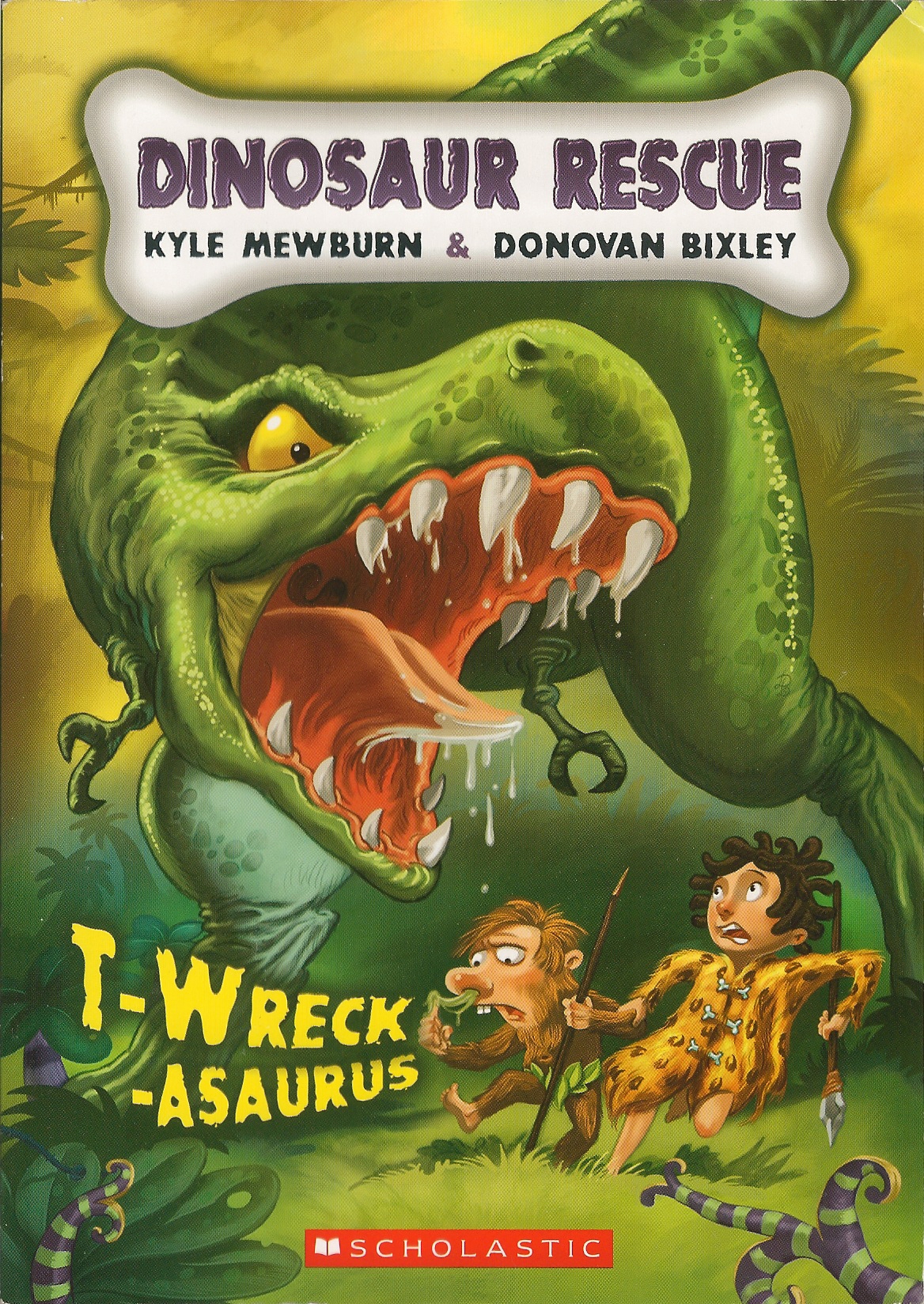
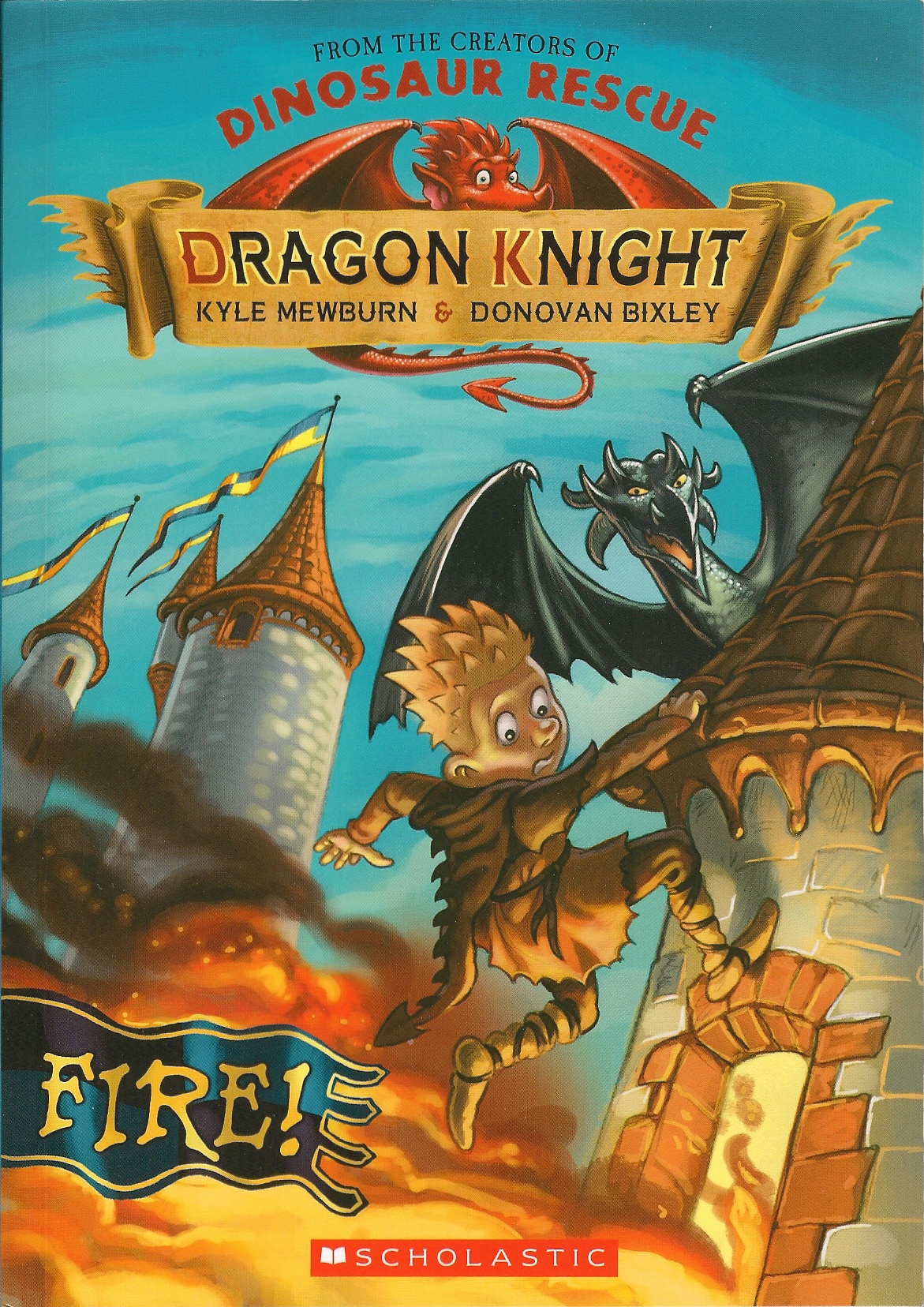
Kyle Mewburn is the author of over fifty titles including two bestselling junior fiction series. Dinosaur Rescue – about the only evolved boy in a neanderthal tribe who joins a talking T-rex on a mission to save the dinosaurs from extinction. And Dragon Knight – about a shape-shifting dragon boy who wants to go to Knight School. Originally from Brisbane, he now lives in a grass-roofed house in the deep south of New Zealand.

I met Kyle in person a couple of years ago, at the ASA Writers’ Congress–Kyle and I are both on the Boards of our respective authors’ organisations in Australia and New Zealand–and we’ve kept in touch ever since. On Facebook recently, he made some observations about boys’ reading which I found interesting, so I asked if he might like to write a guest post on the subject.

Welcome, Kyle!

DSC01530 (950x1280)Of dragons and dinosaurs and boys who don’t read

by Kyle Mewburn

Boys don’t like reading! Boys are falling behind! The sky is falling! Almost every day there’s another gloomy study, one more grim report and another grand theory on what we might do to avert catastrophe. Yet, when I recall my own childhood and the reading experiences of my peers, it always begs the question – was it ever any different? For some boys, reading was always a struggle. While for those like me, it was a wondrous escape – a delight.

As a writer of two successful junior fiction series broadly targeted at so-called reluctant readers, I think engaging this readership is akin to getting them to eat their vegetables. Take my mother. She was no Masterchef. She used to boil almost everything. For hours, sometimes. My lasting impression of broccoli was a slightly sulphuric-smelling mush with the consistency of gravel. She nearly put me off vegetables for life. If I hadn’t fallen in love with a talented, enthusiastic cook, I may never have recovered.

For lots of kids, especially boys, reading can quickly become something comparable to eating badly cooked vegetables. It’s something they’re supposed to do because it’s good for them. When I visit schools I’m regularly appalled by the diet on offer. Too often they are the literary equivalent of boiled-to-death cabbage.

In my experience, reluctant or struggling readers are by no means slow. And they’re certainly not dumb. More often than not the reverse is true – there’s a hell of a lot going on in their heads and their lives. If they only read under duress it’s often because they’ve got way more interesting things to do. Offering up trite, dumbed-down stories will turn them off reading for life.

Writing for this readership isn’t rocket science. Though a few rockets and some science never go astray. But nor is it as simple as some people think. Ever since my series Dinosaur Rescue came out, Dinosaur Rescue 1I’ve had lots of offhand comments saying basically – “If you want to appeal to boys all you have to do is add some fart jokes. They lap that stuff up.” Or “boys love anything with dinosaurs in it” – as though that explains everything.

That attitude really annoys me. For one, it suggests writing successfully for that readership is simple. Worse, it implies that readership, especially boys, are one-dimensional and an easy target.

All my stories are seat-of-your-pants stuff. I don’t actually have any idea what’s going to happen until I start writing. I think it’s important to retain a sense of spontaneity. My general theory is if I don’t know what’s happening next, then the readers can’t guess what’s going to happen either. That’s what keeps them turning the page – which is vitally important at that age. If they lose that momentum, their attentions can quickly wander off in other directions.

The series DOES contain a degree of scatological humour and some pretty gross stuff besides. I don’t make any apologies for that. It’s something most kids, especially boys, find funny. But stories with complex inter-personal relationships, especially friendships, are equally, if not more important.

Dragon Knight - Fire!In the end, re-readability is the key. The story has to be complex enough to sustain multiple readings. And it can only do that if it uses complex language, has multi-dimensional storylines, and various layers of meaning. A kid will only re-read a story if there is something new to discover with each reading. There needs to be thoughts and ideas which challenge them, with comprehension the reward for the effort of re-reading. If I can make them wet their pants laughing in the process, all the better.


Guest post: Jan Latta, author and wildlife photographer

Today I’m delighted to welcome Jan Latta to my blog.cover 50% 72dpi222

Jan is an adventurous author and photographer who follows animals in their natural habitats to create her series of 14 True to Life books for children. She’s travelled to Borneo for orangutans, the mountains of China for pandas, Uganda for Dr Jane Goodall’s chimpanzees, India for tigers, nine times to Africa for the big cats, elephants, rhinos and zebras, and Sri Lanka for the endangered leopard book.

In this fascinating guest post, she tells the story about a day in the Maasai Mara, Africa.

A DAY IN THE LIFE OF JAN LATTA –

AUTHOR AND WILDLIFE PHOTOGRAPHER

3.am: I hear a noise outside my tent I can’t identify – the rustle of leaves followed by munching sounds. I hold my breath and listen. Then I hear the deep rumble of a large animal’s stomach. I open the flap of my tent and see a magnificent bull elephant, and he’s only a metre away. I watch him eating and as I’m not in any danger, I go back to sleep.

5.0am: After my wake-up call and a mug of tea I open the zipper of my tent and wriggle my torch into the sky. This is the signal for the guide to escort me to the jeep.

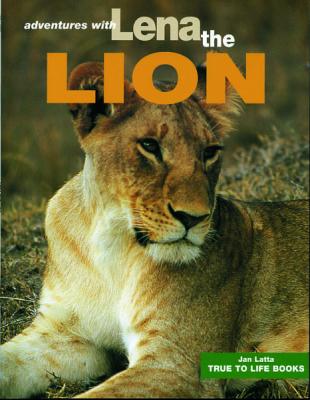
6.0am: I watch the gentle beauty of a journey of giraffes in the golden sunrise. When they are close I can see the little Oxpecker birds clean the giraffe’s teeth and then ride on their mane. There is a lioness lapping water from a puddle. She looks at me and her eye contact is mesmerizing. She walks right up to the jeep, still looking up at me, then turns, walks beside the jeep and then into the bush. My guide says, “You didn’t take a photo?” I said no, because it was so special to have eye contact with her. My guide said it was the lioness we saw yesterday with her wildebeest kill and her two cubs.lena_the_lion_by_jan_latta_0980795869

9.0am: Fat hippos grunting, honking and farting their way up the river with their nasty habit of swishing dung into the next hippo’s face. A herd of elephants walk silently past the jeep and there is a tiny calf trotting along with its wobbly little trunk exploring everything. It’s adorable. Then I see my favourite animal, the cheetah. She is resting in the tall grass after her morning hunt.chipper-lge

11.0am: Drive back to camp for lunch and a shower. The guide calls the camp when we are close and a bucket of hot water is waiting for me. The bucket is tipped into my inside shower unit by a rope outside. I wash my socks but I have to stay guarding them because last year baboons stole all my socks from the tent rope. I wonder what they do with them?

3.0pm: On the way to see the lioness again there is a huge male lion walking towards her area. This is very dangerous because the male will demand the wildebeest remains, or he might kill the cubs to mate with the lioness. The guide stops and I hold my breath. What will happen? The lioness is rigid and stares at the male – but he just flops in the grass and falls asleep – plonk –he’s the daddy!

On the way back to camp I see a very cranky rhino on the horizon. 10 minutes later he thunders out of the bush, with dust and dirt flying everywhere. I yelp a warning and the guide accelerates. The rhino gets closer and closer to the jeep but finally we pick up speed and escape him.

7.0pm: I walk to the main tent to have dinner with the camp manager. During dinner we hear a loud bang, and unzip a section of the tent to see a lion chase a wildebeest right through the middle of the tent. Wow!! The Maasai run to help me and I try to calm down but realise I have to walk back to my tent with the pride close to camp. Two Maasai escort me safely back to my tent. The lions roar throughout the night and in the morning I hear the soft pant breathing of a lion right next to my tent. rufus

I’ve had so many amazing adventures creating my series of 14 True to Life books and it is a privilege to be so close to them in the wild. To be the “voice” to tell their story in both photographs and words.


Check out Jan’s website here. You can also buy her books and DVD direct from the website.

Watch her fabulous wildlife videos on You Tube!

Connect with her on Facebook here.

Contact her for exciting school and festival presentations:  janlatta@truetolifebooks.com.au