

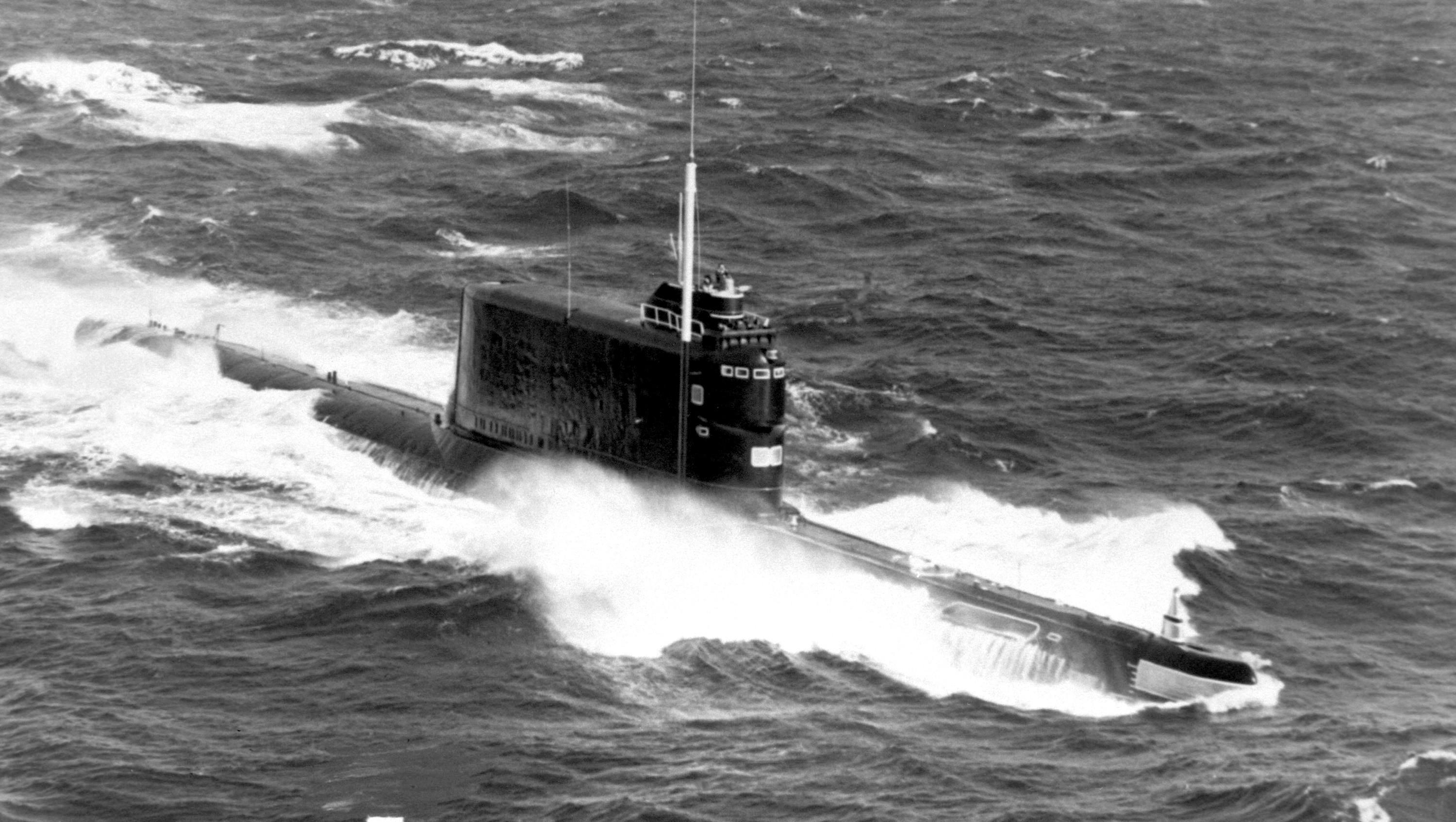
This story was triggered by something I read during the coverage of the tragedy of the downed Russian submarine ‘Kursk’ in the Barents Sea in 2000. It was noted that there had been other such incidents during Soviet times, and that the few submariners who had survived accidents of this sort reported feeling that when they were going up through the escape hatch through the layers of water above, they were entering a different world, out of time..
It is also very much inspired by traditional stories of selkies, which have fascinated me ever since I was a child.
Originally published in ‘The Mutant Files’ anthology(USA) in 2001, it was also republished in my collection, The Great Deep and Other Tales of the Uncanny. I hope you enjoy it–and a very happy and peaceful festive season to one and all!
Copyright notice: This story is copyright to Sophie Masson. It may be reproduced, with all proper acknowledgements, but may not be used for commercial purposes or adapted without permission. 
The Great Deep
by Sophie Masson.
Full fathom five thy father lies;
Of his bones are coral made;
Those are pearls that were his eyes;
Nothing of him that does fade
But doth suffer a sea-change
Into something rich and strange.
(from The Tempest, by William Shakespeare)
If it had not been for his son Henry’s broken heart, the Reverend Doctor William Featherstone would never have been on the remote little Welsh beach on that bright, fateful summer morning in the year 1712. If poor naive Henry had understood the nature of the light-footed, light-headed Imogen he had set his heart and soul on, Dr Featherstone would have been comfortably ensconced that day in his lodgings in Oxford, working busily on the notes for the latest chapter of his vast compendium of natural and unnatural history.
Now, a broken heart, despite the sufferer’s perception of it, is not usually fatal. But in Henry’s case, it very nearly was. The night after Imogen had laughed his love to scorn, Henry’s manservant Roley had found his young master insensible in his room, having taken what he presumed to be a lethal dose of laudananum—which fortunately it had not been, only enough to make him very ill indeed.
Henry had shown little gratitude at being pushed back into the world. ‘Why didn’t you leave me to die?’ he had cried out to his father from his sickbed.
‘You could hardly expect me to do that,’ pointed out his father, reasonably. ‘You are my only child, after all.’
Henry sighed bitterly.’Nothing in life has any savour any more, for Imogen will never love me; worse, she despises me.’
‘Why then, return the compliment, with interest,’ said Dr Featherstone, briskly.
‘Oh, father, how can you speak thus! But then, you don’t understand about love, at your age,’ said his son, closing his eyes .
Foolish, commonplace words: but they had stung Dr Featherstone deep inside a place he had thought carapaced long ago. He looked at his son’s face—the skin very pale, the dark, soft, cropped hair, the long, dark eyelashes curving on the hollow cheeks—and for one terrible moment, saw the face of his beloved wife Cristin, Henry’s mother, lying there in her last illness. ‘Water on the lungs,’ some quack doctor had called the strange illness that had made her waste away so quickly. He had not thought of her for years; had blocked her picture away from his mind. But now he spoke quickly, sharply, words he had not thought through, that he had no idea had been in his mind at all.
‘As soon as you are quite well, we will leave for Wales,’ he had said to Henry, making the young man’s eyes fly open again, and dispelling the grievous illusion, for Henry’s eyes were blue as Cristin’s had been dark brown and combative as hers had been gentle.
‘Wales! Why, Father…’ Henry stopped, confusedly. Perhaps he regretted the words he’d uttered; or perhaps he merely thought his father was acting as fathers do, according to their sons: in the way of another alien kind, another, mutant race.
‘I intended to go there this summer, in any case,’ said Dr Featherstone, in a willed return of his earlier briskness. ‘And now is as good a time as any. ‘
‘We will stay at the Red House, like in the old days?’ Henry’s sudden smile was as sweet as Cristin’s had been, and Dr Featherstone’s heart turned over most painfully.
‘Of course..’ Fussily, to hide his feelings, he went on, ‘And I hope that Mistress Llewellyn will have aired it well this spring, or we may look forward to some rather damp evenings.’
‘I am sure she will have done,’ said his son, listlessly, closing his eyes again; and Dr Featherstone saw that though Henry had him fixed again as an old fusspot, at least now the danger—to both of them–was past. Henry had not forgotten Imogen, of course; but he had something to look forward to, again. The Welsh coast; the Red House; and the smells and sights and sounds of a happy childhood. The young can easily start again, thought Dr Featherstone, rather bitterly, as he tiptoed out from the sick-room, leaving the rest of Henry’s recovery in Roley’s capable hands. Not so easy for us older folks, who must forget, for sheer survival’s sake, what it was really like to live for love.
And so it was that both Featherstones, senior and junior, found themselves back in the cliff-top Red House, on the remote south-west coast of Wales, facing the Irish Sea. The house had reputedly been built some two hundred and fifty years previously by Cristin’s legendary ancestor, Morgan Meredith. Sealmen and women, strange and wondrous mutants of the deep, were not unknown on that coast of marvels, and all who knew Morgan had no doubt he was one of them. As a baby, he had been recovered from the sea by the fisherman who became his adoptive father. More, he swam just like a sea-creature, and was always to be found in or near that element.
When he reached manhood, Morgan had taken employ in the King’s navy; and the stories of his bold exploits at sea came home to his own place, and filled the people there with pride. When he returned home, he took a bride from amongst the villagers, and built the Red House on the cliff overlooking the great green deep. None knew exactly when he had died; for one day, in old age, he had simply disappeared, never to be seen again. It was said by all that he had returned to the sea whence he had come.
Despite—or perhaps because of—the strange stories about their legendary ancestor, the Merediths were well-liked and respected in the area. Cristin, last of the Meredith line, had been loved too, and her English husband accepted, for her sake at first; and later for his own. Continue reading →
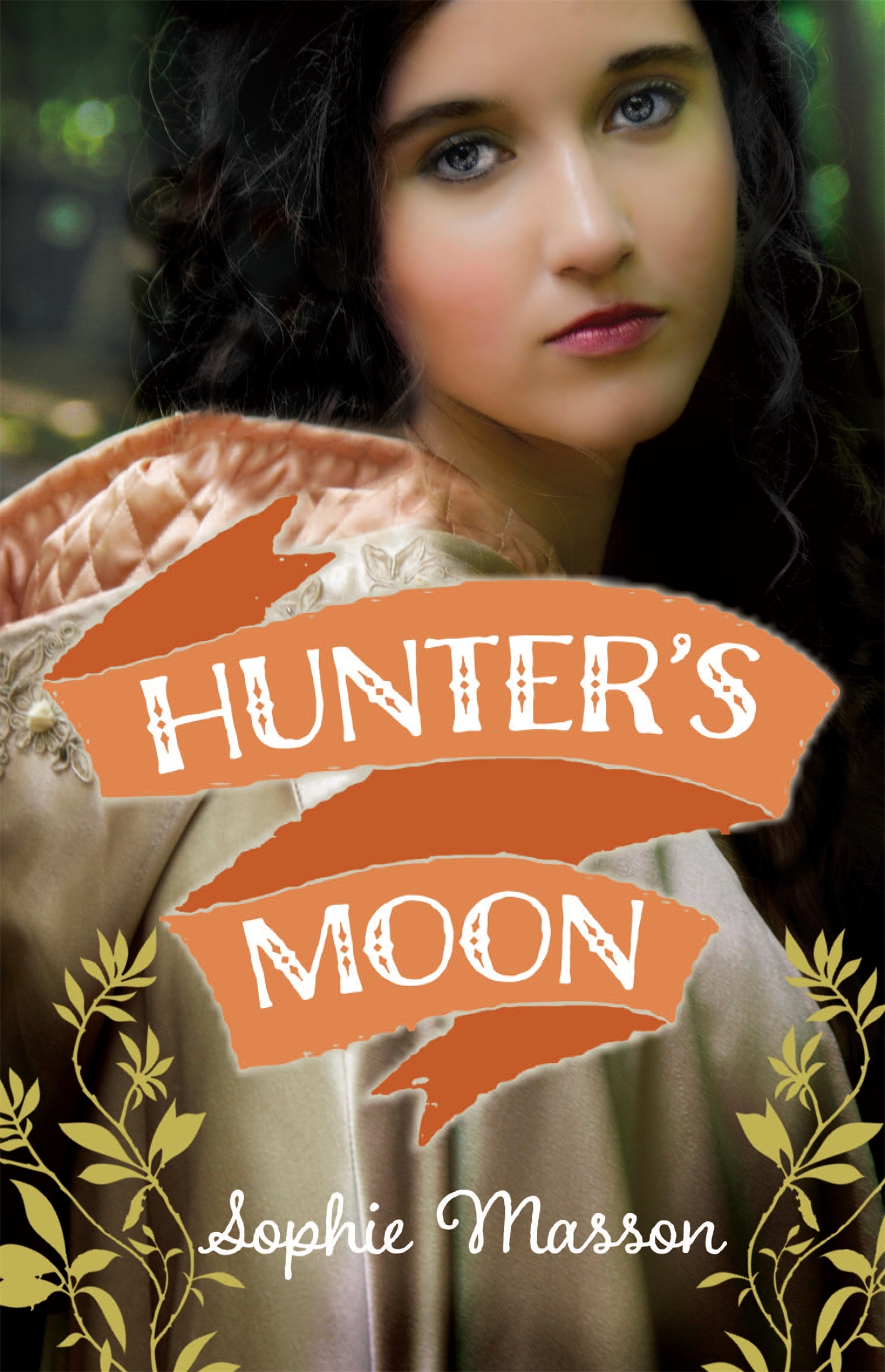 I’m thrilled to reveal the gorgeous cover of my upcoming novel, Hunter’s Moon, which is being released by Random House Australia on June 1.




 Feathers of the Firebird