Jessica Whitman writes about Wild One

Wild One Blog Tour posterToday, I’m delighted to be part of a blog tour by popular fiction author Jessica Whitman, featuring her new novel, Wild One. In this guest post, she shares an experience many writers can relate to!

My writing ritual is not as glamorous as my heroine

by Jessica Whitman

Before I had kids, I wrote a bit like Kat does in the book. I had a very specific ritual for my writing, and heaven forbid everything was not just exactly so. I had to have a clean house, the right pot of tea (and I always drank out of the same cup), a room solely devoted to my work, a view from my window, loose, comfortable clothes, and glorious, uninterrupted, hours of night time silence. But now, I write catch as I can. The one thing I still do is work at night – which used to be a choice, but now is a necessity. Because I do need uninterrupted hours to really go deep, and it’s just about the only time I can get it.

As for losing my mojo, ironically, having children and having other work, has shown me that writer’s block was really just an indulgence on my part. When your time is severely limited, when you have deadlines to meet, when you are fighting for the hours you need to get your work done, the idea of wasting time sitting in front of a blank screen in pretty much unfathomable. And so I am far more productive since I had kids and jobs to juggle than I was before, when I had all the idle time in the world. The pressure has actually made me a better a writer.

Wild One by Jessica Whitman is published by Allen & Unwin, RRP $29.99, available now.

Thanks to Allen and Unwin, two lucky readers (Australian residents only) could win a copy of the book! Enter by filling in the contact form on my blog, putting in your name and street address(no PO Boxes please). Wild One cover

Read more about Wild One:


In the irresistible tradition of Jilly Cooper, Wild One is the second addictively readable novel in the glamorous, scandalous, romance-filled Polo Season series.

When Katherine ‘Kat’ Parker wrote and directed a blockbuster movie she became Hollywood’s ‘It Girl’ overnight – until with one flop she wasn’t. Now Kat is back living in Florida trying to find the inspiration to write what she hopes will be her comeback screenplay.

Despite being an exceptionally talented polo player, Sebastian Del Campo has never shared his famous family’s intense passion for the sport. He has, however, excelled at other polo-related activities – like partying hard and having liaisons with beautiful women.

When Sebastian meets Kat he finds her down-to-earth attitude refreshing. Keen to get to know her better, he regales Kat with stories of his trailblazing grandmother, Victoria, who was a pioneering polo player.

Kat’s imagination is fired by Victoria’s story and she realises she’d make a great subject for a screenplay. Seb agrees and the pair head to Hollywood to seek out funding for a film that could make or break both their careers – and their growing feelings for each other . . .

Wild One is a fun, sexy and entertaining novel about taking a risk to follow your passions in life – and love.


ABOUT THE AUTHOR

Jessica Whitman teamed up with the face of Ralph Lauren, world-famous polo player Ignacio ‘Nacho’ Figueras, to bring to life a romantic trilogy set in the glamorous world of international polo. ‘Nacho’ Figueras is the captain and co-owner of the award-winning Black Watch polo team. The ‘David Beckham of polo’, he has featured on Oprah, 60 Minutes and Gossip Girl, and was voted the second most handsome man in the world by Vanity Fair. Nacho lives in America and Argentina with his wife and their four children.

Where to buy the book:


Interview with Joel Naoum of Critical Mass

 Version 2Today, I’m very pleased to be bringing readers an interview with Joel Naoum. Joel is a Sydney-based book publisher, editor and consultant. He currently runs Critical Mass, a consultancy for authors and publishers, and previously ran Pan Macmillan Australia’s digital-first imprint Momentum. In 2011 he completed the Unwin Fellowship researching digital publishing experimentation in the United Kingdom.
I met Joel when he was at Momentum and published two adult novels of mine, the Trinity duology. It was a really fantastic experience to work with Joel and the rest of the Momentum team, and it was with great regret that I heard last year about the closure of Momentum as a stand-alone imprint, and the subsequent departure of Joel and his team. So it’s been excellent to catch up with him and chat about his very interesting new business, Critical Mass.
First of all, Joel, congratulations on launching Critical Mass! Can you tell readers about how you came up with the idea for the business, and what you see as its main objective?
Well, the name is a bit of a joke from my previous job at Momentum. We used to bend over backwards to avoid using the word “momentum” in conversation (which used to come up quite a bit in a fast-moving digital publishing imprint). One of the phrases we used to use was “building critical mass”. 
 
In a lot of ways Critical Mass is a logical follow-up to Momentum. When we conceived of Momentum six years ago we were trying to compete as a traditional publisher with the growing self-publishing trend. When digital sales began to plateau for traditional publishers, however, and I knew I was going to be leaving Momentum, I thought “If you can’t beat ’em, join ’em.” Self-publishing is still growing at a healthy rate, and authors have access to a massive range of services to help them. One thing I felt was missing, though, was the personal touch of a publisher or agent. Someone who can advise an author strategically, for their own benefit, about what steps to take next – whether you’re just starting out or you’re an established author. So I thought I could use the skills I’ve built up over the years to become a publisher-for-hire.
What have been the challenges and discoveries in setting up such a unique enterprise? 
It’s been difficult to find a way of framing the services I offer and pointing out the value in them. If an author has never been published before (or represented by a good agent) then they likely don’t know the advantages. For a lot of indie authors, publishers are the enemy – someone who has stopped them from publishing; not someone who helps them make better decisions or finds them better services to improve the quality of their publishing. It’s also been challenging to wear two hats – Critical Mass is a consultancy both for authors and for publishers, so finding a way to do both without compromising either service is a juggling act.
 How do you think your experience as founding director of Pan Macmillan’s digital imprint, Momentum, as well as the rest of your experience in the publishing has influenced and informed the direction and focus of Critical Mass?
I think Momentum in particular helped me make a transition from the slow-moving but high-quality world of traditional publishing to the lightning fast world of indie publishing. I understand what compromises need to take place to self-publish, but I also understand where not to cut corners in order to not compromise the book.
Critical Mass is aimed at three groups: authors, publishers, and content producers. With authors, you are offering a range of services to improve and streamline a self-publishing experience, which can be quite an undertaking for people attempting it alone. Can you explain the kinds of things you can do for authors going down the indie publishing route? In your opinion, when is self-publication a viable option for authors?
My first port of call is always to have a chat to authors who aren’t sure what they want to do to see if the type of project they’re working on suits self-publishing, or if they should attempt to pitch to a traditional publisher. If they’re better off attempting traditional publishing, I can help them polish their work and their pitch. If the project they’re working on suits self-publishing then I can help them decide on a publishing strategy, and then connect them to the various freelance editors, proofreaders, designers, marketers and other services to help them publish their book.
The biggest indicators for me that an author should self-publish is that they’re writing something that suits the market (books in series, genre fiction), they’re prolific (writing a book or two a year at least), they’re self-motivated and that they’re willing to experiment.
You are offering publishers a focus on technology solutions and possibilities for their business. Can you describe what’s involved? 
There are a lot of advantages to introducing digital technologies to all aspects of a publishing workflow that a lot of publishers, particularly the smaller ones, haven’t yet considered. End-to-end digital workflows save money and time, and automate work as much as possible so that the human beings inside an organisation can make intelligent decisions where needed instead of wasting their time on repetitive tasks that don’t sell more books or make them any better.
Moving to content producers, such as bloggers, you are looking at an earlier stage of writing than is implied in the services you offer to authors, with advice, for instance, on whether their content might be suitable to produce as a book. What kinds of things would you be looking at, in such content?
“Content producer” was a difficult category to come up with, and I’m still not 100% happy with the phrase. Basically I’m talking about businesses or individuals who have content, but they’re not sure if it’s a book and if so what they could do with it. This includes anyone from advertising agencies looking into book publishing for their brands, or an individual blogger who has built a platform but isn’t sure whether their content would suit book publishing. Given the breadth of what “content” is, it’s hard to make general observations, but the idea is that I’ve spent most of my career making commercial decisions about whether digital content is a book or not, and I figure other businesses and individuals might find that experience useful.
What are your views on the publishing industry, both nationally and globally? What do you see as the trends? 
 Publishing of all stripes is in a pretty good place right now. Traditional publishers are making money from both print books and digital, all the while authors have more access than ever before to top notch services and platforms to get their books out there – whether they go with a traditional publisher or do their own thing. 
 
I think things seem fairly stable right now, but the next five to ten years will likely see some more big shifts in the way audiences consume books, especially as the core audience for print books begins to age, and the people who grew up with iPads start to have kids of their own. I suspect the biggest areas for disruption are the health and wellness / lifestyle books and children’s books. I think this likely something to look for in the medium to long term, though, not in the next couple of years.
 
As always it’s also worth considering Amazon. They’re looking into launching more bricks and mortar bookstores in the US, and their in-house publishing imprints are becoming ever more powerful. If this end-to-end strategy pays big dividends you could see an even bigger juggernaut in the industry, which will likely cause more of the big traditional publishers to merge together in order to stay competitive.
Visit Critical Mass here.

How working in restaurants inspired Maggie’s Kitchen

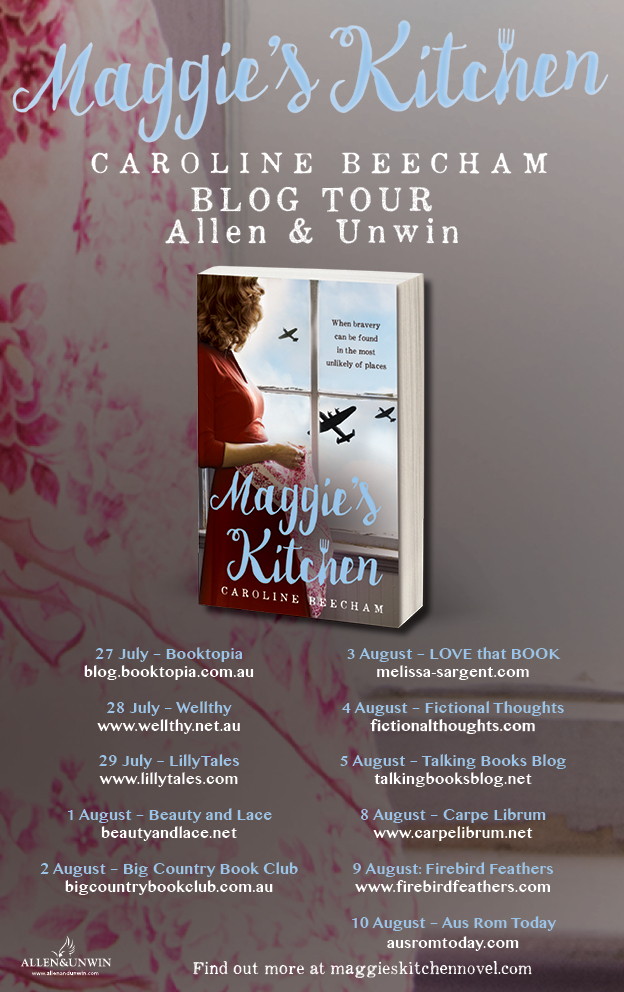
Maggies Kitchen Blog Tour posterToday I’m very pleased to be part of a blog tour by writer and producer Caroline Beecham, whose debut novel, Maggie’s Kitchen (Allen and Unwin), a most engaging historical novel about a most unusual restaurant, set against the background of World War Two, has just been published. In this interesting post, Caroline writes about one of the inspirations for her novel: and as a bonus to readers, provides a delicious recipe from the book!

How working in restaurants inspired Maggie’s Kitchen

 by Caroline Beecham

 Maggie’s Kitchen’ follows the fortunes of Maggie Johnson as she sets up and runs a British Restaurant in London during the Second World War. The story focuses on the relationships that develop with the community and in particular with Robbie, a twelve-year-old runaway, and Janek, a Polish refuge. Together they struggle through government red-tape to open the restaurant and then battle food shortages and community crisis to keep open their doors.

Caroline Beecham pic12Real events inspired me to write ‘Maggie’s Kitchen’; I was intrigued by these British Restaurants that the Ministry of Food set up during the Second World War to help with the food shortages. I felt that there was a story there, but my first thoughts were that it would be too difficult; how would you approach writing about people living on rations and not getting enough to eat and make it appealing? It was my experience working in restaurants while I was growing up that gave me the answer; you become like a family, working as a team, building relationships with regulars, dealing with difficult personalities and daily dramas—even when its not wartime! You become part of a community and I realised that it was through this microcosm that Maggie’s story could take hold.

I still had to keep a check on the food descriptions though; it didn’t seem appropriate to give mouthwatering accounts of the food so I had to restrain myself there, and I hope that I got the balance right. The research for the book took a long time as I read other fiction and non-fiction books, trawled the National Archives in London and visited Islington where the novel is set. Working through the original Ministry of Food recipes was also time-consuming as they all had to be checked and I wanted to make them so that if anyone asked me I could say that I had tasted and tested them all. With the help of friends and family, they were all tried and some adjustments made; there is no powdered egg these days!

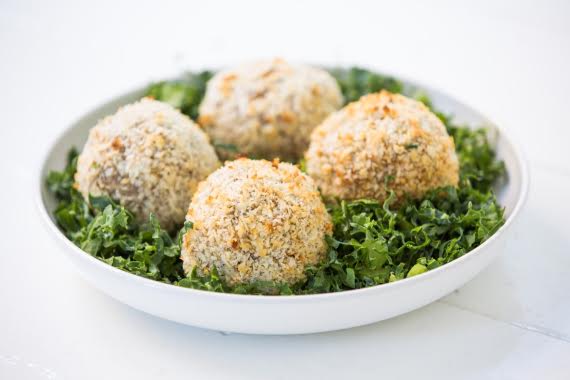
One of my favourites is the Crisp Coated Scotch Eggs recipe below. There was a requirement for fast food that could be eaten in a hurry, hot or cold, and the humble Scotch egg fitted the bill. The recipe is also appealing because it evokes the nostalgia of childhood. That’s one of the reasons that food can be so comforting; if it’s a dish we ate often as children then it can take us back. This theme of memory and food, and courage and food, is central to the book. The comforting nature of food is emphasized through Maggie directly nurturing Robbie with food, in the same way that she is able to offer comfort and food to the community through the restaurant.

For Maggie, the simple act of cooking is nurturing for her senses; even when she is trapped underground in the air raid shelter she is: ‘rubbing the sodden dirt between her fingertips, feeling the same cold coarse texture as if she were simply making breadcrumbs for shortbread or the topping for a fresh fruit crumble.’ And again, later on: ‘By the time she was at home in her kitchen and had taken the potatoes from her pockets and washed them, she was beginning to feel more settled, soothed by the restorative act of cooking.’ In a moment of self-doubt, when she is questioning her abilities, it takes Janek to remind her that: ‘In crisis we focus on what is real. What can be more real than providing people with their most basic need?’

crisp coated scotch eggsCrisp Coated Scotch Eggs

Ingredients:

4 eggs

450 g sausage meat

Flour

Breadcrumbs

Preheat oven to 200°C/390°F. Hard-boil eggs and coat with sausage meat, moulding them into neat shapes. Dust with flour and roll in bread crumbs. Line a baking tray with baking paper and bake eggs until crispy. Serves 4.


·         Maggie’s Kitchen by Caroline Beecham is published by Allen & Unwin, RRP $29.99, available now.

Booktopia

·          Kindle

·          Apple iBooks

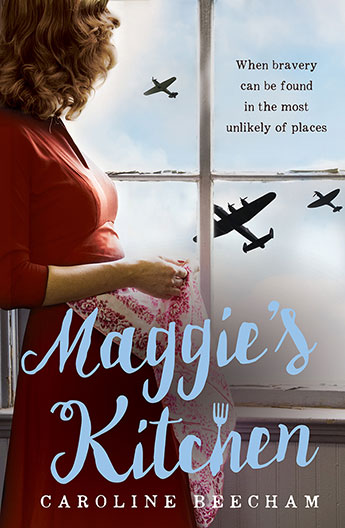
Maggie's Kitchen Book Cover

More about the book:

Amid the heartbreak and danger of London in the Blitz of WWII, Maggie Johnson finds her courage in friendship and food.

They might all travel the same scarred and shattered streets on their way to work, but once they entered Maggie’s Kitchen, it was somehow as if the rest of the world didn’t exist.

When the Ministry of Food urgently calls for the opening of British Restaurants to feed tired and hungry Londoners during World War II, Maggie Johnson is close to realising a long-held dream.

But after struggling through government red-tape and triumphantly opening its doors, Maggie’s Kitchen soon encounters a most unexpected problem. Her restaurant has become so popular with London’s exhausted workers, that Maggie simply can’t get enough supplies to keep up with demand for food, without breaking some of the rules.

With the support of locals, and the help of twelve-year-old Robbie, a street urchin, and Janek, a Polish refugee dreaming of returning to his native land, the resourceful Maggie evades the first threats of closure from the Ministry. As she fights to keep her beloved Kitchen open, Maggie also tries desperately to reunite Robbie with his missing father as well as manage her own family’s expectations. Until she can no longer ignore the unacknowledged hopes of her own heart, and the discovery that some secrets have the power to change everything.

More about Caroline Beecham:

Caroline Beecham grew up at the English seaside and relocated to Australia to continue her career as a writer and producer in film and television. She has worked on numerous productions including a documentary about Princess Diana lookalikes, a series about journeys to the ends of the earth, as well as a feature film about finding the end of the rainbow. Caroline decided on a new way of storytelling and studied the craft of novel writing at the Faber Academy in 2012. She has an MA in Film & Television and a MA in Creative Writing and lives with her husband and two sons by Sydney harbour. Maggie’s Kitchen is her first published adult novel.

ministry of war food


Interview with Anthony Horowitz

anthonyhorowitz06 (1)Today, I am absolutely delighted to present a great interview I did very recently with the multi-talented British author, Anthony Horowitz, starting with the creation of his current TV series, New Blood, and moving on to talk about his books and other projects. Known worldwide both for his book and screen writing, Anthony’s extensive creative credits include the Alex Rider best-selling spy series for young adults, the very successful long-running TV crime series, Foyle’s War, set in World War Two, penning the latest Bond novel as well as two Sherlock Holmes novels, many excellent books for young adults and younger readers including the Diamond Brothers series, the creation of gripping TV mini-series such as Collision and Injustice, plays such as the recent Dinner with Saddam, and the writing of many episodes of such classic TV series as Poirot and Midsomer Murders. In his ‘spare time’ Anthony also writes the occasional travel piece and newspaper article.

I’ve known Anthony for many years, since the publication of the first Alex Rider book in 2000, when I interviewed him for a magazine article, and we subsequently became friends. Over the years, we’ve frequently corresponded and caught up in person when possible, in London when I happen to be there or Sydney, when he happens to be there.

And over the years, we’ve exchanged not only personal news, but frank and wide-ranging views about books, the writing life, and the publishing industry. Anthony always has interesting things to say: lively and thoughtful, he also has wide cultural references and a generous clarity.  And his discussion of his own work, as you’ll see in this interview, is equally interesting, giving an insight into the imaginative passion and deft skill that are behind his extraordinary success as a writer.

Swapping books, Sydney 2015

Swapping books, Sydney 2015

Anthony, your current TV series, New Blood, has been airing on ABC TV here in Australia, after having been broadcast in Britain by the BBC. It’s had excellent reviews both from media outlets and individual viewers. Are you pleased with how it’s gone so far?

Broadly speaking, the response to New Blood has been fantastic. I set out to write a show that would break away from the dark, violent world of Scandi-noir and just give people an hour of TV that was enjoyable and entertaining – and I think we largely succeeded. That said, we haven’t yet heard if there will be a second series so I’m forced to reserve judgement…at least for a while.

How did you come up with the idea for the series?

For a long time, I’ve wanted to write about the so-called Y generation, the young people who, for the first time in history, may be worse off, with fewer opportunities than their parents. In London, in particular, there are real challenges. Getting a house. Getting a full-time job. Paying off tuition fees. This was my starting point. At the same time, I was thinking about ways to shake up the crime/police procedural genre. I was tired of middle-aged men with drink/marriage problems. I had this idea for an opening shot. A body is found in the street. A car pulls up. A grizzled detective gets out…but the camera slides past him and finds the young cop who’s standing in the rain, trying to keep the crowd under control. My show would be about that cop. It also occurred to me that all crime shows take place in one department. It might be vice, drugs, MI6…whatever. But what would happen if you had two departments – the police and the Serious Fraud Office? From that point, I began to think of a bromance – two young investigators who don’t know each other but who form a team, working outside the rules. This may all sound a little vague but I’m describing my thought process as best I can!

New Blood breaks refreshingly new ground in its portrayal of the two main characters, Rash and Stefan, young Londoners respectively of Iranian and Polish backgrounds. What I loved particularly, as someone who also grew up with a similar kind of double cultural world, is the fact both Rash and Stefan are comfortable with who they are, yet are also aware of other people’s misperceptions. They navigate their different worlds with a familiar yet never complacent ease, with certain things about their family/cultural backgrounds subtly brought new bloodout, yet never stereotyped. How did you go about creating these characters to make them feel so immediately authentic? And what part did finding the right actors for the roles–the excellent pair of Ben Tavossoli and Mark Strepan–have in that creation?

Thank you for this observation. Yes, I love the fact that London, more than almost any city in the world, is completely relaxed about its multi-cultural, multi-ethnic make-up. I knew from the start that my two main characters would be Eastern European and Iranian. It just struck me as fresh and modern. Rash was based on my son’s flat-mate who is himself Iranian and long before I started writing, I talked to him about his background and his experience of life in the UK. He actually appears as an extra in the fourth episode! We did our best to avoid the obvious stereotypes with both characters. Most young Londoners are just that. They’re young and they’re Londoners before you start layering in religion, politics, sexuality or whatever. As to casting, I always knew that the show would stand or fall by our choice of the two actors and I was very insistent that we shouldn’t cheat, that we should find the real thing….which we did! It was essential that the two actors should have a real chemistry. We cast Mark first…he has Polish blood and matched the character exactly. Then, when Ben came along (most of the parts he’d been offered until we came along were “young terrorist”!) we saw that the two fitted together perfectly. They became great friends almost at once and that friendship has continued throughout the filming and beyond. I cannot tell you how pleased I am with their performances and if I have one hope it’s that they’ll become the stars they deserve to be.

You have a stellar career as a writer both for screen and books. Do you have a preference for either form? Or does it depend on the story?

I love all my writing equally. I think that it’s impossible to write well without passion. That said, of all the writing I have done, I probably value my YA books – Alex Rider in particular – the most. Why? Because reading, a love of books can change your life. I meet so many adults now who grew up with Alex that I feel very proud to have been a small part of their lives.

Your most recent book for adults was Trigger Mortis, a new James Bond adventure, and before that, you penned two new Sherlock Holmes adventures, The House of Silk and Moriarty. What’s it like, writing new adventures for such classic characters? How do you keep true to the Sherlockian or Bond corpus whilst staying true to your own identity as a writer? And which of those characters did you most enjoy recreating?

Trigger Mortis by Anthony Horowitz.jpgI only wrote the two Holmes novels and the Bond novel because I so love the originals. These are what influenced me when I was in my teens. I loved writing all three books (see question 4). You ask how I keep my own identity but actually I don’t. I see it as an act of literary ventriloquism. Essentially I have to be invisible, I have to hide inside the world of the original creators, obeying the rules, doing nothing that will annoy/upset their worldwide fans. At the same time, I have to raise my game. How can I possibly write as well as Fleming or Doyle? I probably found Sherlock Holmes the easier of the two characters because he’s more distant: the world of the late 19th century is much more easily defined than the cold war. Bond comes with certain challenges…marrying some of the attitudes and values of his world with modern sensibilities. But I began all three books with nothing but admiration of the original authors and a determination to serve them as well as I could. It was a wonderful experience, spending six or seven months living with their brilliant creations.

You’ve recently finished writing a new crime novel, Magpie Murders. Can you tell me something about it? When is it out?

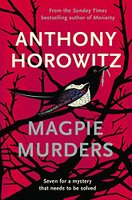
magpie murdersMagpie Murders is my next adult novel, being published by Orion in October. It’s both a whodunnit and an exploration into whodunnits – in particular, the relationship between the detective, the author and the reader. It’s partly inspired by Conan Doyle’s very mixed feelings about Sherlock Holmes! The book is in two parts. The first is set in the very Agatha Christie landscape of an English village in the 1950s where a detective called Atticus Pünd, a survivor of the concentration camps, investigates the murder of a local landowner. ..Sir Magnus Pye. The second part takes place in London in the present day and concerns an editor, Susan Ryeland, who is forced to investigate the death of one of her authors when the final pages of his latest manuscript go missing.  The fun of the book comes when those two worlds collide…and there are not just one but two very twisty mysteries to be solved. I’m very pleased that nobody has managed to guess the ending yet! I think it’s the most cunning book I’ve yet written.

Your Alex Rider series of spy novels for young readers have been big bestsellers, but the series was deemed to have ended with Scorpia Rising (with Russian Roulette being a spin-off). So I was excited and intrigued to hear that you are in the middle of writing a new Alex Rider adventure. What decided you to take up Alex’s story again? And how does it feel, being back in his world?

Last year my publisher asked me to pull together all the Alex Rider short stories for a collection. scorpia risingThey’d been published in newspapers and magazines and elsewhere. So I started work – but then two things happened. I realised that some of the early stories weren’t good enough. And there also weren’t enough of them. So – just for fun, really – I wrote a new story, Alex in Afghanistan…and suddenly I discovered that I loved writing about Alex and that I had missed him. I really was quite surprised. For what it’s worth, I think Alex in Afghanistan is the best story I’ve written. It’s only 15,000 words but it’s full of action and surprises. I wrote two more new stories and in doing do, I unlocked something and realised that, contrary to what I’d always said, there was an eleventh novel inside me. Well, I’m 40,000 words in and I think it’s going very well. It starts in San Francisco (where Scorpia Rising ended) and then moves to Egypt, the South of France and the UK. My publishers won’t allow me to say any more!

As well as being a wonderful fiction writer in all those genres, you are a great traveller and sometimes write about those travels in newspaper pieces. What kinds of things do you concentrate on when trying to distill the essence of a travel experience in the few words of a newspaper column?

Again, thank you for these kind words. I write travel pieces for an English newspaper largely for fun (the money goes to charity) and also to keep myself on my toes. I’m no expert and I try to avoid being negative. It’s really just a record of my feelings, hopefully written in an entertaining way. When I read a great book, my first instinct is to shout about it, to get people to share it. I suppose the same goes for the places that I’m fortunate enough to visit.

Anthony’s website.

Facebook author page.

Twitter page.


Edible art: Anne Spudvilas’ pavlova volcano

anne spudvilasSomething a bit different today!

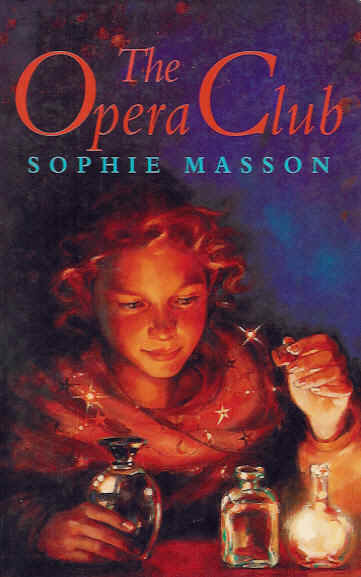
Anne Spudvilas is an absolutely wonderful illustrator based in regional NSW whose rich, gorgeous work has adorned the books of many Australian authors, including myself. I’m very happy to say by the way that the original painting of the glorious cover she did for my 1993 novel, The Opera Club, adorns one of our walls at home–a very kind gift from Anne herself.operaclub (1)

And today, with her permission, I’m presenting on this blog as well as my A la mode frangourou food blog, another gift, another rich and gorgeous work, this time of an edible kind! It’s the pavlova volcano, and it’s absolutely spectacular!

From Anne:

This recipe brings back memories of two wonderful New Year’s Eve celebrations on the Murray River when i first came here.   Julie Chambers, director of the Art Vault where i did two wonderful printmaking residencies,  makes this as the ‘piece de resistance’ at her long long New Year’s Eve dinner table.

 My version of Julie’s specialty.  

Make three pavlovas. Home made are best and if they don’t look too flash it doesn’t matter.  Break them into large pieces and begin to construct your volcano using vanilla icecream and whipped cream to hold it all together. Add 4 punnets of assorted richly coloured berries.  Pour over two more punnets of assorted berries, pureed with 1/2 cup orange juice and 1 tbspn of liqueur added (i love Cointreau).   

 Ah yes, a million calories but SO delicious 🙂
Annes pavolova volcano

Small Beginnings 17: Meredith Costain

I was lucky enough to grow up in a house full of books. Stories were shared regularly around the kitchen table, and we were all encouraged to read verse out loud, particularly the works of A A Milne (‘James James Morrison Morrison Weatherby George Dupree’), Alfred Noyes (‘The highwayman came riding, riding . . . up to the old inn-door’)  and Hilaire Belloc (‘Matilda, Who Told Lies and was Burned to Death’).

So my head was always full of stories and words, rhythm and rhyme. Poems jumped into my brain when I was riding my bike to school along the banks of the Bunyip River (which is a story in itself!). I’d repeat them over and over until I knew them off by heart, then, when I got home, I’d grab an old exercise book and race up to the hay stack so I could scribble them down in private.


The girl, the bike and the haystack..

The girl, the bike and the haystack..

My early attempts at poetry were very much doggerel (and catterel!) and usually about animals.

Penelope was a pig

One day she ate a fig

She wasn’t fond of it

So she threw it in a pit

Naughty Penelope!

Then, when I was about eight, I sent in a longer poem called My Little Creek to the Junior Age section of The Age newspaper. Not only did they print it, they paid me 17 shillings and sixpence for it – a fortune back in the days when it took you and your brother six months of saving up your sixpence a week ‘job’ money to buy a Monopoly set.

It was my first paid publication – and I was determined it wouldn’t be my last. I sat in my bedroom munching on toasted cheese sandwiches, solemnly resolving there and then that I would become ‘A Writer’ when I grew up. I even had a ‘writerly’ pen name picked out – Gemma Craven – and a publisher – Penguin – whose Puffin books were among my favourites at the time. Especially Noel Streatfeild’s Ballet Shoes and Ivan Southall’s Ash Road and Hills End.

I kept writing poetry all through school, but most of it gushed out in Year 11 and 12 – pages and pages of teenage angst poetry when I should have been studying instead. And I wrote a long spoof of the Canterbury Tales based on the teachers at my school for our school magazine.


Still writing in exercise books after all those years..

Still writing in exercise books after all those years..


I enjoyed other kinds of writing as well. My cousins (who lived across the paddock) and I started our own newspaper called The Thrilling Three when were about nine or ten. It was full of interviews with the farm animals (how many eggs had been laid that day) and other important goings on. I wrote play scripts for my friends to perform at lunchtimes at school (complete with sound effects). And I started a romantic novel when I was eleven, called Those Who Wait, which sadly never developed past the first chapter.

It was all great practice for when I did finally grow up (highly questionable!) and became A Writer for real. And then strange things began to happen. I was asked to use a pen name for my first published book, Hot Licks, which was part of the Dolly Fiction series. There was already a well-known English actor called Gemma Craven by then, so I changed the Craven part to Carey instead.

The doggerel and catterel fed into my book of poems for the very young, Doodledum Dancing, published by . . . Penguin!

ddd latest020

And one night at a literary dinner, I met my childhood idol, Ivan Southall, who agreed to let me visit his home to interview him for a children’s magazine I was editing. And he made me a toasted cheese sandwich!!! 


Meredith Costain is a versatile writer whose work ranges from picture books through to novels, poetry and narrative non-fiction. Her books include CBCA Honour Book Doodledum Dancing, Mummies are Lovely, novelisations of Dance Academy, and the quirky illustrated series, The Ella Diaries. She enjoys presenting writing workshops in libraries and schools. Visit her (and meet her many pets!) at www.meredithcostain.com


0 Opening slide

Small Beginnings 16: Gillian Rubinstein(Lian Hearn)

Jocelyn & Gillian

With my sister

My father loved poetry and had a store of favourite lines. He also knew a lot of Shakespeare by heart, and all the words to Gilbert and Sullivan songs. Books on the shelves that influenced me – because I read them over and over again – included the blue bound Oxford Books: Light Verse, Ballads and English Verse. Many I didn’t understand, some I found boring, others remained mostly unfathomable, being in dialect. But I loved their mystery and their fierce emotions. My favourite poems were Sir Patrick Spens, the Golden Vanity and the Lyke-Wake Dirge.

Making up rhymes came naturally to me. Some are still famous in my family – an early masterpiece for example about Jim my friend (a dog). I made up stories but mostly it was too much trouble to write them down, so my friends and I played them out sometimes over weeks.

Fragments of poems I wrote still remain in my memory. This is from an epic on the coming of the Romans to Britain (I was 12)

Just after dawn we came in sight of land

Dim in the morning mist on either hand

Lay strange white cliffs rising up from a stony shore

The rest has disappeared, except for the final line:


And we followed him and that great eagle on the standard that he bore

Just before my 15th birthday I went for my first time to Nigeria. I would spend six weeks here every year for the next seven years. It was only two months since my father’s sudden death. I wrote a poem about vultures which appeared in the school magazine.

But the glory of it when they fly

Carving circles in a lapis lazuli sky

In utter timelessness they wheel and climb

Their element is eternity not time.

Drifting on air, effortless and slow

The vultures fly and men below

Go on living and loving and dying

Blind to the beauty of the vultures flying.

Family

Family

When I was 15 I won a prize (3rd) at school in a short story competition. My story was about a man who becomes a priest so he can kill his lover’s husband and not be punished beyond being excommunicated. But he finds his true love is God, so his punishment in the end becomes worse than death. The judge’s comment was ‘write about what you know’. But I’ve never really followed that advice.


Gillian Rubinstein was born in England and has lived in Australia since 1973. Her first book, Space Demons, was published in 1986 and she produced many works for children of all ages until 2002, when the first book of the Tales of the Otori appeared under the name Lian Hearn. As well as the five books in this series, she has also written two historical novels set in 19th century Japan. Her latest book is The Tale of Shikanoko which is coming out in two parts in 2016: Emperor of the Eight Islands  and Lord of the Darkwood.

Small Beginnings, 15: Belinda Murrell

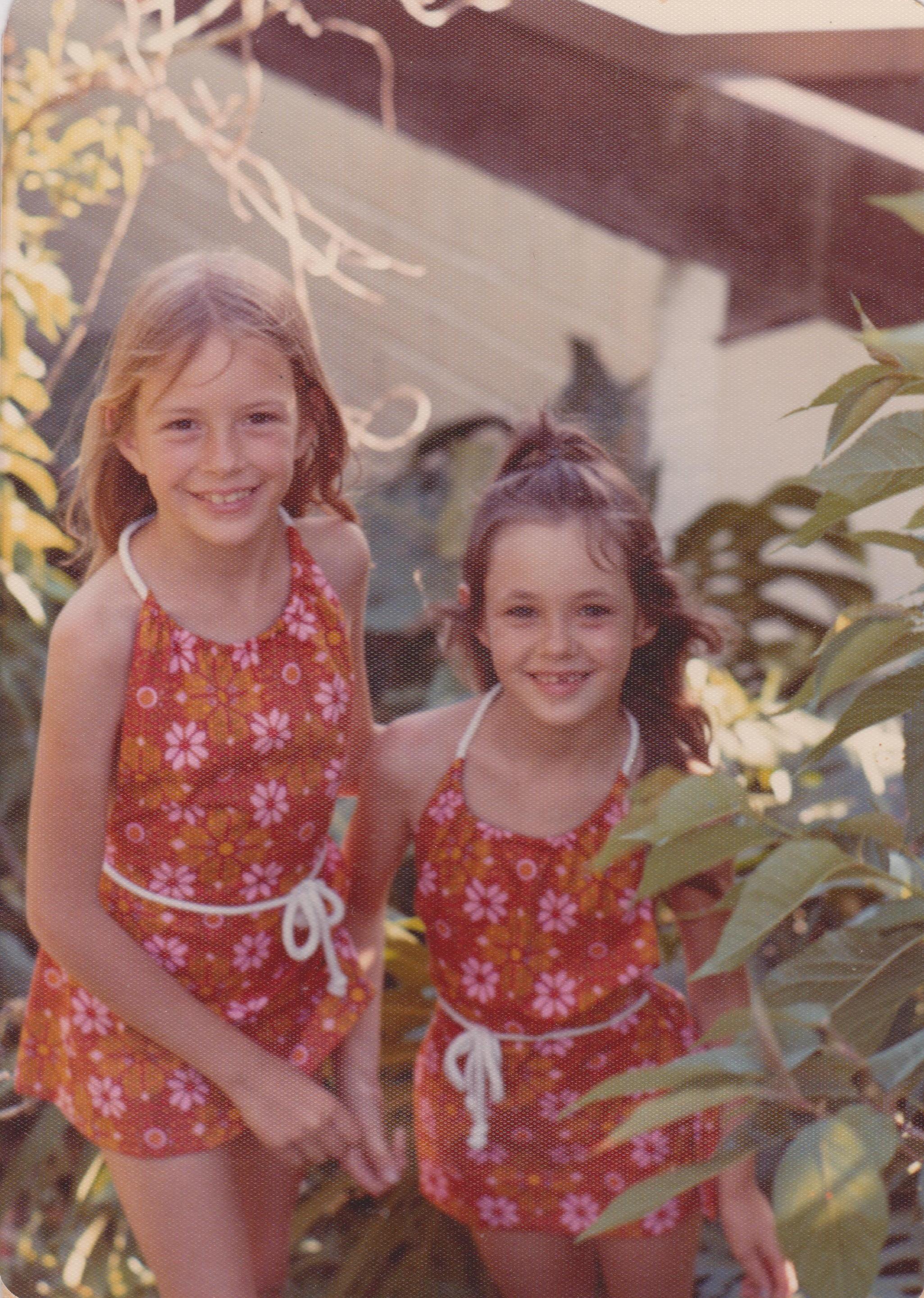
Me(left) and my sister Kate(right)

Me and my sister Kate

I grew up in a household full of books. I am the eldest of three children and we were the sort of kids who would dress up as our favourite characters and have sword fights up and down the stairs, or creep through the undergrowth pretending to have adventures. We were often in trouble for falling asleep over our schoolbooks after staying up half the night reading, or getting caught with a book hidden on our laps during maths class.

As a child I read voraciously, borrowing piles of books from both school and the local library every week. We were so lucky because, while we didn’t always have lots of money, my parents always bought us books as presents and rewards. I read stories about ponies, adventure, mystery, fantasy, history, animals, romance, spies, fairy tales and the classics – in fact pretty much anything I could get my hands on.

My very favourite authors were Enid Blyton, particularly the Famous Five and Magic Faraway Tree series, and CS Lewis, and his magical Narnia books. My absolute favourite was probably The Lion, The Witch and The Wardrobe. It was these beloved books which inspired me to start writing when I was about eight.Treasury of poems

I wrote poems and plays, stories and novels that I wrote in exercise books which I’d illustrate by hand. My early ‘books’ had colourful covers, title pages, and were apparently ‘published’ in Paris, London and New York, as well as the North Shore of Sydney!! I also co-authored a number of stories over the years with my younger sister Kate, although she swears I always made her cry by completely re-writing her work with my red pen.

All through school I kept writing stories and poems, and was often thrilled to have them published in the school newsletter. My parents always encouraged my writing, and my mother would often ask us to write a story or a poem as a present for my grandparents or family friends.

I often say that I had the best childhood in the world – a childhood filled with love, adventures, joy and books. So perhaps that is why all three of us grew up to become published authors. My sister Kate Forsyth, is the internationally published, best-selling author of more than 35 books, while my brother, Nick Humphrey, is a lawyer, who has also written ten best-selling business books. One of our greatest joys is still to get together and talk about the books we are writing.

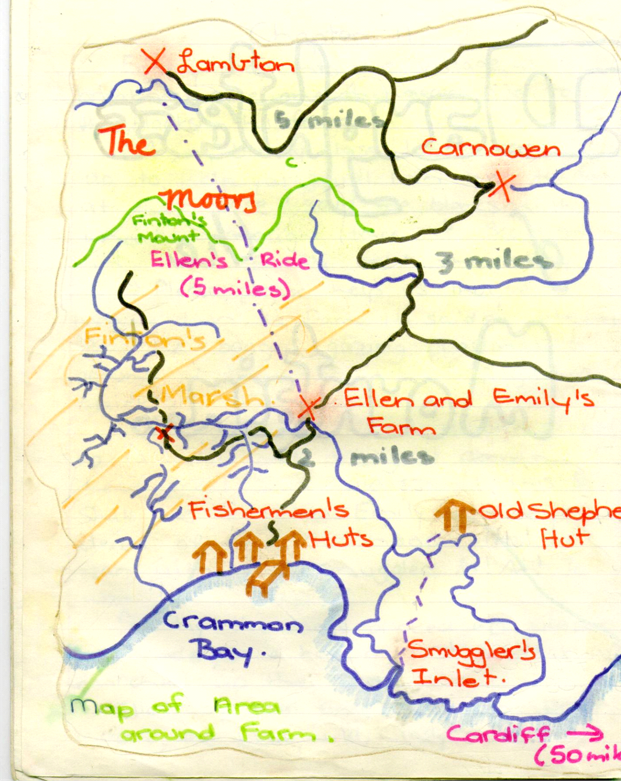
I believe that the books that I loved as a child inspire my writing now. Books that make you laugh out loud, or cry with grief and keep you up all night reading. Books full of adventure and mystery, with characters who are like best friends. Most of all, I hope my books create that magical sense of slipping into another fascinating world, just like Lucie Pevensie when she stepped through the door in the back pnovel 14 mapof the wardrobe and discovered Narnia.

Poem written when I was about 10

My Retreat

Once I found a secret place

Of light and shade and filtered sun

I always seek that secret place

When there is thinking to be done

The fronds of willow brush my face

The soft green grass beneath my feet

And here and there a dairy face

Or buttercup or violet sweet

I’ll always love my secret place

The babbling brook, my tree trunk seat

And if my troubles I can’t face

I’ll hasten back to my retreat

  • Belinda Humphrey


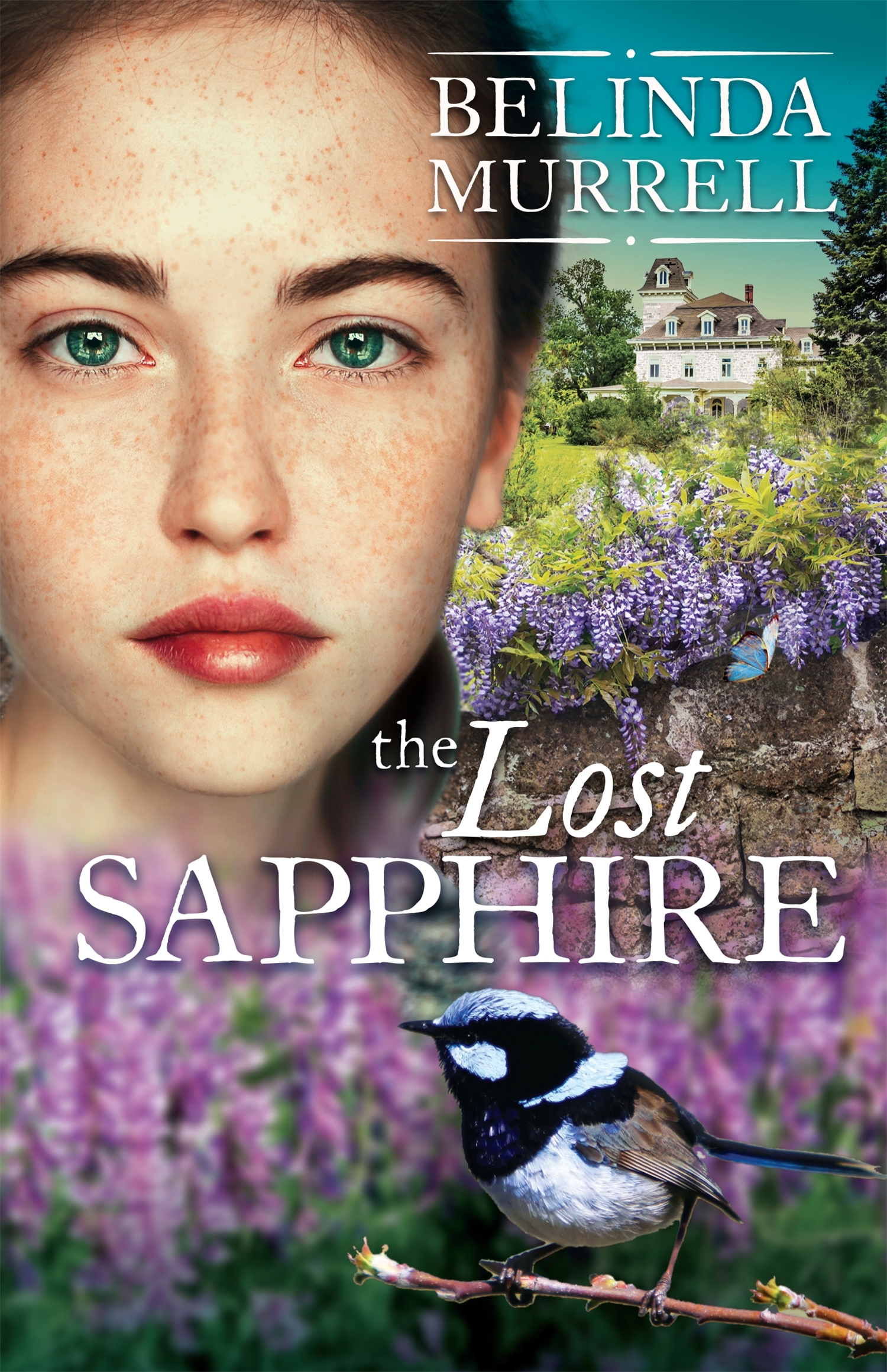
Belinda has just finished writing her 27th book, called The Lost Sapphire.

What is the fascinating secret of a long-lost sapphire ring?

Marli is staying with her dad in Melbourne, and missing her friends. Then she discovers a mystery – a crumbling, abandoned mansion is to be returned to her family after ninety years. Marli sneaks into the locked garden to explore, and meets Luca, a boy who has his own connection to Riversleigh.lost sapphire

A peacock hatbox, a box camera and a key on a velvet ribbon provide clues to what happened long ago . . .

In 1922, Violet is fifteen. Her life is one of privilege, with boating parties, picnics and extravagant balls. An army of servants looks after the family – including new chauffeur Nikolai Petrovich, a young Russian émigré.

Over one summer, Violet must decide what is important to her. Who will her sister choose to marry? What will Violet learn about Melbourne’s slums as she defies her father’s orders to help a friend? And what breathtaking secret is Nikolai hiding?

Violet is determined to control her future. But what will be the price of her rebellion?

Belinda Murrell – Children’s Author

At about the age of eight, Belinda Murrell began writing stirring tales of adventure, mystery and magic in hand illustrated exercise books. Now Belinda is a bestselling, internationally published children’s and YA author with a legion of loyal fans and a history of writing in her family that spans over 200 years. After studying Literature at Macquarie University, Belinda worked as a travel journalist, editor and technical writer. A few years ago, she began writing stories for her own three children – Nick, Emily and Lachlan. Her 27 books include The Sun Sword fantasy trilogy as well as the popular Lulu Bell series for younger readers. She is also known for her collection of historical timeslip tales including The River Charm, The Locket of Dreams, The Forgotten Pearl, and The Ivory Rose, which have been recognised by various awards, including Honour Book KOALAS 2013, shortlisted KOALAS 2015, 2014, 2011, and 2012, CBCA Notable List and highly commended in the PM’s Literary Awards. Her latest book The Lost Sapphire is set in Melbourne in the 1920s. Her website is www.belindamurrell.com.au

BM On rocks

Small Beginnings, 14: Sheryl Gwyther

Small Beginnings–in the wilds of far north Queensland, by Sheryl Gwyther

With sisters and cousin--I'm the cheeky one!

With sisters and cousin–I’m the cheeky one!

Is creativity part of our genetic makeup? Perhaps. But I know for sure – living an unrestricted, happy-go-lucky childhood in far north Queensland in the early 60s was the genesis of my creative life.

I’ve always made things, even when I was small – from doll-houses out of cardboard boxes and miniature furniture out of matchboxes, drawing and painting pictures, to building cubbyhouses in trees that doubled as Tarzan’s home, pirate ships, smugglers’ caves, dragon lairs or a princess’s castle.

My younger sisters (Meryl and Robyn), and I didn’t own many kids’ books. Our Aladdin’s Cave was the Innisfail public library in far north Queensland. It’s where I discovered the joys of Narnia and Enid Blyton el al, and where my journey to being a writer began.

Those stories fed our adventures. Being the eldest of a mob of sisters, cousins and neighbourhood children meant I instigated and led many escapades. We roamed the streets and the scrub surrounding our town on the weekends, dodging ticks, taipans and cane toads, the smell of burning sugarcane in the air – only coming home to eat and sleep.

We were Tarzan swinging from ropes strung in the neighbourhood’s huge tropical fig tree; the Swiss Family Robinson on their deserted island; pirates and smugglers, cowboys and Indians. I told ghost stories to scare the hell out of the littlies; and wrote stories about princesses and witches which we acted out, with me bossing everyone around, of course.Night_page1_writing

Once I pretended to be a journalist – that idea likely came from observing Lois Lane in an early Superman movie we’d seen at the Saturday matinees. I interviewed the milkman and the rubbish-man, with my trusty spiral-bound notebook (bought especially for the occasion) and a pencil behind my ear.

Then one day, at 11-years-old, I discovered a small book my mother had kept from her college days. It was a play about Lady Jane Grey who in 1554 was beheaded after being Queen for a few days – the first time I’d seen the format of how a script was written. What an epiphany! All you had to do was follow the directions.

I guess I must’ve been an over-zealous director. Or the antiquated dialogue was too much. The neighbourhood kids disappeared, then the cousins – until just before we were to put on the play under our stilt house with its hard dirt floor, the only actors left were my two sisters and I. Luckily, the lure of dressing up in costumes was enough Night_page2_writingto enthral and keep them.

The show went on. We gave up trying to follow the play’s real script, making up the words as we went, with great hilarity, giving Lady Jane Grey (me, of course) a truly dramatic send-off.

Memories that spark images in my brain, that feed my stories, even today.

My home territory--crocodile country

My home territory–crocodile country

Small Beginnings 13: Emma Viskic

Aged about 12

Aged about 12

I grew up in a half-built suburb on the outskirts of Melbourne. Stories lurked everywhere: in the swamp at the bottom of the hill, the building sites surrounding my home, and the endless, awkward hours at school. Once I learned to read, I began writing the stories down. As an eleven-year-old heathen, I talked my way out of the weekly RE class in order to write in the library. Those hours bashing away on the librarian’s clunky Olivetti typewriter were my happiest at school.

Photo on 21-05-2016 at 7.55 pm

From the ms in question!

I wrote everything: fantasy and science fiction, thrillers and spy stories, including a John le Carré rip off, complete with atrocious English accents: “Beany, the drug operation’s gone rotten, the tip off was a bad egg, a no goer.” But a common thread ran through it all, and is still central to my work today—the observing outsider. In going through my writing for this blog, I unearthed a story from primary school about a blind man; one from my early teens with mute protagonist; and, from my late teens, one featuring a girl who becomes invisible: I spent the day watching, observing others’ blindness of me. I was unnoticed, unseen. I was invisible. I said not one word the entire day. No-one noticed.”


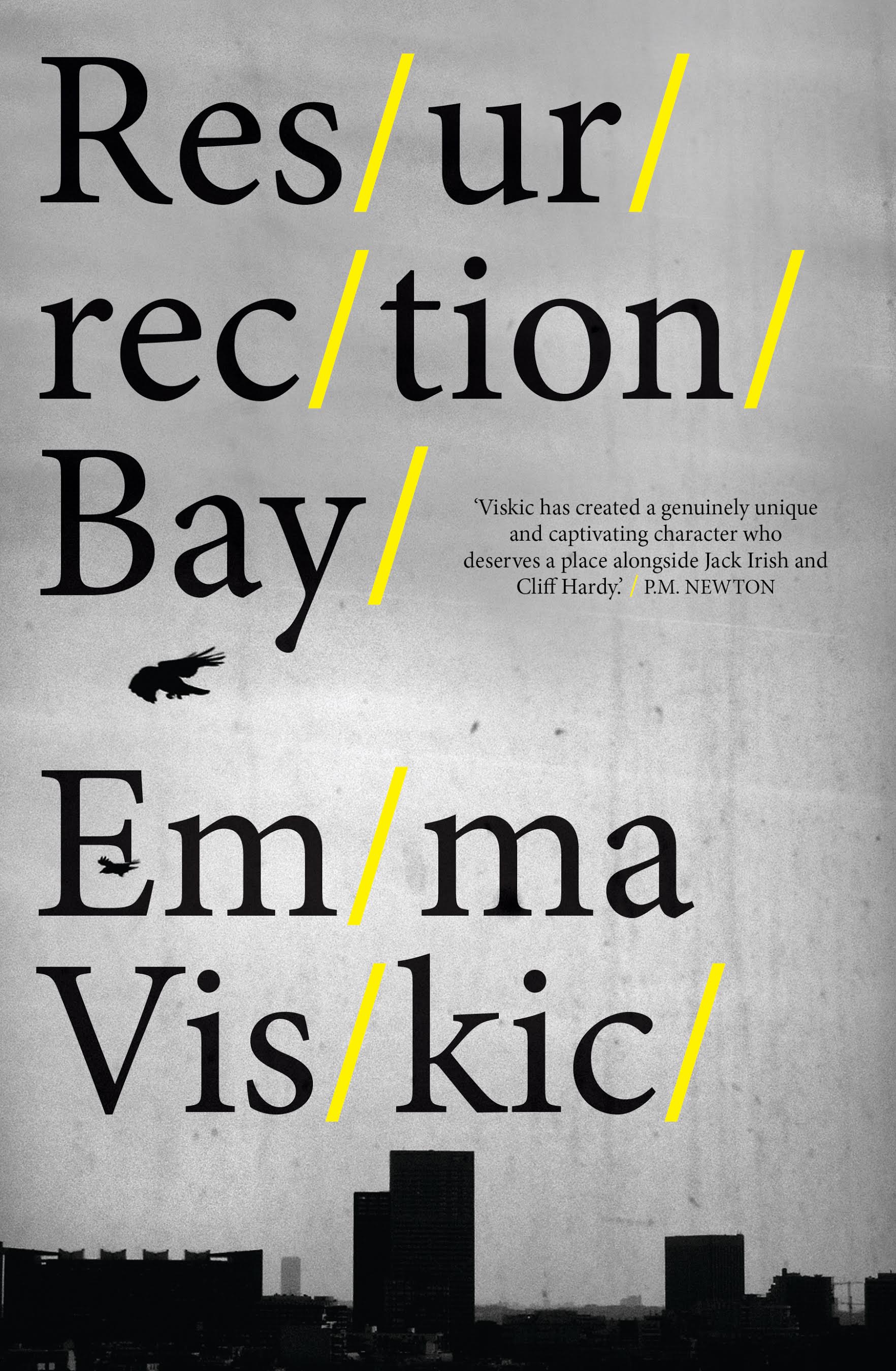
Last year my debut novel, Resurrection Bay, was published. It features a profoundly deaf detective, Caleb Zelic, who, to quote the blurb, “has always lived on the outside – watching, picking up telltale signs people hide in a smile, a cough, a kiss.”

Put together like that, it all looks a bit troubling, but luckily I’m a writer, so I get to call it a unifying theme.Res Bay cover

Emma Viskic is the author of the critically acclaimed crime novel, Resurrection Bay. She has won the Ned Kelly S.D. Harvey Award, and the New England Thunderbolt Prize for her short form fiction, and been published in Review of Australian Fiction and Award Winning Australian Writing. Also a classical clarinettist, Emma divides her time between writing, performing and teaching.
emma-viskic-author-2