Paris literary studio 4: John Foulcher

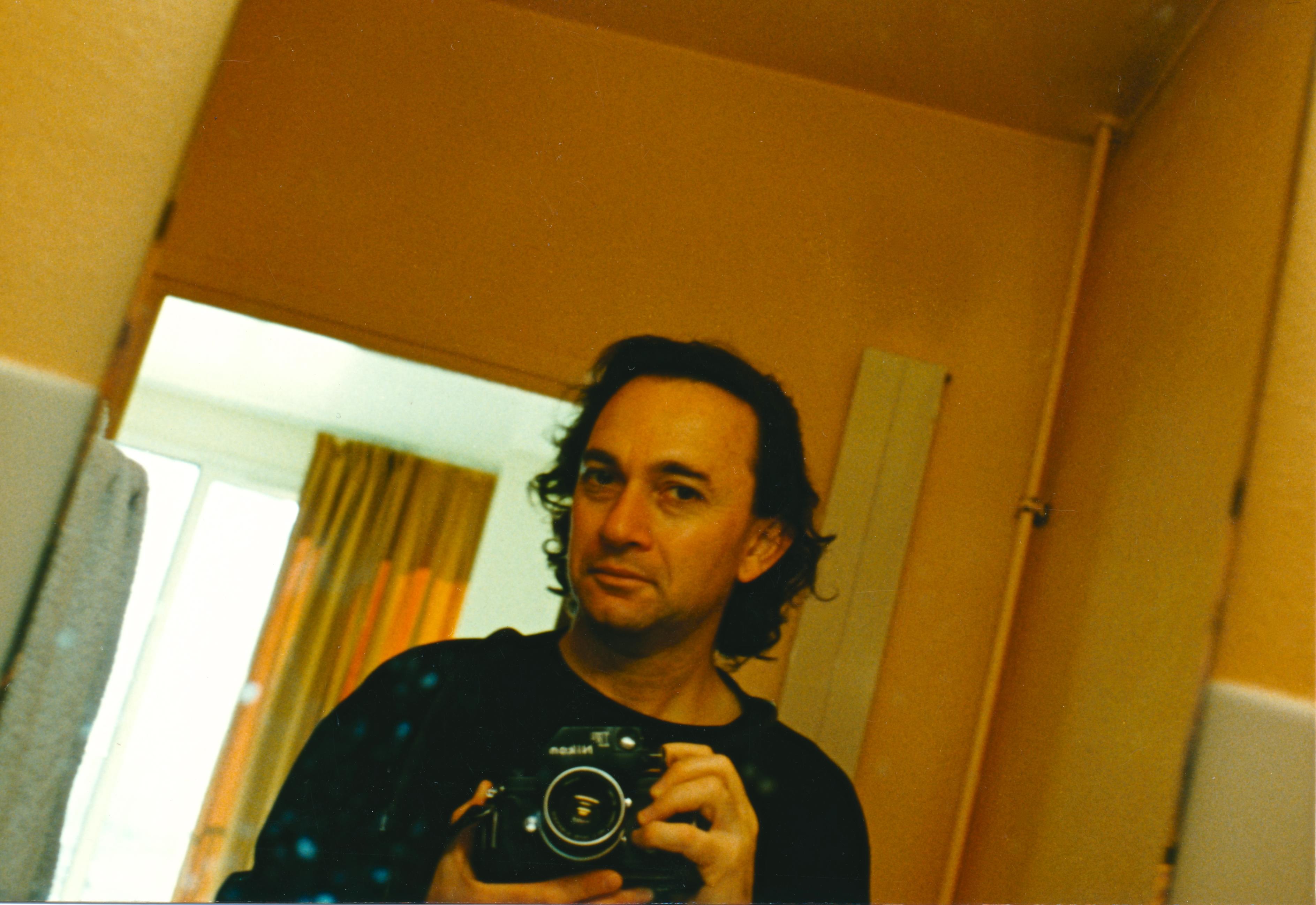
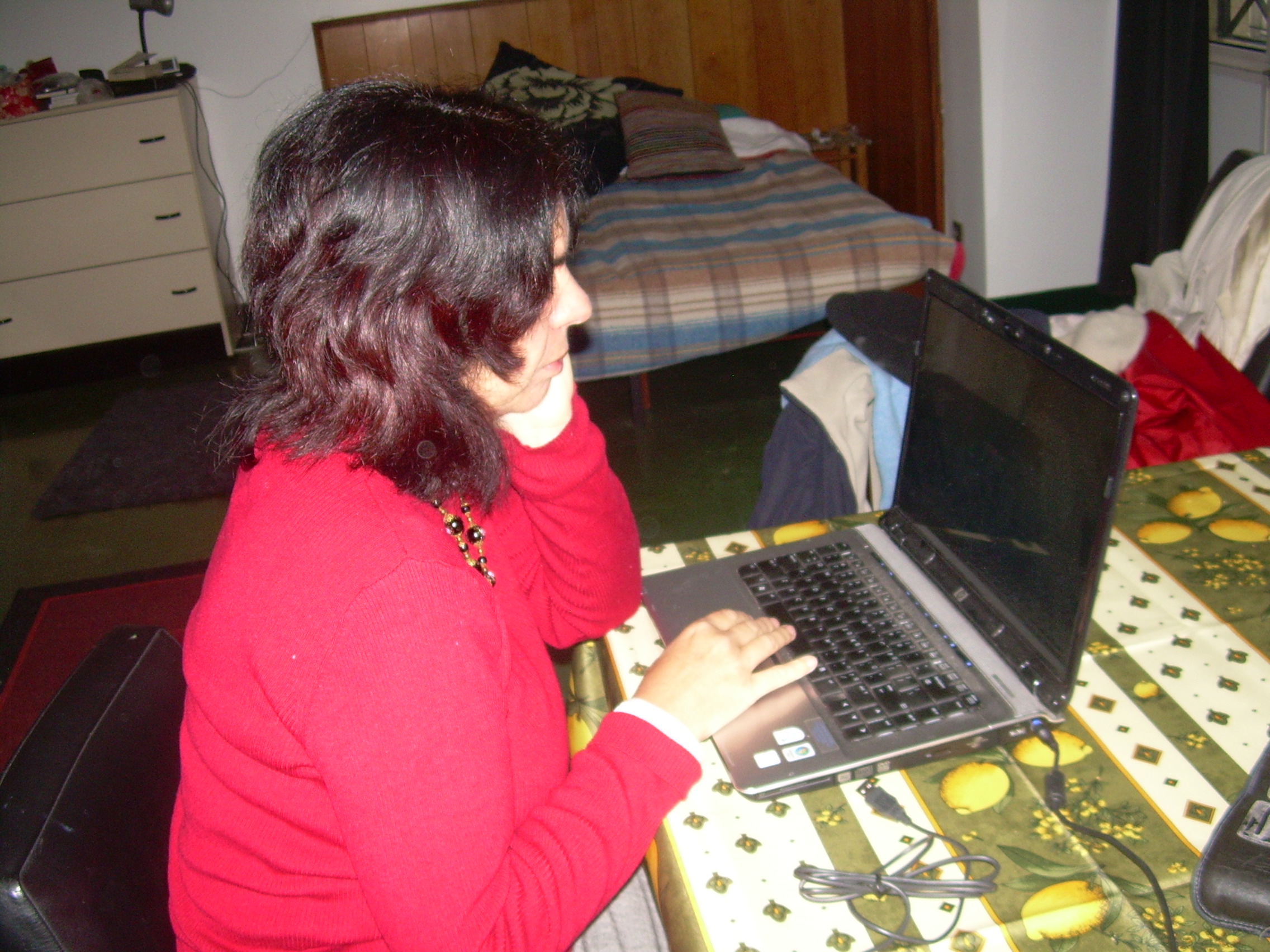
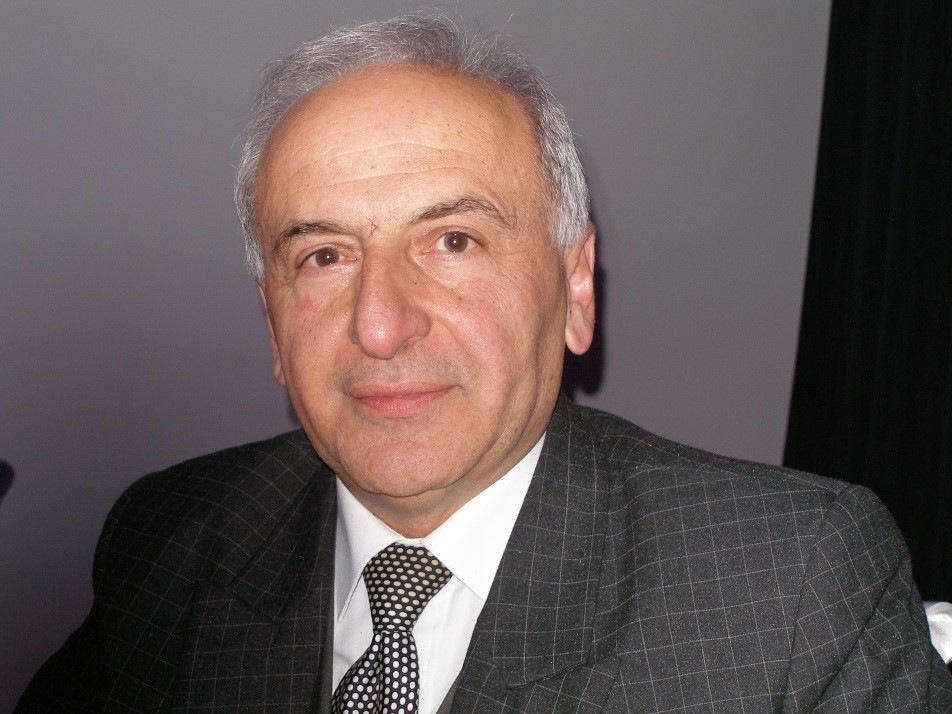
John at work in the studio

John at work in the studio

Today I am featuring an interview with distinguished poet John Foulcher, who was the Keesing Studio resident right after me.

When were you the Keesing studio resident? And why did you decide to apply for the residency?

I was resident in the Keesing studio in the latter part of 2010 and the January of 2011. I applied for the studio because I felt my writing was stagnating a little and I felt I needed some time and stimulus to give it a kick start. I couldn’t imagine a better place for this than Paris, which is my favourite city. I also didn’t think I had a hope of getting it; I was over the moon when I did.

What did you work on while you were there, and did it change from your original conception as a result of the residency?

This sounds terribly pretentious, but I wanted to write poems about the relationship between the physical and the spiritual while I was in Paris – a sort of dialogue between body and soul. Also, I’d been reading a lot about French history, particularly the revolutionary past of Paris. So many of our roots are there, and I wanted to see this up close. I remember standing in the Pere Lachaise cemetery at the wall when the last communards were lined up and shot in 1870. The bullet holes are still there. I remember finding Robespierre’s last residence on the rue St Honore, a very chic clothing shop now. There were many other such times.

The concept didn’t change much but the way I explored it did. I realised when I got to Paris that I really didn’t know much. The final book of poetry, called The Sunset Assumption was very different to the one I thought I’d write.

What were your first impressions of the Keesing studio and its neighbourhood, and how did that evolve over the course of your residency?

I loved the studio and the neighbourhood from the moment I arrived. Yes, the studio is only small and very basic, but it’s in such a good spot and the rue Geoffroy L’Asnier is wonderful. As soon as we arrived, I went for a walk by myself – within five minutes I found myself on the Ile de la Cite standing in front of Notre Dame de Paris. In the coming months, that became our nightly walk – I had to keep reminding myself to be astonished! I loved the Ile St Louis, and the Marais is terrific. And there are three Metro stops which will take you just about anywhere in Paris.

Walking to the local boulangerie, summer

Walking to the local boulangerie, summer

Through the course of the residency, I explored the area deeper and deeper. I found the best days weren’t the ones where you were going to the Louvre and so on, but the ones where you were just ‘hanging around’ buying groceries, having a coffee in a street café or wandering down to the Seine with a book.

A close friend once said to me that, of all the cities he’d visited, Paris is the one which makes you feel most alive. I found that to be true.

Your wife Jane came with you on the residency. Thinking of it in terms of both of you, what were your favourite things about living in Paris for six months–and your least favourite things?

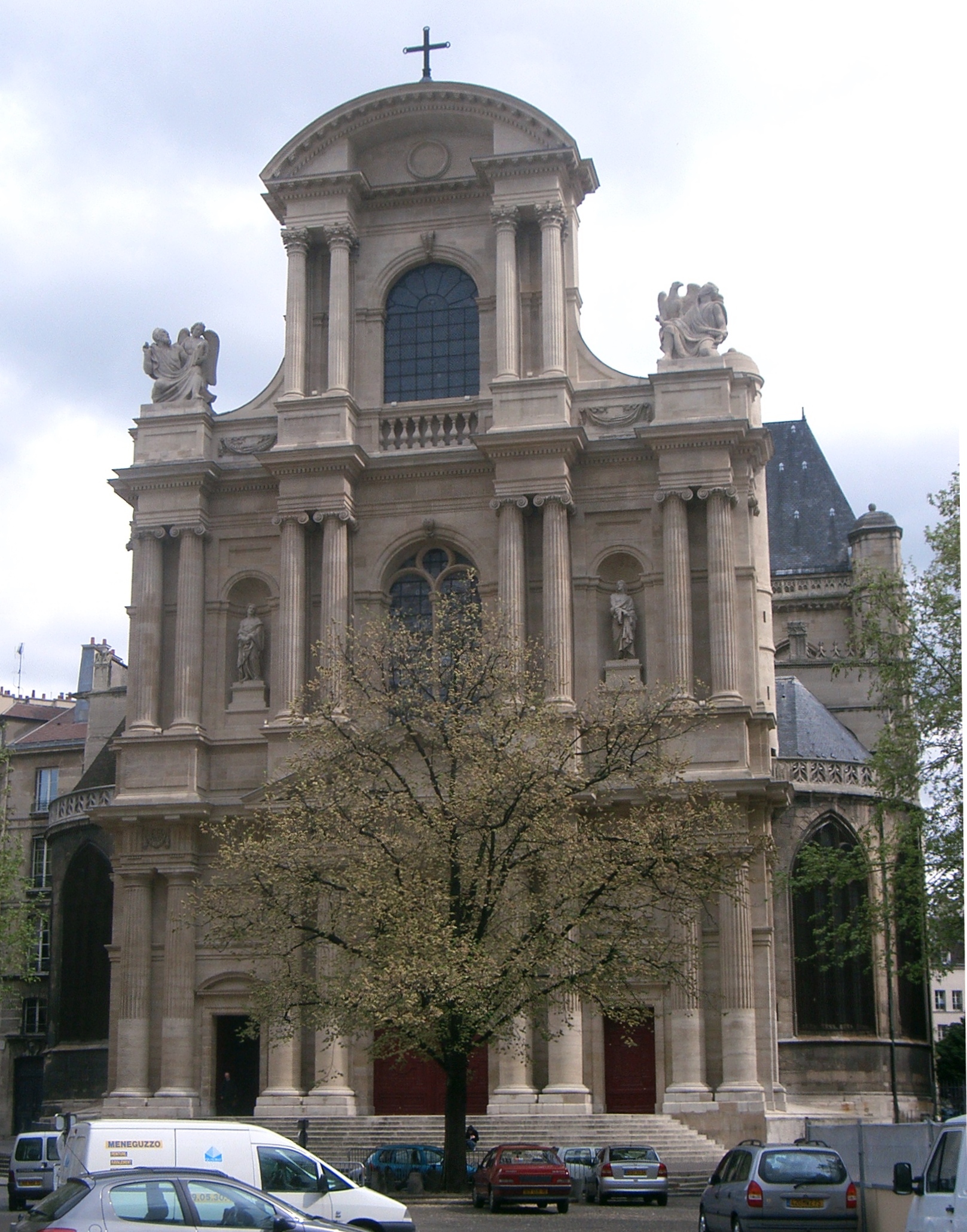
Strange as it may sound, I loved the churches of Paris most. Not just Notre Dame, but others as well – St Severin in the 5th, for example, or St Eustache in the 3rd. No matter what one believes, Paris wouldn’t be the same without its churches. They take you back into history and beyond into another space. I hate it when people call barbaric practices ‘medieval’; ‘Go and spend some time in Notre Dame,’ I feel like saying, ‘or Chartres Cathedral – then tell me things were barbaric in medieval times.’ We’re too fond of caricaturing the past, of pretending our age is superior.

StGervais_Fassade

St Gervais-St Protais

As the residency went on, we found ourselves going to vespers at St Gervais-St Protais, just around the corner from the Cite, every night. There was a working community of nuns and monks there called the Fraternities of Jerusalem, most of them quite young, and their chanting and the almost physical silences there were among the most deeply moving experiences of my life. The last time I went there on a cold January evening, I left in tears. It’s left a gap in my life I haven’t been able to fill. I often say, since then, that I believe all church services should be conducted in a language the congregation doesn’t understand; words, in the end, just get in the way.

Evening strolls by the Seine were also sublime, as is the Place des Vosges.

My least favourite things were my own inadequacies – I have a very good French accent and I would practise interactions with shop-keepers and so on, but they talked so fast in return I found myself completely lost. I felt like such a fool. Even ordering a coffee was a traumatic experience. By the time the residency was coming to an end, though, Jane and I remarked that Parisians were starting to speak a lot slower. How considerate of them!

The number of homeless people and refugees in the centre of Paris was also deeply unsettling. In his novel, The City & the City, British author China Mieville explores the notion of interlocking cities and the idea of perception. In that novel, the premise is that two cities are built on precisely the same spot but one chooses to ‘unsee’ the other. There are many cities in Paris, and we choose daily to see only one of them, the ‘prettiest’ one.

What did you think of it as a writing/ideas environment?

My publisher said to me on my return that if one can’t be inspired to write in Paris, one can’t be inspired anywhere. Every day poems would come tumbling in the window in Paris. It rejuvenated my writing at a time when I thought I was about to stop. It’s all sensory and intellectual overload.

Tell us about some of your favourite places in Paris–sites, culture, food.

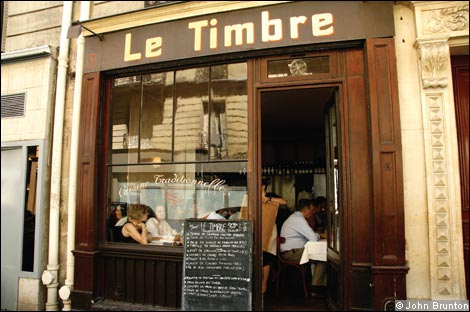
Too many to mention. As I said before, I loved the churches, the Place des Vosges. There were other places – the Rodin Museum, the George Pompidou centre, the Albert Khan gardens in the 16th, the Luxembourg Gardens, which William Faulkner described as the most civilised natural space in the world. I loved a wonderful little restaurant we found in the 7th called Le Timbre. The markets were terrific as well, and the boulangeries.

walking to the local boulangerie, winter

walking to the local boulangerie, winter

What experiences stand out for you in those six months in Paris?

I think I’ve just about covered that. The only thing I’d say, finally, is that I thought my stay in Paris would be quite a solitary one, like a retreat. It wasn’t. I met so many people, particularly through the Cite – I met people at French lessons and in the laundromat. Not many of them were French, mind you, but I met artists and writers from all over the world. I made good friends with a Swiss artist, Judit Villiger, who did the illustrations for the hardcover edition of The Sunset Assumption.

The most significant single event for me was 2010 New Year’s Eve – we went for drinks on the Ile de la Cite with Judit and her husband Cristophe, then we all went to midnight mass at St Gervais (it went for two hours; it was fabulous – but it was also freezing!) and then we drank champagne in our studio with them until 3.30 in the morning. One December morning, also, I woke to find it snowing heavily – I rushed up to the Place des Vosges, which was deserted. In the snow, it was breathtaking.

I also found Parisians, by and large, to be helpful and friendly, if a little brusque and formal. It’s a cliché, I know, but if you try to communicate to them in French rather than expecting them to decipher your English, they were always so much warmer. I would be too.le timbre

Do you think the residency has had a lasting impact on your work? In what way?

Yes, I think it’s had a huge impact on my work. I think I’m now writing better than I ever have. As well as simply the visceral, vivid nature of the experience, I think that operating in a culture where you struggle with language is good your writing poetry – it forces you to think about the nature of language in quite a minute way. Words become particular things –  wonderful, intricate things.

I’m so grateful for the residency. It was one of the most richly fulfilling experiences of my life.

I remember walking by the Seine one morning, absorbed in it all. I remember thinking: ‘Someone is paying me to be a writer in Paris. Could it get any better than this?’

Paris literary studio 3: Tony Maniaty

Tony Maniaty in Keesing Studio Photo © Tony Maniaty 2015

Tony Maniaty in Keesing Studio Photo © Tony Maniaty 2015

Today I’m interviewing award-winning author, journalist, reviewer and screenwriter Tony Maniaty, who was resident at the Keesing Studio only four years after its lease was gifted to the Australia Council’s Literature Board by Nancy Keesing. (All photos © Tony Maniaty 2015)

When were you the Keesing Studio resident? And why did you decide to apply for it?

I was the Keesing Studio occupant for the first six months of 1989. I wanted to spend some time in Paris writing a novel, a long-held dream, so I figured six months would cure me. As it happened, I ended up staying in Paris for three years. I actually didn’t get the residency first time around, I applied but missed out – and then the person who was to go pulled out, and the Australia Council rang me and said, ‘Can you go?’ I was pretty much on the next plane, although the flight itself turned into a nightmare. As we approached Europe, the captain informed us that violent snowstorms were blanketing all major airports. We would have to divert to either Brussels or London; in line with French democracy, the passengers all took a vote, and Brussels won. We then took a bus through blizzard conditions down to Paris, where I discovered my luggage was lost. So I spent the first two days in Paris running around buying fresh underwear. But I was in Paris and that was all that mattered.

What did you work on when you were there, and did it change from your original vision as a result of the residency?

I had two projects. I was editing my second novel ‘Smyrna’, so had the very enjoyable task of sitting with my Penguin editor Bruce Sims in the studio fixing the book line by line. Since it was Paris, we also consumed a fair amount of wine. (I maintain the novel was the better for it, and I’m sure Bruce agrees.) Then I moved onto what was to be my third novel, titled ‘The Conduct of Arrows’, set in Brazil in the early 1960s. I’d been to Brazil for research in 1986 and brought copious notes and files to Paris, ready to crack ‘the big one’, the one that would really launch my career. I started writing about the tropics of Brazil in the depths of a miserable European winter, and by spring I had a first draft. Penguin wanted to publish but I wasn’t happy with it. My six months was up, and, out of cash, I returned to Sydney to work as a producer on the SBS World News desk, which quickly saw me turned around and sent back to Paris as ‘Dateline’s’ European correspondent, a gig that lasted until 1992. Paris again had me in its wonderful grip. Little did I know that the Brazilian novel would sit in a drawer for another twenty years or more before I tackled it again, with a new title, ‘The Fish Will Swim in Thy Dark Streets’. I’m just polishing what I hope will be the final draft now, but you never know…

What were your first impressions of the Keesing studio itself, and its neighbourhood, and how did that evolve over the course of your residency?

Kitchen, Keesing Studio 1989

Kitchen, Keesing Studio 1989 Photo © Tony Maniaty 2015

When I walked into the studio it was pretty bare, there was virtually no kitchen bench space, and being of a practical bent, I immediately took the Metro to  the nearest timber yard, bought some wooden planks, discovered the location of the BHV store (a kind of Parisian Bunnings) and bought nails and cheap tools and got to work. For the first day or so I was building, not writing. I prowled the surrounding Marais streets by night and found some leftover furniture and set myself up in the studio like a second-hand king. I built a kind of folding screen to make a separate office space. The only thing that irked me was the single bed (since I was single) but the notorious Madame Bruneau – fierce moral guardian of the Cite des Arts – would not countenance swapping it for a double. There was a tiny TV set, black and white. Once I’d set up the kitchen I was cooking my beloved pasta and happy as Larry.

Did you go alone, or with a partner? In either case, what were your favourite things about living in Paris for six months, and your least favourite things?

I went alone but a strange thing happened: I met a French woman. This turned into a torrid affair, complicated by the fact that (a) she was married to an Englishman, and (b) she had an 18-month-old daughter. It was further complicated by the fact that their best friends in Australia had asked me to deliver a present for the girl, which I duly did. One thing led to another and I had to write back to my Australian friends to inform them that not only had I delivered the present for the baby girl but that I had run off with the mother. (The husband, I discovered to my relief, had recently left her.) So my Paris sojourn began to resemble a Feydeau farce. As spring came, Paris turned into the great outdoor city it is, and I came to love almost everything about it. The food, the markets, the bookstores, the art stores, the cafes,

Tony's desk, Keesing Studio 1989

Tony’s desk, Keesing Studio 1989 Photo © Tony Maniaty 2015

even now I struggle to think of anything I didn’t like in that city.

What did you think about it as a writing/ideas environment?

The Keesing studio was a good place to work at night, but by day I found it gloomy; it was a relatively new concrete building in a wonderful old neighbourhood, the worst combination, and whenever I could I escaped to write in libraries and cafes, or along the quays if the weather was fine. But I wasn’t complaining; the studio was in perhaps the best location in Paris, it was clean and rat-free, and best of all, it was free. I did all my manuscript typing there. (This was in an era where typewriters were still considered practical tools, not curiosities.) I should mention that when I was awarded the residency, there was no living stipend attached; I explained to the Australia Council that I couldn’t live in Paris on love alone, and they agreed and came up with $10,000 for the six months, which thereafter became a fixture of the residency.

Tell us about your favourite Paris places–sites, culture, food.

I loved the Jewish restaurants in the Marais, which back then was not trendy by any means; there were still plenty of trades and working class people around, and the odd derro lying on the footpath, although by the time I returned to Paris, it was already starting to show signs of gentrification, and now I find the area insufferably self-conscious. Bars and cafes: my regular haunts were the La Tartine on rue de Rivoli in the Marais, said to be where Trotsky had written his radical texts (and where the toilets had not been renovated since) and La Palette on rue de Seine, filled with the bartered artworks of students from the the Beaux-Arts across the street. Food: my favourite restaurant when I could afford it was the Balzar, in rue des Ecoles near the Sorbonne, where the dry old waiter got to know my order: cold lamb with green salad and fresh mayonnaise, and a glass of Morgon rouge. I loved the Metro too, and prided myself on knowing the shortest ‘correspondences’ between stations. Notre Dame did nothing at all for me, nor the Louvre very much, but the Musee Quay d’Osay housed possibly my favourite painting in all the world, Van Gogh’s ‘Portrait of Doctor Gachet’. It was always incredible to see it hanging there.

What experiences stand out for you in the time you spent in Paris?

I was invited by a new-found friend to her parent’s place one afternoon, they were ‘having a few people over’ for drinks. The ‘place’ turned out to be the entire top floor of a building in Saint Germain du Pres, an apartment of about twenty rooms, and the 200 or so people there quaffing Bollinger were attending the Paris Air Show, and were aircraft dealers, i.e. people who bought and sold Jumbos to airlines and fighter planes to African dictatorships. For a boy from Brisbane, even for a journalist and author from Sydney, this was a heavy crowd. Paris, behind its charming facades and lanes, was home to some of the richest people on the planet. At the other end of the spectrum, I loved sharpening my HB pencils in the Cafe Select and drinking my coffee and being left alone to create for hours on end. The fact that everyone in Paris saw this as normal adult behaviour was enlightening.

Do you think the residency has had a lasting impact on your work,and in what way?

Keesing Studio, 1989

Keesing Studio, 1989 Photo © Tony Maniaty 2015

Paris taught me the value of literature, and its social standing in a civilised society. I had in early 1989 had only one novel published by Penguin, and another about to be released, but the words ‘Penguin’ and ‘novel’ seemed to create some magical ether that opened doors at all levels. I met the head of the French equivalent of the Literature Board, and asked him if they had negative front-page stories in France about writers getting grants from the taxpayers funds – as we did at the time in Australia. He looked at me, just a little baffled, and asked how much money was involved. I had no idea, but I think I said something wildly extravagant like $5 million a year, hoping at least to impress him. He shook his head, unbelieving. ‘But merde,’ he said, searching for a metaphor. ‘That’s just… that’s just… the wing tip of a fighter plane!’ My time among the Parisians gave me enormous respect for French cultural values, not to mention their sense of theatre.

Paris literary studio 2: Ursula Dubosarsky

The street outside the studio--Rue Geoffrey l'Asnier, looking towards the Seine

The street outside studio–Rue Geoffrey l’Asnier, looking towards the Seine, December 2015

Well-known children’s author Ursula Dubosarsky is the current resident of the Keesing Studio in Paris, having started her residency in August 2015, and finishing in February 2016. Today, I’m featuring an interview with her about her experiences and observations during her stay so far.

Ursula, what made you decide to apply for the Paris residency?

Once I heard about it many years ago I guess it was always there in the back of my mind – a flat in Paris! What a wonderful thought, why wouldn’t I apply? But I had to wait for my children to grow up (you can only have one child under seven in the flat) and then they did grow up and one of them (daughter Maisie) moved to Paris. Then we noticed my husband Avi was owed six months long service leave, I had an idea for a novel brewing – so it all made sense and I applied.

​​What were your first impressions of the Keesing studio and its neighbourhood,and what are your impressions now?

The impression of the neighbourhood is – marvellous historic area, minutes’ walk across the bridge to Notre Dame – beautiful old streets, houses, museums, galleries, churches, cakes, tourists, restaurants, wine, traffic, soldiers, sirens, graffiti, rain and sun, beautiful clouds, street music, dogs, late nights and late starting mornings.  These impressions have remained from the beginning – I suppose now obviously I know the streets a little better and am a tiny bit more aware of all the depths beneath the surface.

20151211_190532

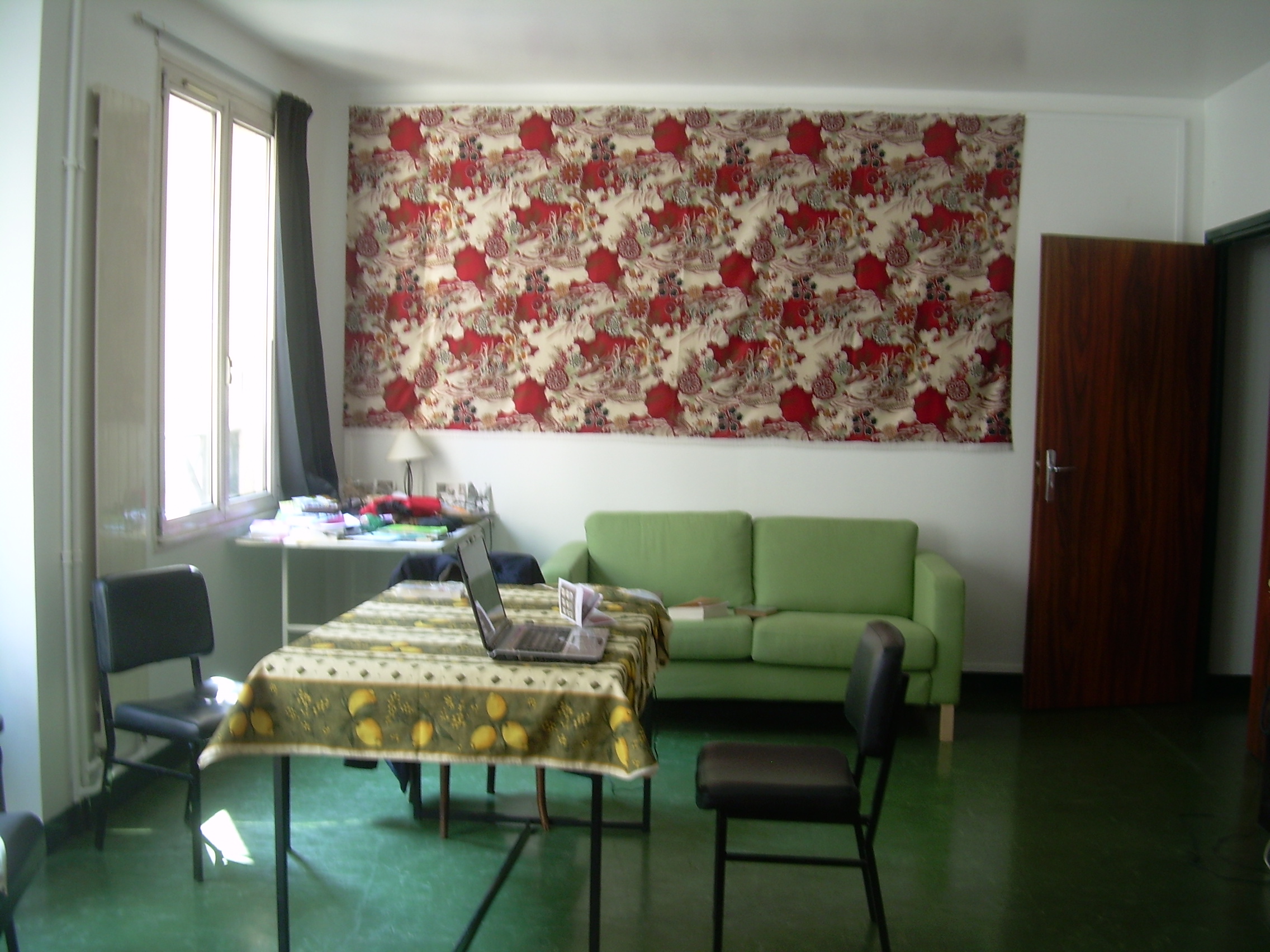
Part of main living area, Keesing Studio, 2015

Our impression of the Keesing studio is also the same as at the beginning – clean, warm and functional. (more about the Cité itself at the end)

What are you working on there? And have you found your plans for it have changed since you arrived?

20151211_190330

Keesing Studio kitchen, 2015

I’m working on a novel – I don’t know if my plans have exactly changed, but you can’t help but being changed by what you see and hear. I would find it hard to put into words though (hopefully in the book!)

Both for yourself and for Avi, what are your favourite things so far about living in Paris for six months–and the least favourite?

Well there’s no getting away from it, Paris is astonishing. The amount of cultural activity is staggering. Museums, galleries, parks, gardens, theatre, music – there is just so so so much, all the time. The beauty of Paris too is ceaselessly impressive. Avi roams around Paris on his motor scooter, whereas I prefer to walk. I walk for miles. Most of Paris is flat, you can walk anywhere with little physical effort.

 Because we know we are only here for a short time, there is an undercurrent of urgency about seeing and doing as much as we can and there is so so so very very much. So daily life is quite exhausting. But I find it hard to think of negatives about Paris, obviously they exist, but the positives are just so brilliantly shiny…

What do you think of it in terms of a writing/ideas environment? What are the pleasures, and the challenges? What influence do you think  you think your residency will have on your writing?

Ursula and daughter Maisie on Truffaut rail in Paris

Ursula and daughter Maisie on Truffaut trail in Paris

I have been writing, although perhaps not as much as I thought I would. The flat has a certain sterility, which makes you want to go out. People write in cafes, but I find it hard to sit still. I’m constantly walking and writing in my head, constantly thinking. The experiences here will persist all my life and inevitably influence what I write.

Tell us about some of your favourite places  in Paris–sites, culture, food, places,etc.

I think most of all I have loved going to the theatre. There is just SO much. So many small (indeed tiny) independent theatres as well as the larger theatres. You could go to something different every night of the week, classic and contemporary – in fact you could go to several different things every night of the week if only it were possible. It’s like being at a non-stop theatrical festival. The theatre is also very affordable – you can get tickets to most things for about 15 euros.  

Petit Palais

Petit Palais

Other things?  I love the church that is only a few minutes from the flat, St Gervais. Beautiful mysterious and so old. I love the Petit Palais. I love the Rue des Rosiers. I love Notre Dame especially at night.  I loved going out to Giverny, and the Orangerie. The weekend of the “patriomoine” (in September) was absolutely fantastic, when they open up hundreds of culturally significant buildings for you to wander into, with fantastic guides.  Talking of guided

Rue des Rosiers

Rue des Rosiers

tours, they can be so good too, accept every offer. I recently went on a a brilliant one of Truffaut’s Paris for example.

I love the cemeteries of Paris. Completely beautiful. 

There’s just so many things. Too many. I loved the squares and the gardens. The architecture. The cafe life. The sense of things constantly being created and recreated.

I have also loved improving my French. That has been a real and deep pleasure. 

Now you are heading towards the end of your residency, what stands out for you in what you have experienced?

Well our daughter Maisie got married while we were here (not anticipated when I applied for the residency) – that was obviously a wonderful thing for us to be there. On the down side were the November terrorist attacks which were a couple of kilometres from the flat. 

Ursula in Paris Salon du LivreI went to a very memorable and exciting annual festival of children’s books in Montreuil, the Salon du Livre de la Jeunesse. Met some great people – writers, illustrators, publishers, and foreign rights agents etc.

 It has also been such a pleasure having people we know from Australia and elsewhere drop by to visit, wandering, talking, eating and drinking together.

What are your top tips for writers and illustrators planning to apply for the residency?

That’s a hard one! I can only say, apply apply!

 I would learn as much French as you can before you come – then you can enjoy so many more things, like the theatre, guided tours, television, newspapers, public talks etc etc  as well as enjoying yourself more in shops and restaurants. The Cité (the institution where the flat is) does offer French lessons twice a week for a charge, but the class is so composite (complete beginners to advanced all in the same large class) we did not find it very helpful. We both found other places for French classes – Avi goes to the local council which have very good almost free classes and he also goes to a private college. I go to a small private group on Boulevard St Germain.

Ursula at pet cemetery in Paris(grave of Rin Tin Tin)

Ursula at pet cemetery in Paris(grave of Rin Tin Tin, canine star of many films!)

Finally, just a word about the Cité Internationale des Arts:  I think it’s important to be aware that the institution itself is not a community, but rather a building full of artists and musicians (very few writers), most of whom you will never see.

There is no common room or library, or outdoor area for people to gather and meet informally. The hallways are long, dark and empty and without decoration. (There is also a strange absence of a sense of history – hundreds, perhaps thousands of artists have lived here since the 1970s but they seem to leave not a single trace.) There is some communication between residents via email etc, alerting you to performances or invitations to visit their work in progress in their studio, and there is an occasional free lunch party in the car park for all residents, but these are fairly sticky occasions. So it is not an artists’ community as might be imagined, but more an accommodation facility. Worth remembering before you go

Paris literary studio 1: Introduction

DSCN4836

Working in the Keesing Studio, February 2010

One of the most wonderful experiences of my writing life was when I was awarded a six-month residency at the Keesing Studio in Paris from February-August 2010. The Keesing Studio is a flat whose residencies are administered by the Australia Council, but which is part of the Cité Internationale des Arts in Paris, a massive complex housing lots of studios where artists from all disciplines from across the world can live and work for residencies of specific time limits. (Incidentally, the Keesing Studio and other artist residency locations, including in the Cité, feature in some interesting research done by the Australia Council recently, which you can read here.)

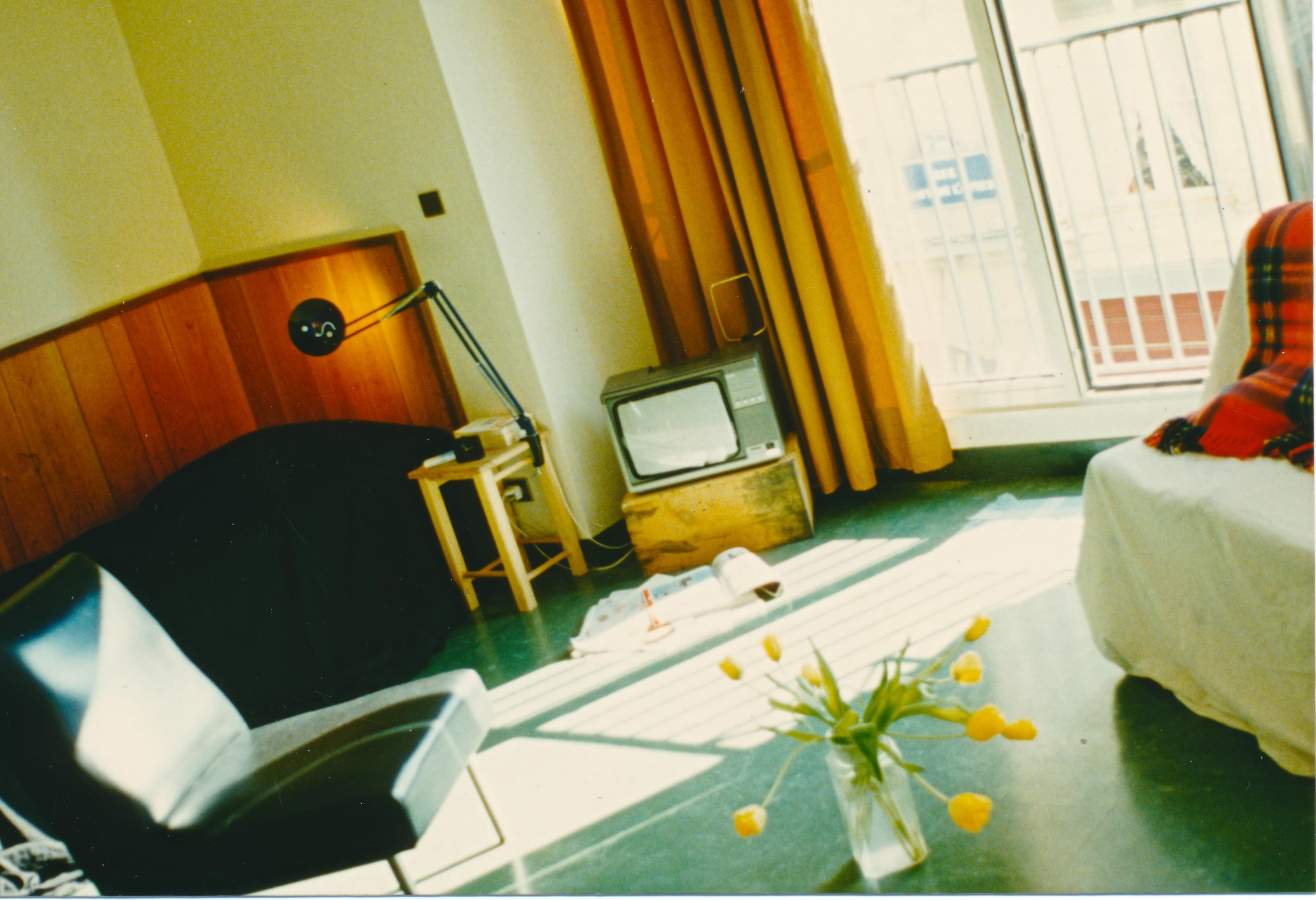
As the Australia Council’s website indicates, the Keesing Studio was generously leased in 1985 for 75 years by the late author Nancy Keesing ‘to provide Australian writers with the opportunity to live and write in a new and stimulating environment.’ It’s certainly that!  The flat itself is small (40 sq m altogether, comprising of one main room–living, sleeping and working space–with separate but very small kitchen, bathroom and store-room) but it’s clean, warm and functional, and set in an unbeatable location, in the buzzy, bustling Marais neighbourhood on the Right Bank, full of interesting little shops and restaurants. It’s only a few steps away from the Seine, and very close to Notre Dame and many other places.

Living area in 2010(our decorations!)

Living area in 2010(our decorations!)

I went with my husband David (you pay a minimal monthly fee to the Cité for partners to stay) and we both had the best time there, getting to know Paris really well, walking kilometres across it, looking at everything, shopping in local shops and markets, eating wonderful food, both at home and in little local restaurants, going to the theatre, visiting friends and family and feeling like we were really part of life there, not just passing tourists.

our favourite local restaurant, the Louis-Philippe

our favourite local restaurant, the Louis-Philippe

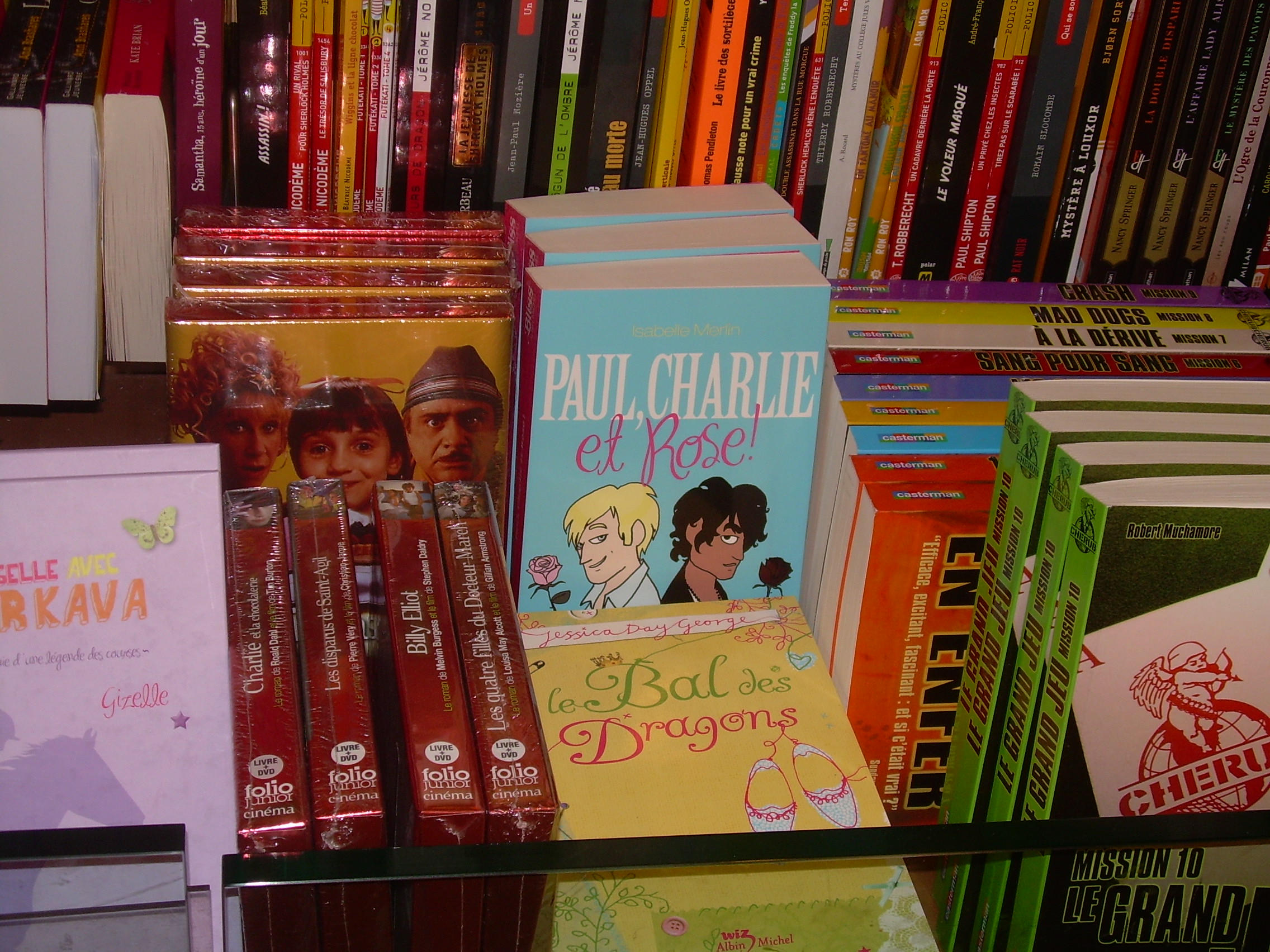
The residency was also intensely inspirational: at least three books came out of that six-month stay, though my actual time there was taken up not so much with writing manuscripts as soaking up atmosphere, doing heaps of research, visiting lots of museums, galleries, and sites of interest in Paris, but also outside of it including not only other parts of France, but also Russia, Malta and Italy! And what was more, during the time I was there, the first–yes, the first of my books to be published in French–Three Wishes, written under the pen-name of Isabelle Merlin, and retitled in France as ‘Paul, Charlie et Rose’– was actually released in March 2010 and I got to see it in Paris bookshops and at the wonderful Salon Du Livre(a huge event which is a combination of book trade expo, literary festival and rights fair), as well as having to meet the lovely publishers at Albin Michel.

My book in a Paris bookshop

It was an absolutely wonderful time whose influence continues to inspire me. And I’m not the only writer to feel that.  So I thought I’d start this new year with a new series, Paris literary studio, interviewing Australian writers who have been residents in the Keesing Studio, and finding out what their experiences have been. Later in the week I’ll be interviewing the current resident, Ursula Dubosarsky, and later still authors who were there at various times over the years, but today, I’d like to post a short extract from a piece I wrote after coming back from the residency, which was published in Australian Author, back in December 2010. You can get the full article here. (Free to ASA members, tiny price to non-members!)

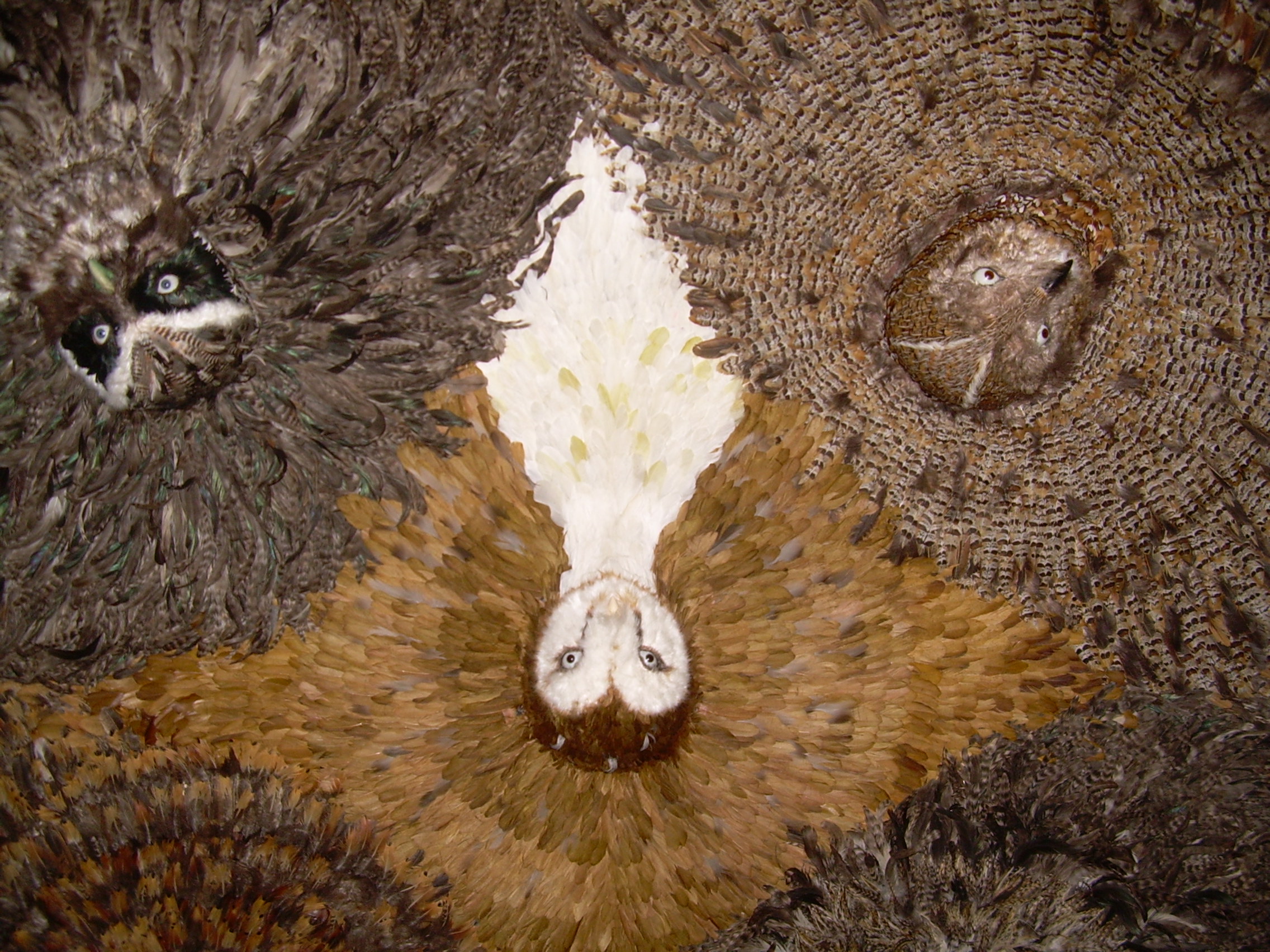
amazing ceiling in my favourite Paris museum--Musee de la Chasse et Nature

amazing ceiling in my favourite Paris museum–Musee de la Chasse et Nature

Despite my French background I did not set foot in Paris till adulthood, because of my father’s Southern dislike of it. Whenever we were back in France, Dad would delight in saying, as our flight circled over Paris on its way to Toulouse, ‘That’s exactly where it belongs—under us.’

DSCN6296

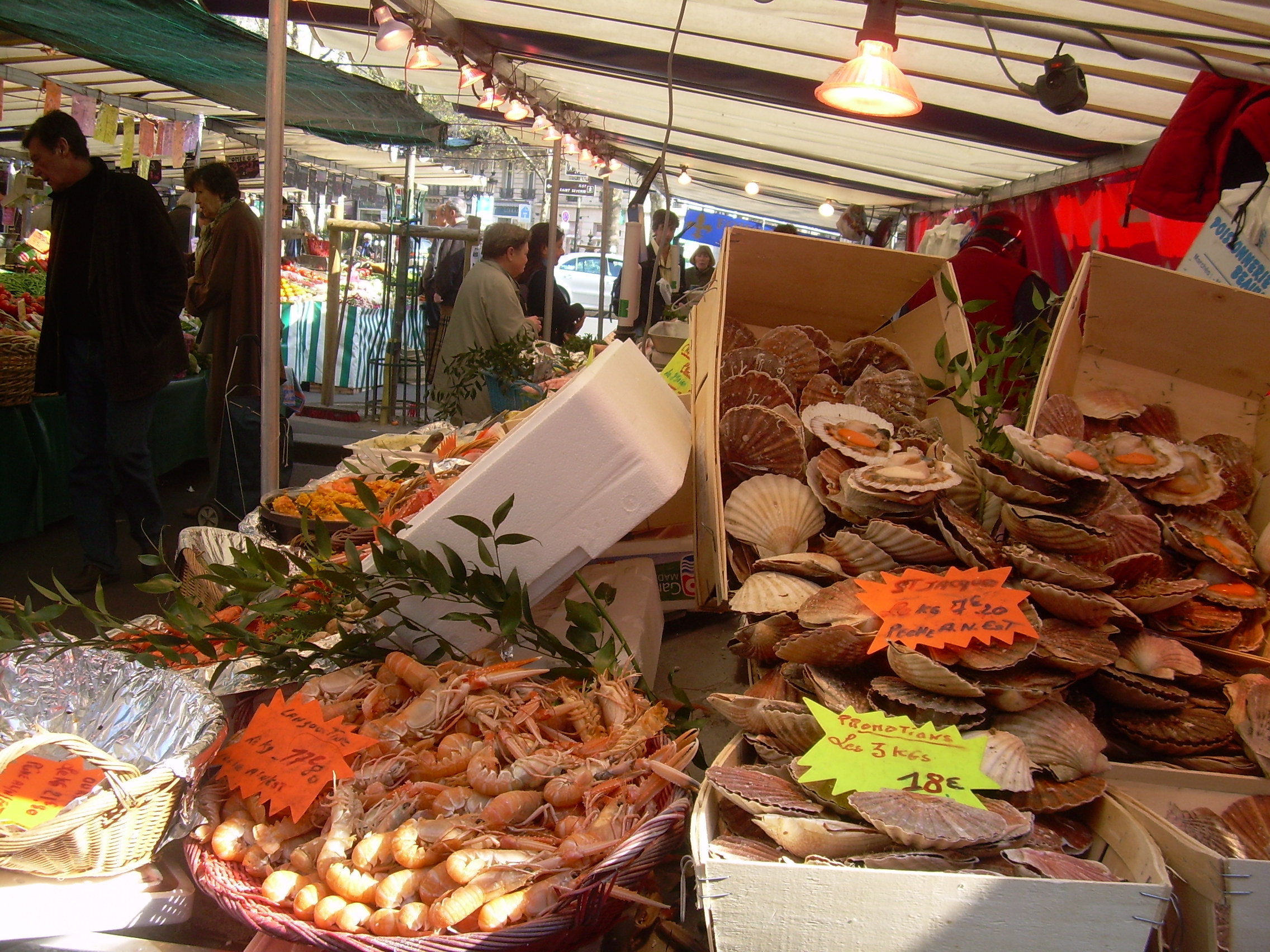
Seafood display, markets 2010


‘Parisien, tete de chien’ (Parisians are dogs) has always been the vengeful, wounded cry of provincials. For of course Paris adds insult to injury by ignoring the feelings of the innumerable ‘ploucs’  who have converged on it, whether eagerly or resentfully, from all corners of France over the centuries. Plouc is a bogan, a hick, an unsophisticated person–and shorthand for a provincial, as far as Parisians are concerned—an attitude with a very long lineage, for plouc derives from an ancient Gaulish word meaning someone outside the territory of the Parisii, the tribe which ended up giving the city its name.

Paris street art(by Nemo) Belleville, Paris

Paris street art(by Nemo) Belleville, Paris

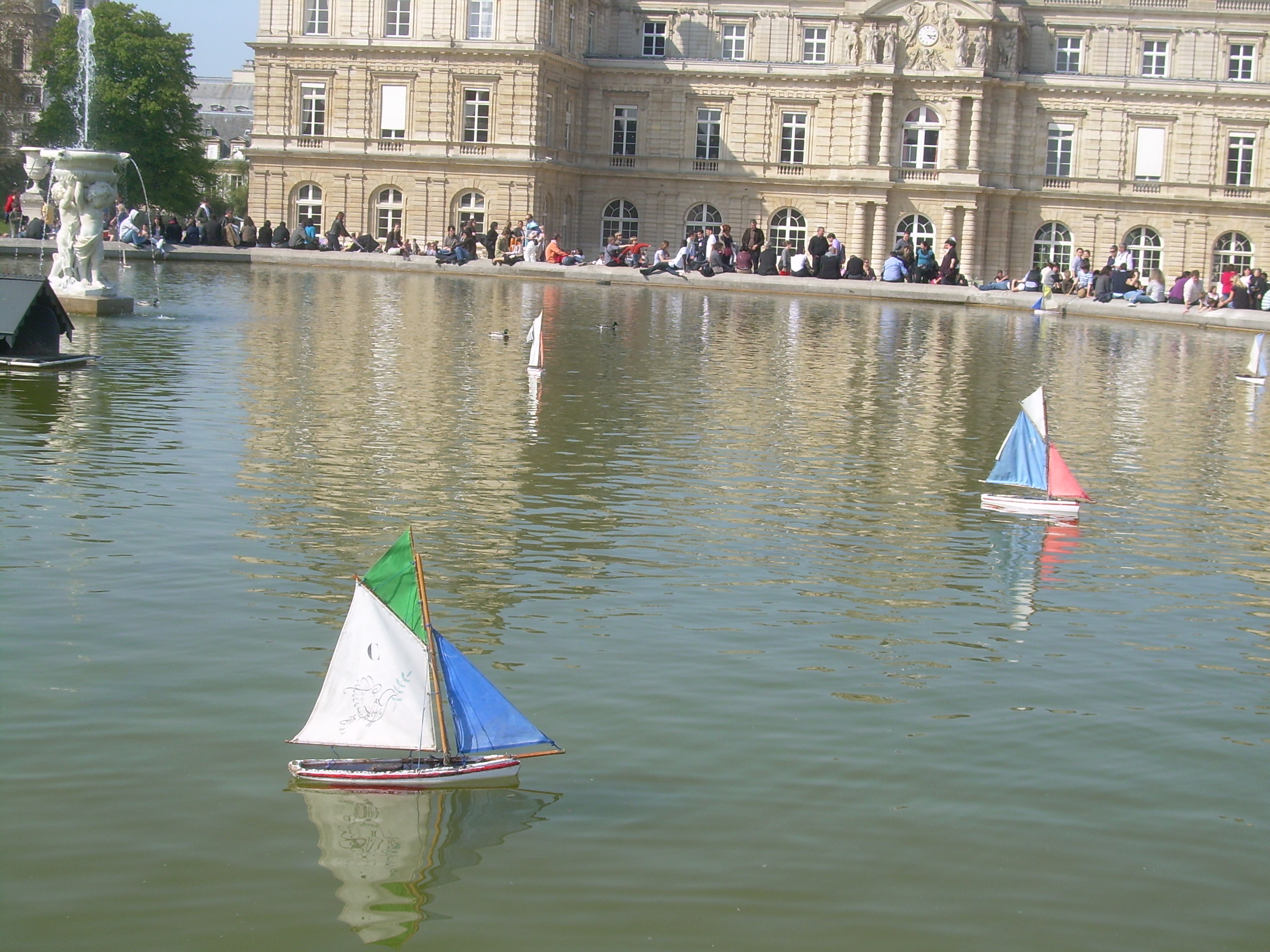
Luxembourg Gardens, spring 2010

Luxembourg Gardens, spring 2010


But I’m Australian, too. I might carry the ingrained Southern prickliness in my genes, but I’ve been brought up in a culture which still regards the City of Light as a romantic dream, witness the many ‘I was in Paris and fell in love’ memoirs which have populated bestseller lists. So the opportunity to cast off my double plouc-ness as Australian and Southern French and immerse myself in Paris living and writing there for six months was irresistible, even though part of me was scared, wondering if I wouldn’t just end up hating the place. Months into my time here, I was still discovering just how disconcertingly wrong I’d been.

Thing is, nobody, not even a vengeful plouc, told me that the big city of big cities is actually not that at all, but rather a collection of villages….

Night walk, 2010

Night walk, 2010

Double Act 6: Raghid Nahhas

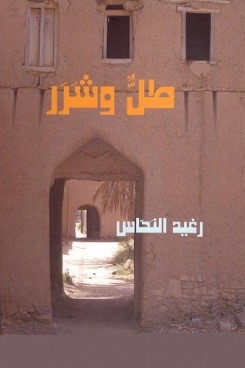
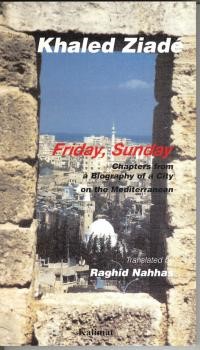
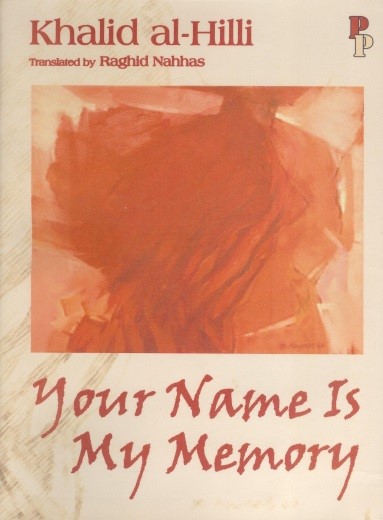
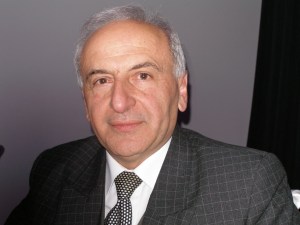
raghid picI first met writer, publisher, editor and translator Dr Raghid Nahhas some years ago when he was editor and publisher of a bilingual Arabic/English literary magazine, Kalimat. But publishing a magazine certainly isn’t the full extent of Raghid’s work, as readers will discover from this very interesting interview.

Raghid, for a number of years, you were the publisher and editor of a unique literary magazine, Kalimat, a bilingual Arabic/English production. Can you tell us how it started, what your aims for it were, and whether you felt those aims were achieved? And how was the magazine received, both in Australia and Lebanon? What are some of the scenes, that stand out, for you, in the time Kalimat was published?

I come originally from Syria, born to a Syrian father and a Lebanese mother. About 1998, a group of enthusiastic well-educated Australian-Syrians wanted me to group them in some sort of an organisation where they would feel useful to society. However, I was more inclined to reject any sort of another “ethnic” organisation added to the multitude of societies and even “political party groups” that are irrelevant to Australia (there are tens of such groups that carry the names of militias and political parties that have been active in the Lebanese civil war and its consequences. I find this very odd). I mentioned to those people that I would be interested in presiding over such a group if I had something meaningful to offer to Australian society at large, and that the group should be inclusive of any Australian who shares our aspirations.

Two years later, I felt I could realise an idea that was with me since I arrived in Australia in 1988. Back then, my scientific career and my occupation with supporting my family did not leave me much time for literary activities.

Perhaps the best answer to your question about the “aims” can be found in my first editorial titled Kalimat:Creativity, the Joy of the Word and Cultural Access (Kalimat 1, March 2000). Here are some excerpts:


Kalimat’ is the Arabic for ‘words’. It is the plural of ‘kalima’. We believe in the power and the beauty of words. We believe that the word is the gate of cultural heritage, and that writing is the key to its permanence. This is what the Arabic words on the back cover of this issue say.

Kalimat seeks to expose the beauty of words and explore their creative dimensions in poetry and prose, in any form or style. Kalimat will seek quality, without being too academic.

Kalimat, an Australian-Arabic Literary Quarterly, is produced alternately in English and Arabic. It seeks creativity in both languages, and fosters access between English-speaking and Arabic-speaking individuals and the worlds and cultures they represent. In doing so, Kalimat aims at providing direct enjoyment of the written word in either languages, or in both for those who are bilingual. Those who have one of the languages only, can have access to other ideas through translations and commentary. Kalimat’s mission is to provide a medium for cultural access and enhanced creative communications between writers from diverse communities, who are united by their quest to have their words read, heard and felt by everyone.

Kalimat will focus on Australian-Arab access by being representative of the widest possible contemporary writings in each culture. It will also attempt to promote Australian and Arabic writings throughout the migrant communities around the World.

We have already begun establishing links with major literary bodies and individuals in the Middle East and among migrant communities. The fruits of these contacts will start appearing in subsequent issues, ripe for everyone to enjoy.

We are very clear about what access means. A very dear friend who comes from a different background, holds some contrasting views to mine. We both believe that ‘boundaries’ are inevitable, or at least necessary or healthy. We believe that we are such good and close friends because we recognise each other’s boundaries. We are also able to cross those boundaries, move freely, enjoy their essence and move out again without undermining the integrity of the core.

The overwhelming response we have received indicates a great interest in the goal Kalimat is pursuing. It also indicates that there is a need for a new outlet for all those talents.

We would like to see more spontaneous, creative and emerging talents knocking on our door. To this end, we say that Kalimat is your words. And my word! Without you and your contributions to this exercise, it becomes null and void.


kalimat last issue

The last issue of Kalimat, in 2006

I would say that the aims were partially achieved, because they were limited to an elite group. This is due to two reasons in my opinion. One is the quality of the magazine. Another is our inability to market it on a wider scale. The latter was mainly due to severe financial difficulties at an era when digital printing was non-existent, making it costly to print. You see, my real aspiration was to make such a magazine popular without compromising its standards. In this way, I was hoping to engage the common reader with material of a more literary value than the one this reader was used to. I felt there was a need to make creative writing more accessible. I don’t think that we succeeded in that.

The magazine was received well in Australia, Canada, USA and England. It was also received well in some European countries, mainly by organisations and individuals with links to Arabic.

In the Middle East, it was received well by individuals and by one organisation in Syria that has links with Syrian migrants abroad. The Ministry for Culture in Syria subscribed to the magazine. Major Arab well-funded literary organisations never bothered to answer my mail despite sending them full sets and despite that some of their employees had material published in Kalimat.

I was interviewed by TV and radio whenever I visited Syria and Lebanon and the reception was excellent, but this was based on some individual initiatives by prominent people who appreciated the work.

Kalimat was published between 2000 and 2006. These years, and indeed the decade, will be remembered in history as truly fundamental in laying the foundation for a different world.

The year 2000 was prominent as the start of the 21st Century. It was preceded by a lot of anxiety about the “Millennium Bug” and the usual superstitions associated with “landmarks”. The real anxieties during that year were related to more real-world issues, mainly matters related to al-Qaeda and to Iraq. Between 2001 and 2006, the situation worsened with USA leading the war on Afghanistan after the 9/11 attacks, George W. Bush became president, a blast in Bali killed many Australians, the USA invaded Iraq with devastating consequence for years to come, a tsunami in south east Asia killed thousands of people, terrorism struck the heart of London, Syria withdrew its forces from Lebanon and the Lebanese prime minister was assassinated, Saddam Hussein was executed, Islamists captured the Somalian capital and Hamas won the elections in Gaza.

There were some bright moments. For example, the euro started circulation and a European spacecraft landed on Titan (a moon of Saturn). Add to this scientific discoveries and literary achievements, many of which might go unnoticed.

You are an author as well as a publisher. Tell us something about that. How did you start writing? What genres do you write in? And is your work mainly in Arabic or English?
raghid dew and sparks

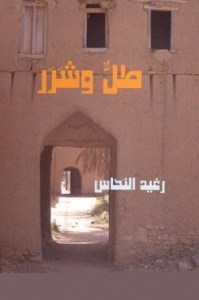
Dew and Sparks, a collection of writing by Raghid Nahhas


My main literary work is mainly in Arabic, but with Kalimat my English writings had a boost. I started writing at a very young age and I was known at school for my abilities in Arabic and English, despite my scientific choice of courses. I contributed to the school magazine in Damascus when I was in primary school and afterwards. Our school had a distinguished publication that was taken seriously. My first article in a leading Lebanese magazine was published in the sixties when I was fourteen. In England, whilst I was undertaking my PhD in Experimental Zoology, I met another Syrian who was undertaking a PhD in English literature. We became close friends and he showed me an issue of al-Adaab, the leading literary magazine in the Arab world at that time, with a short story of his published in it. This encouraged me to show him a short story I had written. He dismissed it as unpublishable by that magazine. Nevertheless, I did send it for publication and it was accepted. Ironically, it was my friend who broke the news to me, because he was a subscriber to the magazine.

I write short stories, prose, essays and socio-political articles. My work is full of social critique, sarcasm, humour and some dramatic sad stories from the start of the civil war in Lebanon where I lived for a while and escaped tragic circumstances on a few occasions. There is also a lot of happiness and love stories from Beirut between 1970 and 1975, a period during which I considered Beirut my darling city and the best place on earth.

In any piece I write, I mostly tend to include all the above elements. Although some of my work is a complete fiction, it is based on real experiences or understanding of real events. I believe in an integral approach to life: things are more related to each other than we think.

You come from a  well-read family, I believe. As a child, and a young person growing up, what books and writers inspired you? And what books and writers inspire you now?

My maternal grandfather was a distinguished journalist and a pioneer reformist in south Lebanon for the first half of the twentieth century until his death in 1960. Interestingly, my paternal grandfather was a business man and so was my father. My father, who only finished year five at school, was a devoted reader. I remember when TV was introduced to our household about 1960, the whole family would spend every evening watching, except for my father who would retire to bed and read for hours. We had many books, but mostly classical and traditional material and definitely nothing progressive, leftist or atheist. These I had to pursue myself. No one stopped me from doing that.raghid translation 2
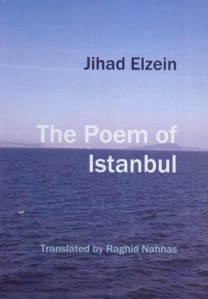
My mother had a collection of Shakespeare’s plays translated into Arabic. I read it all with fascination, particularly “Midsummer Night’s Dream”. I read translations of works by most of the renowned Russian novelists. War & Peace by Tolstoy comes to mind. Les Misérables by Victor Hugo was greatly admired by almost everyone. I loved it! I read Mariana Pineda by Federico Garcia Lorca.

One of the very first Arabic novels I read was Dua’ al-Karawan (The Call of the Curlew), by Taha Hussein, considered the most important literary figure in Arabic literature. He was not a novelist. His writings, however, are of a great literary integrity. Later (still a teenager) I read all of Naguib Mahfouz’ novels. One day, after class, a group of my classmates and I (four of us who were the best achievers) were discussing various issues as we always did during recess. I remember telling them that Naguib Mahfouz was soon going to get the Nobel Prize. Little had I known that politics would delay him the honour for twenty-five years!

Although I am not a poet, my main reading interest was poetry. I read a lot of the classical Arab poets, but I was more attracted to the modern ones, particularly Nizar Qabbany, a Damascene like me. I was born in the same locality where he was and in an architecturally Arabic house similar to his. I am very familiar with the Environment where he lived as a child and adult. Like him, I also lived in Beirut for a while.

In my twenties and until now, my major readings have been focused on science and philosophy. Examples of thinkers I admired over the years are (at no particular order): Rachel Carson, Bertrand Russell, Charles Darwin, Nizar Qabbani, Mahmoud Darwish, Adunis, Sadiq Jalal al-Azm, Simone de Beauvoir, Carl Sagan, Stephen Hawking, AC Grayling, Paul Davies, David Attenborough, Salman Rushdie, Noam Chomsky, Sigmund Freud and Albert Einstein.
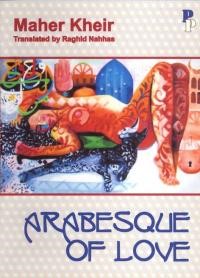
raghid translation 3My favourite person in history is Hypatia of Alexandria (died 415 AD), a philosopher, mathematician and astronomer. She was an advocate of the value of science and stood for her principles. She paid for this with her life when a Christian mob, including monks, tore her to death.

What’s the publishing scene like, not only in Lebanon but other Arabic-speaking countries?

Before the Lebanese civil war that started in 1975, Beirut had been the cultural centre of the Arab world due to the freedom of press and the relative democracy enjoyed. Many Arab intellectuals used Beirut to publish and some prominent ones moved there and established their own publishing houses, such as Nizar Qabbani and Ghada Samman.

Beirut still enjoys a lot of freedom in that respect, but it no longer occupies the same status as before. Dealing with publishers there would now cost you an arm and a leg. Not only do they want to sell you the number of copies you require, but also they force you to buy some 1000 copies and to forfeit any rights for a period of five years. I wanted to publish my recent Arabic books there (a logical thing to do), but aside from the few who never respond to you, some leading ones were difficult to deal with. I can see now why even some of the greatest of Arab writers opted to self-publish.

raghid verses across tasman

Verses across the Tasman, contemporary poetry from Australia and New Zealand, translated by Raghid Nahhas, 2015
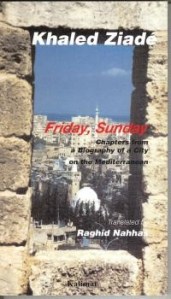
raghid translation 5

I don’t feel that the situation in other Arabic-speaking countries would be any different, but I am no expert on that except to say that some of the Gulf states have managed to publish literary magazines of a very high quality and they ought to be congratulated on their efforts. One example is the monthly Arrafid (published by the government of Sharjah, UAE). With every issue there are three extra little books, and each deals with a certain genre. The problem, of course, is whether they will be open minded about publishing material that does not meet their values. The problem I have with them is that so far I was not able to deal with them, because they don’t answer my emails or letters.

You have translated many works, from English to Arabic and vice versa. How do you view translation? What are its challenges and pleasures?

Unlike other literary translators who feel that once they put the work into the target language they possess it and it becomes their creative work, I consider myself a “trustee” of the work. The work is not mine and it can or should never be mine. I believe that a translation is a responsibility.

Integrity and honesty mean that a true translation should reflect the original work and never be better or worse. In the literary word, an accurate translation does not mean “a true copy of the original”. However, it should be a true reflection of the spirit of the original and as much as possible of the original style. This can never be achieved, particularly in poetry where the metre and musicality are very much dictated by how each language is established.

Creativity in translations is thus limited to how the translator is able to adapt the target language in order to meaningfully and structurally express the original work. Translators should remember that the most vital part of any piece is the ideas. Everything else is the “clothing”, and of course it can be as important as the ideas in creative terms. However, translators should not unnecessarily devise a different garment simply to stretch their linguistic muscle. What they should be doing, to re-introduce the original work, is to find equivalent phrases from the target language that match – in meaning – those of the original. I am stressing this because it is wrong to assume that the lexical meaning of a raghid translationword is going to convey the actual meaning of a phrase. This is a major issue in translations and a trap translators fall into very easily. As a simple example, in English you can say to someone you love, ‘You are my cup of tea!’ You can’t say the same in Arabic to convey the same meaning. You could say, ‘You are as tasty as a cup of tea!’ This, however, diminishes the power of the English phrase in my opinion. In Arabic, I would use something like, ‘You are my flower!’ Another example is one verse in Arabic I had to translate. It starts by ‘A citizen whose profession is to write…’ The Arabic version sounds great and seems acceptable, possibly because of its musicality. Left as it is, it sounds bizarre in English. It should simply be ‘A writer…’
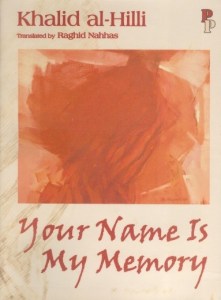
As well as your work as a publisher, editor, author and translator, you also worked as a scientist for many years. Do you think all of these strands complemented each other, or did you have to struggle to fit them all together?

I don’t believe it is a question of “fitting together” or “complementing each other”. Some people, like me, have varied interests. As such, the “struggle” is to find time to achieve in every case. No, I did not have to struggle, because for twenty-five years my involvement was with research and consulting. It did not leave me much time to consider my other main hobby in writing. This remained dormant and I was happy doing what I was doing. As soon as I had the opportunity, I embarked on a more serious literary path by publishing Kalimat.

raghid thirty four tales

Thirty-four tales from Australia, translated by Raghid Nahhas, published 2015

My philosophy in life is very much dominated by “integration of disciplines”. I believe that we can specialise in certain fields and this is necessary for achieving specific goals and targets. Specialists, however, must not lose sight of the total picture if they want their achievements to be better and more accessible. For example, a geneticist must be conversed in the ethics associated with the consequences of genetic engineering.

What are your current publishing and writing projects?

This year I published three translation works: two into Arabic (short stories, poetry) and one into English (poetry). From now on, I hope to have the time to complete two novels, one in English and one in Arabic.

Anything else you’d like to add?

I would like to express my appreciation of a number of writers, poets and academics who stood by me when I published Kalimat. This was the best reward I received, because it meant that those people appreciated the value of what I was doing. I am saddened, however, by the fact that since Kalimat ceased publication, only a handful kept in touch.


Creative pleasures: an interview with Beattie Alvarez

Beattie AlvarezToday it’s my great pleasure to feature an interview with Beattie Alvarez, a brilliantly creative and dynamic young woman whose talents lie in many different directions. Beattie and I work together at Christmas Press, but she’s also juggling many other creative and professional roles, as you’ll soon discover in this fascinating interview.  (Oh and by the way, she’s also the mother of two young and very lively daughters!)

Beattie, you are involved in many creative pursuits–writing, illustration and toymaking. How did it all begin?

SONY DSC

There are actually a few answers to this! I have always loved all of the above; my parents (Mum, Dad, and Carl, my stepdad) are all talented artists. I grew up at Julian Ashton’s art school, entertaining myself by shoving rolled up tissue paper in my nose while they drew naked people.

When I was four… or five… I saw Coppélia performed at the Opera House. I went home and wrote, illustrated and ‘published’ my own version of it while Mum sewed toys. By the time I was ten I had a whole shelf of self-published books!

I started writing as an adult when my favourite TV show ended abruptly, with a very dissatisfying ending. I was heartbroken! So I went out, sold my soul for a loan to get my first computer, and wrote my own ending. Then I discovered that it was actually called Fan Fiction and there was a website I could upload it to! The response from other fans was overwhelming. As of 2015 those stories have been read almost 100,000 times!

After that I was hooked!

Tell us about your writing. What have you had published, and what are you working on now? Do you write in particular genres only or do you like to try your hand at many things?

I’m new to being published and it’s so exciting! My first published story was in Reader’s Digest magazine… and it paid! Almost $1 per word! I thought I’d be rich in no time.

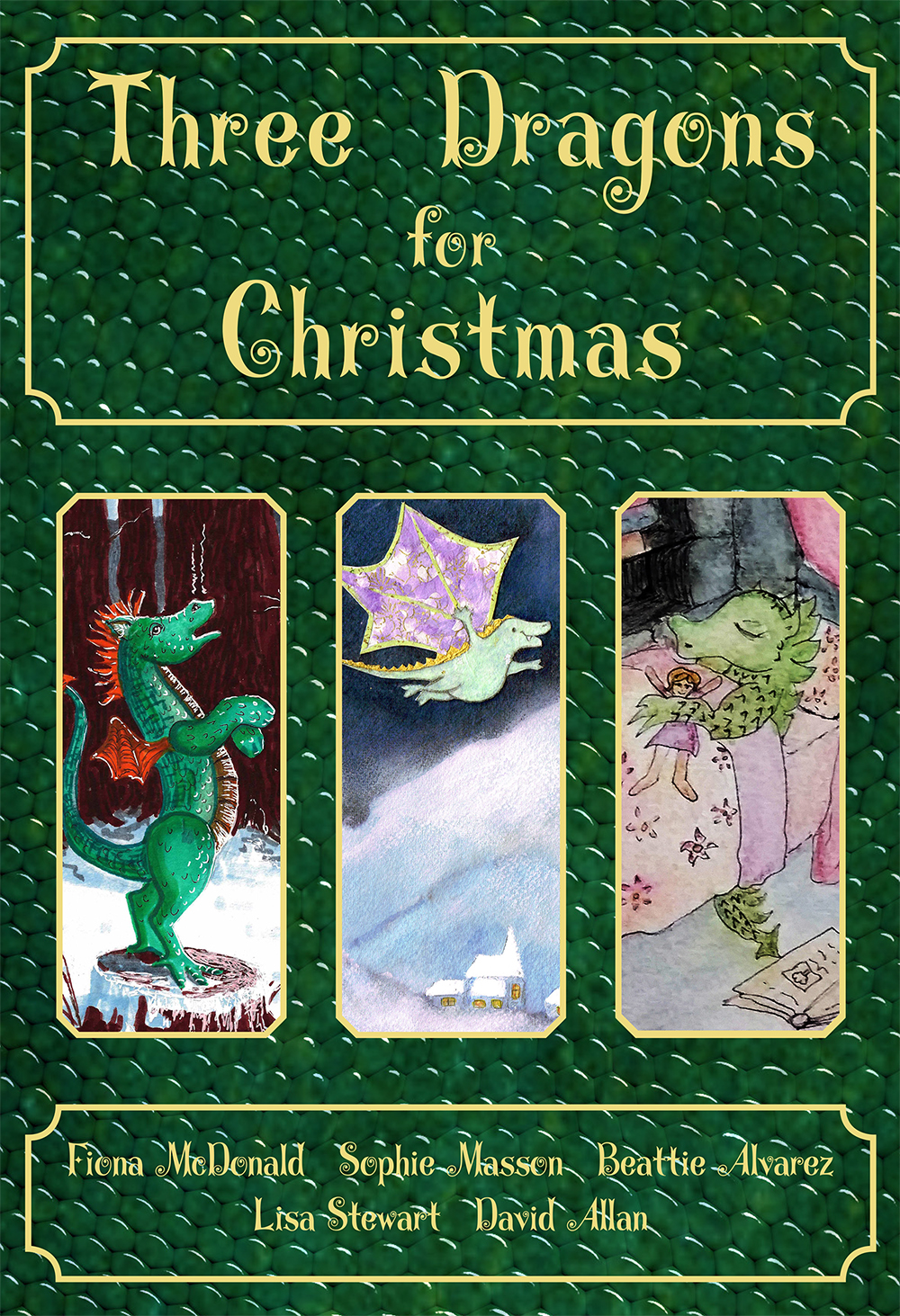
Since then I’ve had a few short stories, poems and illustrations published in anthologies and in November I was one of three authors with a story in ‘Three Dragons for Christmas’ by Christmas Press Picture Dragons Front Cover MediumBooks — I got to fully illustrate my story as well, which was a lot of fun.

I write anything and everything! Fantasy is my preferred genre, having lived in a fantasy world for most of my life. I’ve got one fantasy novel about the Queen of the Universe that will probably take the rest of my life to finish. I keep going back to add or change or edit.
When my brain is being stubborn I write, what I call, ‘mini murders’.  I write them to kick-start my brain — or when I’m in a particularly bad mood! They’re short stories where one — or many — people are murdered, ranging from twenty words to five thousand! One day I hope to be able to publish them in a book called ‘Murder on the Run’, the idea being that you can read one on your lunch break or between train/bus stops.

Then there’s the series of picture books I’ve written about Marguerite MacDougall… and my ‘magical murder’ novel that I’m working on!  I’m also waiting for responses from agents and publishers over a non magical, non fantasy YA novel that I finished earlier this year. It was my first attempt at something with no murder and no magic.

You are also an experienced editor of other people’s work. What effect do you think this has had on your own writing?

It gets me writing! I like editing for two reasons: the first is to help other writers out there polish their work and get the best manuscript they possibly can. The other is because sometimes it’s a hard job and I all I want to do is write my own stuff after weeks of writer’s block! Working on someone else’s manuscript that really needed a good edit BEFORE they sent it to me is the best way to get over an imagination blockage.

Tell us about your illustration work, and who has influenced you as an artist.

dragons beattie Christmas-Day-Brighter

From Three Dragons for Christmas

For years and years I refused to do art. Partly due to growing up at gallery openings and falling asleep under the food table when they went on too long and partly due to school. I hated art — and English — in high school. They tried to force me to see things that weren’t there and make assumptions about the artist. A curtain is allowed to just be blue! It doesn’t have to mean that the artist was depressed and in an unhappy marriage. It MIGHT mean that blue looked best there or that they wanted to open a new bottle of paint. So I butted heads with both my art teachers and my English teacher (who didn’t pass me once, for the record in year 12!) a few times over that. I became really disheartened when people with talent got lower grades than those who put a black spot on white canvas, twelve dancing princessesbut wrote an essay over why that was a real piece of art.

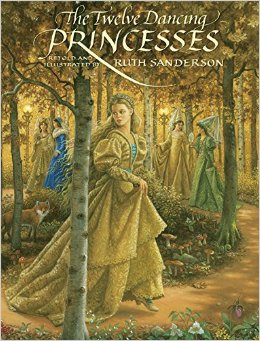
My parents, obviously, all influenced me when it comes to art and brambly hedgeillustration. But so did books! I love Ruth Sanderson’s ‘Twelve Dancing Princesses’ and the ‘Brambly Hedge’ books by Jill Barklem, where you can see the full story in the pictures, but there are also other side stories going on, only visible in the illustrations.

As well as being a writer, editor and illustrator, you have also worked as a book designer and lay-out artist. How did you learn those crafts, and what are the challenges in those aspects of book production?

It turns out that I LOVE book designing! Carefully choosing where the words go to make the pictures stand out (and vice-versa!) is very therapeutic and rewarding.

I learnt on the job with David Allan from Christmas Press Picture Books when we were working on ‘Once Upon a Christmas’. Thankfully I picked it up quickly or we might have been in front of the computer UNTIL Christmas! Since then I’ve helped design several books for Christmas Press and can’t wait for the next book so I can do it again!

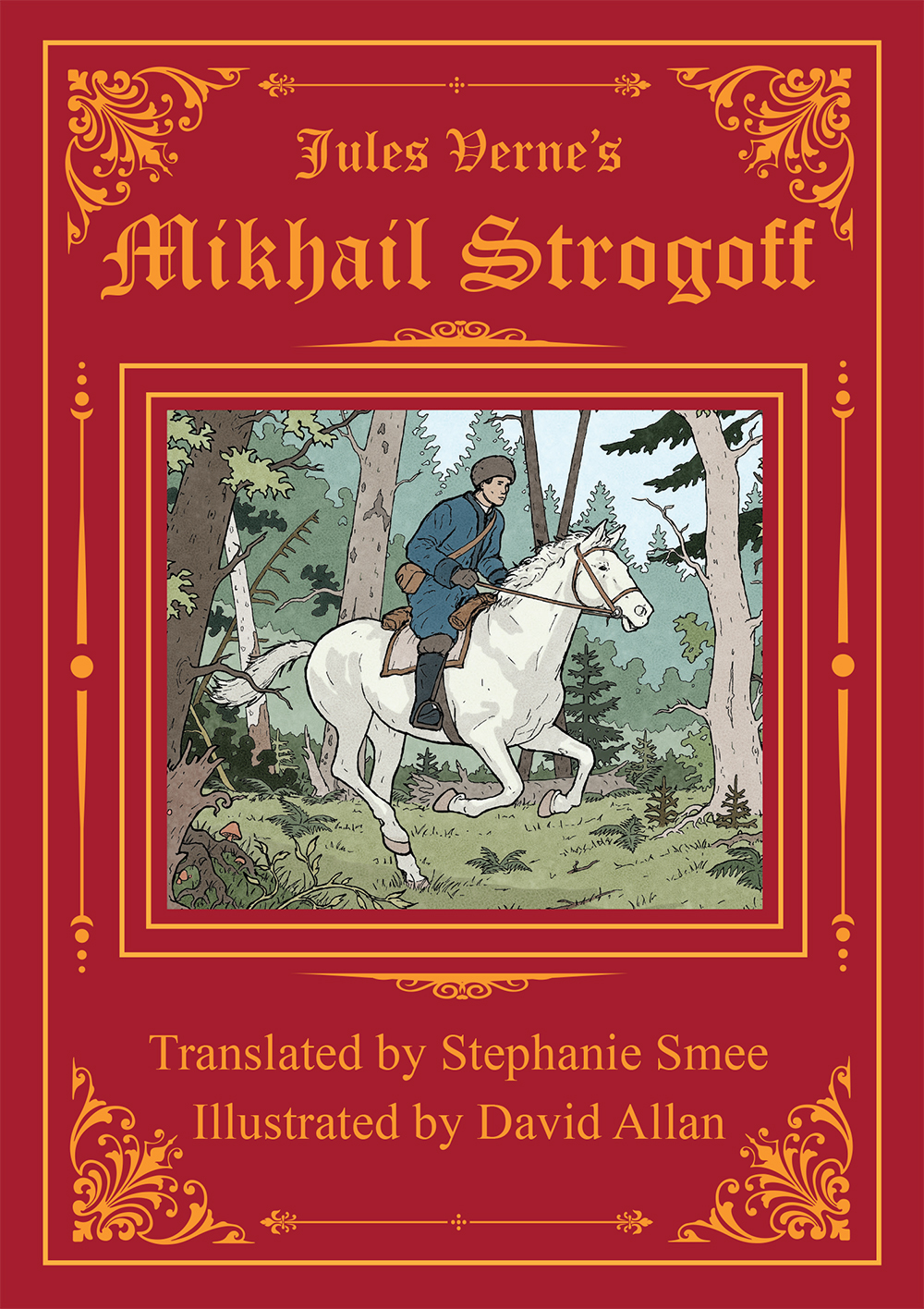
Mikhail Strogoff Cover Front Medium

A forthcoming book co-designed by Beattie Alvarez and David Allan

Seeing the finished book is the best part of that and knowing that I had a hand in bringing someone’s words to life is very satisfying.

That said, it requires a fair bit of coffee and chocolate, and maybe some naughty words slip out when Adobe and I disagree!

You also run a number of Facebook pages for businesses and organisations, including the New England Writers’ Centre, for which you also run the website. What is your key advice for businesses and organisations wanting to get the most out of social media and the Internet?

Do it! That’s my main piece of advice. So many creative types out there don’t use social media and I don’t know why! They say they don’t know how and what’s the point? There’s a saying from before the digital age ‘any publicity is good publicity’. Social media is free (unless you choose to pay for their ads). Your friends see it and like it. Then their friends see it and like it… etc! It’s about getting your work/business/organisation seen, the more people who see it, then the more sales/contacts you make. It’s simple!

The other piece of advice I have is to keep with the times. A website made ten years ago will probably not look as professional as one built now. There are a lot more options for web design now than there used to be. Buttons so that the user can interact with you and your business, so they can buy things, so that the site is user friendly. People are busy these days! They don’t bother with hard-to-use sites, they’ll just go somewhere easier and faster. So much is digital in this world that you have to keep up.

You are the deputy Chair of the New England Writers’ Centre, a non profit arts organisation. How do you view the issue of successfully steering a small arts organisation through challenging times?

Being willing to change with the times!  It’s very similar to what I wrote above, in that you have to keep up with what people want and need. This year the New England Writers’ Centre branched out and tried some new things, updated their website and Facebook pages and we did brilliantly! We’ve received several grants (yay!) this year to ensure that we can keep operating. That’s because we’ve had great grant writers, but also because we’ve changed and can prove that we’re willing to try new things.


You work with your mother, Fiona McDonald, to create unique hand made soft toys. Can you tell us something about that? beattie with toys

Mum and I work at everything together! And we work well. She decided to open a toy shop a few years ago and so we did! I didn’t really do any sewing before that, but now I do a lot! We felt there was a gap in the market for good quality toys that aren’t just for playing with, but for being companions for life. We like toys that can go into battle with you, have tea parties, sit quietly and read a book on a rainy day, toys that inspire play and friendship.

SONY DSC

And we’re doing so well that I’ve got calluses on my fingers from sewing so much!

You also help to run the shop, Granny Fi’s Toy Cupboard. What are the challenges and pleasures of running such a unique business in a regional town?

The pleasures far outweigh the challenges! Having a shop filled with beautiful, handcrafted toys, books, hats and all the like make going to work a treat! We’ve also branched out into some merchandise, having spotted yet another gap in the local market. We are now known as either ‘the dragon shop’ or ‘the nerd shop’! We have a great selection of Harry Potter, Doctor Who and Star Wars (to name a few!) merchandise that appeals to the ‘grown ups’ that come into the shop. Although, to be fair, those ‘grown ups’ also buy the toys!granny-fi-toy-cupboard-logo

It is hard in a small town to get a lot of walk by trade. The main pedestrian mall is sadly very empty of shops, mainly due to the exorbitant rents that the landlords are asking. Words that I don’t completely understand have been thrown around like ‘negative gearing’. Places like Centro, which was built off the main drag, have severely damaged the shopping strip due to its air-conditioning and under cover parking. People like the ‘one stop shop’.

And of course, there are people who just don’t understand us. We get questions like ‘but you just made this yourself, shouldn’t it be cheaper?’ and ‘but it’s not a real toy, it has no packaging’. Times like that are disheartening, but (after the first few times!) I no longer want to cry when people like that come in. Our toys deserve to go to homes that will love

SONY DSC

them!

What I have found very interesting is the response from tourists. Those that come from cities really DO understand us and our toys! They can’t believe how cheap our prices are and suggest that we open a shop in Melbourne or Newtown in Sydney.

But for all the hard times there are always more people that love what we’re trying to do in Armidale. They love our toys and the fact that 90% of what we stock is handmade in the area and that their money is going to support the local economy.


Maybe one day we will open shops in cities, but we will always be based in Armidale. It is our home and we love it.

Beattie's older daughter Isobel, with a hand-made friend!

Beattie’s older daughter Isobel, with a hand-made friend!