Five Favourites 8: Natalie Jane Prior

Today’s five favourites have been selected by Natalie Jane Prior.

I had so many favourite books when I was a child that it is very hard to pick just five. The ones I owned, I read to shreds. Most of the titles on this list I knew practically by heart. So here are some sentimental favourites:

The Tree that Sat Down/The Stream that Stood Still, by Beverley Nichols

This bindup of two fantasy novels by Beverley Nichols (who is today chiefly remembered for his garden writing) is the book which inspired (at least in part), my recently published picture book, Lucy’s Book  (Lothian, illustrated by Cheryl Orsini).  Lucy’s Book  tells the story of a little girl who loves a book so much that she borrows it from the library every time she goes, until at last the book wears out. My mother was very difficult about re-borrowing books; her own practice was to go to the library to find things she hadn’t read before, and she did not seem to understand that I should feel a sense of ownership in a library book. I suffered much anguish over this book, because I wanted to own it so badly. It resonated with me on practically every level. Though I could not have explained why this was so at the time, I think now that it was my first experience of a profound aesthetic synchronicity with another writer. I can’t explain it: I only know that when, at the age of 18 or so, I managed to buy a Lion paperback edition, I was devastated to find out that Nichols’s philosophical musings on beauty and morality had been cut out, presumably as not interesting to children. The effect was as if the chapter “The Piper at the Gates of Dawn” had been cut out of The Wind in the WIllows, or Aslan out of The Chronicles of Narnia: the heart of the book had gone. I am happy to report that I now own an early hardback with these sections intact, but the experience put me off abridgements for life.


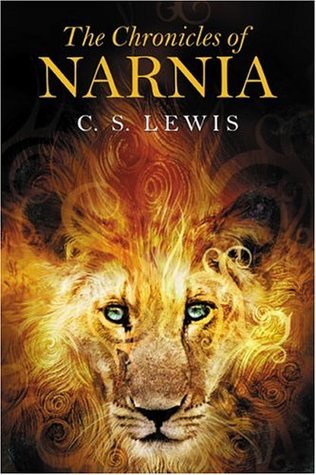
The Chronicles of Narnia by C.S. Lewis

 No doubt I’m cheating putting them all down here, but again, these universal favourites resonated at every level, and still do. As a reader, I adore them, as a writer, I admire them (the full impact of Lewis’s casual erudition on the texts did not hit me until I did Middle English at university), as a Christian, I am still pulling insight out of them over forty years after I first read them. The end of The Last Battle still reduces me to a blubbering wreck every time I read it. There are not many books you meet in life that you can say that about.

A year or two back, I read an extremely insightful study which I would like to recommend to anyone who loves these books: Planet Narnia, by the academic Michael Ward (OUP, 2008), radically re-examines the structure of the series. Having dimly grasped a lot of what he suggests myself, without putting it all together, I am convinced he is correct in his conclusions. You can find the Kindle edition here: it’s a really stimulating read: https://www.amazon.com.au/Planet-Narnia-Seven-Heavens-Imagination-Lewis-Michael/dp/B000SKMOMY/ref=sr_1_1?ie=UTF8&qid=1493002048&sr=8-1&keywords=planet+narnia

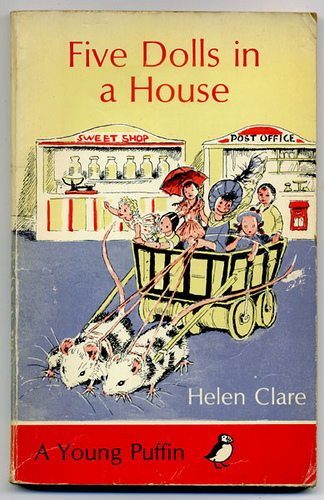
Five Dolls in a House by Helen Clare

Often books which we love as children are not classics: they just speak to us at a profound and necessary level. The 1970s must have been the great age of the library omnibus edition, as these were another book I borrowed again and again as bindups. (There were, from recollection, five in the series, and they were published in two omnibus editions.) I was passionate about my dolls as a child. They were, like books, an outlet for stories and adventure, and I loved making things for them (I still do). These simple stories about a little girl called Elizabeth Small, who is able to miniaturise herself and actually enter her dolls’ house and interact with her dolls in all sorts of eccentric situations, was the ultimate wish-fulfillment for a child who desperately wanted a dolls’ house and never got one. The dolls, ranging from a soi-disant duke’s daughter whose hair kept falling off, to a French paying guest who hogged the bathroom and refused to speak English when work was required of her, were all screams. Unfortunately, it was never quite explained how Elizabeth cracked the secret of miniaturising herself, but I lived in hope for many years.


Seven Little Australians by Ethel Turner

I was of the generation that first encountered this book via the landmark ABC serial in the mid 70s. Until then, it must have been out of print, because I remember the moment it started on the TV my mother went out and bought me a TV-tie in; it had been one of her own childhood favourites, and until then she had been frustrated that she could not get me a copy.

The model for Ethel Turner’s book is clearly What Katy Did (which was another favourite of mine—I used to lie in bed at night and recite it), but Seven Little Australians bit down far deeper into my consciousness. As a child, I never questioned the peculiar psychology behind free-spirited girls like Katy Carr and Judy Woolcott getting to puberty and immediately being crippled or flattened by trees; I just inhabited the stories they featured in, and I loved the Woolcotts passionately, every single one of them. Judy’s death scene in the slab hut (“…and with a little shudder, she slipped away”) is one of the most iconic moments in Australian literature, and I want it read at my funeral.

The TV serial, faithful to the story and clearly made with love, still holds up pretty well, too.


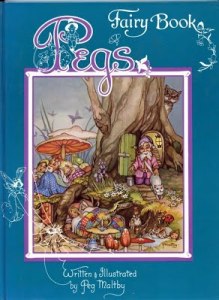
Peg’s Fairy Book by Peg Maltby

This is a book I inherited from my mother. Our copy (which my sister snaffled when our library was broken up, drat her) was given to Mum for Christmas in the late 40s, by a favourite aunt and uncle, so it’s also strongly associated in my mind with our darling Auntie Maisie, surely one of the kindest people I have ever known. I’ve included it in my list, because while it was dated even when I was a child in the 1970s, (it was published in 1944), it was one of the few books where I can honestly say I was profoundly affected by the illustrations. (I did not have many picture books; I had comics like Teddy Bear and assorted Little Golden Books, but as I progressed very rapidly to chapter books, the great picture books of the fifties and sixties sadly made very little impact on me.)

Peg Maltby’s stories of fairies and goblins in Australian setting were probably influenced by May Gibbs (I was also a great fan of Snugglepot and Cuddlepie), but are done with less subtlety and skill; the stories themselves are certainly nothing special. However the bright colours and Art Deco sensibility of her illustrations are still charming, as is her sepia linework (you can see Peg’s Fairy Book on the National Library’s website, here http://nla.gov.au/nla.obj-2600932/view?partId=nla.obj-2662970#page/n-1/mode/2up). As a child what I was particularly drawn to was their incredible detail; this detail is something that I also love about the work of my own illustrative collaborator, Cheryl Orsini. I particularly loved the goblin market, and the fairy houses, and still do. I’m sad this book is today more or less forgotten; it gave me such pleasure that for all the limitations of the stories themselves, I would love to see it come back into print.
 

Five Favourites 6: Margrete Lamond

Today Margrete Lamond remembers her five favourites from childhood.

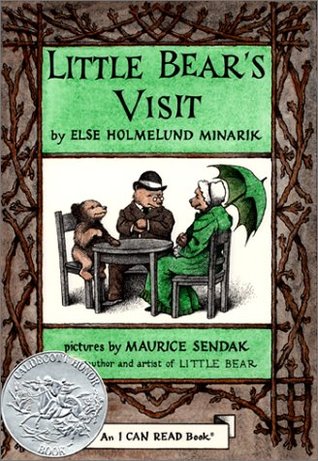
Little Bear’s Visit by Elsa Minarik and Maurice Sendak
This is the first book I remember poring over, around the age of three or four, before I could even read. The pictures fascinated me: they were friendly but also slightly weird and a little bit scary. I had to leave the book behind in Norway when we emigrated, and I only recently tracked down a first edition copy to pore over again.
The Family from One-end Street by Eve Garnett
My mother used to read to us from this book, and when I was a better reader I read and re-read it for myself. It gave me a powerful sense of cheerful poverty in mid-20th-century London. I can barely remember what it was about, but laundry and steam in the kitchen is a strong image I seem to have retained. Still have the book. Must reread!
Tørris. Gutten fra Storlidalen by Berit Braenne
A Norwegian classic, given to me on the day of our departure for Australia to remind me of the Old Country. A romanticised but also somewhat realistic account of remote mountain life in early 20th century Norway, again deeply impoverished families making do and finding joy in small things. Memories of this book are redolent with the scent of warm pine needles. Still have this book.
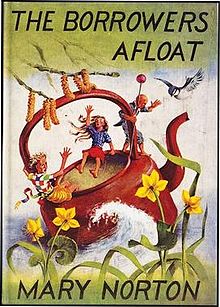
The Borrowers Afloat by Mary Norton
There was just something fascinating about their tininess, and about the inverted view of the human world that the story presented. I loved how they made do with all sorts of ‘borrowed’ items, including their funny names. ‘Homily’ sticks fast in the mind.
Longtime Passing by Hesba Brinsmead
Continuing the theme of being enamoured of stories about families struggling to make ends meet under harsh circumstances … my love affair with the Blue Mountains and the (unrealistic) romance of remote rural country life began with this book. I adored the Victor Ambrus illustrations, too. (So exciting to recently see his artwork on Time Team!)


Five Favourites 5: Adele Geras

Today, it’s the turn of Adèle Geras to tell us about her five favourites.
Is there a woman writer of a certain age who won’t have LITTLE WOMEN by Louisa May Alcott among her favourites? I don’t think so. They generally love the book because of Jo, and her burning ambition to be a writer, but for me the attraction was more the four sisters living together through good times and bad and getting irritated with one another but still remaining loving throughout.  I am an only child and this book paints a portrait of life with siblings that felt magical to me when I was very young and still does.

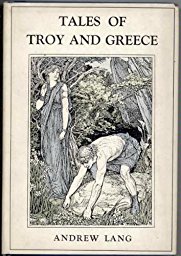
TALES OF TROY by Andrew Lang.  This book was given to me in 1951  when I was 7. It has coloured my entire life. It’s the story of the Trojan War with the most beautiful illustrations by H.J. Ford. I knew whole passages of it by heart by the time I was 8.  It was the beginning of my love affair with the legends and stories of Ancient Greece and then later, Rome. But this was the start of it and I still have the book on my shelves. It’s been a huge inspiration to me, leading directly, I think to my own books set in Ancient Greece: TROY, ITHAKA and DIDO.
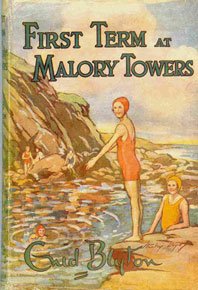
 THE MALORY TOWERS series by Enid Blyton.   I had to re- read one of these books about twenty years ago for a conference at which I spoke about them. And I was shocked to discover that (unlike Little Women and Tales of Troy) they did not stand up to adult scrutiny. They struck me as paper thin, rather shoddily written and clichéd in every way. But….but but but. I loved them with a passion as a child, and this passion didn’t dim when I went to boarding school myself and found it to be not a bit like Malory Towers. Blyton has created a world that swallows up young girls and transports them. She fills it with characters who are readily identifiable and when I was about 8, this was so enchanting that I hold the world the books made in my head  quite separately from the rather thin gruel of the actual text. That is Blyton’s magic. She created more readers than anyone before or since, except for J. K. Rowling.
BALLET SHOES by Noel  Streatfeild. Oh, my goodness how I adored this book! I’ve also read it as an adult and it’s just as good as it ever was because Streatfeild was such a wonderful writer. Here again we have siblings, albeit not birth siblings but three girls collected by an eccentric explorer with a kind heart. The whole set up struck me as thrilling. The grown ups were amazing: different from most other grown ups in books. They were bohemian and strange and did unexpected things. And the dramas of the ballet classes and the fact that one of the sisters went on to become a pilot…it was, in every way, a brilliant wish -fulfilment book and also beautifully written.  When I first read it I was determined to be a STAR and I identified with  that side of the novel  completely.
Nowadays, we have box sets. Back in the late 50s and early 60s we had series of books. I loved John Galsworthy’s FORSYTE saga but mostly at school the books that kept us  going, that we passed around the class, discussing every turn and twist of the plots till we were blue in the face, the books that preoccupied us most were the WHITEOAKS books by Mazo de la Roche.  They were set in Canada and the house the Whiteoaks family lived in was called Jalna. I can’t now recall how many books there were but they seemed never to stop. My own favourite character was Rennie, who was a dangerously attractive red-headed man and RENNIE’S DAUGHTER was my favourite of the series, though I also loved FINCH’S FORTUNE. Finch was the pale, rather more weedy and intellectual brother of Rennie, if I remember correctly. These books were, in the words of my elder daughter: heaven on a stick. Big house, slightly tyrannical matriach, lots of different siblings and assorted in – laws. Difficult children. And lots of romantic sexual simmerings. Fabulous stuff!  I have never revisited these books. I daren’t…I want the spell to be unbroken. I doubt if anyone under 60 will ever have heard of Mazo de la Roche. Sic transit gloria…

Five Favourites 4: Janeen Brian

Today’s selection of five favourites is by Janeen Brian.


The story about Ping, by Marjorie Flack and illustrated by Kurt Wiese. First published in 1933, Ping is a colourfully- illustrated story about a domesticated Chinese duck lost on the Yangtze River.

My mother read this to me when I was about four. I can’t remember any other story that was read to me by either parents. So, it’s special.


The Old Curiosity Shop by Charles Dickens.

I read, or tried to read, several chapters of this book when I was seven. There weren’t any other books in the house to read and this was on a shelf. Perhaps it had been given to one of my parents. I was sad that it defeated me, but it still showed me there were books out there.


Series of Famous Five and Secret Seven, by Enid Blyton.

Borrowed these from friends, as there no school library, very few books at home and we never went to a library. They had all the ingredients for a child wishing to be involved in dramatic events, adventures and being heroes.


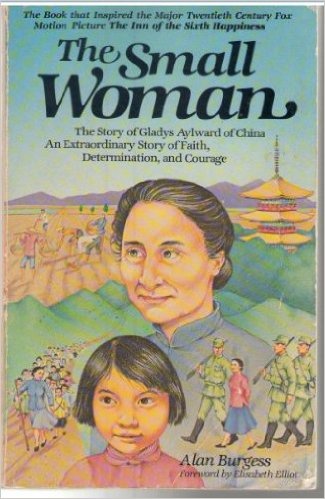
The Small Woman by Alan Burgess

A true story of Gladys Aylward, a wonderfully brave woman who surmounted incredible odds to take her strong, religious beliefs to China. It was unusual to read about a woman hero and I remember admiring Gladys immensely.


An Omnibus by Readers Digest.

Because I achieved good marks in my last year in Primary School, my parents gave me this book. I loved it because it was an anthology of stories, poems, quizzes, illustrations and articles. I’d never had anything like it. One of my favourite stories was about Houdini.


Five Favourites 3: Hazel Edwards

Today Hazel Edwards tells us about her five favourites from childhood.

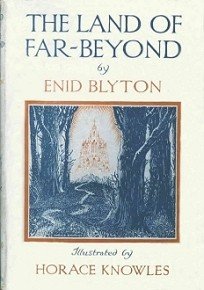
The Land of Far Beyond by Enid Blyton

My grandfather had a private lending library and the children’s section was a wall of Enid Blyton. So I devoured the Famous Five and the Secret Seven, and then moved onto flying with Biggles. I wasn’t that keen on horses, so missed out on the Mary Grant Bruce books. But the book which impacted on my early life was Enid Blyton’s ‘The Land of Far Beyond.’ This was my first experience with an allegorical story, which was a quest, and where the characters had the names of their attributes. E.g. Mr Doubt, and the giant’s page boy called Fright. Even the places they travelled matched their names.As an adult, when we orienteered on a real map with Mt Disappointment labelled, it reminded me of ‘The Land of Far Beyond.’ Because I no longer have my own copy, I Googled the title and had a feeling of familiarity as I looked at the cover on the Enid Blyton Society  webpage.  http://www.enidblytonsociety.co.uk/book-details.php?id=358
Today’s children would  consider this cover bland, but I loved the sense of a journey conveyed in the artwork.  I liked the economy of a story with several meanings and layers. But the story ALSO needed adventure and danger with eccentric characters to interest me

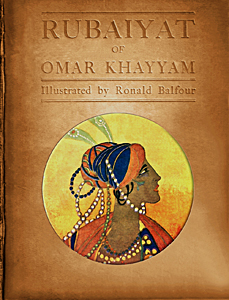
The Rubaiyat of Omah Khayyam

My father encouraged me to read. He shared ‘The Rubaiyat of Omah Khayyam’ with me by reading it aloud. I didn’t really understand it. But I liked the shape of the ideas. And the idea of a door to which there was no key. Maybe that encouraged me to co-write Hijabi Girl later.

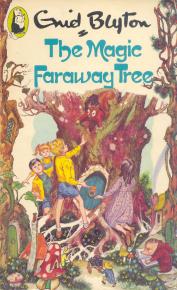
The Magic Far-Away Tree, by Enid Blyton.

The atttraction there was the food and the variety of different lands.

Animal Farm, by George Orwell

Read the other levels later as an adult. But as a child I thought it was about pigs.

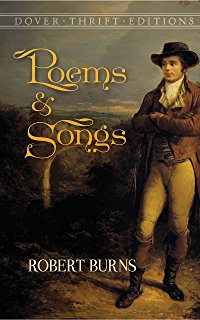
The poetry of Robbie Burns

My father read this in his Glaswegian accent and I didn’t understand a word of it, but I knew he liked it.

My other reading was Biblical stories because I went to Baptist Sunday school. So my reading was fairly diverse as a child. Now I prefer biographies and well-plotted mysteries.


Five Favourites 2: Libby Gleeson

Today’s selection of childhood favourites is by Libby Gleeson.


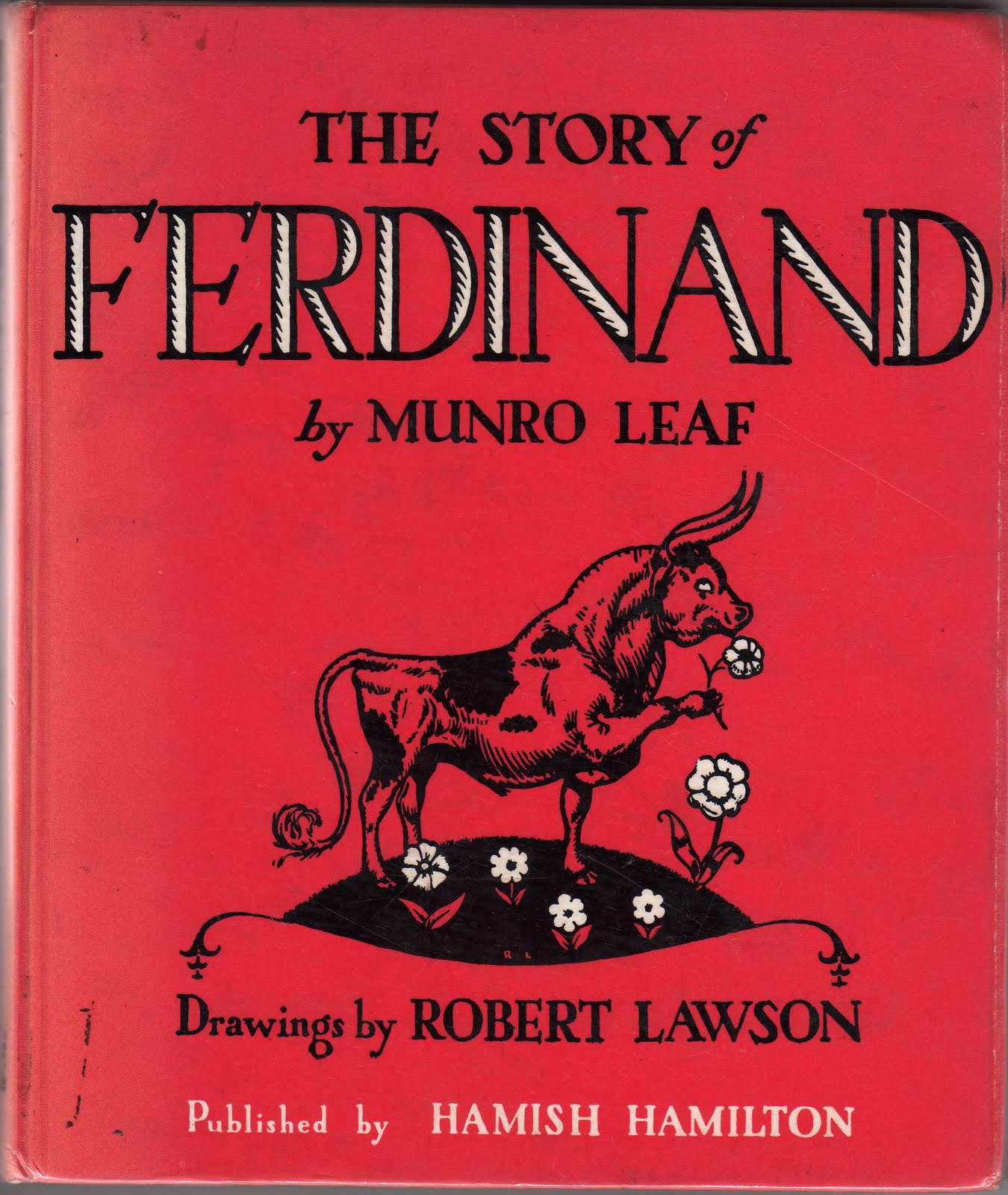
The Story of Ferdinand Author: Munro Leaf. Illustrator: Robert Lawson
        This one of a bull which didn’t want to fight in the bull ring but rather to sit and smell the flowers really delighted me. He grows up to be the biggest and strongest bull    in the field but still remains one who would rather smell flowers. He sits on a bee on one occasion and the sting sends him leaping and charging around the field and so he’s seen as aggressive and is taken to the bull ring. He still only wants to smell flowers and so those organising the bull fight are thwarted.
Anne of Green Gables. L M Montgomery

       I loved this story of a red headed outsider who was determined to make her way. Anne had been adopted by Mathew and Marilla to help on their farm but they had  thought they were adopting a boy. Despite initial difficulties, Anne – with an ‘e’ – stays and develops friendships. I loved her disdain for her classmate Gilbert, knowing they’d get together in the end.

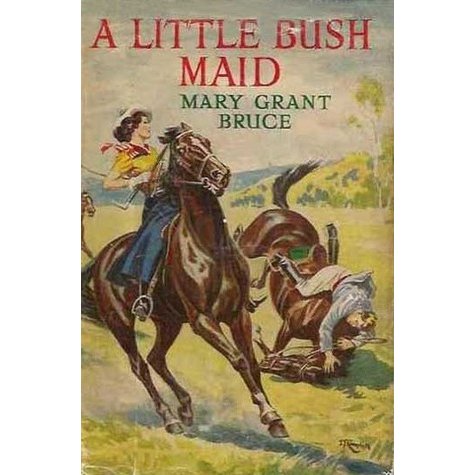
A Little Bush Maid. Mary Grant Bruce
        This is the first in the long series of Billabong Books and I devoured every one. Norah Linton is growing up on a station in Victoria in the early years of the twentieth century. She is doted on by her widowed father and her brother Jim when he comes home from boarding school on holidays. He brings his friend Wally with him and  the three of them have fairly standard bush adventures together.  Old fashioned values towards race and class persist and I remember feeling a bit uncomfortable but   I envied Norah, wild on her horse, and so I ignored them when I was a child.

The Enchanted Wood. Enid Blyton
        I read all the Enid Blyton books I could get my hands on but this is the one that stayed with me. I think it’s the best book she ever wrote – and she wrote hundreds. It’s the first in the Faraway Tree series and introduces us to Jo, Bessie and Fanny and their cousin Dick. (names are sanitised in modern editions.) The children find a tree in a wood and when they climb it they meet all kinds of fantasy creatures such as Mrs Washalot, Moonface and Saucepan Man. A ladder at the top of the tree  leads to lands that circulate so a different land may be at the top at any time. The children must leave before the land moves on from the top of the tree. I thought  it was brilliant when I was a child and I still do!

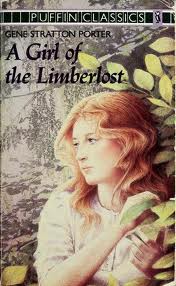
A Girl of the Limberlost.  Gene Stratton Porter
        This was my most favourite novel of my early teenage years. Elnora Comstock lives with her widowed mother on the edge of the Limberlost swamp land. Elnora is   bright and wants an education but her mother believes it to be a waste of time for a girl. Elnora fights and argues with her mother and pays for her education by gathering artifacts and moths from the swamp. She grows in her understanding of the world of nature and in her confidence as she becomes a woman. This is a dramatic, gothic novel, so unlike the sweet rolling green hills of much English fiction I read. I loved it.

Five Favourites 1: Introduction

I’m starting a new series on this blog today:titled Five Favourites, it’s about writers’ and illustrators’ favourite childhood books. I’ve asked everyone to select five favourites from their childhood reading, and to write a bit about why they loved that particular book, and I’ll be featuring their choices over the next month or so. Today I’m introducing the series with my own selection: five of my favourite books from childhood, not in any particular order of preference, I loved them all equally–and love them still. One I have left out however is Jules Verne’s Michel Strogoff, which as readers of this blog will know is one of my top favourites from childhood–but I’ve written about it so often that I thought I’d give another book a chance today in this list!

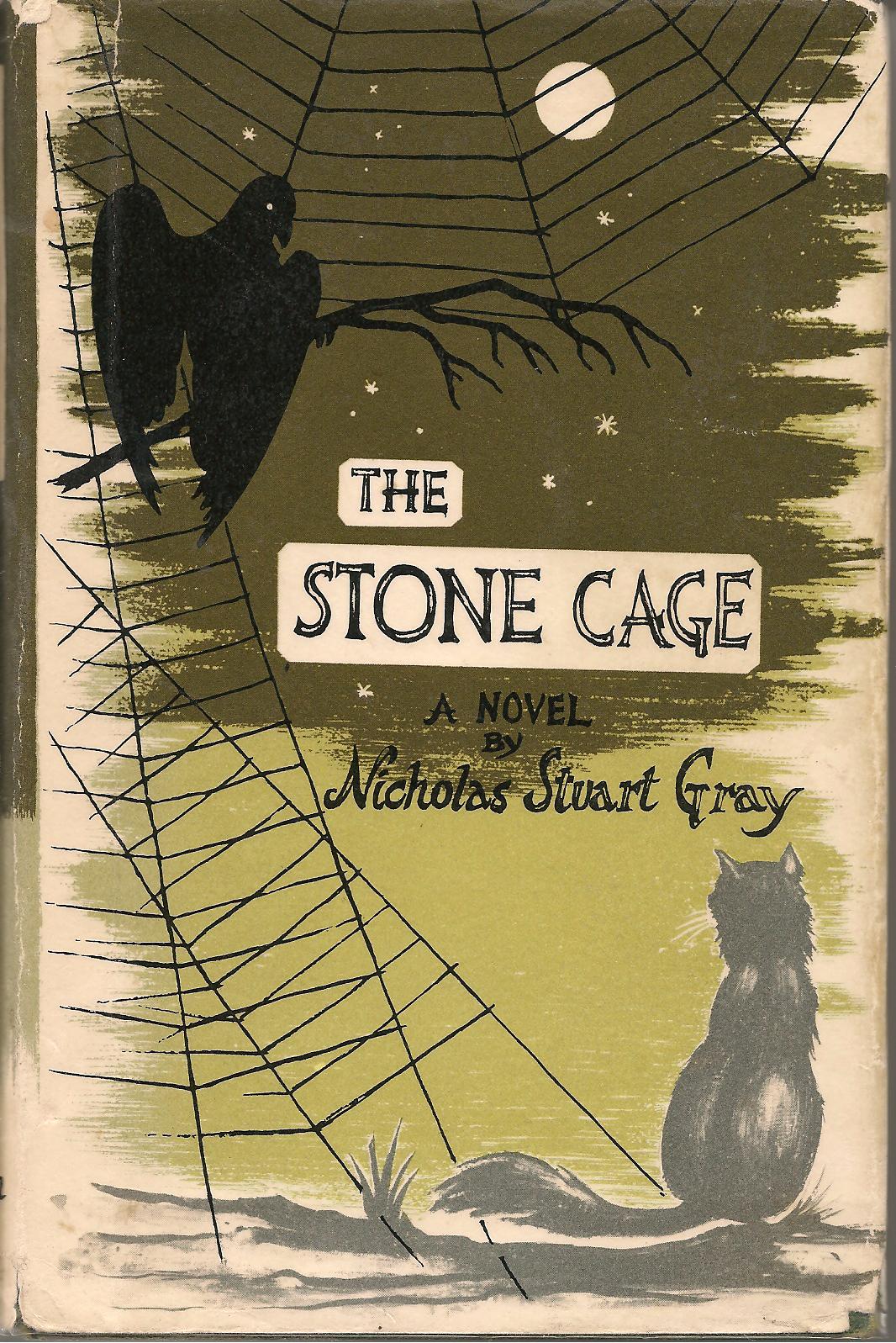
The Stone Cage, by Nicholas Stuart Gray, with illustrations by the author

This wonderful novel is an inspired riff on the fairy tale Rapunzel, seen through the eyes of the witch’s familiars: the cynical, witty and hard-bitten cat Tomlyn, and the pompous, timid but kind raven Marshall. Magical, touching and inventive, with a touch as light as it is deep, it’s a novel I read several times as a child, its enchanting atmosphere and pacy story thrilling me every time. Rereading it as an adult I have been struck anew by its beautiful lightness of touch, perfect pitch and wit.


Seven Crystal Balls/Prisoners of the Sun, written and illustrated by Hergé

I know, it’s two books but it’s really the one adventure in two parts, so I’m putting them both in as one. Brought up as a French-speaking child with BD (bande dessinées, or comic books), I especially loved the Tintin books and devoured every single one more than once. But this adventure of the little quiffed reporter and his faithful friends Captain Haddock and Snowy(Milou in the French original I read) with its hint of the supernatural along with the exciting adventure and humour that is so characteristic of the series, was my top favourite. I still love reading it–and indeed all the Tintin books–and find them a great comfort if I am ill!


Finn Family Moomintroll, written and illustrated by Tove Jannsson

I loved all the Moomintroll books but I am singling out this one because appropriately enough it was the first one I read and I immediately clicked with the atmosphere, characters and general sense of a world that you just didn’t want to leave. Its playful oddness was a part of a magic that was hard to describe to friends who hadn’t fallen under its spell yet, but it’s one that has stayed with me into adulthood.


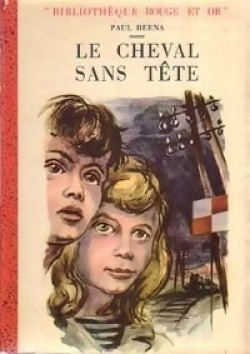
A Hundred Million Francs, by Paul Berna

This French novel, which I read under its original title of Le Cheval sans tête, is unusual as a children’s adventure story in that it is set in shabby city streets–Paris, in this case. A group of friends, street urchins running wild in a poor neighbourhood, find a headless rocking horse at the tip and restore it to play with: but soon discover that their new acquisition interests some very dodgy people! How the kids find out the truth and outwit a ruthless gang of thieves is a story full of twist and turns and I loved it. The characters, like Gaby the leader of the urchins and Marion with her pack of stray dogs, are absolutely fabulous and the setting of backstreet Paris was one that felt both familiar and exotic to me, as my family comes from the South of France and at the time I had never been to Paris.


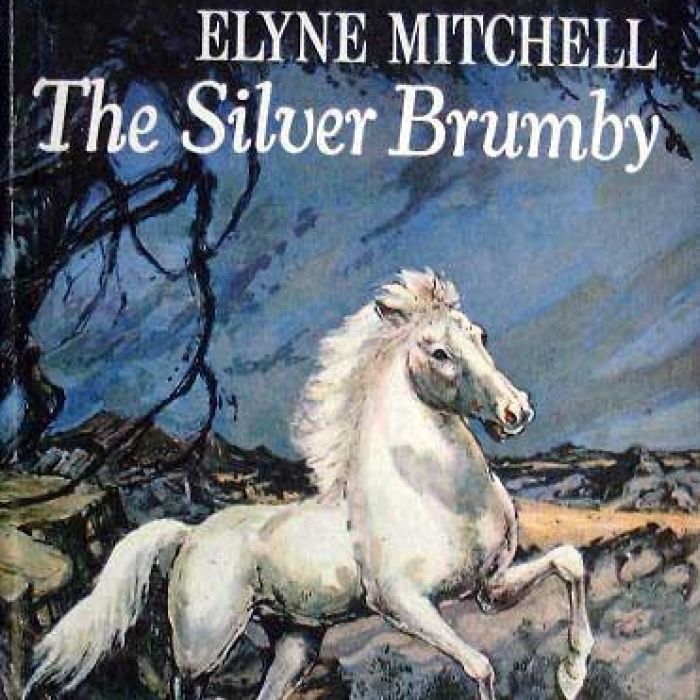
The Silver Brumby, by Elyne Mitchell

This was one of the wonderful classic Australian novels I discovered in childhood and I still remember the huge thrill of reading about the extraordinary adventures of Thowra, Bel-Bel, Yarraman, Golden and the rest of the brumbies in the grand Snowy River country. I loved horses as a child and even learned to ride, but I didn’t really take to most horse books, finding them too tame–until I found The Silver Brumby. Then I had to read every one in the series but the first one remains my favourite.