Small Beginnings 16: Gillian Rubinstein(Lian Hearn)

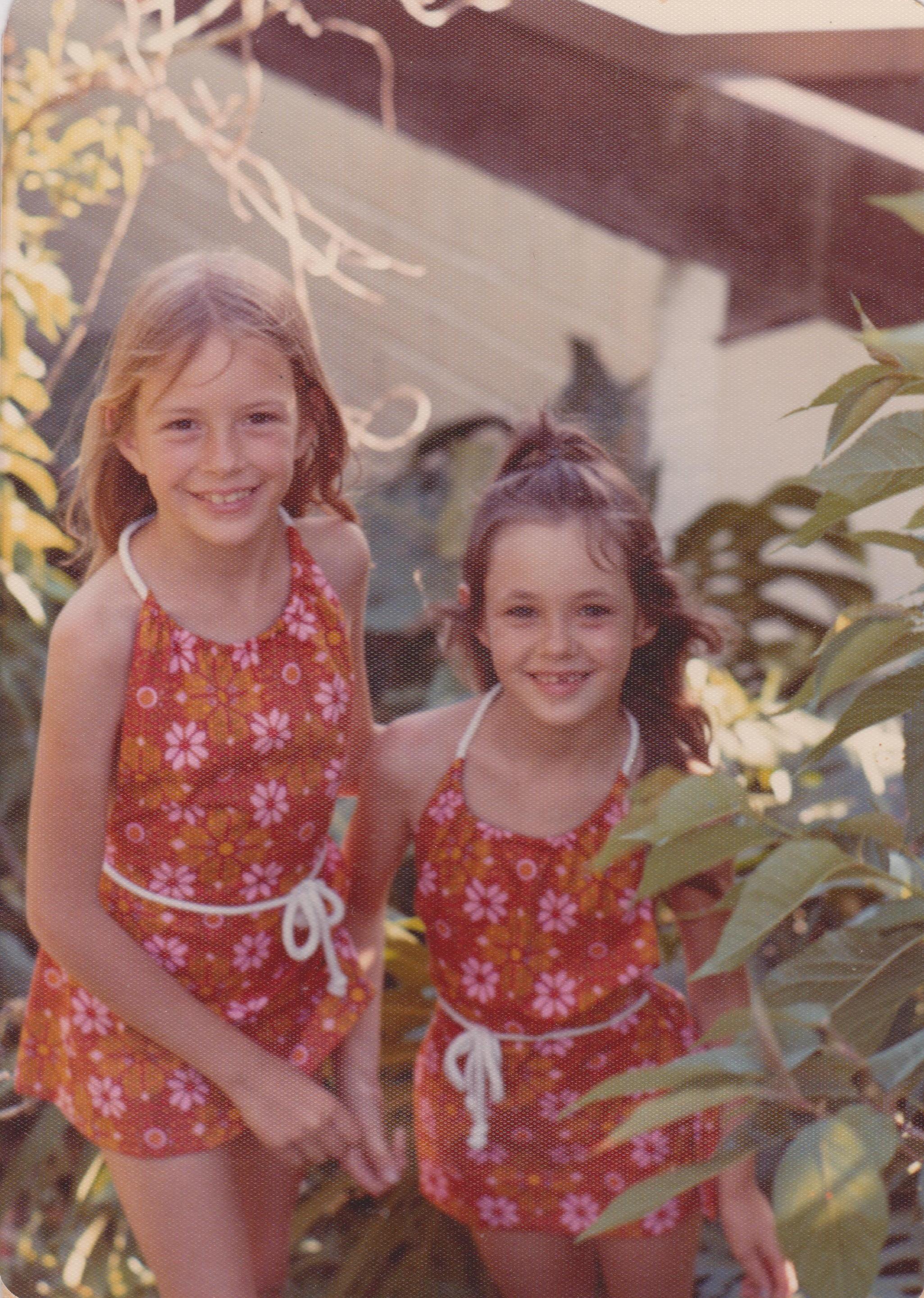
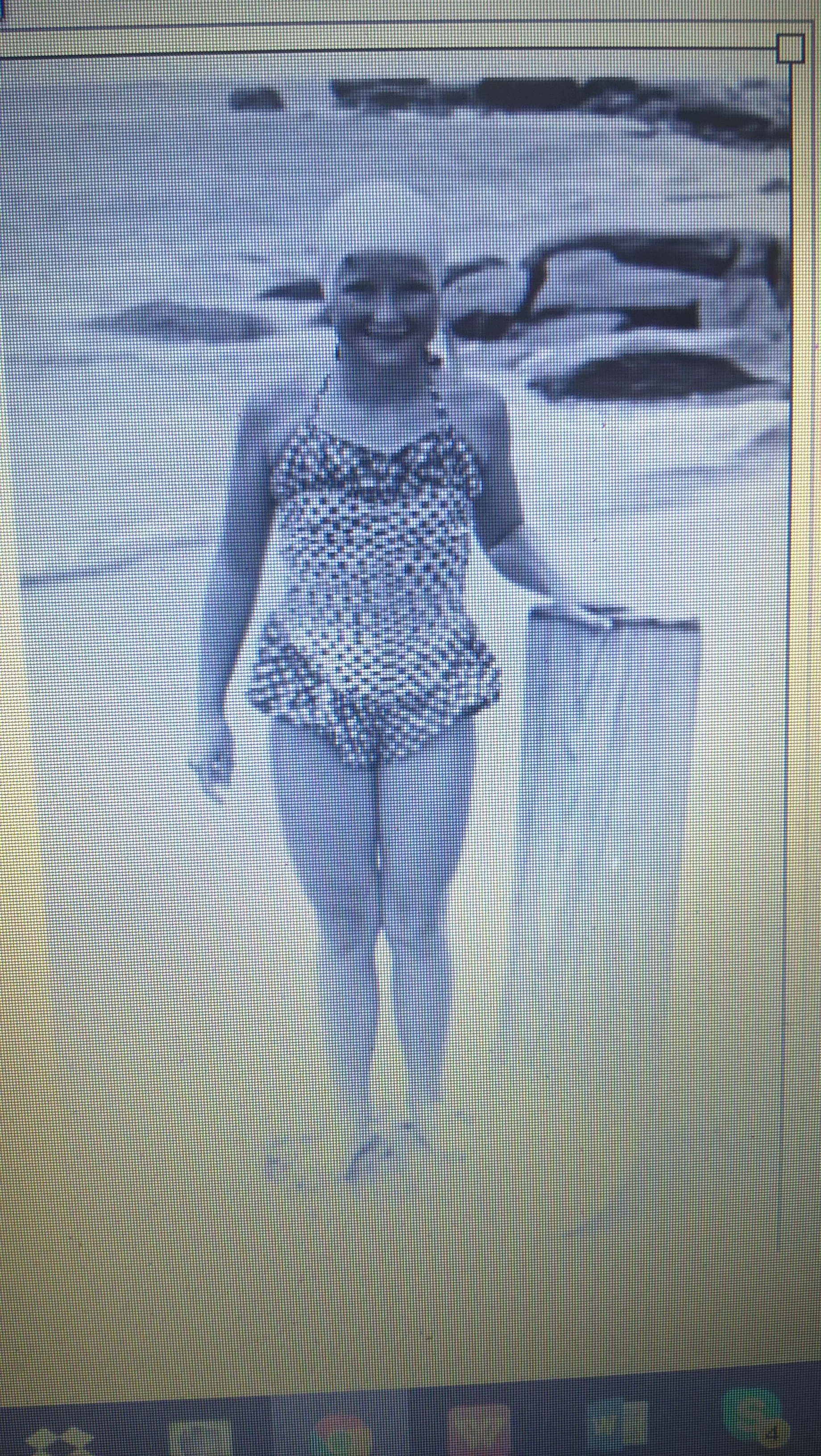
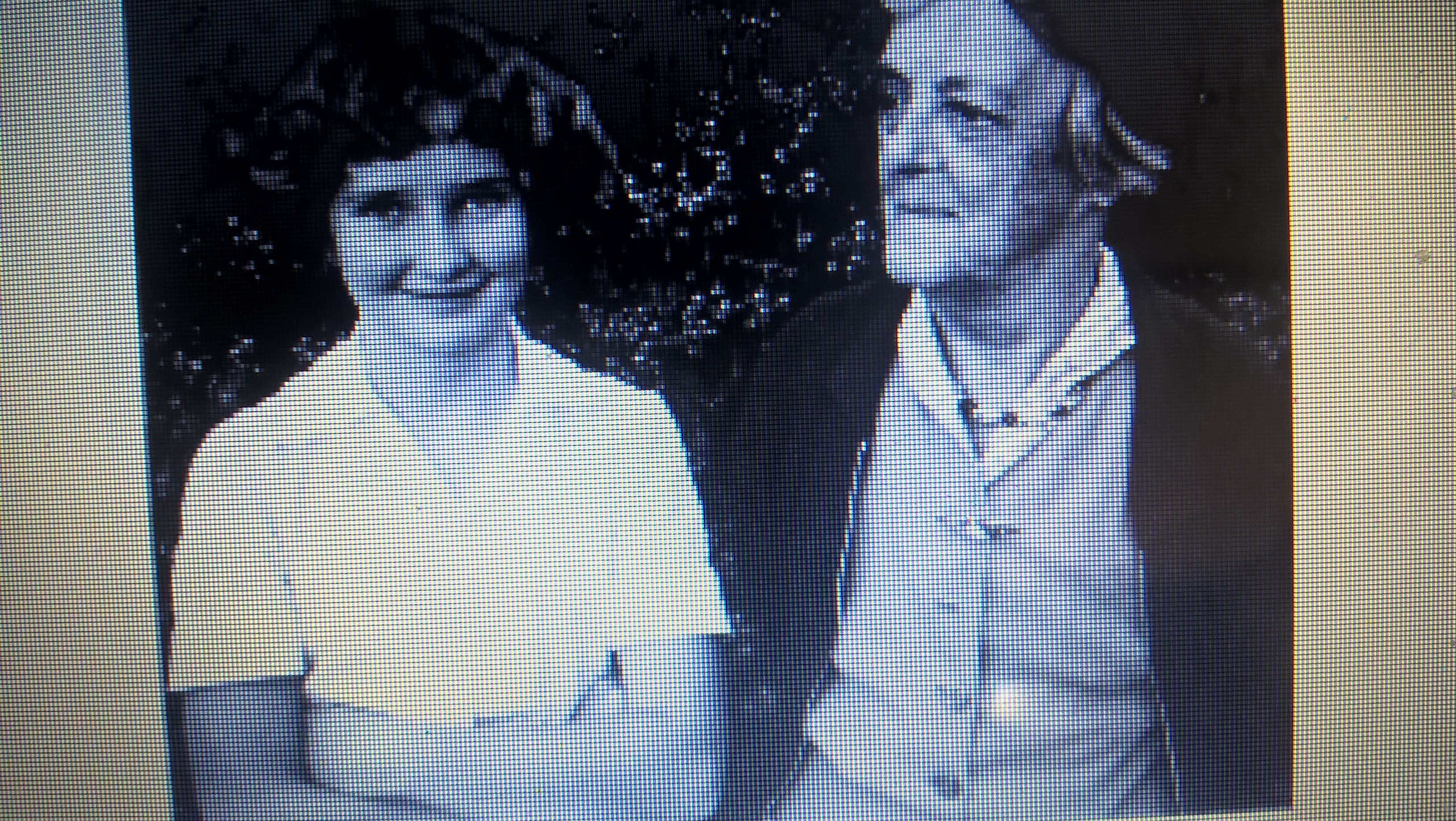
Jocelyn & Gillian

With my sister

My father loved poetry and had a store of favourite lines. He also knew a lot of Shakespeare by heart, and all the words to Gilbert and Sullivan songs. Books on the shelves that influenced me – because I read them over and over again – included the blue bound Oxford Books: Light Verse, Ballads and English Verse. Many I didn’t understand, some I found boring, others remained mostly unfathomable, being in dialect. But I loved their mystery and their fierce emotions. My favourite poems were Sir Patrick Spens, the Golden Vanity and the Lyke-Wake Dirge.

Making up rhymes came naturally to me. Some are still famous in my family – an early masterpiece for example about Jim my friend (a dog). I made up stories but mostly it was too much trouble to write them down, so my friends and I played them out sometimes over weeks.

Fragments of poems I wrote still remain in my memory. This is from an epic on the coming of the Romans to Britain (I was 12)

Just after dawn we came in sight of land

Dim in the morning mist on either hand

Lay strange white cliffs rising up from a stony shore

The rest has disappeared, except for the final line:


And we followed him and that great eagle on the standard that he bore

Just before my 15th birthday I went for my first time to Nigeria. I would spend six weeks here every year for the next seven years. It was only two months since my father’s sudden death. I wrote a poem about vultures which appeared in the school magazine.

But the glory of it when they fly

Carving circles in a lapis lazuli sky

In utter timelessness they wheel and climb

Their element is eternity not time.

Drifting on air, effortless and slow

The vultures fly and men below

Go on living and loving and dying

Blind to the beauty of the vultures flying.

Family

Family

When I was 15 I won a prize (3rd) at school in a short story competition. My story was about a man who becomes a priest so he can kill his lover’s husband and not be punished beyond being excommunicated. But he finds his true love is God, so his punishment in the end becomes worse than death. The judge’s comment was ‘write about what you know’. But I’ve never really followed that advice.


Gillian Rubinstein was born in England and has lived in Australia since 1973. Her first book, Space Demons, was published in 1986 and she produced many works for children of all ages until 2002, when the first book of the Tales of the Otori appeared under the name Lian Hearn. As well as the five books in this series, she has also written two historical novels set in 19th century Japan. Her latest book is The Tale of Shikanoko which is coming out in two parts in 2016: Emperor of the Eight Islands  and Lord of the Darkwood.

Small Beginnings, 15: Belinda Murrell

Me(left) and my sister Kate(right)

Me and my sister Kate

I grew up in a household full of books. I am the eldest of three children and we were the sort of kids who would dress up as our favourite characters and have sword fights up and down the stairs, or creep through the undergrowth pretending to have adventures. We were often in trouble for falling asleep over our schoolbooks after staying up half the night reading, or getting caught with a book hidden on our laps during maths class.

As a child I read voraciously, borrowing piles of books from both school and the local library every week. We were so lucky because, while we didn’t always have lots of money, my parents always bought us books as presents and rewards. I read stories about ponies, adventure, mystery, fantasy, history, animals, romance, spies, fairy tales and the classics – in fact pretty much anything I could get my hands on.

My very favourite authors were Enid Blyton, particularly the Famous Five and Magic Faraway Tree series, and CS Lewis, and his magical Narnia books. My absolute favourite was probably The Lion, The Witch and The Wardrobe. It was these beloved books which inspired me to start writing when I was about eight.Treasury of poems
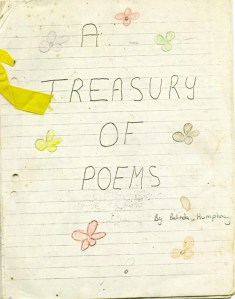
I wrote poems and plays, stories and novels that I wrote in exercise books which I’d illustrate by hand. My early ‘books’ had colourful covers, title pages, and were apparently ‘published’ in Paris, London and New York, as well as the North Shore of Sydney!! I also co-authored a number of stories over the years with my younger sister Kate, although she swears I always made her cry by completely re-writing her work with my red pen.

All through school I kept writing stories and poems, and was often thrilled to have them published in the school newsletter. My parents always encouraged my writing, and my mother would often ask us to write a story or a poem as a present for my grandparents or family friends.

I often say that I had the best childhood in the world – a childhood filled with love, adventures, joy and books. So perhaps that is why all three of us grew up to become published authors. My sister Kate Forsyth, is the internationally published, best-selling author of more than 35 books, while my brother, Nick Humphrey, is a lawyer, who has also written ten best-selling business books. One of our greatest joys is still to get together and talk about the books we are writing.

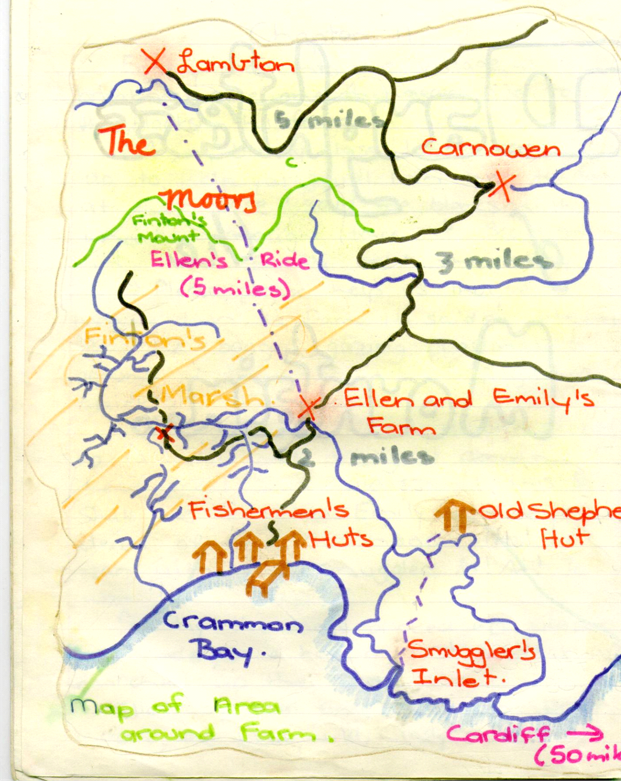
I believe that the books that I loved as a child inspire my writing now. Books that make you laugh out loud, or cry with grief and keep you up all night reading. Books full of adventure and mystery, with characters who are like best friends. Most of all, I hope my books create that magical sense of slipping into another fascinating world, just like Lucie Pevensie when she stepped through the door in the back pnovel 14 mapof the wardrobe and discovered Narnia.

Poem written when I was about 10

My Retreat

Once I found a secret place

Of light and shade and filtered sun

I always seek that secret place

When there is thinking to be done

The fronds of willow brush my face

The soft green grass beneath my feet

And here and there a dairy face

Or buttercup or violet sweet

I’ll always love my secret place

The babbling brook, my tree trunk seat

And if my troubles I can’t face

I’ll hasten back to my retreat

  • Belinda Humphrey


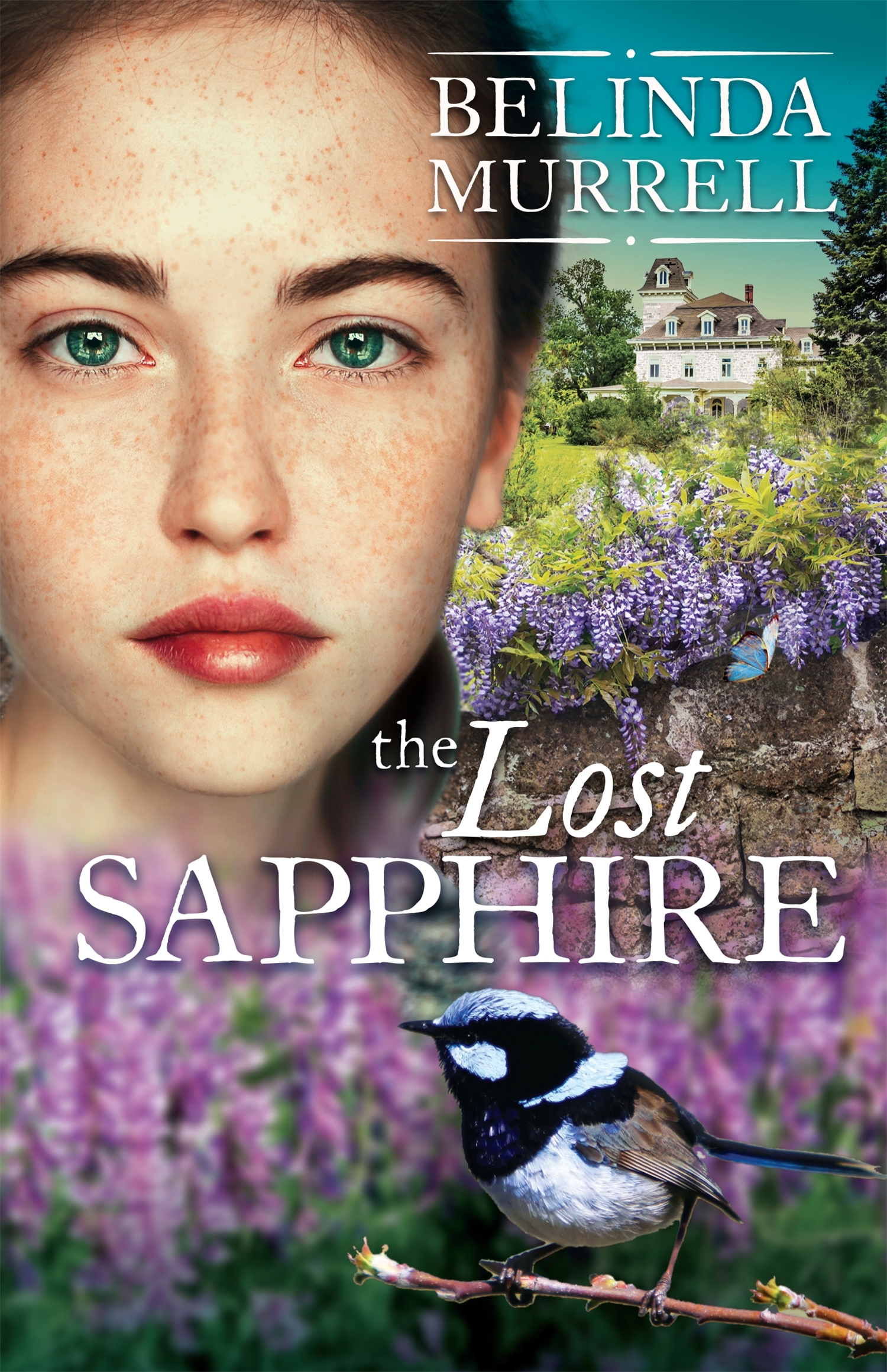
Belinda has just finished writing her 27th book, called The Lost Sapphire.

What is the fascinating secret of a long-lost sapphire ring?

Marli is staying with her dad in Melbourne, and missing her friends. Then she discovers a mystery – a crumbling, abandoned mansion is to be returned to her family after ninety years. Marli sneaks into the locked garden to explore, and meets Luca, a boy who has his own connection to Riversleigh.lost sapphire
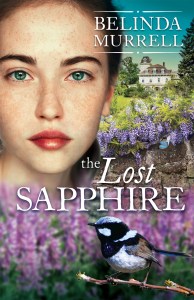
A peacock hatbox, a box camera and a key on a velvet ribbon provide clues to what happened long ago . . .

In 1922, Violet is fifteen. Her life is one of privilege, with boating parties, picnics and extravagant balls. An army of servants looks after the family – including new chauffeur Nikolai Petrovich, a young Russian émigré.

Over one summer, Violet must decide what is important to her. Who will her sister choose to marry? What will Violet learn about Melbourne’s slums as she defies her father’s orders to help a friend? And what breathtaking secret is Nikolai hiding?

Violet is determined to control her future. But what will be the price of her rebellion?

Belinda Murrell – Children’s Author

At about the age of eight, Belinda Murrell began writing stirring tales of adventure, mystery and magic in hand illustrated exercise books. Now Belinda is a bestselling, internationally published children’s and YA author with a legion of loyal fans and a history of writing in her family that spans over 200 years. After studying Literature at Macquarie University, Belinda worked as a travel journalist, editor and technical writer. A few years ago, she began writing stories for her own three children – Nick, Emily and Lachlan. Her 27 books include The Sun Sword fantasy trilogy as well as the popular Lulu Bell series for younger readers. She is also known for her collection of historical timeslip tales including The River Charm, The Locket of Dreams, The Forgotten Pearl, and The Ivory Rose, which have been recognised by various awards, including Honour Book KOALAS 2013, shortlisted KOALAS 2015, 2014, 2011, and 2012, CBCA Notable List and highly commended in the PM’s Literary Awards. Her latest book The Lost Sapphire is set in Melbourne in the 1920s. Her website is www.belindamurrell.com.au

BM On rocks

Small Beginnings, 14: Sheryl Gwyther

Small Beginnings–in the wilds of far north Queensland, by Sheryl Gwyther

With sisters and cousin--I'm the cheeky one!

With sisters and cousin–I’m the cheeky one!

Is creativity part of our genetic makeup? Perhaps. But I know for sure – living an unrestricted, happy-go-lucky childhood in far north Queensland in the early 60s was the genesis of my creative life.

I’ve always made things, even when I was small – from doll-houses out of cardboard boxes and miniature furniture out of matchboxes, drawing and painting pictures, to building cubbyhouses in trees that doubled as Tarzan’s home, pirate ships, smugglers’ caves, dragon lairs or a princess’s castle.

My younger sisters (Meryl and Robyn), and I didn’t own many kids’ books. Our Aladdin’s Cave was the Innisfail public library in far north Queensland. It’s where I discovered the joys of Narnia and Enid Blyton el al, and where my journey to being a writer began.

Those stories fed our adventures. Being the eldest of a mob of sisters, cousins and neighbourhood children meant I instigated and led many escapades. We roamed the streets and the scrub surrounding our town on the weekends, dodging ticks, taipans and cane toads, the smell of burning sugarcane in the air – only coming home to eat and sleep.

We were Tarzan swinging from ropes strung in the neighbourhood’s huge tropical fig tree; the Swiss Family Robinson on their deserted island; pirates and smugglers, cowboys and Indians. I told ghost stories to scare the hell out of the littlies; and wrote stories about princesses and witches which we acted out, with me bossing everyone around, of course.Night_page1_writing

Once I pretended to be a journalist – that idea likely came from observing Lois Lane in an early Superman movie we’d seen at the Saturday matinees. I interviewed the milkman and the rubbish-man, with my trusty spiral-bound notebook (bought especially for the occasion) and a pencil behind my ear.

Then one day, at 11-years-old, I discovered a small book my mother had kept from her college days. It was a play about Lady Jane Grey who in 1554 was beheaded after being Queen for a few days – the first time I’d seen the format of how a script was written. What an epiphany! All you had to do was follow the directions.

I guess I must’ve been an over-zealous director. Or the antiquated dialogue was too much. The neighbourhood kids disappeared, then the cousins – until just before we were to put on the play under our stilt house with its hard dirt floor, the only actors left were my two sisters and I. Luckily, the lure of dressing up in costumes was enough Night_page2_writingto enthral and keep them.

The show went on. We gave up trying to follow the play’s real script, making up the words as we went, with great hilarity, giving Lady Jane Grey (me, of course) a truly dramatic send-off.

Memories that spark images in my brain, that feed my stories, even today.

My home territory--crocodile country

My home territory–crocodile country

Small Beginnings 13: Emma Viskic

Aged about 12

Aged about 12

I grew up in a half-built suburb on the outskirts of Melbourne. Stories lurked everywhere: in the swamp at the bottom of the hill, the building sites surrounding my home, and the endless, awkward hours at school. Once I learned to read, I began writing the stories down. As an eleven-year-old heathen, I talked my way out of the weekly RE class in order to write in the library. Those hours bashing away on the librarian’s clunky Olivetti typewriter were my happiest at school.

Photo on 21-05-2016 at 7.55 pm

From the ms in question!

I wrote everything: fantasy and science fiction, thrillers and spy stories, including a John le Carré rip off, complete with atrocious English accents: “Beany, the drug operation’s gone rotten, the tip off was a bad egg, a no goer.” But a common thread ran through it all, and is still central to my work today—the observing outsider. In going through my writing for this blog, I unearthed a story from primary school about a blind man; one from my early teens with mute protagonist; and, from my late teens, one featuring a girl who becomes invisible: I spent the day watching, observing others’ blindness of me. I was unnoticed, unseen. I was invisible. I said not one word the entire day. No-one noticed.”


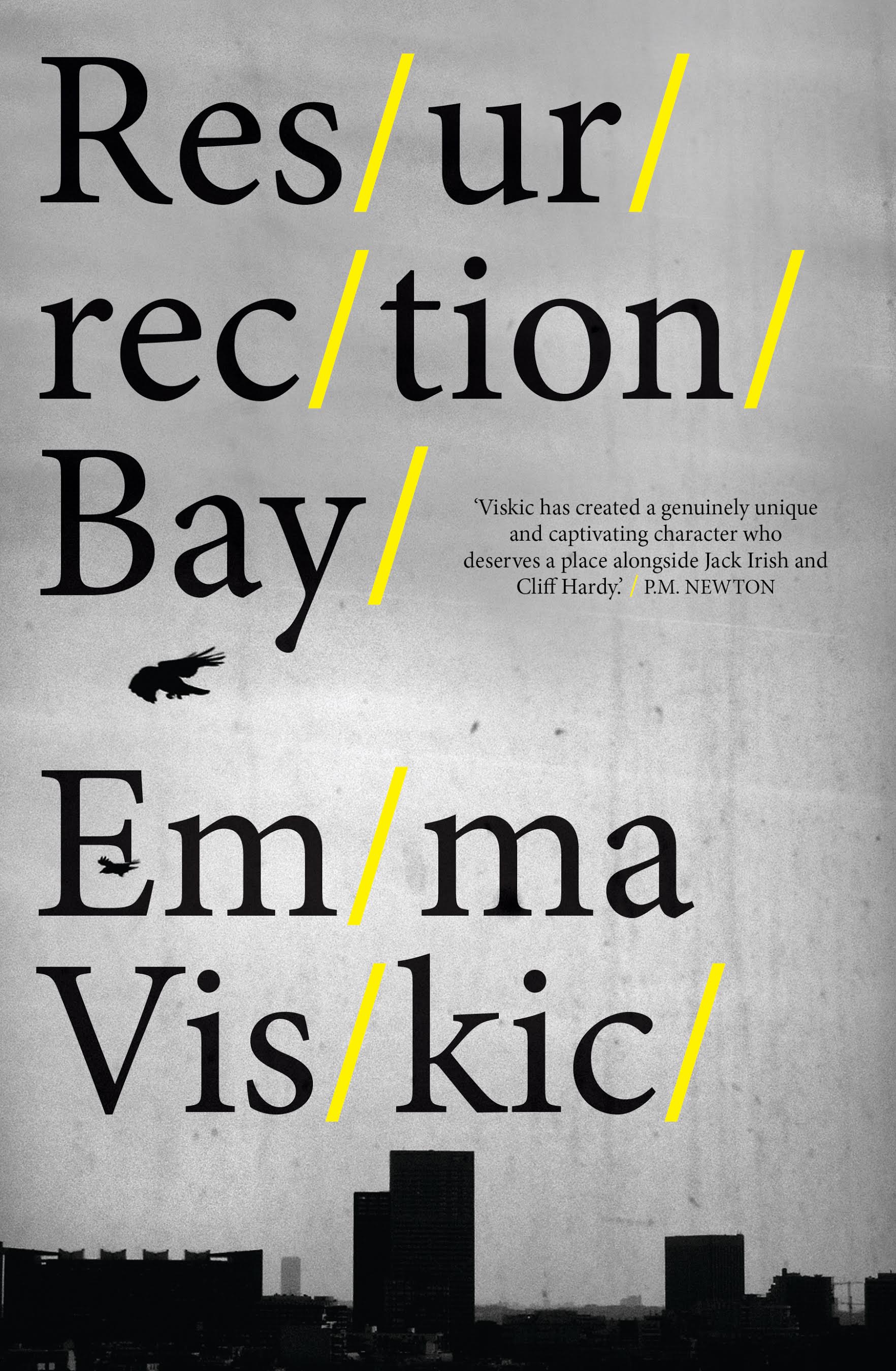
Last year my debut novel, Resurrection Bay, was published. It features a profoundly deaf detective, Caleb Zelic, who, to quote the blurb, “has always lived on the outside – watching, picking up telltale signs people hide in a smile, a cough, a kiss.”

Put together like that, it all looks a bit troubling, but luckily I’m a writer, so I get to call it a unifying theme.Res Bay cover

Emma Viskic is the author of the critically acclaimed crime novel, Resurrection Bay. She has won the Ned Kelly S.D. Harvey Award, and the New England Thunderbolt Prize for her short form fiction, and been published in Review of Australian Fiction and Award Winning Australian Writing. Also a classical clarinettist, Emma divides her time between writing, performing and teaching.
emma-viskic-author-2

Small Beginnings, 12: Felicity Pulman

FP early writing_0002I began writing stories in primary school, using exercise books stolen from the classroom stationery cupboard.  I’ve always loved stories but, growing up a long time ago in a small town in Africa, books for children were expensive and not readily available and so, when I ran out of my own, my friends’ books and library books to read, I wrote and illustrated my own stories and poems.

I loved Enid Blyton’s boarding school stories, and this illustration comes from ‘Belinda Joy at The Towers’. (Unfortunately it’s copied in black & white so you can’t see the green dresses, trees and grass which are still vivid in the original.) Ironically, Belinda’s first letter home reads ‘Dearest Mum and Dad, I love it here …’  My boarding school sagas stopped when I actually went to boarding school some 200 miles away in Salisbury (Harare), aged 11.  The reality was so awful, so very different from what I’d read about, that I rather lost faith in stories, and these stories in particular.

What amuses me, looking back on them, is the sorts of activities I gave my characters. My elder sister’s wedding was mixed up with ice skating (the most exotic thing I could imagine from tropical Zimbabwe!) and playing tennis – both sports played within a couple of pages. Clearly I had no real concept of climate or geography, but at least I was still making use of my own observations and experiences!

Learning to surf on annual childhood beach holiday in Natal

Learning to surf on annual childhood beach holiday in Natal

Another huge favourite was The Magic Faraway Tree, which has influenced me throughout my writing career.  I was always on the edge of my chair waiting for the characters to be trapped when the land at the top of the tree moved on, taking them with it – as it inevitably did!  I realise now how powerful was the influence of these novels, as most of my stories are about finding a home, trying to fit in and to belong somewhere. And pervading most of my writing is my early indoctrination in all things English.

In the Shalott trilogy, five teenagers find themselves trapped in medieval Camelot after fooling around with a Virtual Reality programme (shades of The Magic Faraway Tree!)  In the Janna Mysteries (now released as the Janna Chronicles) Janna is left alone and abandoned in 12th century England at the time of the civil war between King Stephen and the Empress Matilda. And, exploring my love of magic and fantasy, history and legend, are tales of ghosts (Ghost Boy & A Ring Through Time, both set partly in Australia’s past) and my latest novels (for adults) I, Morgana and The Once & Future Camelot, which are a partial rewriting of Arthurian legend – and what came after!

Fashionable new perm, with grandmother

Fashionable new perm, with grandmother

My biggest regret is that my loss of faith in telling stories lasted through my teenage years and through my early married life, and it was only in my forties that I once again found the joy of creating characters and writing their stories. But my early childhood reading, perhaps combined with my experience as a migrant coming to Australia shortly after I was married, has left an indelible mark. Thanks to Enid Blyton’s stories I learned to read at an early age and also discovered the joy of writing stories of my own – a blessing, but also a warning, perhaps, to be careful what you choose for your own children and grandchildren to read!

Although it took me a long time to recover the joy of writing stories and to take my ‘hobby’ seriously, I’ve discovered that my imaginary life is sometimes far more real (and rewarding) than my real life as I travel to far off lands and become the person I’d like to be (depending on which character I’m writing!)

www.felicitypulman.com.au
Small Beginnings, 10: Libby Hathorn

I can’t really remember much about a time when I couldn’t write. Grasping the pencil and making marks on a page that meant something, that could be read out loud, again and again, could be kept returned to and built on- was a wonder to me from the beginning. In a family of four kids in a small house in the suburbs, I found refuge quite often behind the lounge where I could sit with pencil and paper undisturbed for a while at least, and write ‘poems’ at first.

I think I was in first class when I presented the family with an alphabet that rhymed precariously. Then modelling on poems our parents read- from a singular treasury of verse of my father’s that ranged from bush verse to the English romantics and had had pride of place on the bookshelf, I began writing more ambitious poetry.  This as well as first stories-   I remember staying in the classroom at playtime when in Year 2 to complete my story I was so entranced with it, and then being commended for it. It caused me to write some twenty versions of that story It was only a dream…and then regale my long suffering family, stray aunts and uncles or grandparents who might be staying being included . May Gibbs may have contributed to some plot lines. It was my ‘bossy nanny’ the grandmother I both loved and feared, who said to me quite seriously after reading something I’d written aloud that ’one day Elizabeth you will be a writer!’ I think that kind of acknowledgement so early, that is some one believing in you, is significant.

Paper was precious and we used old exercise books from school that had not been completely filled to draw and to write. Unfortunately, during an annual clean up of the bedroom shared by three girls, all our precious junk, including my exercise books and papers were jettisoned while we were at the Saturday afternoon movie enjoying yet another Esther Williams or Yul Brynner movie! I was heart-broken then and I would be now, as what goes before has significance with what one is writing now. But I guess I must have not been completely deterred from forging on because in grade 3, I entered a competition to write a short story with the title of The Storm. The competition was run by a big department store, David Jones, in Sydney that actually had an art gallery on the top floor and must have in those days, valued the arts. The written piece of some 5 or 6 lines won a purple certificate and I treasured that award for many years. I must have secreted it somewhere to avoid clean ups for only recently I found my handwritten (dip penned) entry, The Storm, and smiled to myself to think that my very first young adult novel was also about a storm. Thunderwith  that remains in continuous print after some some 27 years, became the movie that took me all the way to Hollywood, The Echo of Thunder with Judy Davis starring, was set in the Australian bush in stormy weather, both physical and emotional.

Small beginnings…I’ve tried to consider what makes someone a writer and why my ‘bestie’ in Year 7 in a library lesson (where books and their authors were kept behind glass) made a small book out of scraps of paper entitled The Book by famous author E K Rage – a pseudonym I am still to use. That at 12 to be a writer was an impossible dream and yet once I read beyond school texts (though grateful for the rich heritage of English literature studied at school), poetry writing began in earnest. It marks my life and does not need publication to help me try to make meaning of the world though it’s fair to say that poetry feeds every story I have written or am to write. Perhaps having poetry read aloud in that small bedroom when I was really young was my lucky small beginning.

Libby in gardenn 2016

About Libby Hathorn:


Libby Hathorn is an award-winning author and poet of more than fifty books for children and young people. Translated into several languages and adapted for stage and screen, her work has won honours in Australia, United States, Great Britain and Holland.


Libby was recipient of a Centenary Medal 2003 for her work in children’s literature. In 1994, her picture book Way Home was the winner of the Kate Greenaway Award, UK with illustrations by Greg Rogers.

In 2012 she was a National Ambassador for Reading and travelled to many country towns to talk about Australian literature as she has done in her role as Australia Day Ambassador since 1994.


In 2014 she was winner of The Alice Award, a national award for ‘a woman who has made a distinguished and long term contribution to Australian literature.’  With a deep interest in literature, poetry continues to inform her life and her writing.

 
Libby loves poetry. Reading it, being inspired by it, reciting it, teaching it, writing and dreaming about it. Many of her novels and picture books are inspired by poetry entirely. 
 

Her first young adult novel Thunderwith was made a movie (starring Judy Davis who was nominated for an Emmy for her performance as Gladwyn) by Hallmark Hall of Fame and this book enjoys over 27 years in continuous print. Two picture books Grandma’s Shoes and Sky Sash So Blue have been performed as operas; the first in Sydney and the second in Birmingham, Alabama. She is currently working on a libretto for her recent picture book Outside.


Libby’s latest picture books are:- Incredibilia (Little Hare 2016) and in the year of the centenary of the Battle of the Somme A Soldier, a Dog and a Boy (Hachette 2016); Outside was named a Notable Australian picture book by the CBCA, 2015 (Little Hare, 2014).


Her most recent novel is Eventual Poppy Day (Harper Collins, 2015); and her first young adult novel (1989) Thunderwith (Hachette) was updated with a new cover in 2015.


Small Beginnings, 9: Janeen Brian

Story written at about age 6

Story written at about age 6

Early indicators that I would end up making my career as a children’s author are few and far between.

Tiny flashes of excitement in Year 2, when I discovered the magic of decoding the word sister on my own from the blackboard; the sound of poetry read by the Year 7 teacher, (I think, Silver  by Walter de la Mare–below); the only teacher who gave us anything else to read other than the traditional school readers, one anthology to be read by all; the joy of creating a play about Robin Hood in Year 5, (with me in the starring role, having made my own blunt  arrows from almond tree prunings), but beyond that, nothing until high school.

At high school I was in a dilemma. I wanted to be involved in activities, but the school was large and the numbers of loud and seemingly-confident kids, overwhelming. However, because of our kind, nurturing Year 8 English teacher, I tentatively wrote a class play about her and the funny things that happened in school life. It was performed in class time and

Dressing up for a play, aged about 11

Dressing up for a play, aged about 11

enjoyed.

My Year 11 English teacher was, in hindsight a radical Irish man who worked hard to stimulate his English class, and I adored him. I’d been brought up to be a listener rather than voice my opinions, but once, when I spoke up and shyly explained why I thought the poet had chosen particular words to convey a feeling, he praised my comment for its insightfulness. That both stunned and heartened me. And it opened my eyes to the possibility and the power of words.

Fast forward. I began primary teaching aged eighteen and by twenty I was rushing home to type up, on a manual typewriter, a children’s story called Little Blue Pig.  It was about a pig that’d been born blue. Unable to fit in with his pinkish family, he finally found acceptance in the sky where a special shade of blue had vanished. Time was running out. A rainbow was due at ‘half-past-Wednesday’. Finally a Rainbow Helper discovers Little Blue Pig, sitting alone beside a tree. The rest of the story makes for a happy ending! An illustrator friend of mine did a couple of sketches and, naively, I sent the text with the accompanying pictures to a publisher. They came back.

My first crushing awareness of publishing rejection.

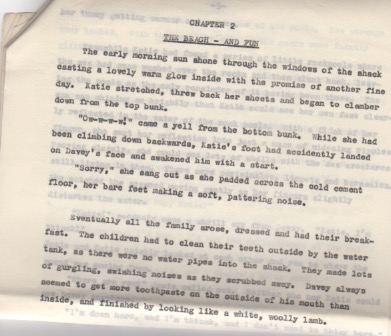
Another story, penned some time later, was really an account of my memories of childhood summer sun,sand and sea -exampleholidays spent at a seaside, country town couched in a painfully trite story. Typed up by my mother on wafer-thin foolscap paper, it boasts nothing more now that a few visible visits from silverfish.

Only when I was in my thirties, with more teaching years under my belt and two daughters of my own, did I begin to write a little more. And then only poems for my girls or family members or small snippets for magazines. I really had no plan on becoming an author.

But it was when I began to get some work published by an educational publisher, that I began to wonder.

Was I an author, after all?

As it turns out, I am.

The love was there early. The learning took longer.

PS: I still love writing about the sea and beachside environments.

The Little Blue Pig was never published in its original or redrafted form until about five years ago, when it became the basis of a small educational reader.

I wrote several scripts for a children’s theatre company and a television show called, Where’s Humphrey, and occasionally write scripts for The School Magazine.

I still write poetry and love it.

I am an award-winning children’s author and poet with 100 books published in the trade and educational market.

http://www.janeenbrian.com


Below is that inspirational Walter de la Mare poem:

Silver

by Walter de la Mare

Slowly, silently, now the moon

Walks the night in her silver shoon;

This way, and that, she peers, and sees

Silver fruit upon silver trees;

One by one the casements catch

Her beams beneath the silvery thatch;

Couched in his kennel, like a log,

With paws of silver sleeps the dog;

From their shadowy cote the white breasts peep

Of doves in silver feathered sleep

A harvest mouse goes scampering by,

With silver claws, and silver eye;

And moveless fish in the water gleam,

By silver reeds in a silver stream.


Small Beginnings, 11: Alan Baxter

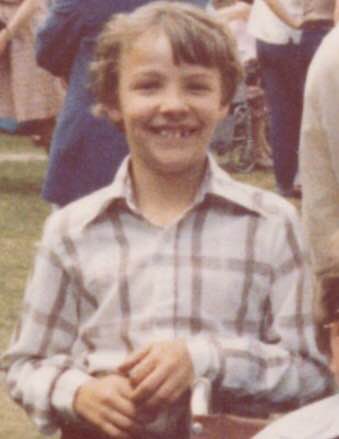
Aged about 9

Aged about 9

I was looking through some old stuff my mum had saved and discovered a bunch of old exercise books. Most of it is pretty rubbish, appalling “religious education” that was nothing but Christian indoctrination and so on. In truth, I always hated school, never got on well with a classroom environment, with one exception: I loved English. The chance to write stories and read books? That was my kind of schooling. It’s the only thing I was ever good at, academically, so it’s no surprise that these days I’m a writer and a martial artist.

I remember my first ever experience of storytelling. I was about seven years old and we were told to write a story about what we did on the school holidays. Most kids came back with paragraph or two about nanna’s house or whatever. I came back with seven or eight pages about a dude who went back in time and got chased around by dinosaurs. The teacher didn’t believe I’d written it and rang my parents. They said they had no idea about it, I must have done it all in my room. So my teacher, duly impressed, got me to read it to the class. As I stood up there with my knees trembling, reading this thing, I realised all the faces were enraptured. After class, kids were coming up to me saying how great it was and how they wished it wouldn’t end. I was amazed. I had discovered the power of storytelling. I never looked back.Story-2

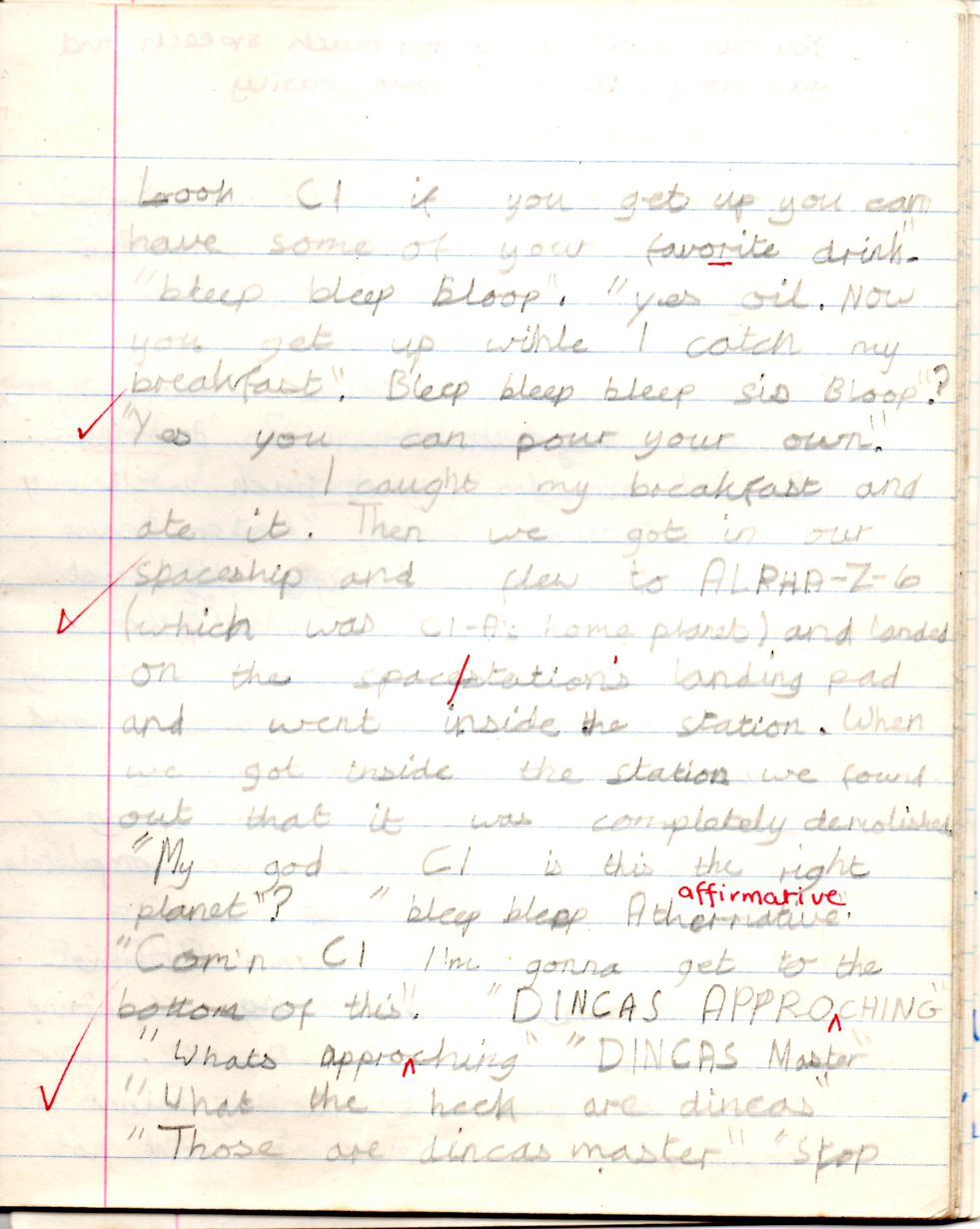
Sadly I can’t find that time travel story I remember so well. Maybe I will one day. But I have found other stuff. One was a story I wrote when I was nine years old, and it shows my influences so clearly already. There’s science-fiction, horror and fantasy, shameless pillages from Star Wars and Doctor Who. It’s classic early Baxter. So I decided to transcribe it for posterity. On my blog you’ll find the story, accurately transcribed with all my spelling errors and so on included. But I have added paragraphs. Seems I had a thing about not using them – lots of other stories in big blocks of text with my teacher getting more exasperated about it every time.

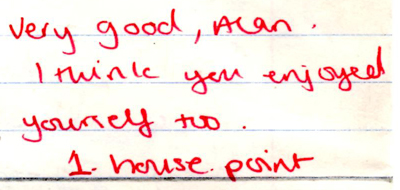
Along with the transcription are scans of the original pages with my teacher’s notes. Perhaps my favourite thing about this story is the teacher’s comment at the end:

“Very good, Alan. I think you enjoyed yourself too. 1 house point.”very good

You’re right, teacher. I really did enjoy myself. And I still do – nothing is more fun than writing stories. And I scored a house point! That was a big deal back then.

Here’s the link to my blog with the full story in transcript and scans: http://www.alanbaxteronline.com/cia-battle-worlds/

***
Alan Baxter writes dark fantasy, horror and sci-fi, rides a motorcycle and loves his dog. He also teaches Kung Fu. He lives among dairy paddocks on the beautiful south coast of NSW, Australia. Read extracts from his novels, a novella and short stories at his website – www.warriorscribe.com – or find him on Twitter @AlanBaxter and Facebook.

Small Beginnings, 8: Stephen Whiteside

Stephen at time of writing the poem, with his boat

Stephen at time of writing the poem, with his boat

Below is a poem, “The Fur and Feather Sailing Club”, that I probably wrote when I was about 19 or 20. I forget exactly. It was certainly before I had had anything professionally published.

I grew up very much under the spell of Banjo Paterson – The Geebung Polo Club, The Man from Ironbark, Mulga Bill’s Bicycle, Clancy of the Overflow, The Man From Snowy River.
I also learned to sail as a boy, and loved the adventure and the independence that it offered me.
It is no surprise, then, that I wrote a Banjo Paterson-inspired sailing poem!
In many ways, this poem is a watery version of “The Geebung Polo Club”, although the overall shape/narrative is very much along the lines of “The Man From Snowy River”.
It is probably fair to say that not a huge amount has changed in my writing over the years. I still love narrative rhyming verse, though I generally write shorter poems these days, because that is what publishers want. I tend to play much more now with form and subject matter, but narrative rhyming verse is my default position – something I can always fall back to if all else fails!
The Fur and Feather Sailing Club
by Stephen Whiteside
(first two verses)
A splendid sight the clubhouse was, adorned with flapping flags,

Along the beach, the band in tartan trews;

The car park overflowing with Mercedes Benz and Jags,

Inside the briefing room, the anxious crews.


The myriad spectators sniffed the breeze and sipped champagne,

While their darling little children swallowed Coke,

And no-one seemed to notice, down a long-forgotten lane,

A dusty, dirty, battered Mini-Moke.

READ THE FULL POEM HEREThe Fur and Feather Sailing Club


Stephen Whiteside has been writing rhyming verse for many years. He writes for both adults and children. Many of his poems have been published in magazines or anthologies, both in Australia and overseas, or won awards. He has also self-published several volumes of verse.

In 2014, Walker books Australia published a collection of his poems for children, “’The Billy That Died With Its Boots On’ and Other Australian Verse”. In 2015, the book won a Golden Gumleaf for “Book of the Year” at the Australian Bush Laureate Awards during the Tamworth Country Music Festival.

Stephen is a great admirer of the Australian poet C. J. Dennis. He is President of the C. J. Dennis Society, and a key organiser of the annual Toolangi C. J. Dennis Poetry Festival. The festival is held in October every year at Dennis’ former home in Toolangi, a small hamlet in the wooded hills 65 km east of Melbourne. In 2016 the festival will be celebrating the centenary of the publication in 1916 of “The Moods of Ginger Mick”.

Small beginnings, 6: : Adèle Geras

Aged about 9

Aged about 9

When I was a child, writing was never much on my mind. I was quite determined to be a STAR and spent most of my free time acting out with  my friends scenes we’d seen at the movies.  I was Ann Miller, or June Allyson, or Doris Day. This was in the Fifties,  before tv, when we went to the cinema as often as we could. We inhabited the world depicted in  the recent Coen brothers movie, HAIL CAESAR, and were fans particularly of musicals, and of the swimming star, Esther Williams.

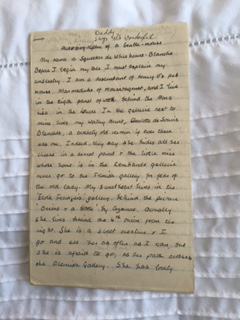
But I did like writing little poems which, when they weren’t about about nymphs and Greek gods described storms or sunsets or effused about kittens. When I was about eight, I wrote my first actual long form story. It runs to 12 of neatly written A5 pages. Looking at it now, I admire the excellently neat handwriting, so full marks to whoever it was who taught me writing. This neatness  must also mean that I wrote it out in rough and then copied it. I was clearly aware that I was embarking on  A STORY.  I’m also rather impressed by the beginning: straight in with an introduction to the main character, a mouse called Squeaker de Whiskers Blanches.  At this time of my life, (about 1953, I guess) we visited Paris often. My uncle was an artist and my Dad loved taking me round art galleries, pontificating about who was good and who wasn’t. I was overwhelmed by the Louvre, so that’s where Squeaker lives, of course.

IMG_1008


At school, I did contribute poems to the school magazine and I always loved writing essays but the poetry bug only really hit me when I fell in love.  That’s when it gets most teenagers, I suppose and I was no different. My handwriting has deteriorated since the Squeaker days, but my poetry is full of emotion and very romantic and over the top.

IMG_1010


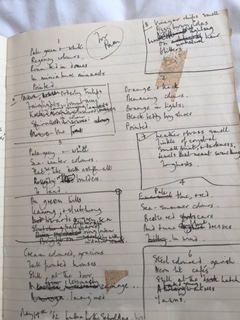
I also find it interesting that my preoccupations  haven’t changed much.IMG_1011This(above)  is basically a description of Brighton in various different moods: the buildings, the atmosphere  and so forth. I’ve always been partial to describing stuff and also interested in places.


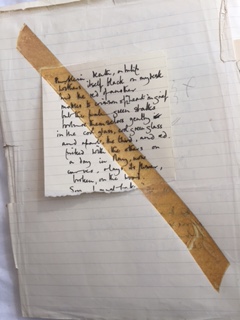
IMG_1009This(right)  is about tulips, but it goes without saying that these tulips are full of meaning and import!  I still adore tulips.  I’m going to reproduce the poem here and you can giggle at the overthetopness of it all. It’s about flowers fading but oh, so much, much more in the hands of a lovesick seventeen year old…from the general gloom, I’m concluding I must recently have been dumped. I’ve forgotten the actual occasion but here’s what I wrote:


Purple in death, a tulip

withers itself black on my desk,

and the red of another

mottles to crimson of a heart in grief.

But the pale green stalks

torture themselves gently

in the cool glass, cool green glass

and apart, the third and red

picked with the others on

a day in May,  now

curves, and lays its flower,

broken, on the wood.


Adèle Geras lives in Cambridge. She’s written many books for children and young adults, including Two Fearsome Fairytales from France published by Christmas Press. Her latest book is The Dream Quilt published by Long Barn Books and she has a novel for adults coming in June, called Love or Nearest Offer, published by Quercus.