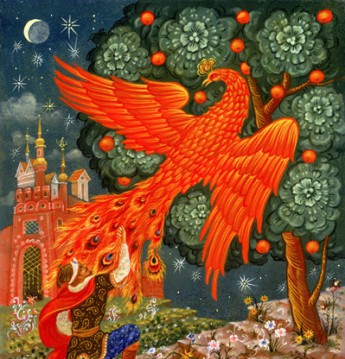
Just for fun, here’s a few extra titbits and some pics about a few flowers mentioned in A Secret Garden in Paris. These ones are very much my favourites.Which are your favourites? Let me know in the comments.

Peony—la pivoine in French
These flowers, which are a recurring motif in the novel, and of course appear on the front cover, in Cheryl Orsini’s gorgeous illustration—are absolutely beloved in France and have been very popular for a very long time. They grow from April till June, but it’s in May that you will find them in their full splendour, in pretty much any public garden in Paris (and elsewhere in France!) and in many private ones too. Their colour varies from varying shades of pink (light pink is the most classic) to whites, reds, yellows, mauves…Rather like roses, they are loved not only for their great beauty but also their lovely fragrance—but they don’t have thorns, unlike roses 😊 However, as Charlotte discovered when she went to the Perfumer’s Garden in Versailles, their perfume is ‘mute’—that is, unlike with roses, the natural fragrance can’t be distilled, it has to be recreated synthetically.

Hydrangea—l’hortensia in French
Hydrangeas are also beloved in France, being popular since at least the 19th century, and in May the flower market and florist shops in Paris are absolutely overflowing with them. They are very popular in gardens too and come in the usual shades of pink or blue (which can seem magical as they can change colour, as Emma remembered her grandfather saying) but you can also find them in the less common white.

Wisteria—la glycine in French
Beloved for their beauty, fragrance and the shade of their thick foliage in summer, wisterias are great classics in France, especially in private gardens, but also in public ones where they are to grown to provide beautiful perfumed flowers in spring and cool arbours in hot weather. In the countryside they are also found on the walls of old houses, like ivy (which is known as ‘le lierre’, in French)

Daisy—la marguerite in French
Both ‘Daisy’ and ‘Marguerite’ can be first names in English and French, respectively.–Margaret of course is the Anglophone version of Marguerite. However, in English, the flower commonly known as daisy can be either the small, prolific kind found in meadows, or the larger cultivated kind. In France however, the little meadow daisies are known as ‘paquerettes’ whilst the larger cultivated kind in its traditional colours of white and yellow is known as ‘marguerites’. They have always been loved in France as elsewhere, and are found pretty much from April to September. There are also many other kinds of daisies of course, such as Cape daisies, Michaelmas daisies etc, which come in a variety of gorgeous colours. (I spotted some absolute beauties in Monet’s garden at Giverny, for example, see above).

Lilac—le lilas in French
Like the wisteria, it’s a bush rather than a flower of course, but who can go past that gorgeous burst of spring colour and scent? Like peonies, lilacs have a strong fragrance naturally, but also like them, it’s mute! Lilac is at its flowery best from mid-April to early May and comes in shades of purple(the classic colour), pinks, and white. You’ll find it growing in parks and gardens, both public and private, all over France.

Iris-l’iris in French
Think of irises and you might also think of Monet—they feature in quite a few of his paintings—and they certainly have been loved in France since his time and even well before. Irises come in a glorious variety of colours, from purple to yellow to red to orange to pink to almost black, and you can also find multicoloured ones. Like peonies, they are at their most beautiful best in May.
Also a couple of other favourites:

Rose—la rose in French: of course! Fragrant ones especially please—and yellow are my current favourites. I saw such beautiful yellow ones in French gardens this year—and they were all amazingly scented!
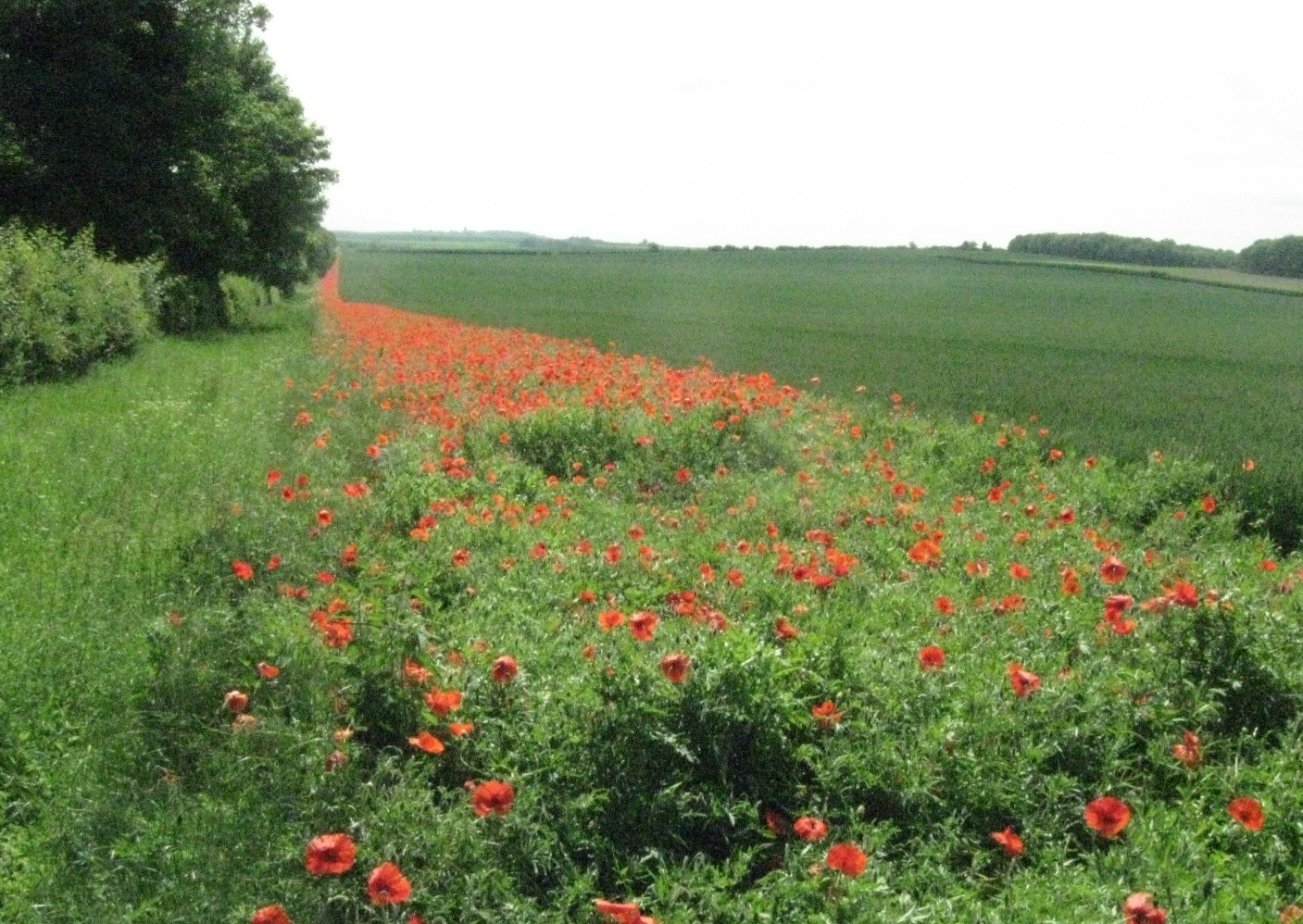
Poppy—le coquelicot in French: grows wild in meadows in spring but also can be cultivated. Those fragile beauties with their almost-translucent petals are most lovely though when you suddenly spot them in a meadow by the side of a road when you are driving in the countryside!
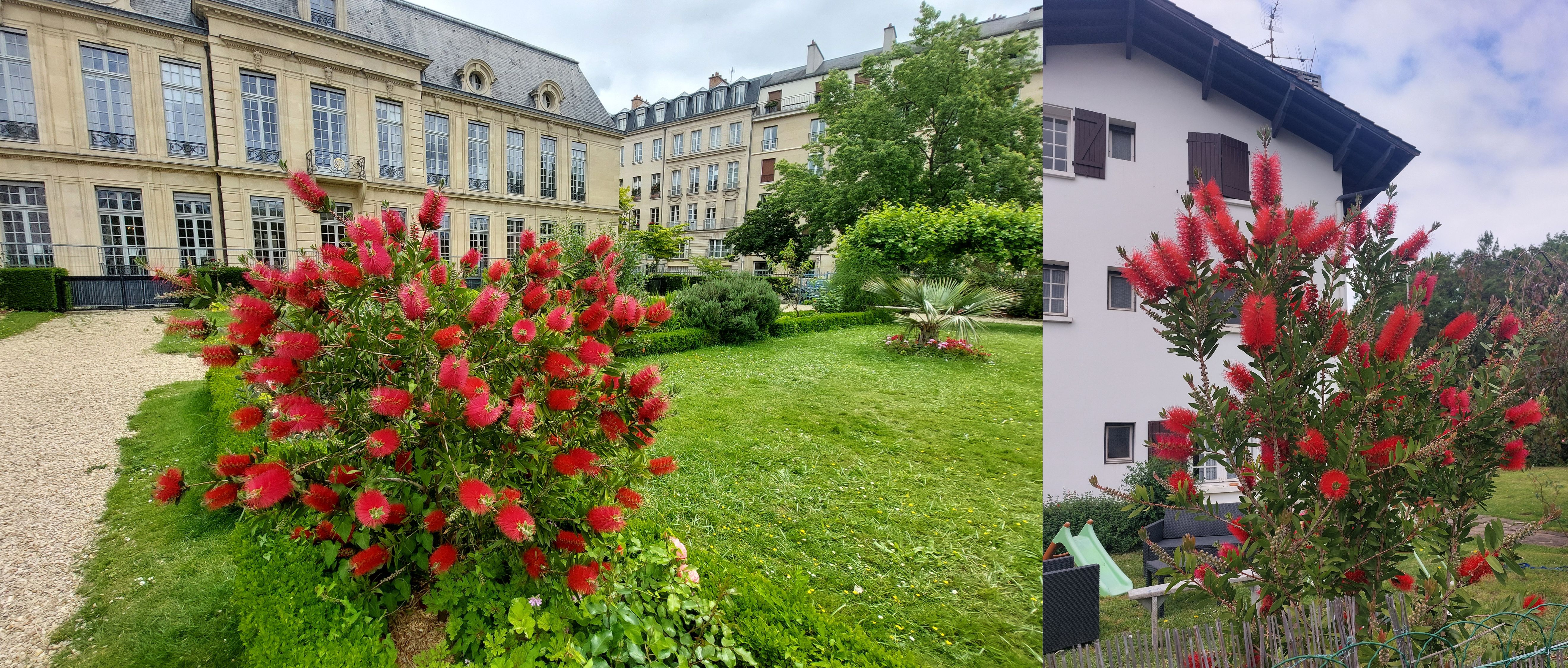
And finally here’s an outlier, but one I really noticed on my trip back to France in May 2024: the not-so-humble bottlebrush! Yes, le callistemon (the name it’s known as in French, but also its ‘proper’ name) has taken French gardens by storm and I have seen beautiful flowering bushes of it both in private and public places, from Paris in the north to the Basque country in the south. And it seems to absolutely thrive in France, having adapted very happily to life in the northern hemisphere. I loved seeing this Australian native flaunting its spectacular red flowers in its new French home!
 Feathers of the Firebird